
Restoring Forests and Hope in Chikwawa, Malawi

Chikwawa in Malawi has long felt the sting of deforestation, and communities under Senior Group Goma have lived with its consequences. Yet, amid this reality, a different story is taking shape, one rooted in determination and nearly 10,000 trees planted since 2019.
The Food for Asset (FFA) group began this work with limited know-how and poor-quality seedlings. Village heads encouraged people to plant trees, but skills and resources were scarce. This changed when World Vision Malawi, with support from the World Food Programme (WFP) and government partners, trained the group, then 318 members strong.
Today, 115 committed members are tending the forests they helped grow. FFA secretary Wells Malunga says the community is now seeing what once felt impossible. With forests returning, floods that once tore through their area every year have softened. He recalls how floods destroyed 1,022 houses in 2023, then 700, and later 144 in 2024, an evidence that the trees and regenerating vegetation are shielding their homes.
For families like that of Liness Bonjesi from M’bona Village, the benefits reach beyond flood protection. The training equipped them to care for their trees, and the surrounding forests now supply vegetables they would otherwise buy.
“We feed our children from the same forests. It keeps them healthy.” Says Liness.
Others remember how floods used to wash away food reserves and interrupt schooling. With stronger forests, such disruptions have reduced.
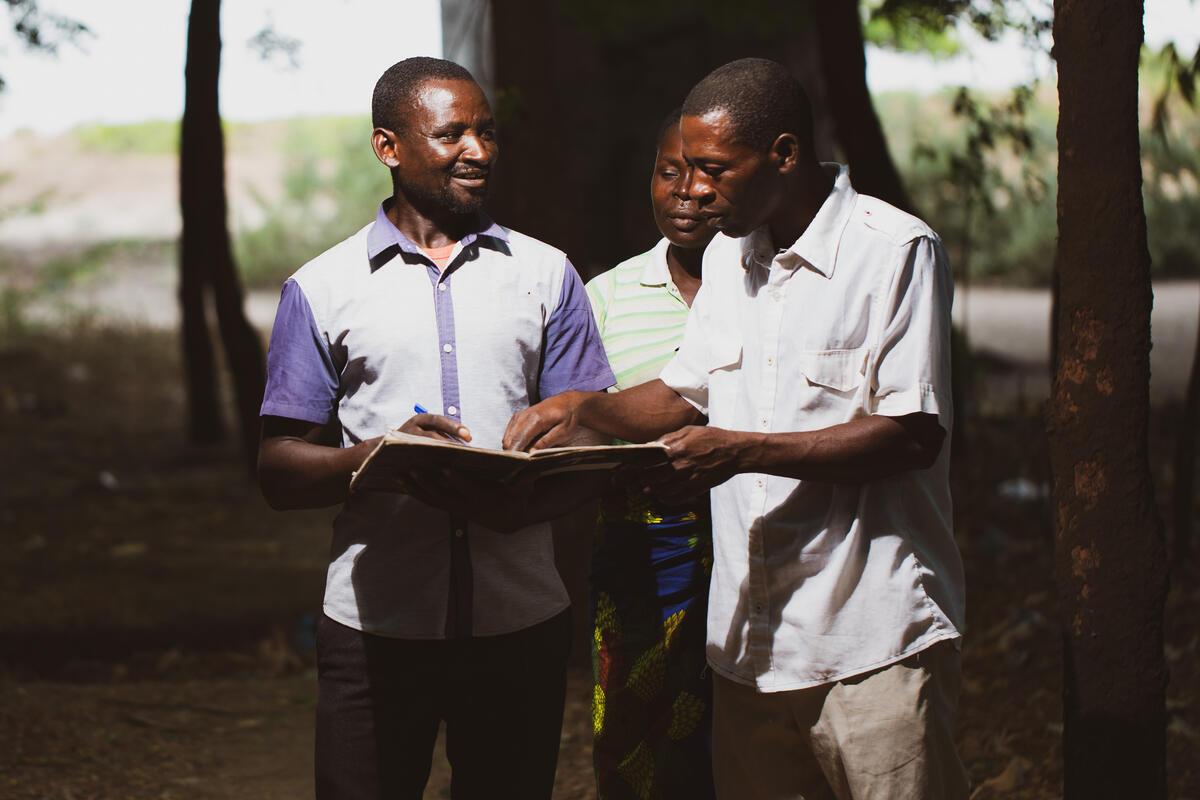
FFA Chairperson Osman Nkhumba shares that the support extended beyond tree planting. Members learned how to build check dams to slow water and prevent soil loss, how to prepare manure, and how to grow vegetables in home gardens.
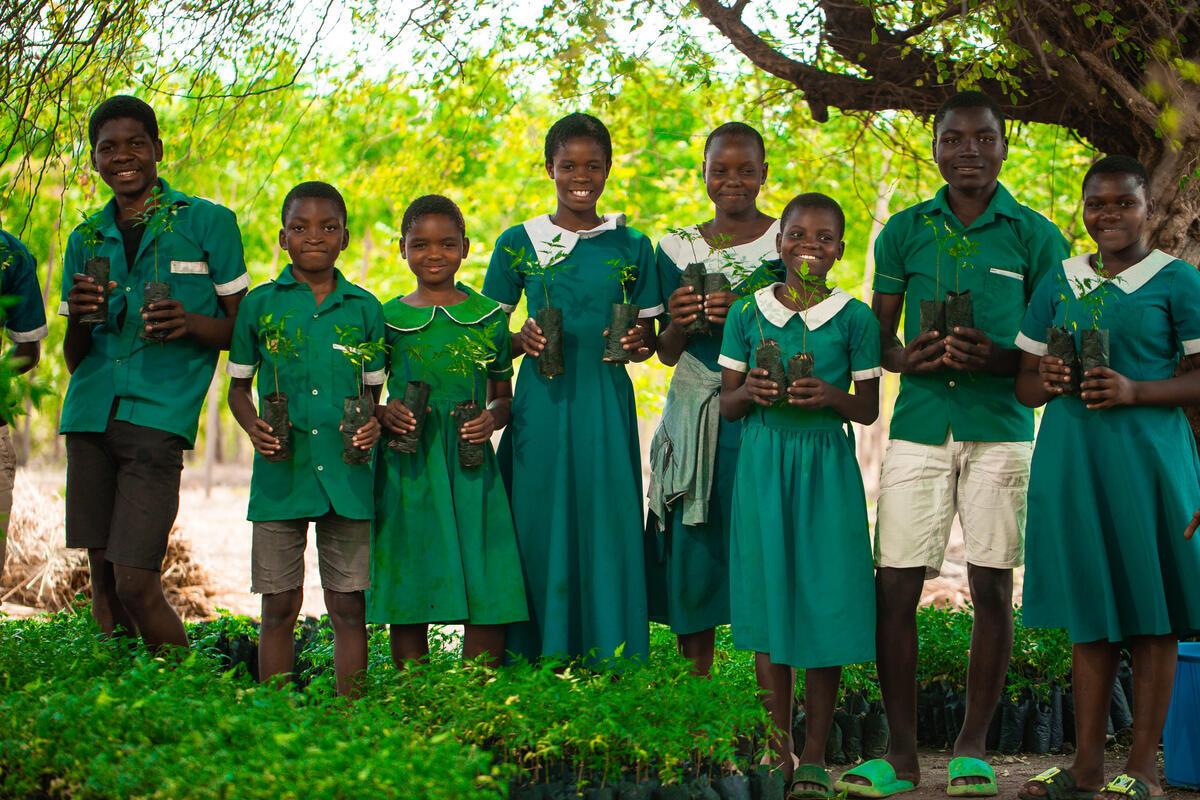
The work has also spread to schools like Goma Primary, where students are taking part in nurturing young trees.
What began as a response to a barren landscape has become a community-driven effort to restore their environment and protect.