
Alefa Overcomes Her Child’s Malnutrition With Home-Grown Food

For years, malnutrition among children under five was a quiet but persistent struggle in the area of Traditional Authority Ngowe, Chikwawa District. Clinics regularly recorded underweight infants, and many families did not know that the food already available in their homes could make the difference between sickness and survival.
That reality began to change when World Vision Malawi working alongside World Food Programme (WFP) and the Government of Malawi launched a nutrition project focused on the youngest and most vulnerable children.
Health Surveillance Assistant Tyson Paliani recalls that within 12 days of the implementation of the project, he saw 10 children who were severely malnourished and their lives were at risk recover.
“Using simple but effective screening methods like Mid-Upper Arm Circumference (MUAC) measurements and weight checks helped us health workers to identify children who were suffering from acute malnutrition. The findings were alarming, but they also opened the door to action,” says Tyson.
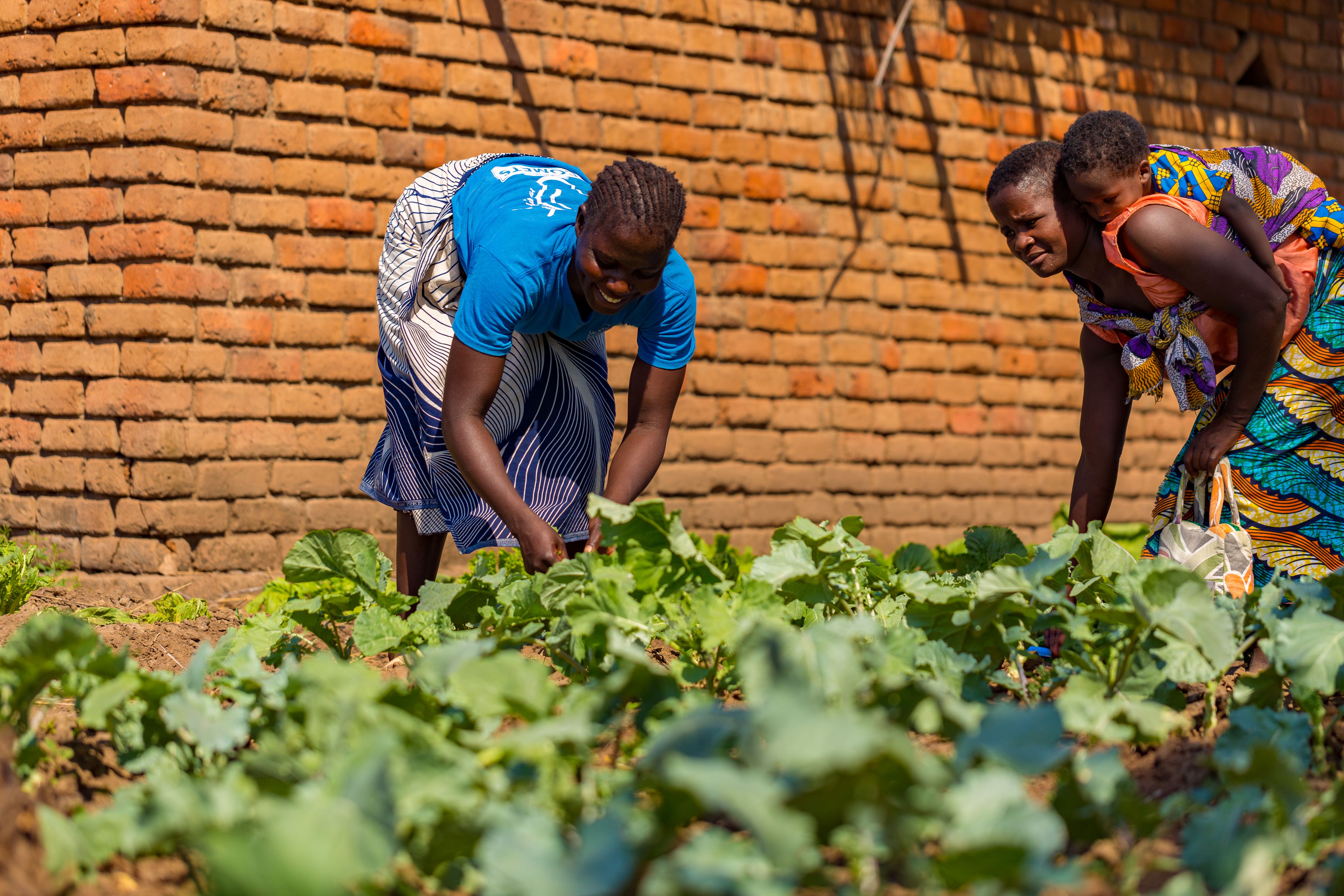
Mothers of the ailing children were organised into care groups and taken through a 12-day Community-Led Total Sanitation (CLTS) programme known locally as Masanje. The training went beyond theory. Mothers learned how to prepare nutritious meals using foods they could grow, buy, or gather locally.
Maize porridge, once the trained mothers served plain, was transformed. Groundnut flour, vegetables, pumpkin leaves, fish powder, beans, and fruits were added, turning a single meal into balanced nutrition. For many mothers, this was the first time they understood how combining foods could restore a child’s health.
“We watched children move from danger to safety. They gained weight, they became active again, and their chances of surviving improved,” says Pililani.
Alefa, a young mother from Ngowe, was among those whose child benefited. Her less than a year old baby had begun to lose weight despite being born healthy. Through the training, Alefa learned how to prepare enriched flour using maize, fish, and beans, and how to keep food preparation areas clean.
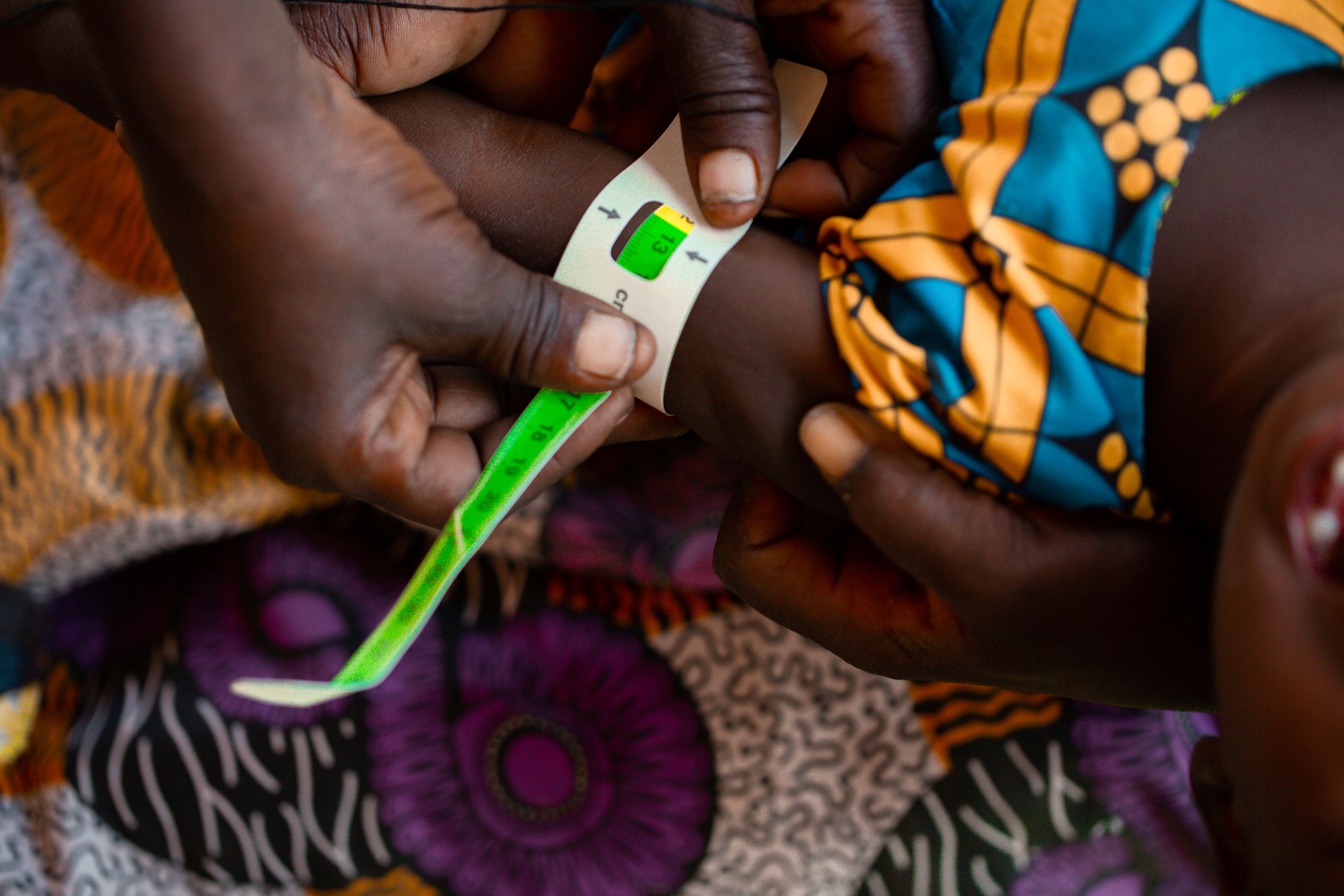
“I followed everything we were taught. Every day I saw my child changing. Getting stronger. Becoming active again,” says Alefa.
For one Chimwemwe Anthony , a health promoter who mobilised the mothers says nutrition alone would not have been enough. Hygiene and sanitation were central to the training. Mothers were taught that even the best diet cannot protect a child if water, food, and living spaces are unsafe.
“Pregnant women and children need food from six food groups. But they also need clean hands, clean water, and clean surroundings,” Says Chimwemwe.
Members of the mother care groups now share this knowledge within their villages, extending the impact far beyond the original participants. Hundreds of households have adopted safer hygiene practices and improved feeding habits.