
Clean Water Improves Maternal Care at Nambazo Health Centre in Phalombe

Clean and safe water is one of the most basic needs in everyday life, yet for years it was missing at Nambazo Health Centre in Traditional Authority Chiwalo, Phalombe District. The facility, which serves thousands of people from surrounding villages, relied only on boreholes outside the premises for water. This was used for drinking, cleaning, and bathing even after childbirth. This situation has been putting mothers, newborns, guardians, and health workers at constant risk of infections.
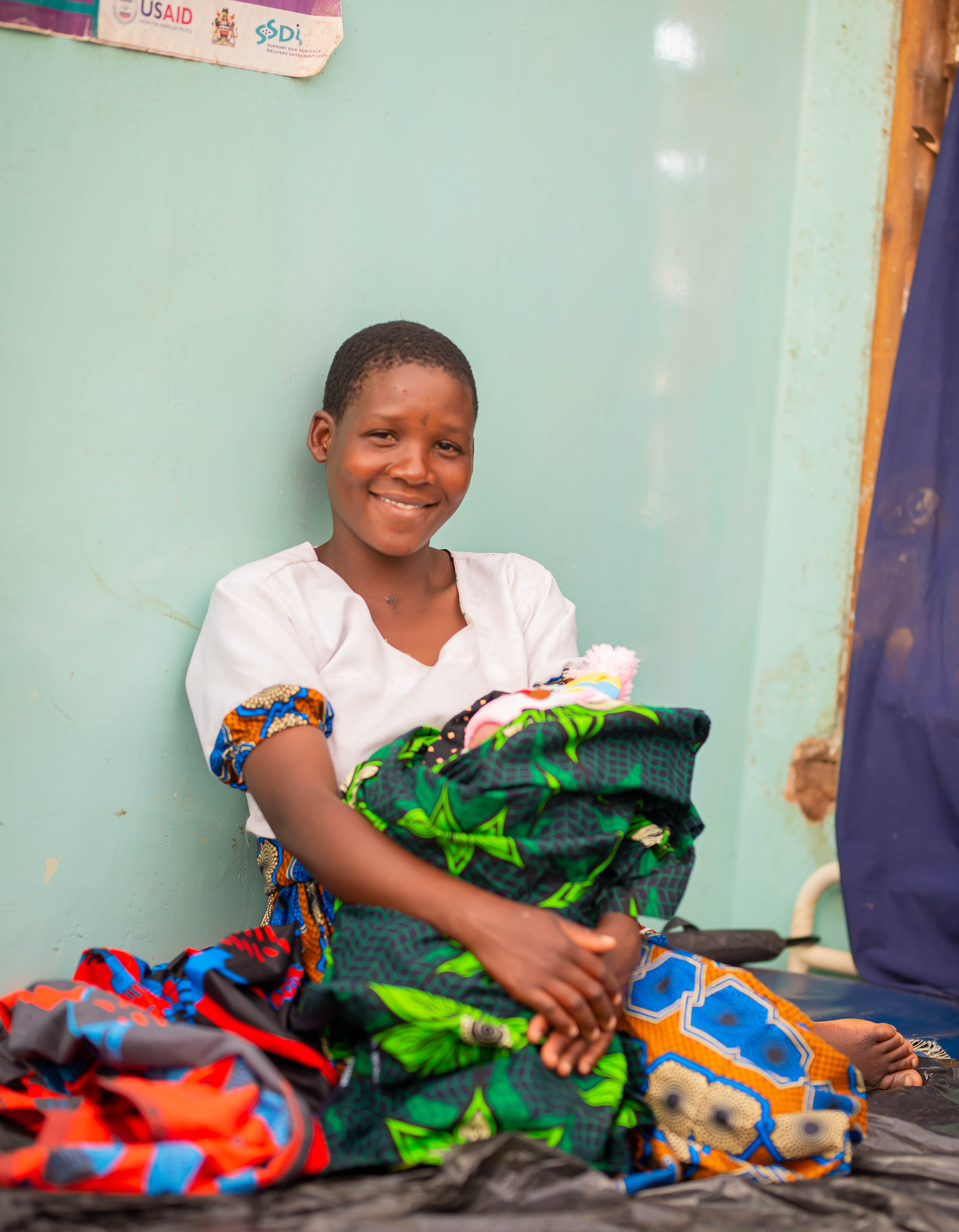
For young mothers like Delicia,19, the old borehole at the facility was too slow and heavy to pump.
“Water itself was salty and not good for drinking. After delivery of my first child, it was hard to wash myself and my baby. Cleanliness took too long when it was most needed,” says Delicia.
The experience was shared by many including Felix Kadzanja, a Nurse-Midwife Officer and head of maternity at the Nambazo Community Health Center.
“We had to walk outside the health center's premise to fetch water. Sometimes we went back home after deliveries just to clean ourselves after a preforming a medical procedure. It was unsafe and very unhygienic for both us and the women we serve,” says Felix.
Felix continues to say that the struggle was even worse at night. When water ran out, health workers had to brave the cold and the dark to fetch more from a borehole.
Without water, deliveries were conducted in unsafe conditions, endangering both mothers and babies. Today, this story has changed. Thanks to World Vision Malawi, under its Water, Sanitation and Hygiene (WASH) programme, Nambazo Health Centre now has a solar powered water supply system. Now clean, safe water flows directly into the maternity ward and to a public kiosk outside the facility.
Unlike her previous experience, Delicia recently delivered her second baby in a clean and hygienic environment.
“This time, everything was different. I didn’t have to leave the ward to fetch water. Clean water was available right where I needed it, and I could care for myself and my baby with dignity. Now giving birth feels safer, cleaner, and more respectful,” says Delicia.
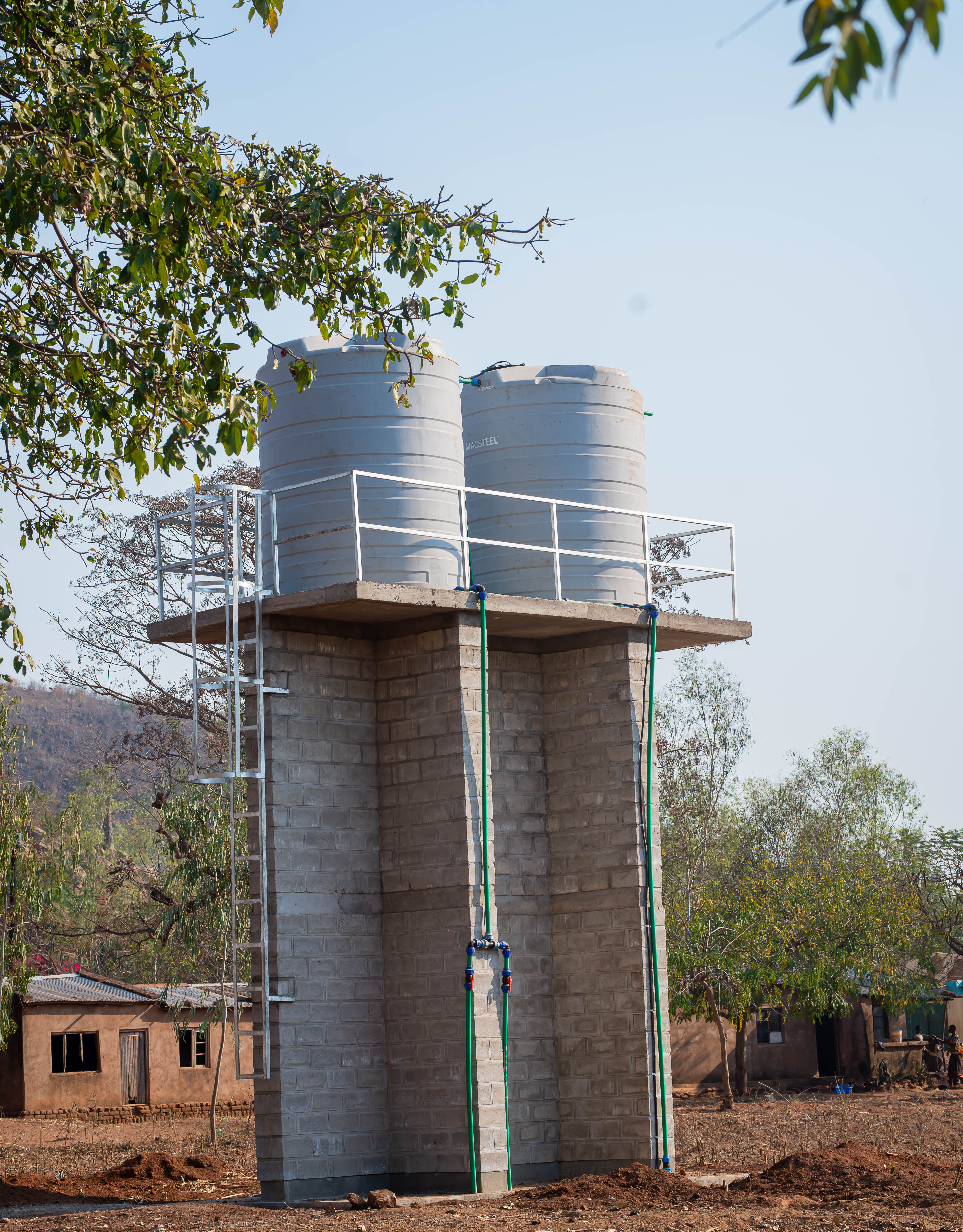
“With water available at the turn of a tap, hygiene standards have drastically improved. Infections have gone down among mothers and newborns. Women can now bathe and keep themselves clean right after delivery. Having water inside the delivery rooms has transformed our work,” says Felix.
The benefits go beyond the facility. Five surrounding communities around the Health Center now also have access to this new water system, ending years of water scarcity and the daily struggle of walking long distances for unsafe water.