
World Vision Malawi Lights the Way Through Education

At one of the local primary school in rural Malawi, the dream of giving every child a fair chance at education has always been alive, even during the toughest times. For years, the school could only teach up to Standard 6. Any pupil wanting to continue had to walk long distances to reach another school, a journey through muddy roads in the rainy season, with early starts and late returns in the dark.
“We really wanted to help our learners, but we had no classrooms, no houses for teachers, and very few materials. Still, pupils came to learn under trees or in makeshift shelters, and teachers stayed committed despite having no proper housing.” Says Rodgers Duwa, school headteacher.
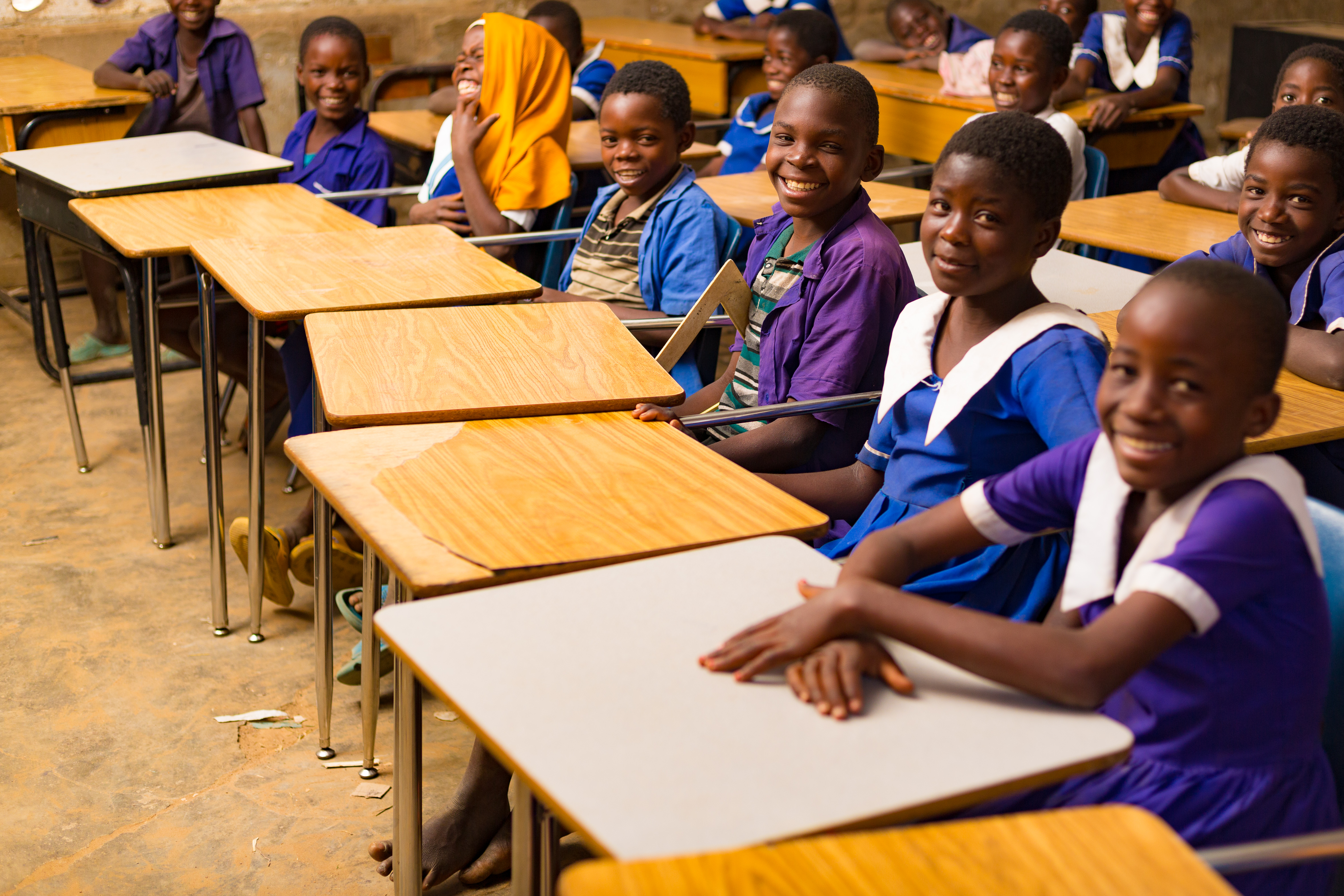
Through the school committees, the community worked together to build teacher houses and classrooms. But resources were scarce.
“We could not do so much. That was when the community reached out to World Vision Malawi for help.” Say Duwa.
World Vision Malawi responded to the request for help and In 2016, World Vision built two classroom blocks, followed by two teachers’ houses in 2019. Teachers also received training in literacy and exam-setting skills, which boosted the quality of lessons.
“The changes have been amazing. Our learners are doing better than ever. Some of our Standard 8 pupils have even been selected to national secondary schools.” Says Duwa.
Better housing for teachers has encouraged them to stay, leading to improved teaching. The school recently celebrated a 100 percent pass rate, something unthinkable in the past.
The primary school is now a model school in the area, attracting pupils from nearby villages.
“Before, we were just surviving. Now, we are moving forward. Thanks to World Vision, the school is on a new path, one full of hope, success, and opportunity for our children. “Says Duwa.
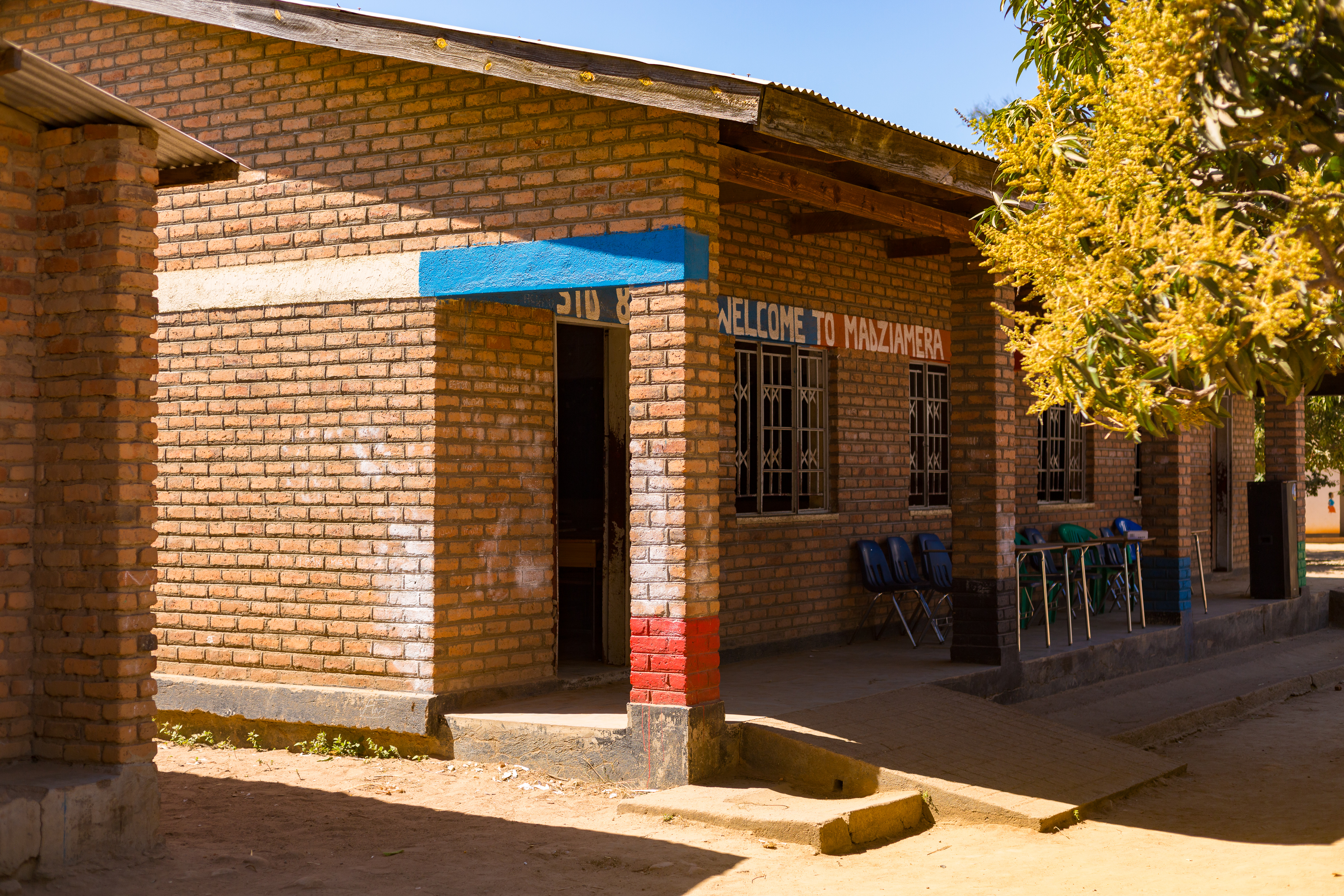
Among those benefiting is Adam,14, who recently sat for the Primary School Leaving Certificate of Education.
“Can you believe we used to learn under trees? It was especially tough in the rainy season. That’s all behind us now. With proper materials and good teaching, we are doing much better.” Says Adam.
Mustapher Nansongole, chairperson of the school committee, says that before the new houses, teachers lived far away and lessons often started late but now classes begin on time. Mustapher adds that parents are now more engaged in school activities and children are showing greater interest in learning.
World Vision’s Project Officer for Education, Samuel Matabwa, says that when they first arrived, learning was heavily affected by poor facilities.
“Our main goal was to improve access to and the quality of education and am glad that this has been achieved,”says Matabwa.
As World Vision closes its work in Traditional Authority Mposa, the impact is clear. Stronger school buildings, better teaching, and greater community involvement have transformed education in the area. In 2024 alone, school enrolment rose from 4,750 to 6,940 pupils, and long-term absenteeism fell from 393 in 2017 to 173 in 2024.