
One Year On: Reclaiming What Was Stolen

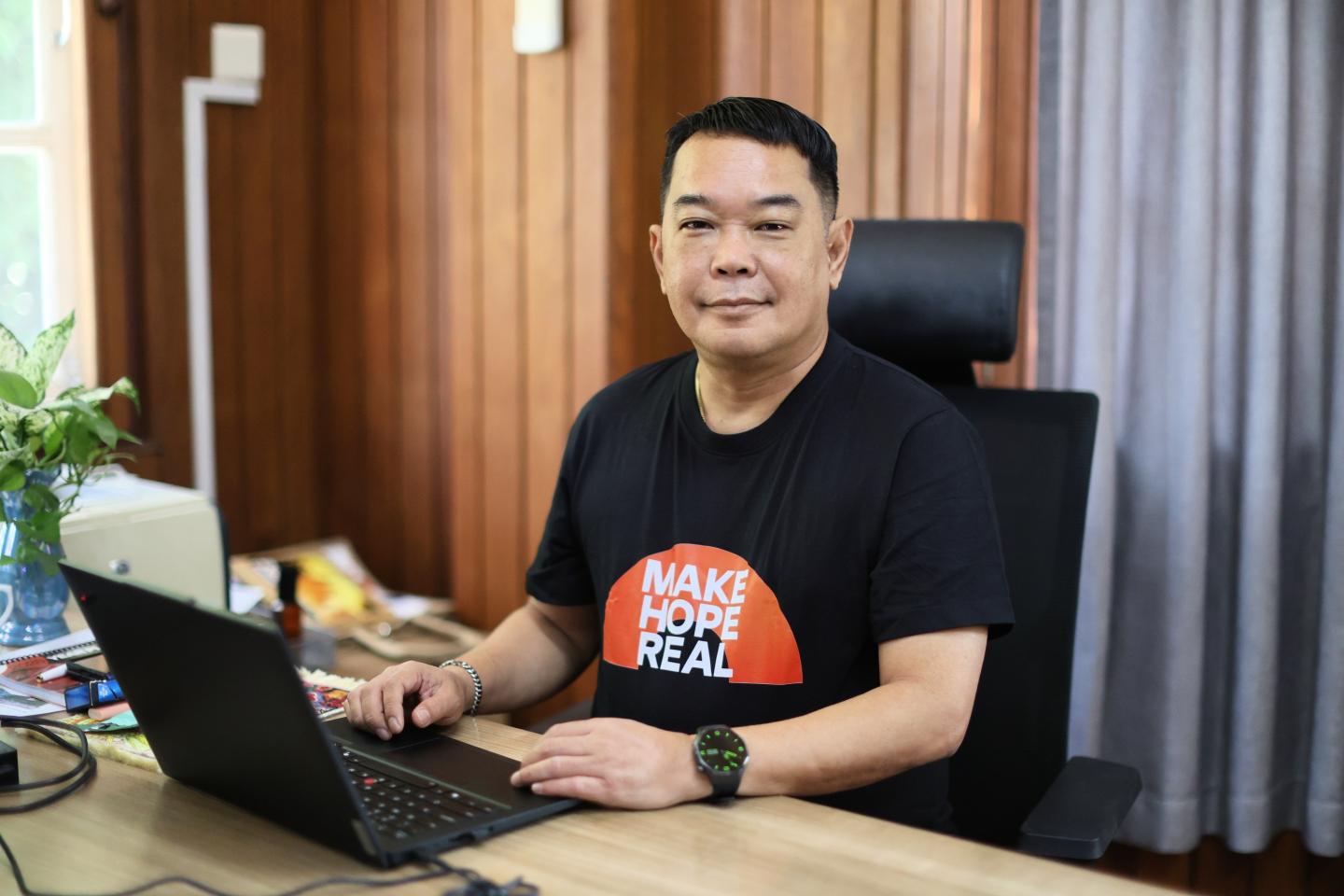
by Dr. Erwin Lloyd Guillergan, National Director, World Vision Myanmar
I still remember the sound before anything else. The low, unnatural rumble that seemed to come from beneath the ground. Walls shook. Dust filled the air. Phones lit up all at once. On March 28, 2025, a 7.7 magnitude earthquake tore through Myanmar just days before the country was meant to welcome Thingyan, our New Year. Celebration turned into silence. Instead of laughter and rituals of cleansing, there was rubble, grief, and disbelief. In that moment, it felt as if Thingyan had been stolen.
Having worked in emergency settings for many years, instinct kicked in immediately. My first calls were not strategic -- they were human. Are our staff safe? Are their families alive? Which communities have been hit hardest? In a country already carrying the weight of conflict and restricted access, I knew this earthquake would not be “just” a natural disaster. It would deepen existing vulnerabilities overnight.
Within hours, local teams were already moving. Within 24 hours, assessments were under way and prepositioned supplies were being distributed. This speed did not come from external intervention; it came from something we often underestimate: preparedness rooted in local leadership. In Myanmar, when disaster strikes, it is not international systems that arrive first. It is communities themselves.
What struck me most in those first days was the bravery of people who had every reason to stop. Many of our staff and volunteers were affected personally, yet they acted, using the training and trust built long before the ground shook. In a highly constrained environment, that ability to “spring into action” was not just operational success. It was the difference between life and death.
But emergency response is only the beginning.
A year later, I think often about a mother I met during the recovery phase. She had lost her husband in the earthquake and was left caring for two daughters under five, as well as her elderly mother, who lives with chronic illness. Her world had collapsed in every sense. Yet with support to restart her livelihood, she slowly regained confidence, not only to feed her family, but to hope again. Not to survive, but to stand.
Her story is not unique. Across affected communities, I have seen families rebuild their lives step by step, often quietly and with dignity. Resilience in Myanmar is not a slogan. It is lived daily, by parents who keep going for their children, by neighbors who share what little they have, and by children who, even after loss, find ways to play, draw, and imagine a future.
Some of the most powerful moments I’ve witnessed over the past year have taken place in our Child-Friendly Spaces. In the immediate aftermath, children arrived withdrawn and frightened. Months later, they were laughing, drawing pictures of home, helping one another. These spaces may look modest, but they are where healing begins. Recovery is not measured only in shelters built or supplies delivered. Much of the most important work is invisible: restoring a sense of safety, routine, and hope.
This is also the stage where attention begins to fade.
The headlines that once carried Myanmar’s earthquake across the world have moved on. But for families here, the hardest phase of recovery is unfolding now. Rebuilding lives--truly rebuilding them--takes time, consistency, and commitment. It requires more than emergency tents, food supply, and cash assistance. It requires staying.
Too often, global response systems are designed for immediacy, not continuity. Funding cycles are short. Attention is fleeting. Yet resilience is built over years, not weeks. In a context like Myanmar, marked by protracted crisis, access challenges, and overlapping needs, the gap between response and recovery is where the risk of being left behind is greatest.
That is why our approach must be integrated and locally led. Alongside livelihoods and shelter, mental health, child protection, and community well-being must remain priorities. We must strengthen not only physical structures, but the social fabric that helps communities withstand future shocks. And we must ensure Myanmar does not become a forgotten crisis simply because it has slipped from the news cycle.
As Thingyan returns this year, it carries the symbolism of renewal and cleansing. The water washes away hardship and welcomes a new beginning. For many families, healing is not symbolic. It is practical, gradual, and still incomplete. But there are signs of restoration: a temporary classroom reopening, a farmer planting for the first time since the quake, a family moving into a safer, more resilient home. These are small wins, but they are bricks of hope, laid one by one.
The spirit of Thingyan was not lost forever. It lives on in the determination of communities rebuilding with courage and care. The question now is whether the world will remain present long enough to walk that journey with them.
At World Vision, we remain committed to staying to support children and families as they move from relief toward long-term restoration, ensuring that every child can thrive in safety and joy. Because recovery, like Thingyan, is not a moment. It is a choice to continue long after the water dries and the headlines fade.