Acting Before the Cold Strikes: How Early Support Protected Families in Madhesh

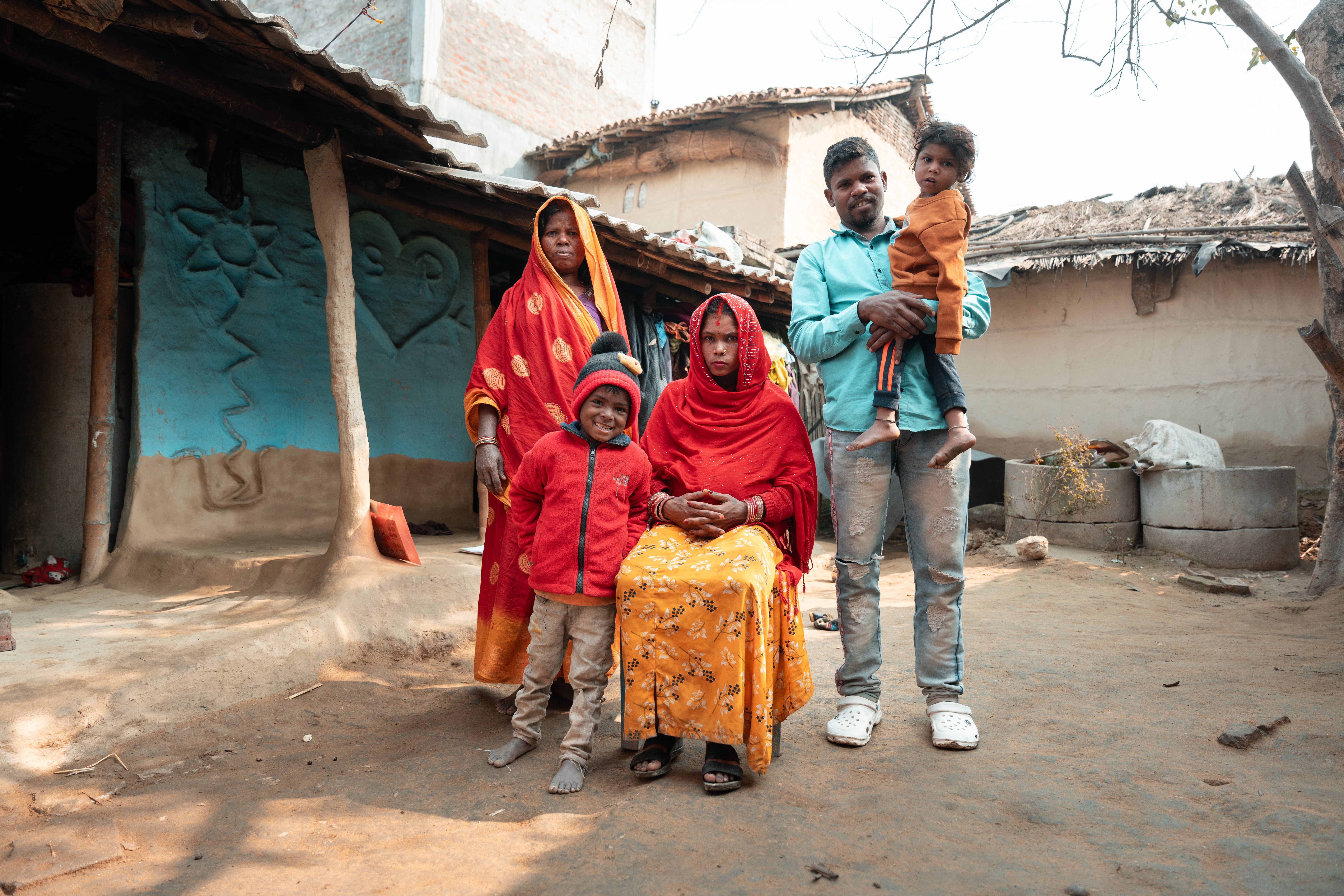
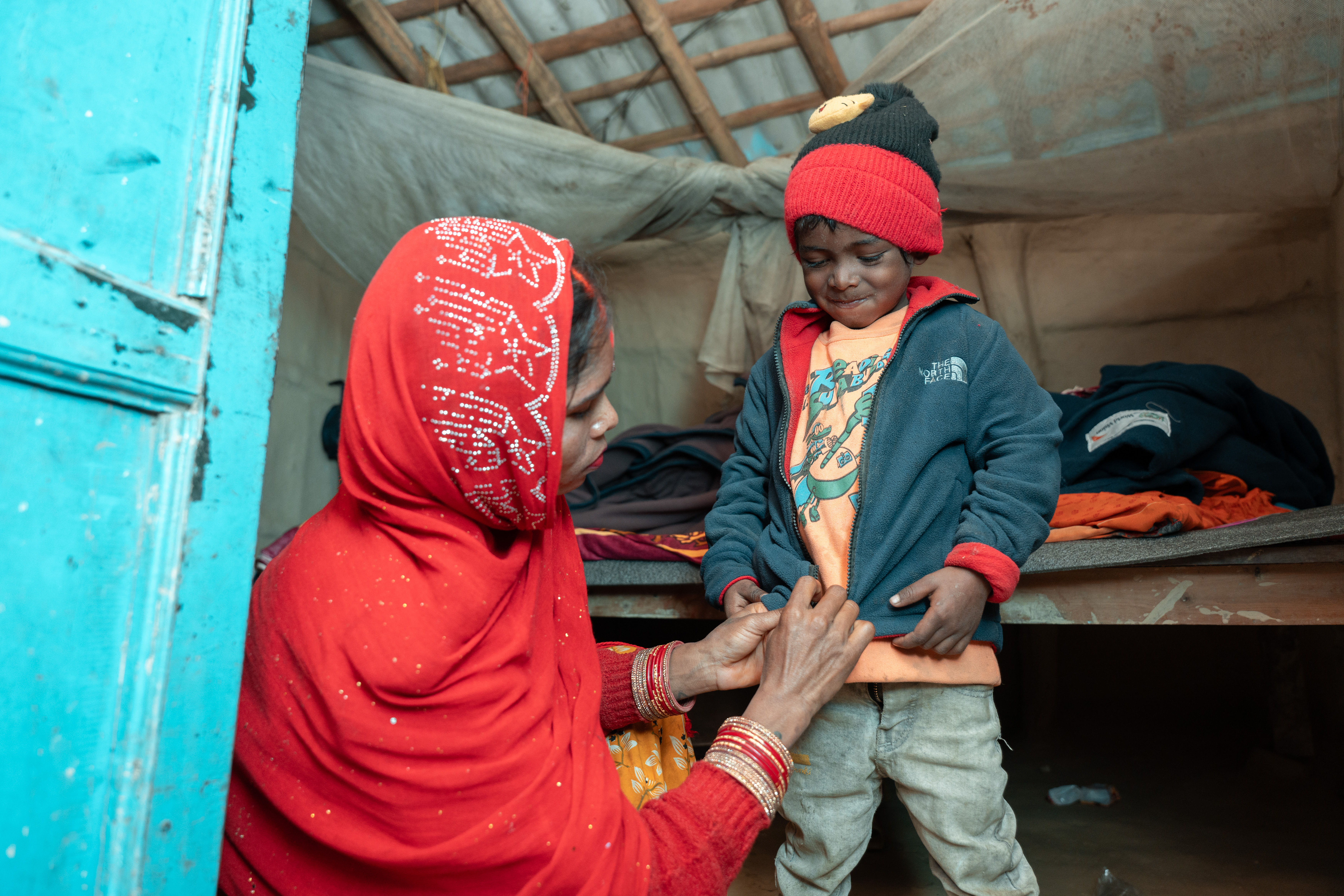
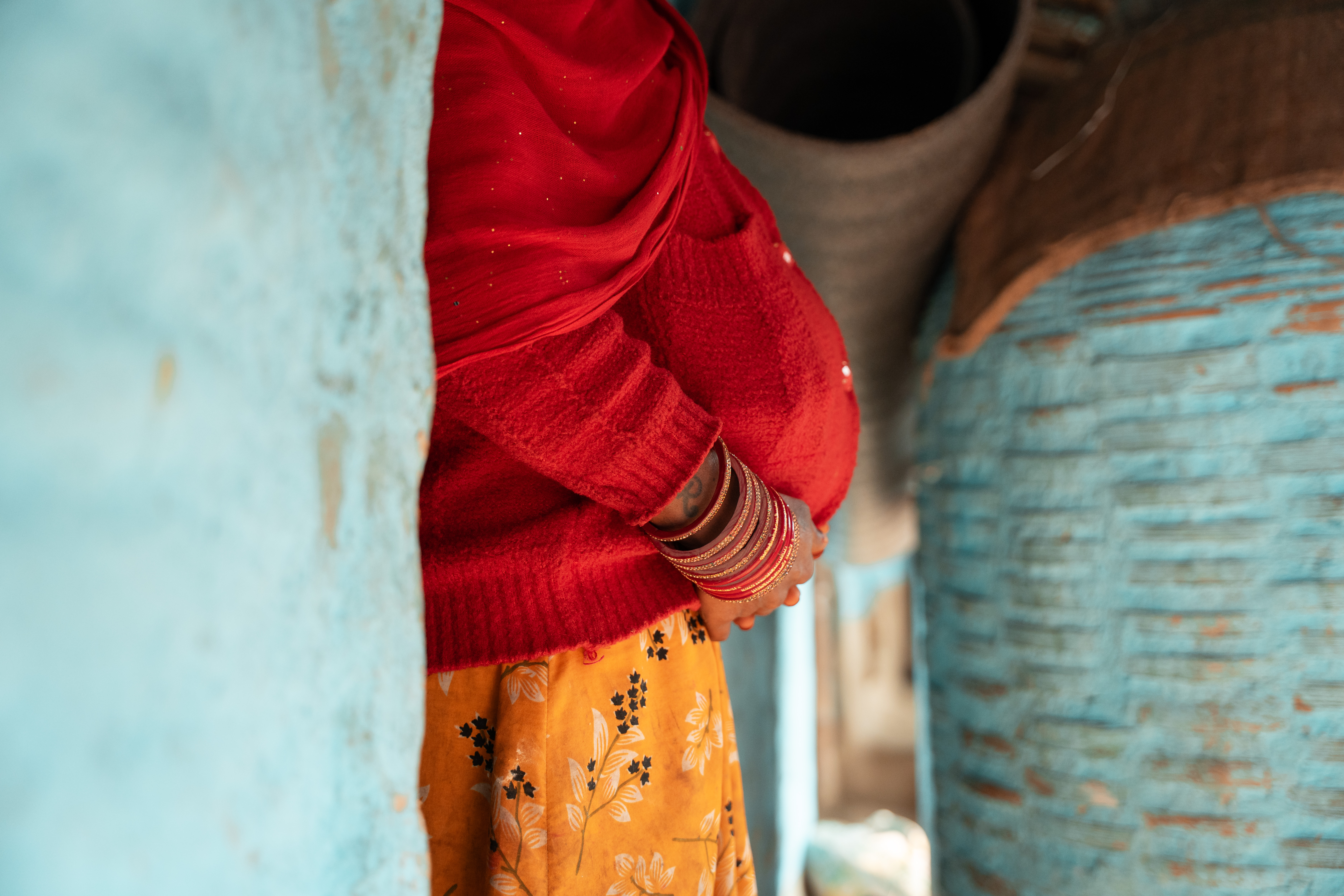
Five‑year‑old Niraj still wears the red and blue fleece jacket and woollen cap he received just as the cold spell settled over Madhesh Pradesh. He vividly remembers watching his mother, Rina, carefully stitching together scraps of old clothes and pieces of her saree (long cotton garment worn mostly by Nepalese women) to make a makeshift blanket for him and his little sister, three-year-old Anitya.
Rina, who is 30 years old and nine months pregnant, lives in Sarlahi with her husband, Surendra, their two children, and extended family. Surendra works as a daily‑wage labourer, picking up seasonal jobs when he can. His small income feeds a family of seven, leaving little room to buy blankets, warm clothes or even a simple mat to shield them from the cold floor.
Niraj attends an Early Childhood Development class and has been part of World Vision’s Sponsorship Programme for three years. His younger sister Anitya lives with an intellectual disability. Doctors linked her condition to malnutrition. Today, she is gradually recovering after taking part in Positive Deviance Hearth, a community‑based nutrition programme by World Vision International Nepal, where mothers learn to prepare nourishing meals with affordable local ingredients.
Cold waves are not new in the Terai region of Nepal. Locally known as kuha, they arrive every year and can last for weeks. But this winter’s cold wave came early and stayed longer than expected. When temperatures dropped sharply, Rina’s family had almost nothing to keep themselves warm. “We did not have enough blankets to wrap ourselves in, and we did not have a mat to stop the cold rising from the floor,” Rina recalls. “I was scared that something would happen to me or my family.”
Even simple tasks became difficult. “It was very hard to work in the cold. We burned hay and chaff to stay warm, but it was never enough,” she says.
Niraj and Anitya wore only thin shirts and trousers. The cold pierced through them, and both children shivered constantly. Seeing that made Rina’s heart break, and with a pregnancy of nine months, she was worried the cold would make matters worse for her and the child in her womb.
As the cold wave crept into Madhesh Pradesh, many other families faced similar fear and uncertainty. Among them was 36‑year‑old Ishan Mohammad, who supports a family of nine. Six years ago, he lost the use of his left leg in a train accident, ending his work as a tailor and leaving the family without a stable income. His wife, Janisha, earns what she can by working in other people’s homes so their five children, aged six to seventeen, can eat two meals a day.
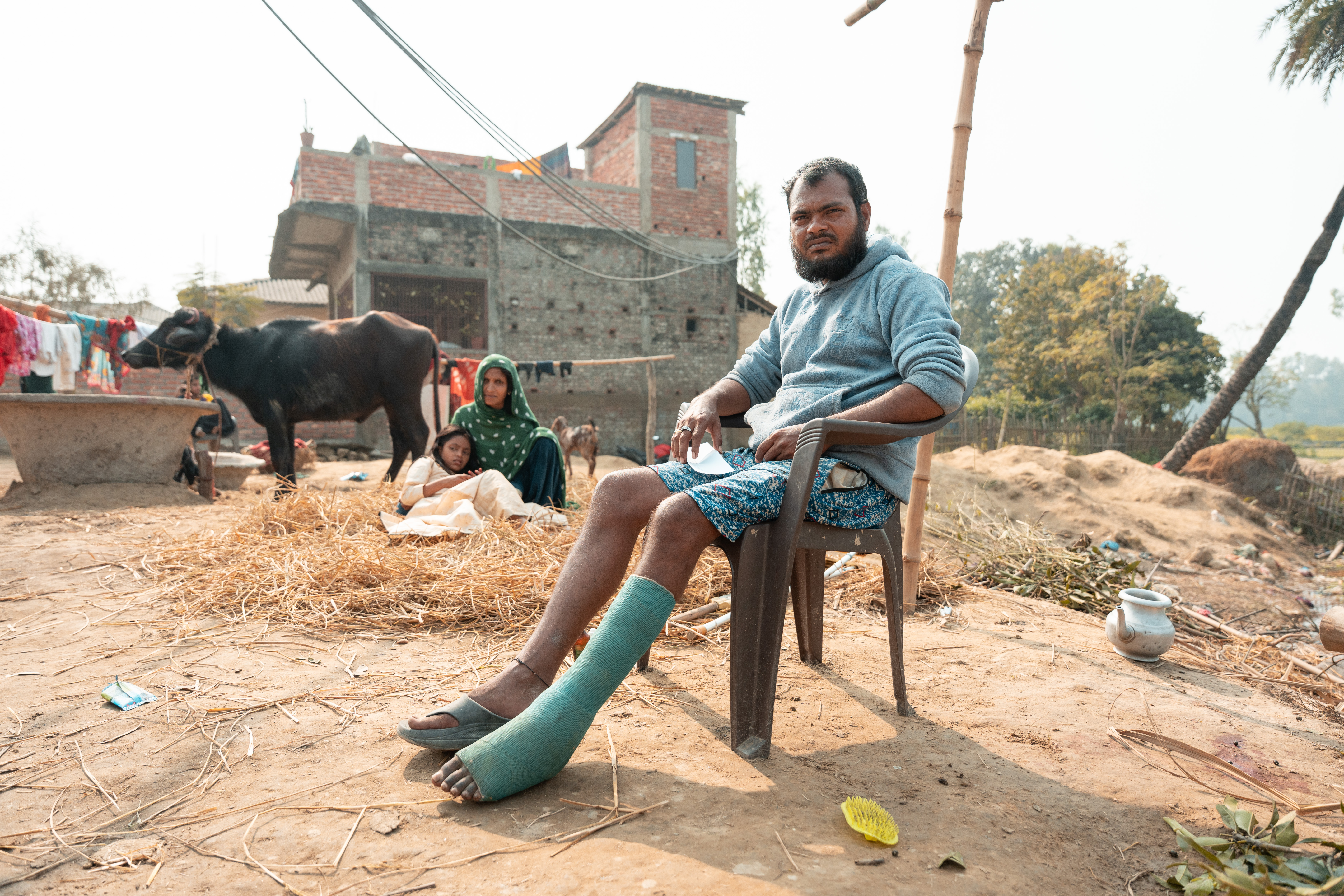
When the temperature dropped, Ishan’s family had no warm blankets. His elderly father handed over his only blanket, given to him by a relative, so the grandchildren could stay warm. At night, the family placed layers of hay on their beds just to soften the cold. The winter became an ordeal they simply tried to endure.
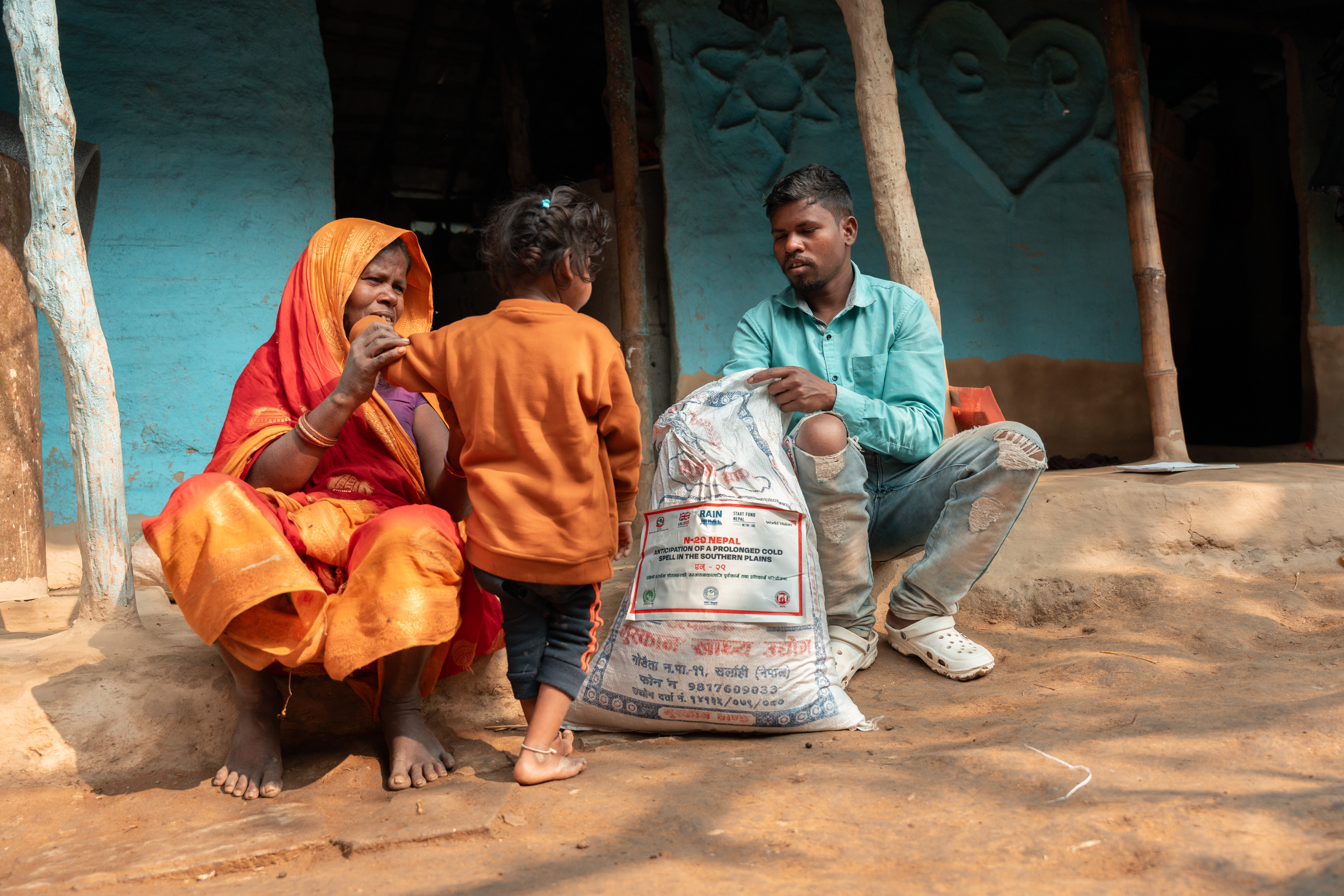
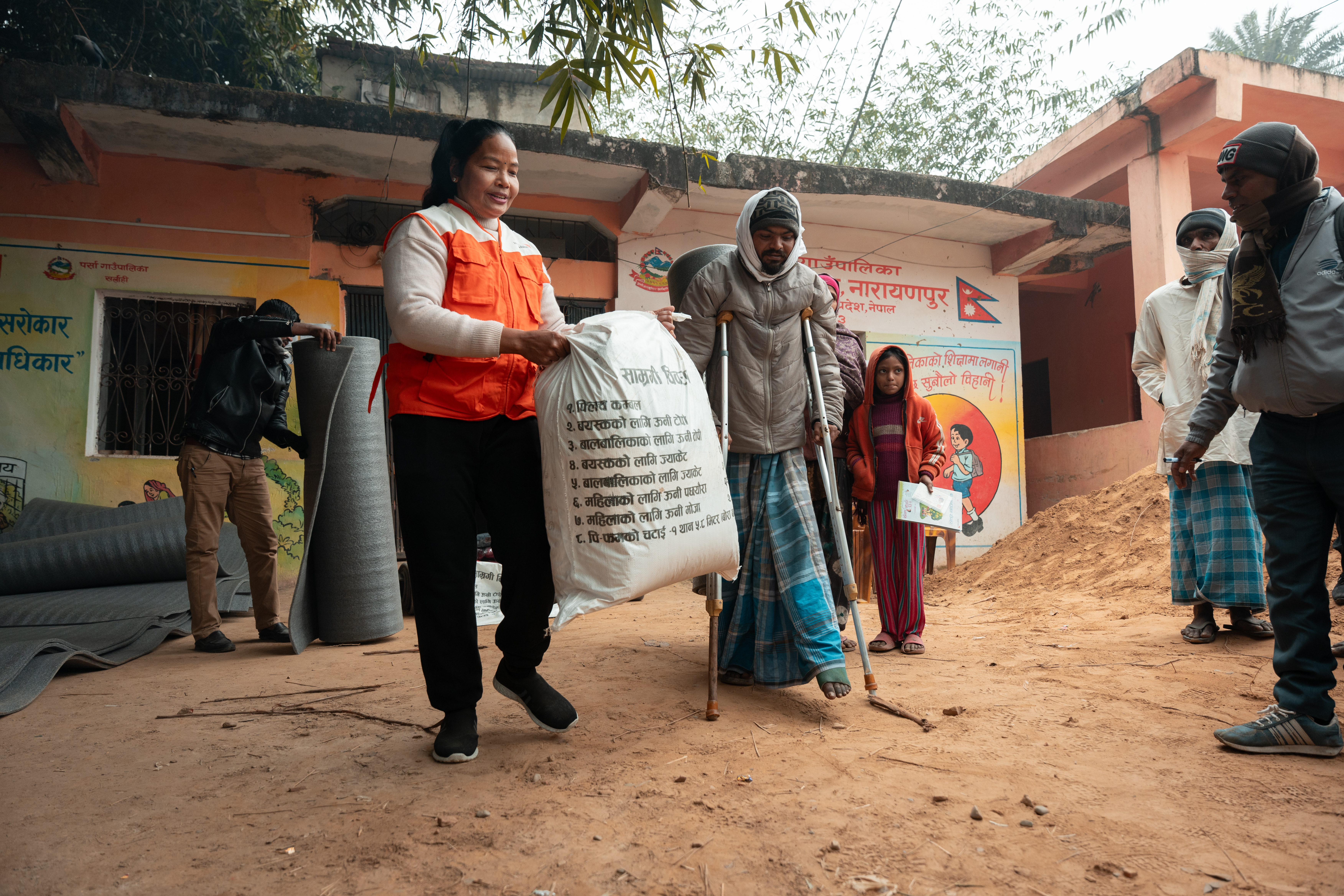
Just as the cold wave approached, World Vision International Nepal, with support from Start Fund Nepal and UK aid through the RAIN programme, acted early by launching the Anticipation of a Prolonged Cold Spell in the Southern Plains project. Instead of waiting for the cold wave to cause harm, support reached families before the worst of the winter set in.
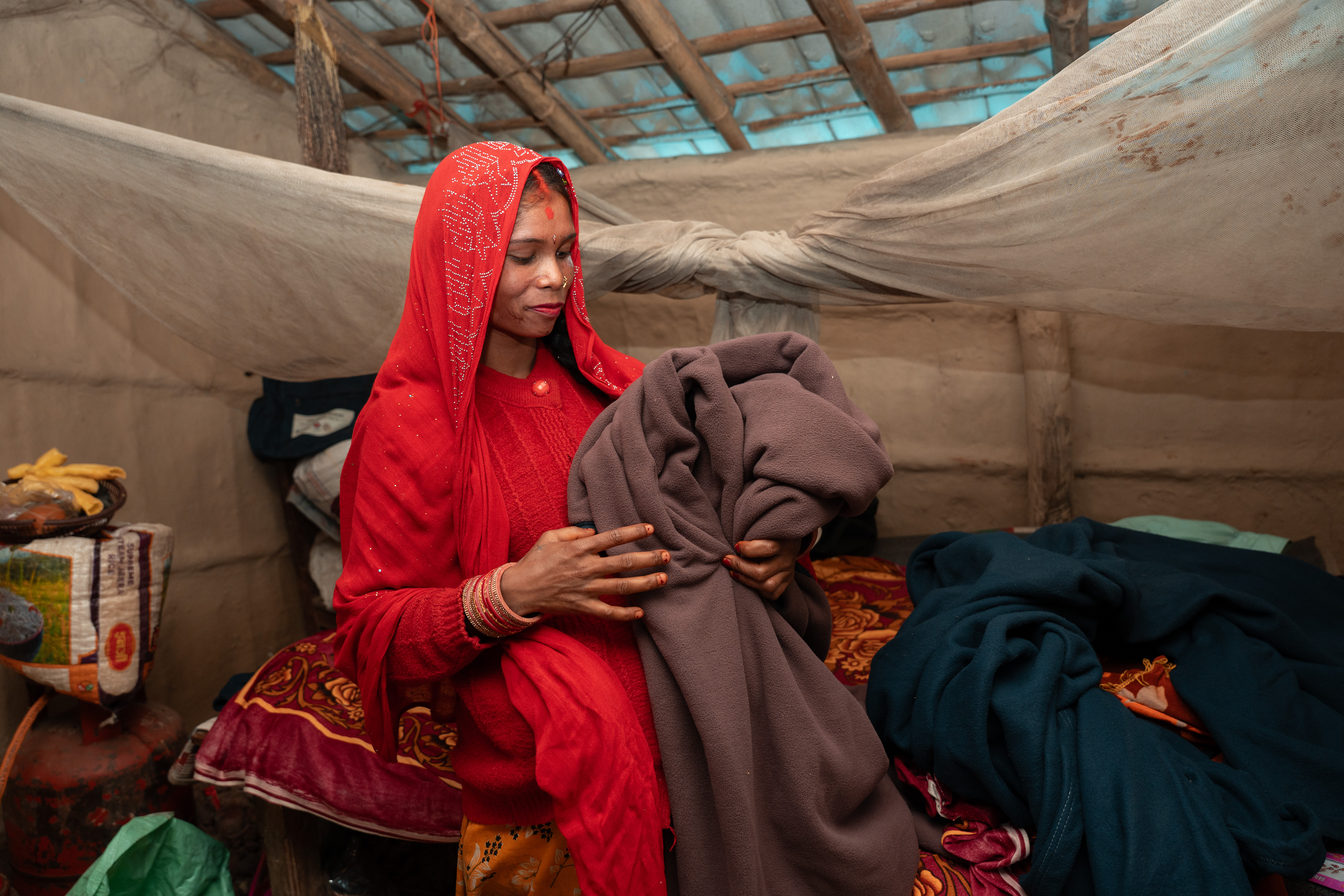
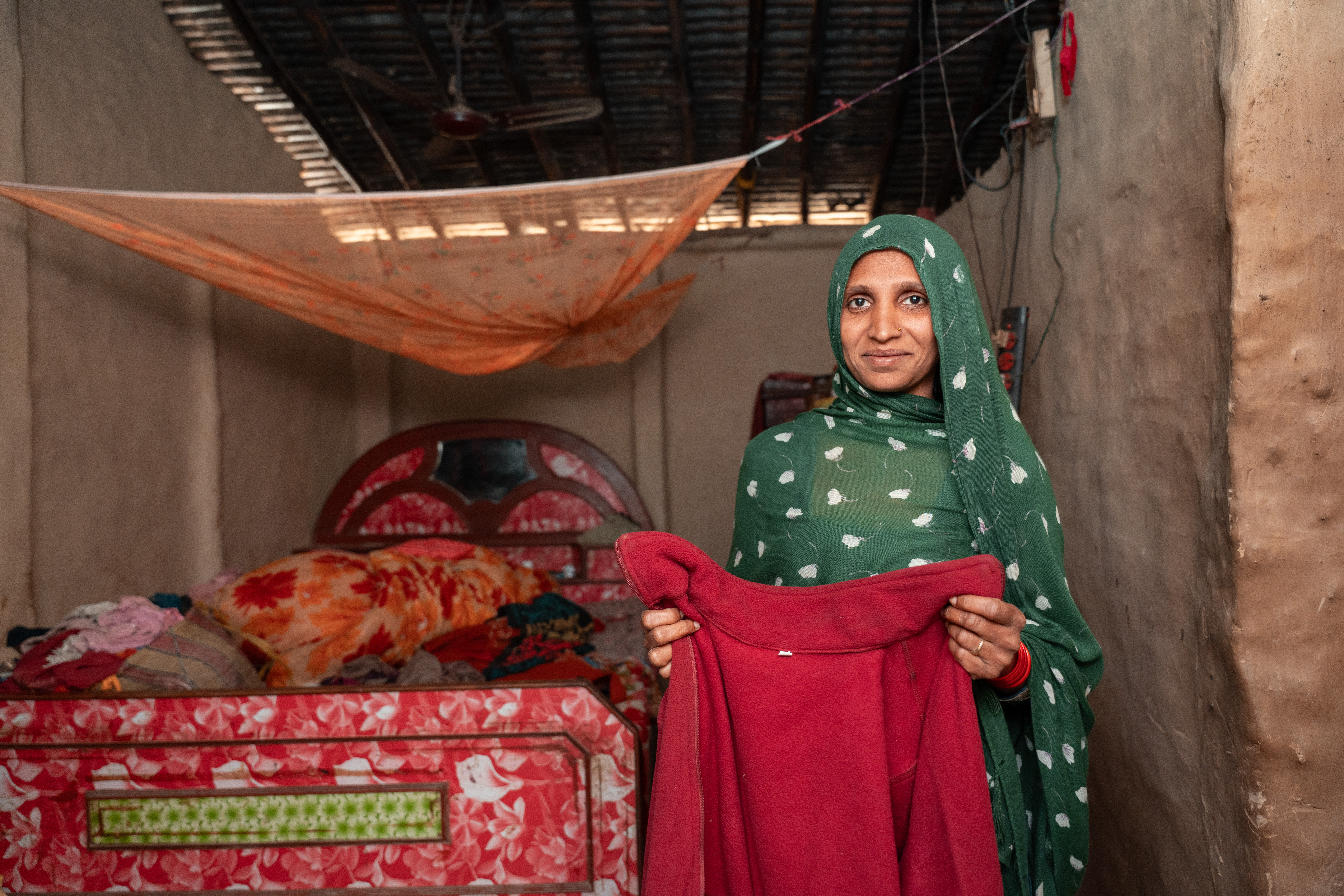
Through this project, Rina’s and Ishan’s families received winterisation kits that included warm fleece blankets, jackets, woollen caps, socks, shawls and a thick foam mattress. They also received food items such as rice, pulses, beans, eggs, sugar, salt and cooking oil. Furthermore, Rina was also supported with Super Flour as a part of nutrition top-up for families with pregnant and lactating women.
“The children love the super flour. They ask for it in the morning and evening. The jackets and woollen caps were perfect for them,” Rina says with relief.
For Ishan’s family, the support brought dignity and comfort that they had not felt in years.
“We will wash these clothes and blankets and keep them safe for next year’s cold wave,” he says.
In total, 1,072 households across Mahottari, Sarlahi and Rautahat received winter items, food supplies, Super Flour and environment‑friendly bio‑stoves. Furthermore, 214 Female Community Health Volunteers (FCHV) were mobilized to identify cold-related illness and referral in nearby health institutions, while 3 radio stations in the districts constantly disseminated messages on cold-related diseases and prevention awareness, reaching more than 56,000 people. Altogether, the project supported 6,155 people, including over 3,000 children and 122 people with disabilities.
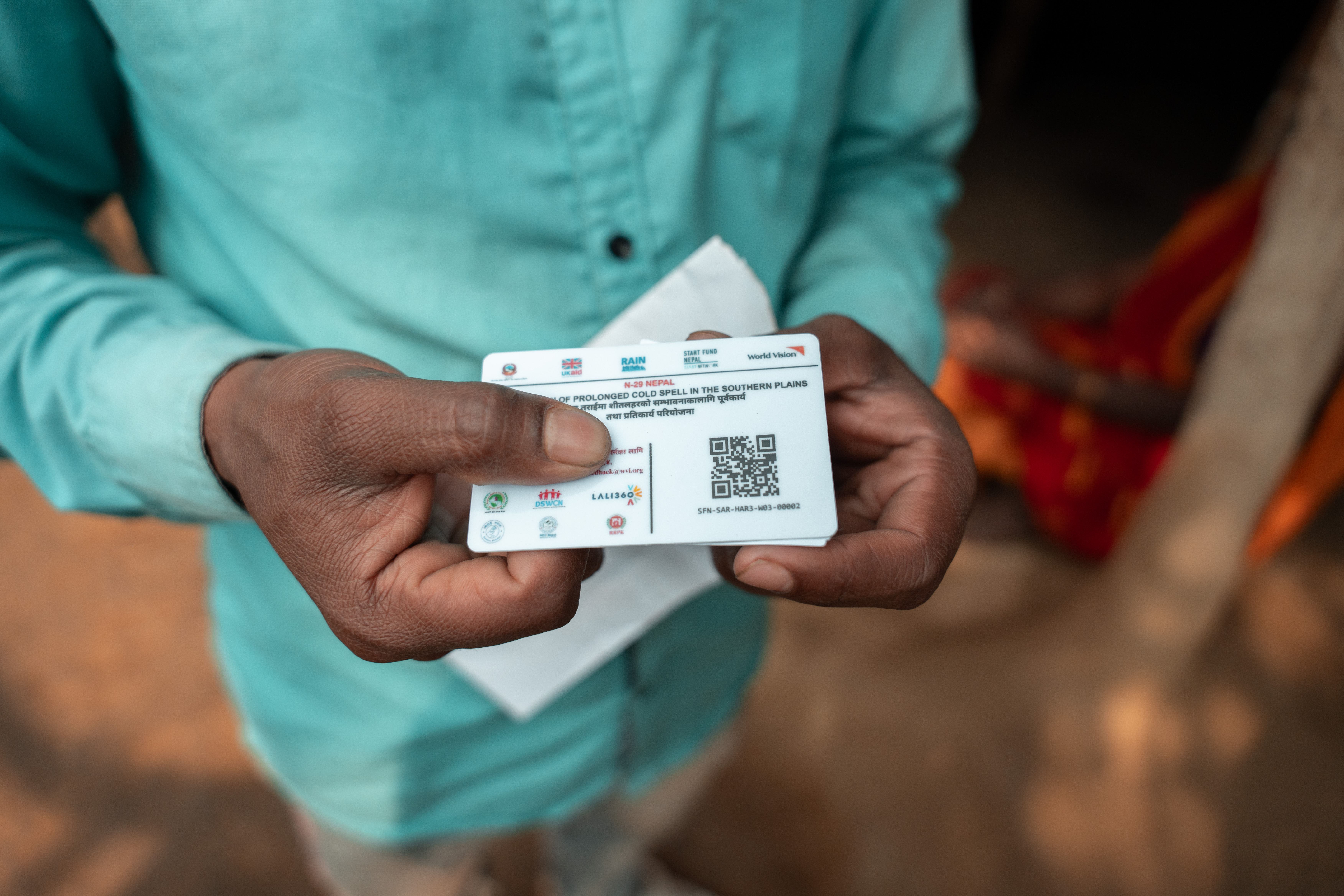
For families like Rina’s and Ishan’s, early action did more than provide warmth. It protected their children before harm arrived, restored their sense of security, and reminded them that even in the coldest months, hope can come early.