
Building something of our own – how a small-scale business support led to a new beginning

Satrudhan (41) carefully counts the day’s sales at his small shop. At home, his wife, Lalita (40), cares for their two children, Shivsankhar (15) and Kanchan (11). Their life today is peaceful, stable, and filled with hope, but it wasn’t always this way.
Just a few years ago, the family faced relentless challenges. Living in rural Mahottari, with limited educational opportunities and no income, Satrudhan worked as a daily wage labourer, hard work that brought little financial security. The family’s small plot of land, just one kattha (approximately 3,645 sq. feet), produced barely enough food for their own needs, leaving nothing to sell. Each day brought uncertainty about what tomorrow might hold.
Their eldest son, Shivsankhar, was born with a disability. While the government provided a disability card and a modest monthly allowance, it fell short of meeting his care needs. as their economic situation became increasingly difficult, Satrudhan faced tough decisions about his family's future.
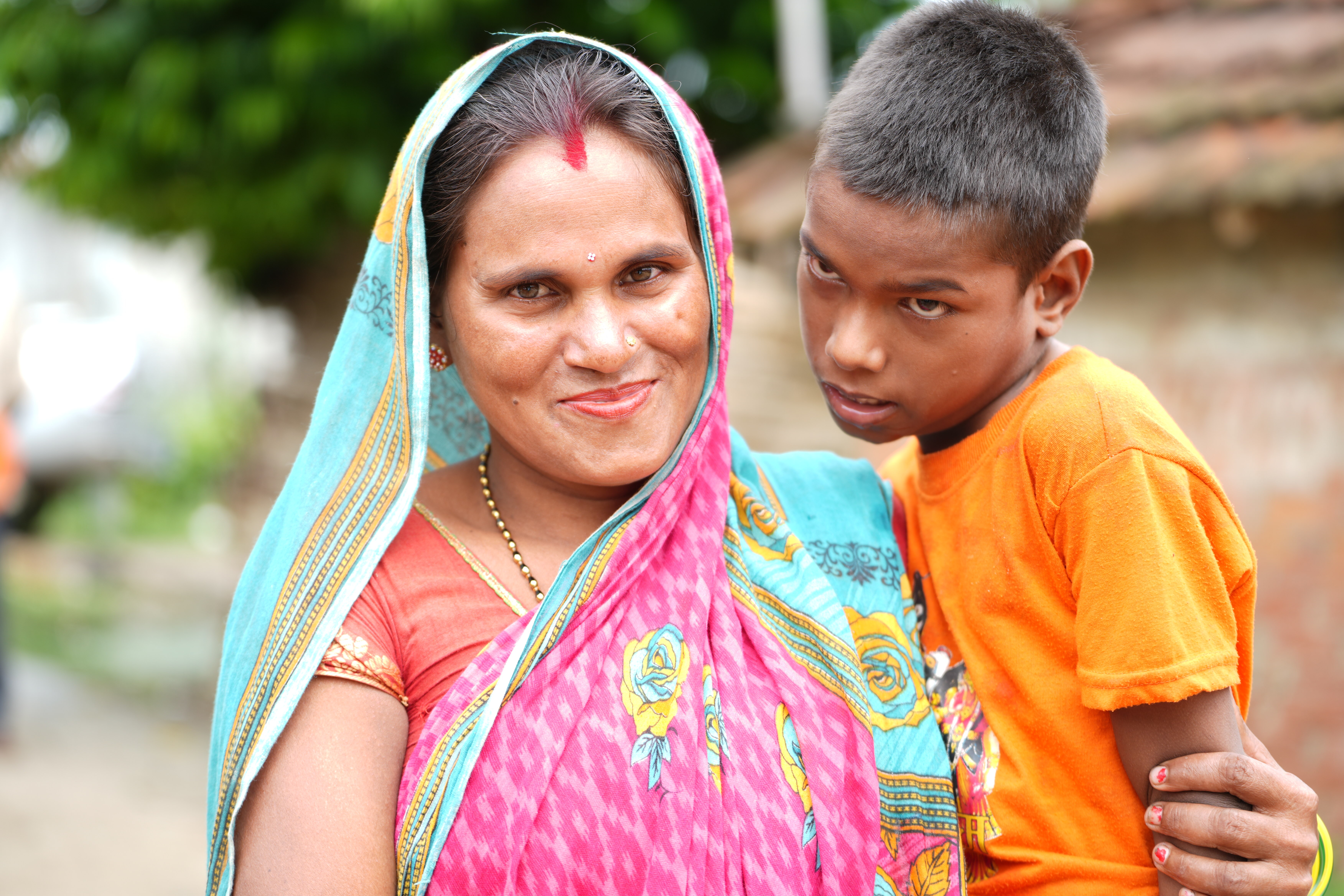
Driven by the need to provide for his family, Satrudhan began migrating to India for work in 1998. He found employment as a labourer in Delhi, spending up to five months away each year. The separation was painful, but he believed it was necessary to give his wife and children a better life. For nearly 15 years, between 1998 and 2012, he maintained this pattern of working long hours in a distant city and sending money home. Even after his children were born, the annual migrations continued, leaving Lalita to manage their household alone.
The financial strain took its toll on their younger son, Kanchan, who had to leave school. The family's limited income couldn't stretch to cover his educational expenses. Without consistent parental guidance and under constant economic pressure, Kanchan's studies came to a halt. Meanwhile, Shivsankhar's care needs meant Lalita remained at home full-time, while Satrudhan continued his seasonal migration for work. Their small home held much love, but the future felt uncertain.
In 2021, World Vision International Nepal (WVI Nepal) partnered with Dalit Society Welfare Committee Nepal to support vulnerable families in Mahottari. The Ultra Poor Graduation Programme was designed to help families build sustainable livelihoods, creating better futures for their children.

That year, Kanchan joined WVI Nepal's Sponsorship Programme as a Registered Child. His registration opened doors to support, and within eight months, the family was selected for livelihood assistance. Through this initiative, WVI Nepal provided 14 months of business support, including goods and materials worth approximately NPR 35,000–36,000 (about $250). For the first time, the family had a real opportunity to build their own enterprise.
“When I grow up, I want to become an army officer and protect my country,” Kanchan says proudly.
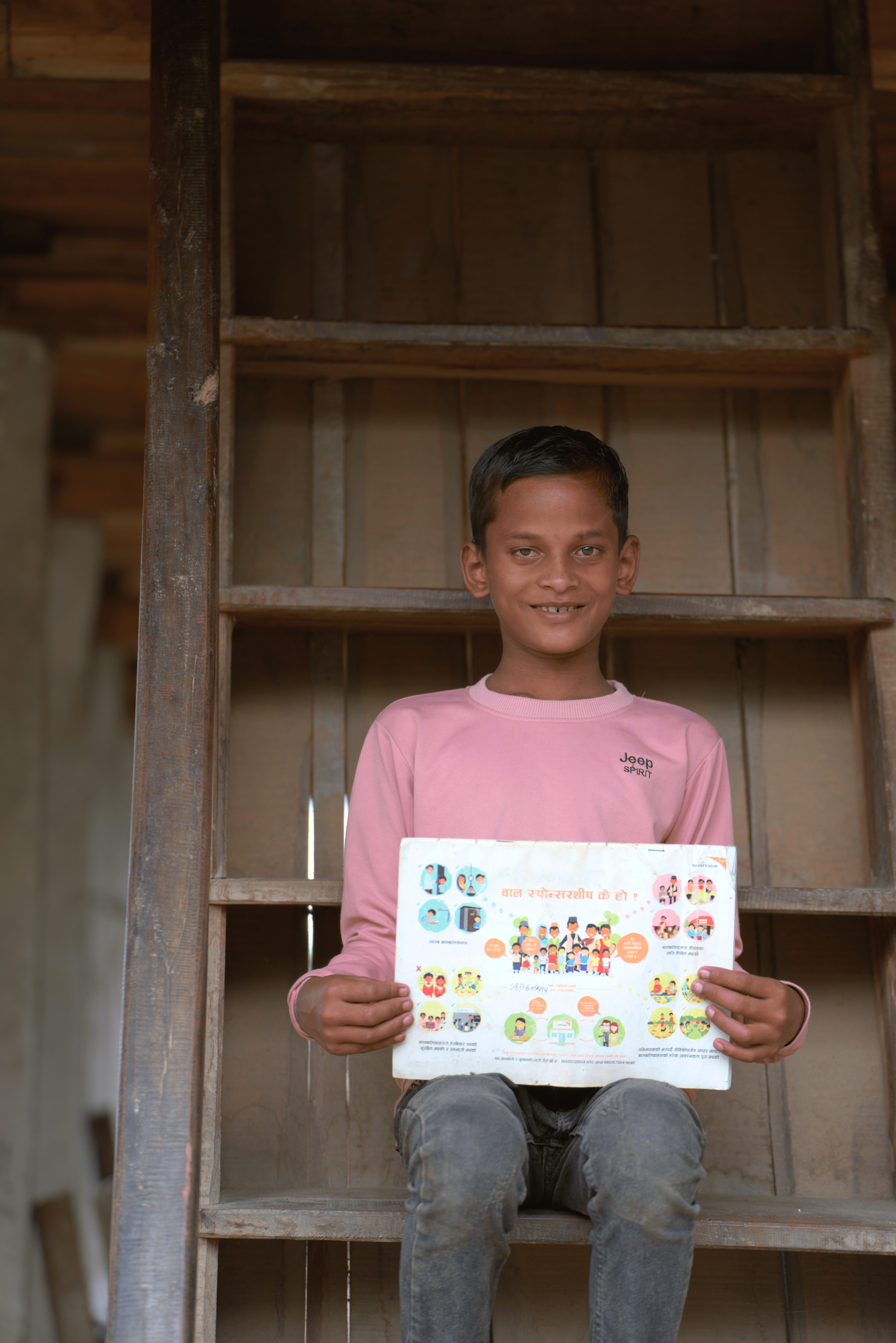
Satrudhan opened a small retail shop- kirana pasal, on Holi, the festival marking spring’s arrival and the triumph of good over evil. World Vision’s business support represented more than financial assistance; it offered hope and a fresh start for his family.
Initially, the shop had few shelves stocked with daily essentials. Gradually, customers began visiting more frequently. With 300 households in the village and only five shops, including his, the demand was steady. Cold drinks and daily groceries quickly became his best-selling items.

Through consistent effort, Satrudhan began earning around NPR 6,000–7,000 ($49) per month in profit. While modest, this steady income marked a significant shift from his earlier life of uncertainty and migration. For the first time in years, he could work close to home and be present for his family.
“My children struggled in their education and life because of my absence. Now that I can stay here and work, I am able to care for them and ensure my youngest receives an education”, Satrudhan reflected.
The business has brought meaningful changes. With his earnings, Satrudhan purchased a refrigerator for the shop and a two-wheeler for transportation and has begun constructing a new house for his family. His income now covers their daily needs and supports Kanchan's education; he's enrolled in a boarding school and currently studies in Grade 1.
Lalita has also experienced positive changes. After receiving business training, she now co-manages their household finances and business operation with her husband. Her confidence has grown alongside their income.
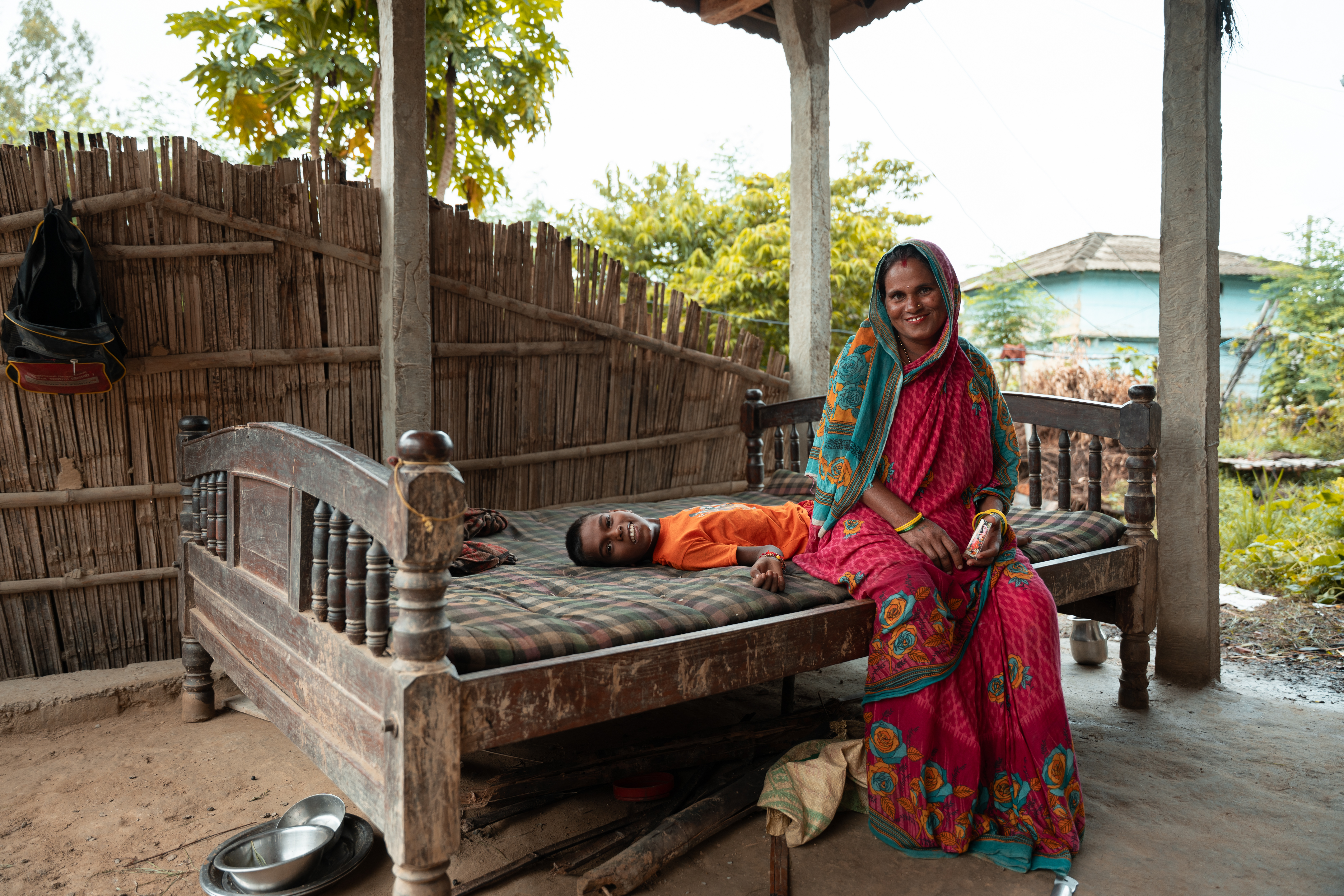
Today, the family’s circumstances have been meaningfully transformed. The shop provides a steady income, the children are continuing their education, and the household looks toward the future with optimism. For Shivsankhar, Satrudhan has opened a savings account—a thoughtful step towards ensuring financial security for his future care. This action reflects not only love but also the wisdom gained through years of perseverance.
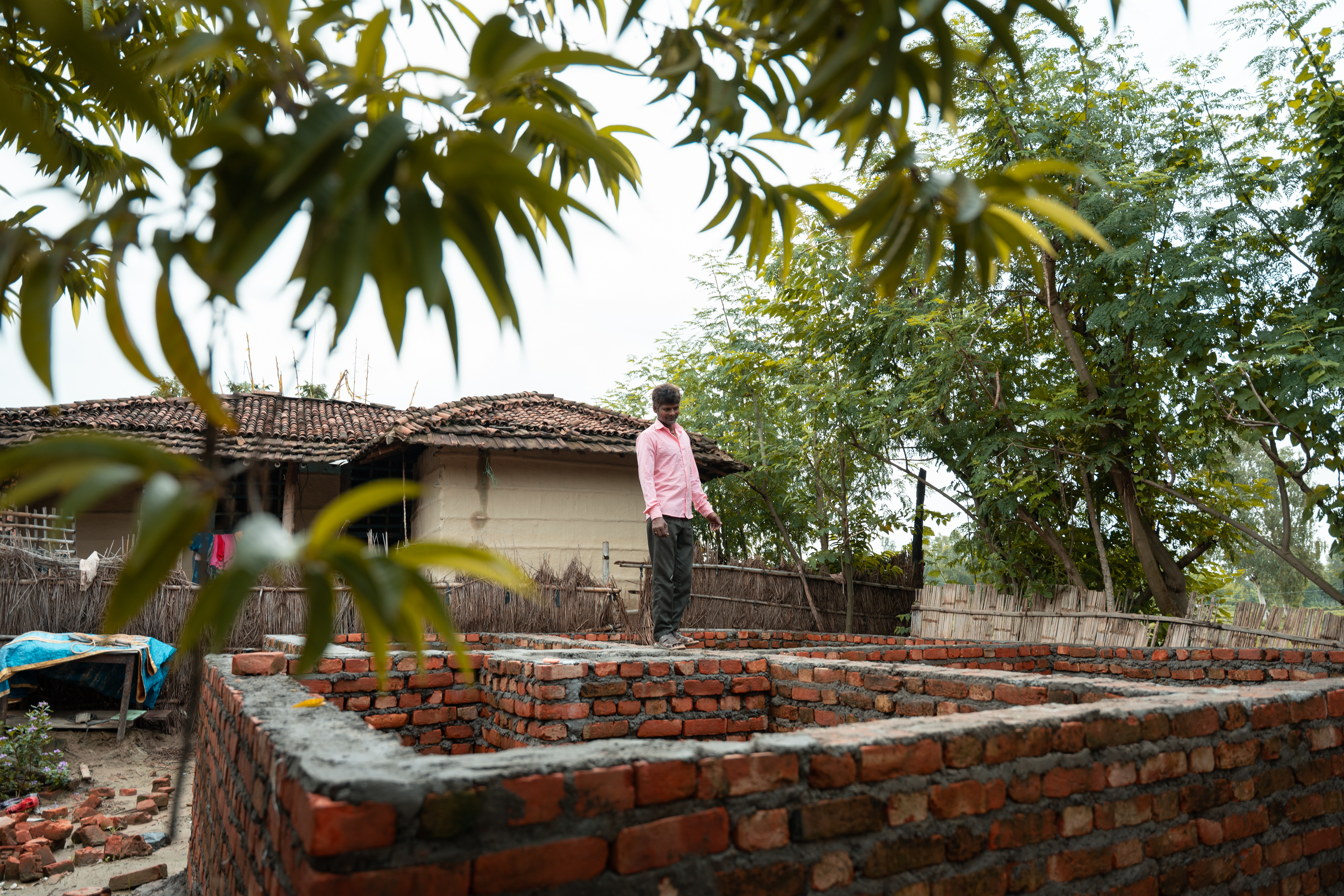
Satrudhan’s journey demonstrates how targeted support can catalyse meaningful change. Despite facing significant challenges, his family remained resilient. Theirs is a story of transformation, perseverance, and hope.
Through the Ultra-Poor Graduation Programme, 13,018 people in WVI Nepal’s working areas have begun a transformative journey out of poverty and improving children’s access to nutritious food, healthcare, education, and overall well-being.
About the Ultra-poor Graduation Model
The Ultra-Poor Graduation (UPG) model provides extremely poor households with a pathway out of poverty by building resilience and sustainable livelihoods. It combines four core components:
- Social protection to meet basic needs and access health and education;
- Livelihood promotion through asset transfers, skills training, and market linkages;
- Financial inclusion via savings groups, banking, credit, and insurance; and
- Social empowerment through life skills, coaching, and community integration.
Together, these interventions help families regain dignity, improve children’s health and education, and actively participate in the local economy and society.

Written by: Michael D.C/World Vision International Nepal