
A Mother's Determination: How Tara Devi Is Building a Better Future for Her Children

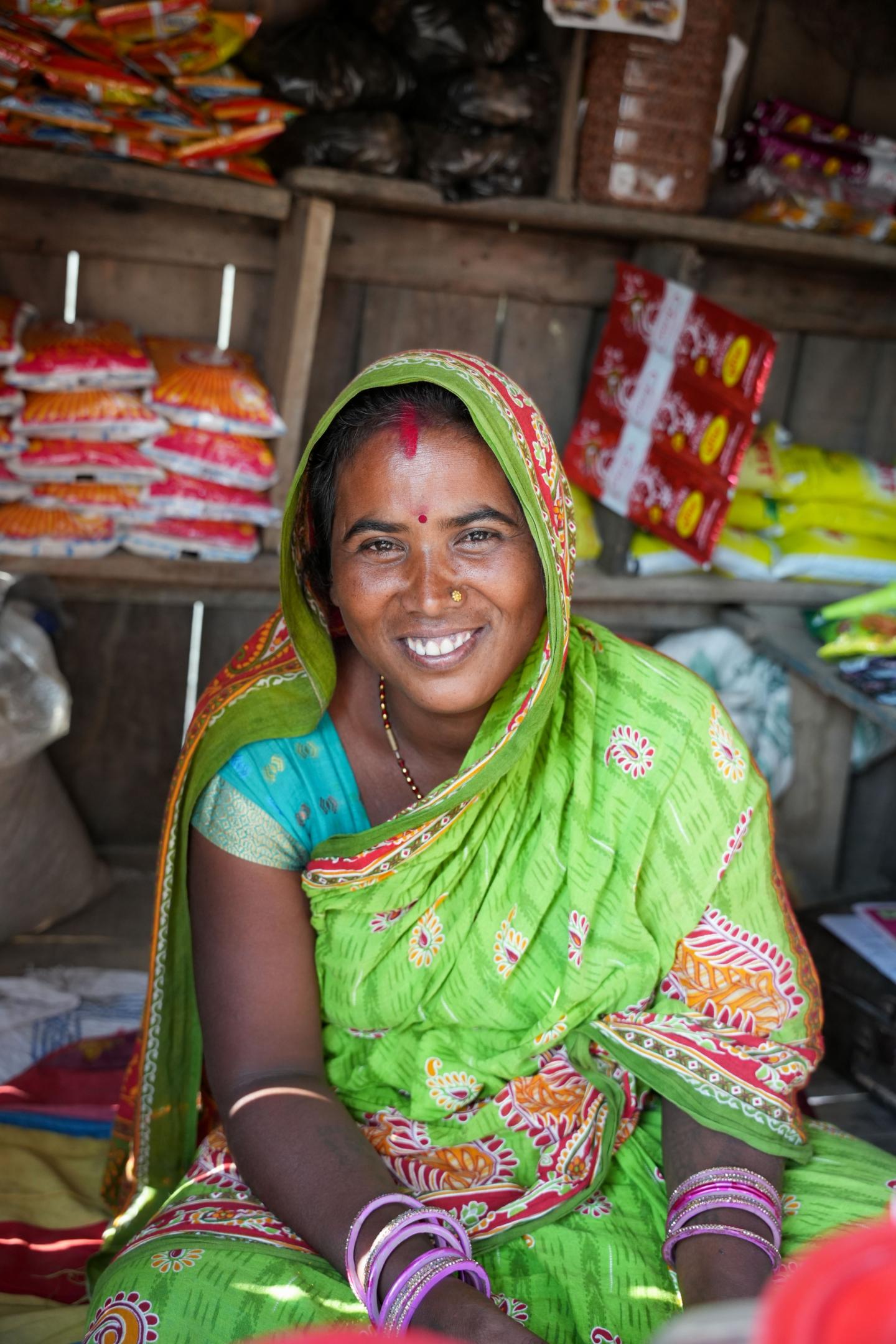
The fear of not being able to provide for her children's future weighed heavily on Tara Devi for years. With an uncertain income and growing responsibilities, every day felt like a struggle.
Yet today, hope has replaced much of that uncertainty.
In Jingadiya Tole of Garuda Municipality, Rautahat, 35-year-old Tara Devi starts her day with a purpose that goes beyond earning an income. Every effort she makes is driven by one dream: ensuring that her children have opportunities she never had.
Tara Devi lives with her husband and her three children; two sons and a daughter. Her husband works as a driver earning a modest income. For years, the family struggled to make ends meet. While her husband earned a modest income, Tara took on irregular agricultural labor whenever work was available. This left her with little control over her earnings and limited opportunities to improve her family’s circumstances.
The uncertainty made life difficult.
"Some days I could find work, and some days I couldn't," Tara recalls. "It was hard to provide for the family and think about the future."
Despite these challenges, one thing remained non-negotiable for her: her children's education. No matter how difficult the situation became, Tara was determined to keep all three children in school.
Coming from a vulnerable community and also being the primary caregiver of her family, Tara understood that creating a more secure future would require a stable source of income. However, without capital, business skills, or opportunities, that future often felt beyond reach.
Before joining the project, Tara's household participated in an individual assessment conducted in vulnerable school catchment areas targeted by the Sikai+ Project. The assessment examined household income, socio-economic circumstances, vulnerabilities, and family needs. As a low-income household with school-aged children and limited economic opportunities, Tara's family was identified as a priority for support. Based on the findings, the family was enrolled in the project and linked to livelihood and financial inclusion interventions targeted to their needs, existing capacities, and local market opportunities.
For Tara, this marked a turning point. Through the Saraswati Savings for Education (S4E) Group under the Sikai+ Project, funded through the Australian NGO Cooperation Program (ANCP) and implemented by World Vision International Nepal in partnership with Rastriya Rojgar Prawardhan Kendra (RRPK), she began saving regularly and gained practical knowledge on financial management, savings practices, and the importance of investing in her children's education.
As her confidence and financial skills grew, so did her vision for a more stable future for her family. Recognizing her commitment and potential, under the livelihood support through the Sikai+ Project, Tara was provided grocery shop materials worth NPR 31,778, helping her establish a small shop in her own community.
Reflecting on the journey, Tara says:
"It hasn't been long since I started, but now I earn around 1,500 to 1,600 rupees a day. This is something I never imagined before."
Her business has grown steadily through dedication, hard work, and careful management. According to Tara, the value of her business has increased from NPR 31,778 to NPR 50,341, demonstrating the sustainability and growth potential of the enterprise. Today, Tara's shop opens at 6:00 a.m. and remains open until 9:00 p.m., serving approximately 100 households in her community. As the only local shop in the area, it has become an important source of everyday necessities for families while providing Tara with a reliable source of income.
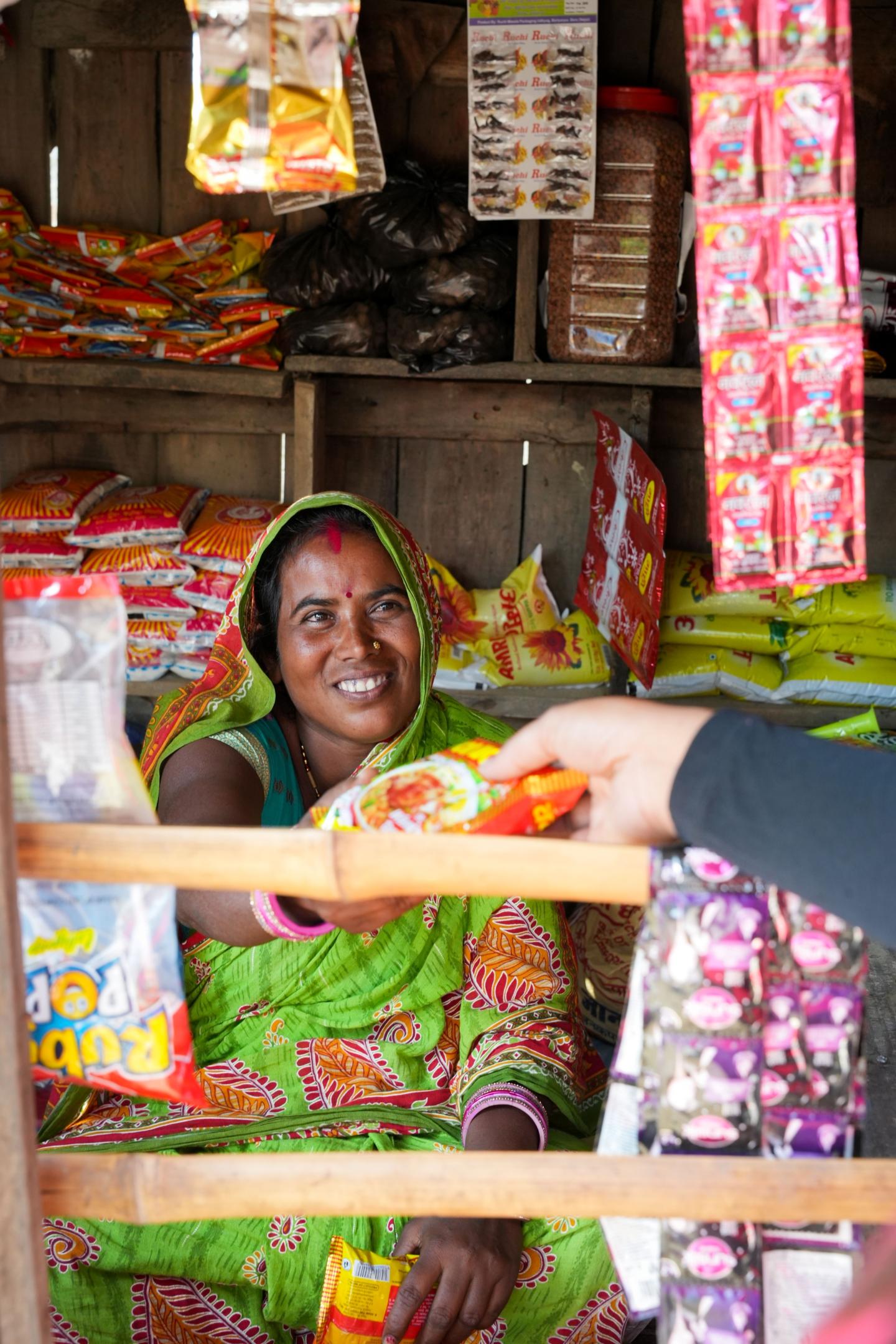
The most meaningful changes, however, extend far beyond income.
With greater financial stability, Tara can better support her children's education and household needs. The constant uncertainty that once shaped family life has begun to ease, replaced by a growing sense of confidence and possibility.
"I want my children to study more, achieve more, and have better opportunities than we did," she says. The shop has also become a space for shared learning within the family. Tara’s children help her manage basic finances and maintain records, gaining practical skills in financial literacy. While her husband supports the business when needed, Tara remains the primary decision-maker and manager of the shop.
“He supports me, but I run the shop on my own,” Tara says. “This is my responsibility, and I feel proud of it.” Her husband, Jay Mangal has also seen the difference the business has made in their household. “Our financial situation has improved a lot since the shop started,” he shares. “The business has helped us support our children’s needs and given our family greater security.”
Today, Tara is more than a shop owner. She is an entrepreneur, a provider, and a role model for her children, her family and her community. Tara is an example of how targeted livelihood support, combined with financial literacy, savings practices, and personal determination, can create lasting change for children, women and their families.
With plans to expand her product range, strengthen connections with local suppliers, and continue growing her business, Tara is steadily building the future she once dreamed of, one where her children can remain in school, pursue their ambitions, and access opportunities beyond poverty.
“I want to add more items that people need. I am learning what sells more and making connections with markets and dealers nearby,” she explains. For Tara, every item sold in her shop is another step toward the future she wants for her children: a future shaped by education, stability, opportunity, and dignity.
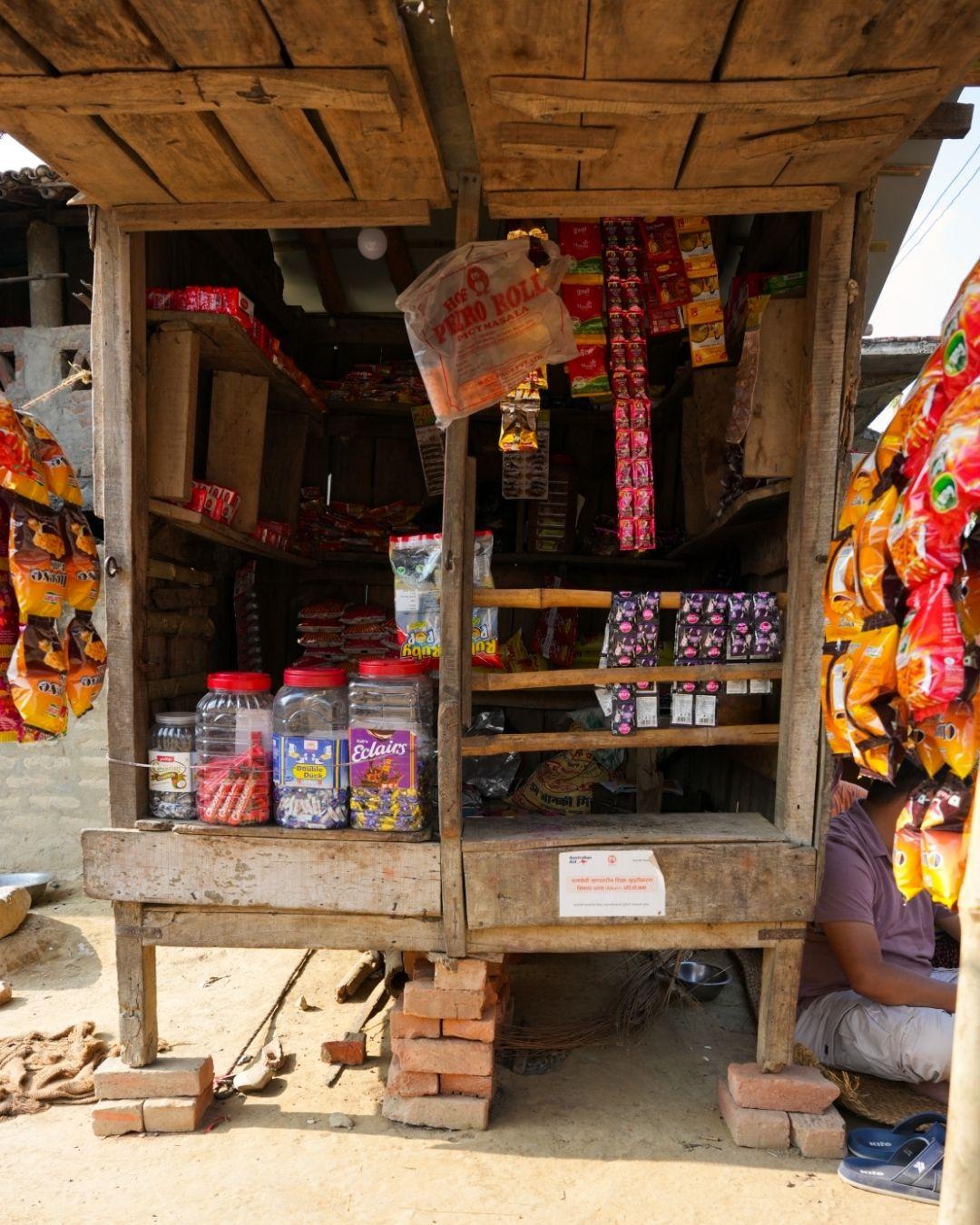
Tara’s story among many others reflects the wider impact Sikai+ has been able to make in the lives of children and families. Across Garuda and Madhav Narayan Municipalities of Rautahat, and Chandranagar and Brahmapuri Rural Municipalities of Sarlahi, 161 marginalised households like Tara’s have received support to start and strengthen small businesses. These Women’s Economic Empowerment (WEE) interventions are helping families build sustainable livelihoods, increase household income, and invest in their children’s education.
Through women like Tara, the project is empowering women, strengthening families, and investing in children’s futures.