
Not Every Hero is on the Frontline

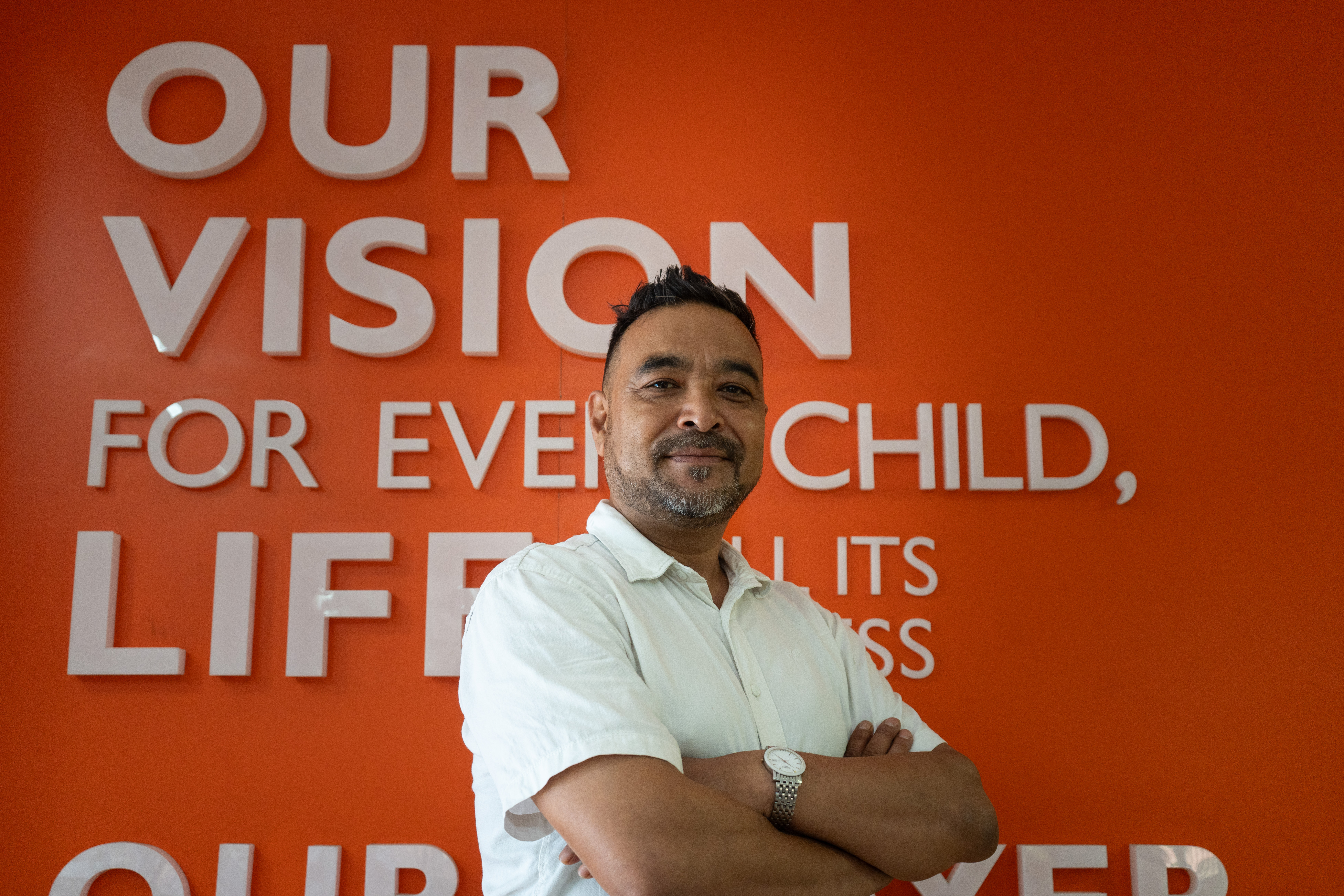
Vijaya K. Kachhapati | Admin Specialist | National Office
"To me, being a humanitarian isn't about being on the frontline. It's about showing up for people in their hardest moments, in whatever way I am able to."
When people think of humanitarian response, they often picture frontline workers delivering aid directly to communities. For Vijaya K. Kachhapati, however, some of the most critical work happens behind the scenes. As an Admin Specialist, he helps provide the operational support that enables humanitarian teams to respond effectively when emergencies strike.
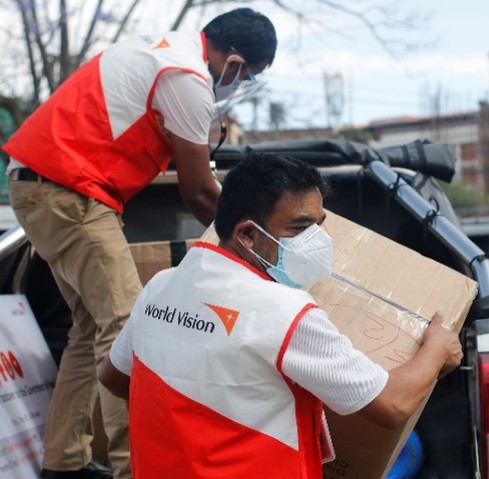
From managing vehicle fleets and coordinating travel logistics to securing office space and solving day-to-day operational challenges, Vijaya's role ensures that staff, supplies, and resources can reach affected communities safely and on time. He also supports visits by donors, technical experts, and organisational leaders, helping maintain the partnerships and credibility that sustain humanitarian work. "Together, these functions mean programme teams can focus fully on serving affected communities rather than operational obstacles," he explains.
An Idea That Became a Lifeline
Among the many experiences in his humanitarian journey, one moment during Nepal's second wave of COVID-19 remains especially vivid. As the Delta variant spread rapidly across the country, hospitals struggled to cope with the growing number of patients. Oxygen shortages became a national crisis. Long queues formed outside refill stations, and families desperately searched for ways to keep their loved ones alive.
In the midst of the crisis, an email from the National Director landed in the inbox of the Supply Chain and Admin team with a simple but urgent question: could they buy oxygen cylinders? Vijaya remembers feeling both urgency and helplessness. Then a different way of thinking emerged. Instead of focusing only on filling cylinders, what if they procured the cylinders themselves? A cylinder could be refilled again and again. Providing empty cylinders to hospitals and government health authorities would create a resource that could continue saving lives long after its first use. What started as a procurement challenge suddenly became something much bigger.
"This wasn't just a procurement request anymore," Vijaya recalls. "It was a multiplier for survival."
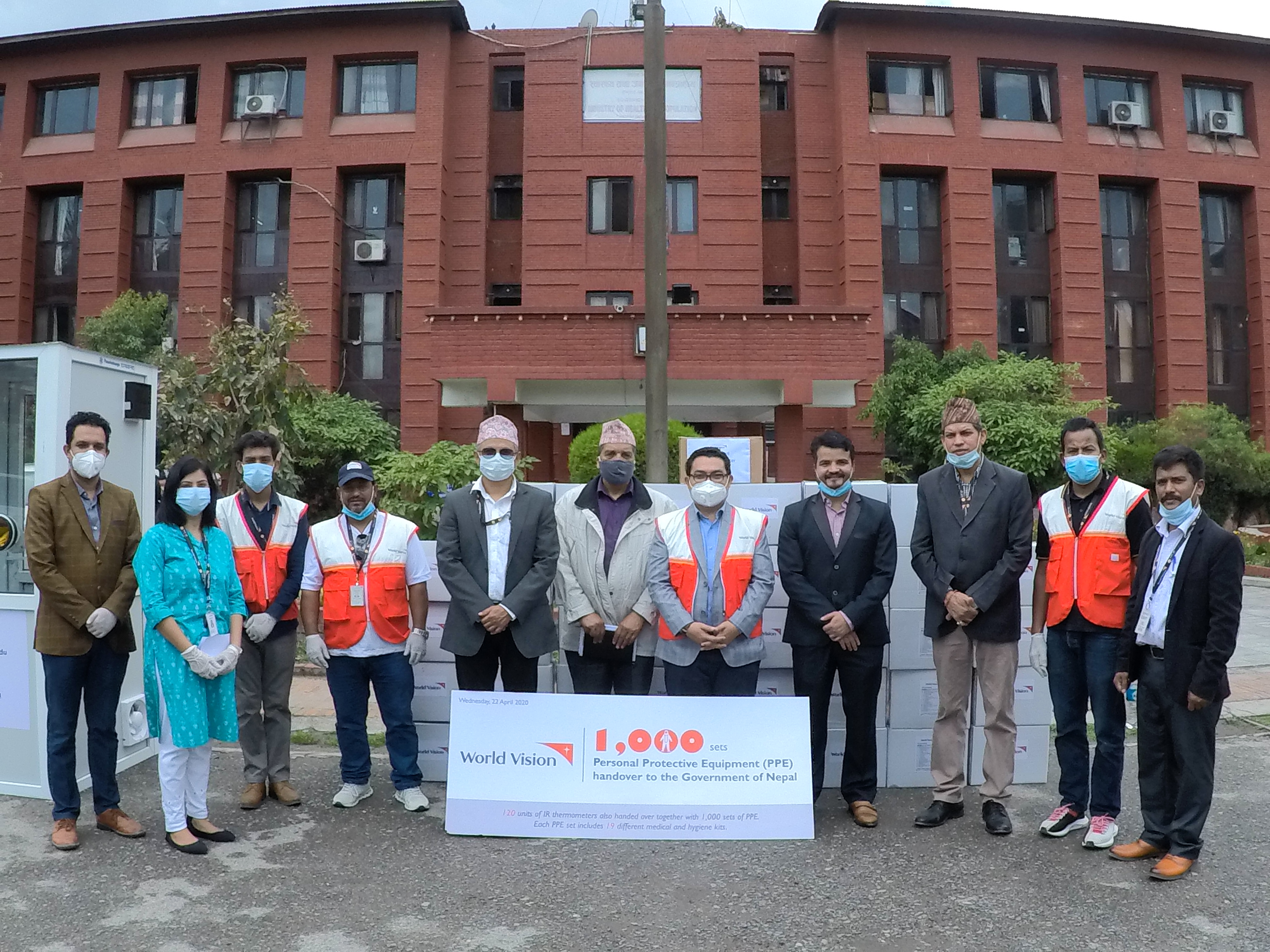
From that point, the work moved quickly. Together with colleagues, he helped identify reliable suppliers in a market where demand had far exceeded supply. The Supply Chain team collaborated closely with the response team to map oxygen refilling stations and plants across Nepal and prioritise locations where needs were greatest. Within the first 30 days of the response, medical equipment, including 1,433 oxygen cylinders, was handed over to government authorities at the federal, provincial, and district levels. For Vijaya, the achievement was deeply meaningful. "I felt a quiet sense of pride," he says. "Our work, which is often invisible and administrative, had translated into something as tangible as someone's next breath."
Balancing Duty and Fear
While the response was rewarding, it also brought significant challenges. The pandemic transformed even routine logistics into complex operations. Movement restrictions, checkpoints, changing regulations, and limited transport options made it difficult to move supplies where they were needed. Tasks that would normally take hours sometimes required days of coordination. Unlike many office-based roles, his responsibilities often required him to be physically present. Meeting vendors, verifying supplies, and coordinating transportation meant entering environments where the risk of exposure to COVID-19 was very real.
Yet the greatest fear was not for himself. "Every day, after being in markets, meetings, and vehicles with drivers and vendors, I worried that I might unknowingly bring the virus home to my family," he reflects. The tension between supporting the response and protecting loved ones was one of the most difficult parts of the experience. Even so, he remained committed because he knew the urgency of the work could not wait.
Making the Response Possible
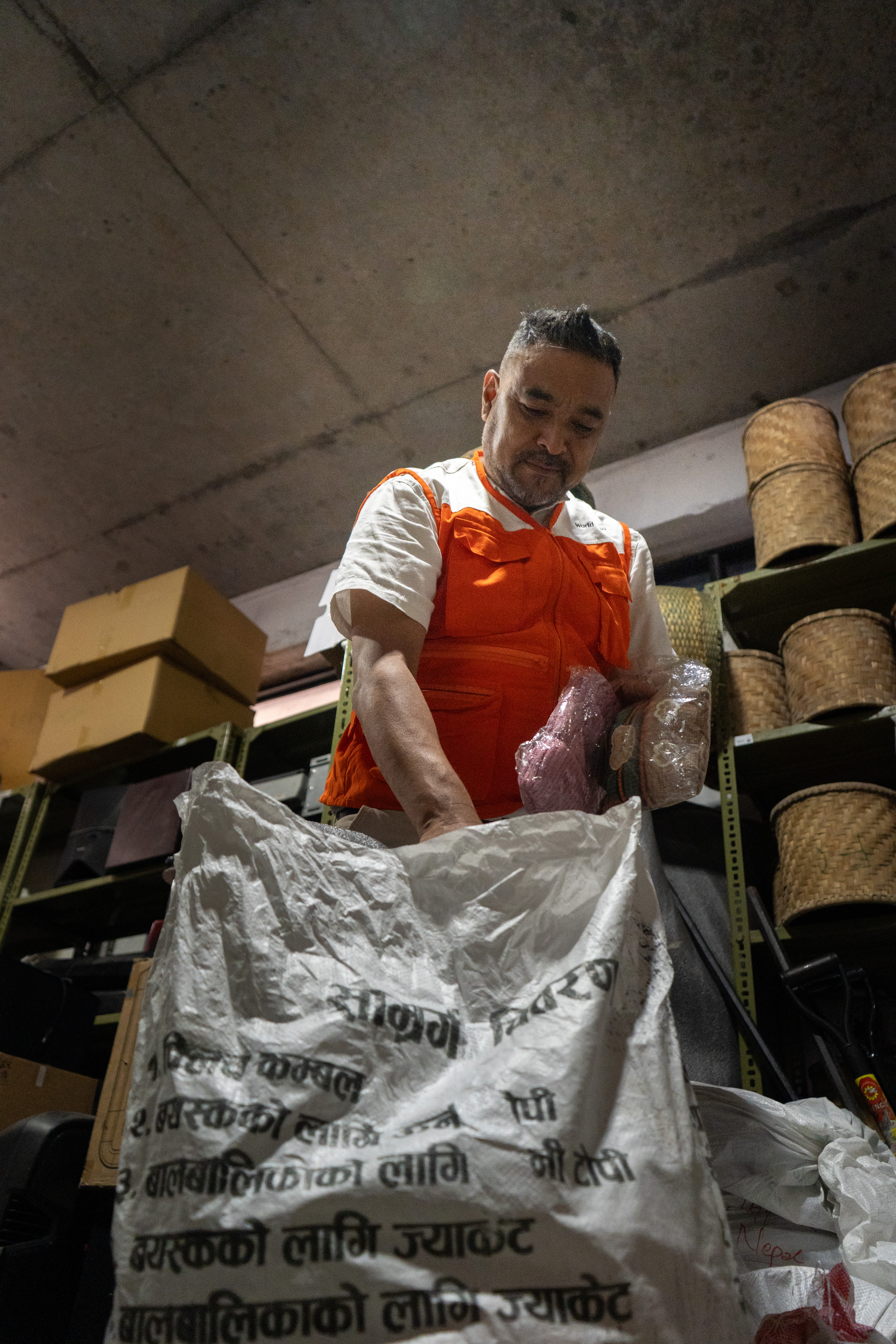
Vijaya believes that administration and logistics are often misunderstood during emergencies. His role was not about treating patients or standing beside hospital beds. Instead, it was about ensuring that those providing lifesaving services had the resources they needed: vehicles, suppliers, permits, transportation, and operational support. The successful procurement and distribution of oxygen cylinders demonstrated how vital this work can be. Behind every delivery were countless logistical tasks, from sourcing suppliers and arranging transport to processing requisitions and coordinating distributions.
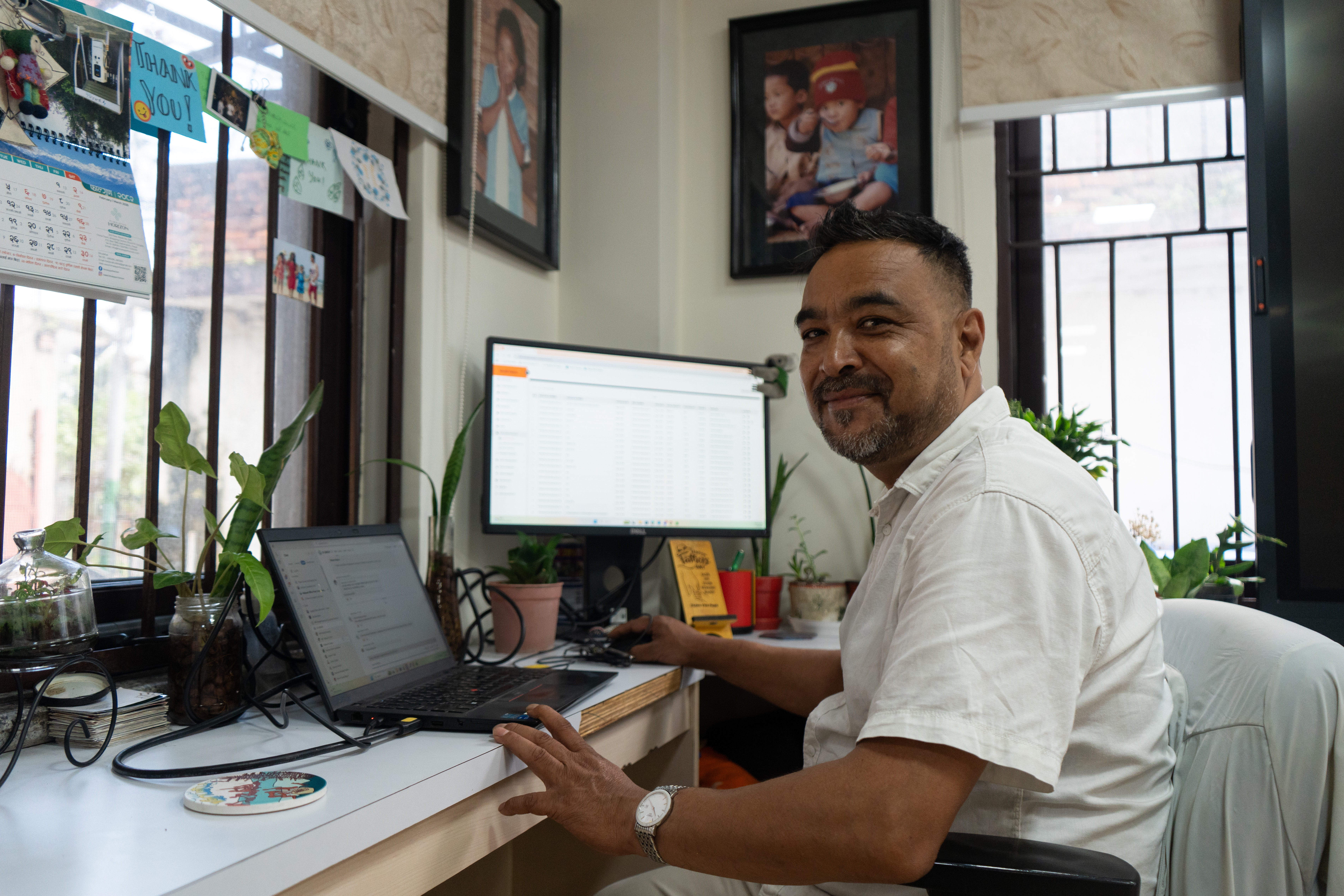
"People don't see this layer of work," he says, "but without it, nothing visible happens."
A Different Kind of Impact
Another moment that left a lasting impression on Vijaya came during the COVID-19 response, when lockdowns and market restrictions created an unexpected challenge for girls in registered communities: access to sanitary pads. It was not a crisis that attracted public attention, but it affected the dignity and daily lives of thousands of girls.
Working alongside colleagues from the Sponsorship Department and the Singapore Support Office, Vijaya helped coordinate the procurement and delivery of sanitary pads to Nepal. The initiative ultimately provided a year's supply of sanitary pads to 11,261 girls, with additional supplies distributed to three schools. For him, the experience reinforced an important lesson. "It was a small, quiet intervention in the middle of a massive pandemic response," he says. "It reminded me that humanitarian response isn't only about saving lives in dramatic, visible ways. Sometimes it's about making sure a girl doesn't have to choose between her dignity and a lockdown."
Finding Purpose in Service
Over the years, whether supporting responses to the 2015 Nepal earthquake or helping coordinate critical medical supplies during the COVID-19 pandemic, Vijaya has seen firsthand how behind-the-scenes work can make a real difference. What keeps him motivated is knowing that persistence, coordination, and problem-solving can help ensure assistance reaches people when they need it most.
"Humanitarian work is difficult and often thankless," he says, "but being part of something bigger than myself and seeing tangible outcomes is what keeps me motivated to continue."
To Vijaya, being a humanitarian is not about recognition or visibility. It is about showing up for people during their hardest moments, regardless of the role you play. "Humanitarian work happens in layers, and every layer matters," he reflects. "It is less about title and more about responsibility, using whatever role I am in, however unseen, to make someone else's crisis a little more survivable."