
Storytelling Beyond the Headlines

BINOD THAPA MAGAR | COMMUNICATIONS SPECIALIST | WORLD VISION INTERNATIONAL NEPAL - NATIONAL oFFICE
Humanitarian work is often associated with those delivering aid on the frontlines. Yet behind every response are others helping ensure the world sees, understands, and responds to the needs of affected communities. For Binod, that responsibility begins with storytelling.
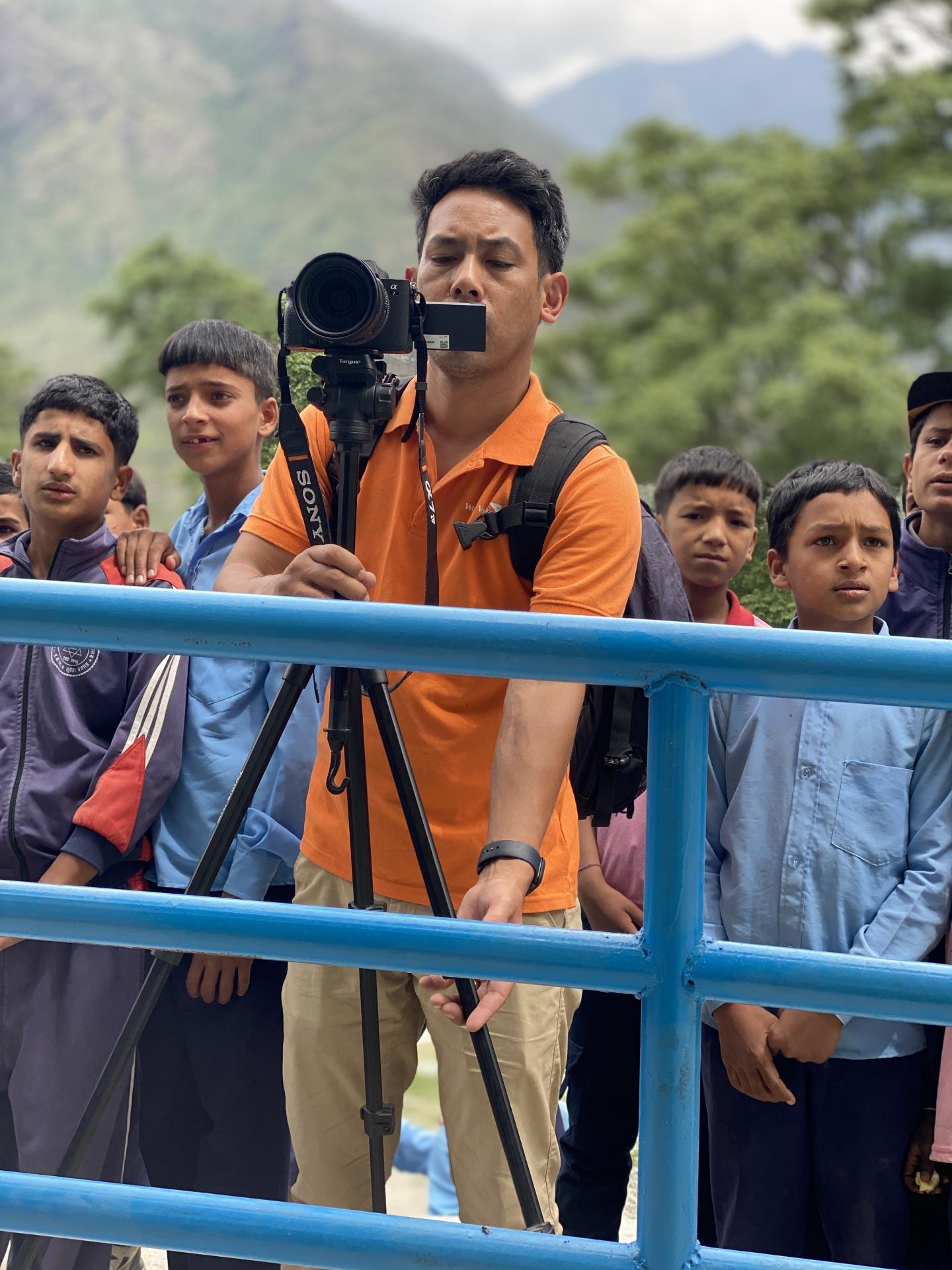
Working as a Communications Specialist at World Vision International Nepal, Binod Thapa Magar has documented countless stories of resilience, loss, and hope. YYet he believes that some of the most meaningful stories cannot be found only in reports or carefully prepared interview questions. They also emerge in everyday conversations, often through the smallest details that reveal what a crisis truly means to the people living through it.
Among the many stories Binod has collected over the years, one conversation from Jajarkot still stays with him. It was with a young girl named Nirusha. Not because her story was the saddest one he had heard. Not because it generated the most support. Simply because of an answer she gave during a conversation in Jajarkot.
Binod had travelled to Jajarkot in 2023 to gather stories and images as it was a new Area Programme. But the day after he arrived, the earthquake hit.
When the earthquake hit, communications work quickly took a back seat. That night, he wasn't thinking about photos or stories. He remembers helping move injured people to hospitals, clearing debris and trying to support however he could. Looking back now, he wonders about one thing.
"I forgot to take photos."
For a communications professional, it sounds almost absurd.
"I was right there," he says. "Even if I didn't have my camera, I could have taken photos on my phone. But it didn't even occur to me. At the time, my focus was entirely on helping move people to safety and supporting those around me, not on documenting what was happening."
Only later, when he was uploading materials and looking back on the response, did he realise how much had happened that he hadn't documented.
The next day, when the dust had started to settle, he began doing what he had originally come there to do, listening to people and collecting photos and stories.
That was when he met Nirusha.
She and her family were staying in a temporary shelter. Calling it a shelter almost feels generous. It was an A -shaped shelter made with a sheet of tarpaulin stretched over bamboo poles. It was just enough to keep a family out of the open.
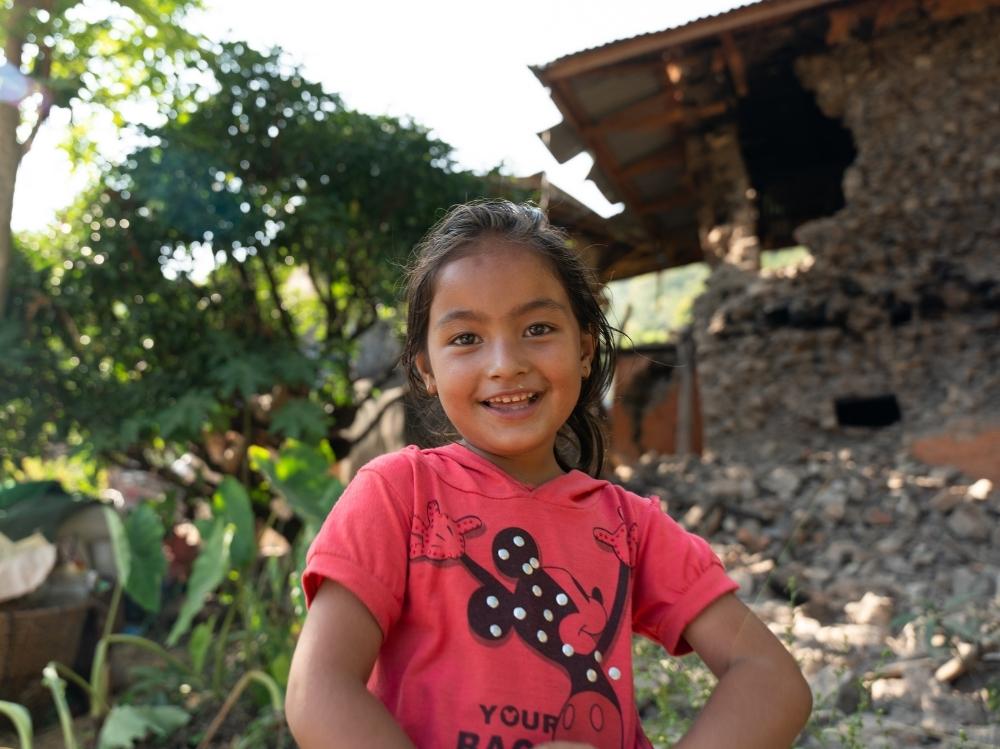
While talking to her, Binod asked where she was sleeping these days. Nirusha pointed towards the structure. He then asked what she called it.
"House," she replied.
For a moment, he was caught off guard.
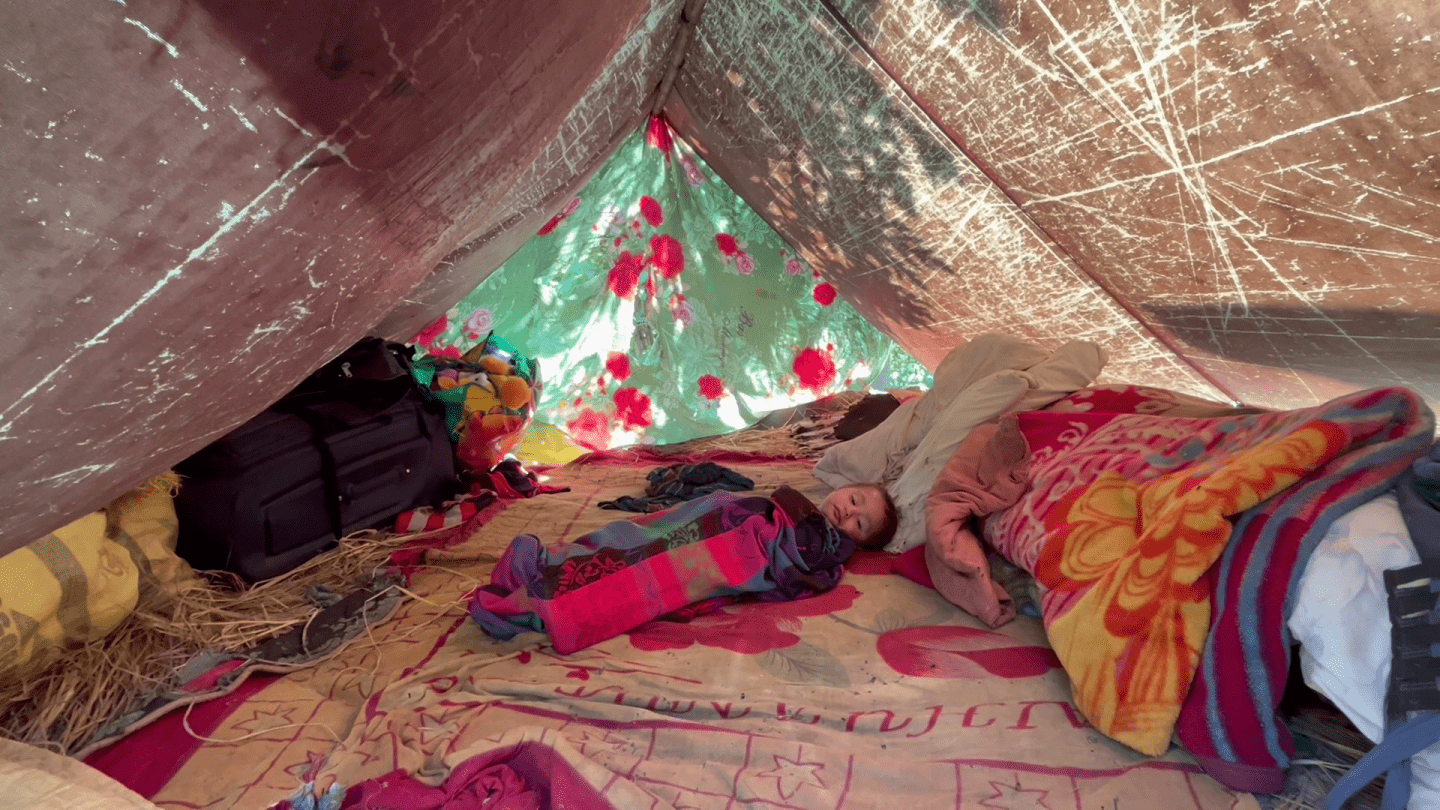
There was no hesitation in her voice. No sign that she was comparing it with the home she had lost. To her, it was simply a house.
"Children are like that," Binod says. "Adults think about rebuilding, money, what will happen next. Children don't always think that way. They just see things as they are."
A single word, spoken so casually, carried the reality of what she and many others were living through. Moments like these, Binod says, stay with him long after an assignment ends. They remind him of the resilience people carry, but they also humble him.
"They teach you something," he reflects. "They humble you and motivate you to keep doing this work."
And perhaps that is what humanitarian storytelling means to him. Not finding the perfect photograph or asking the perfect question but being present enough to recognise the stories people are already telling.
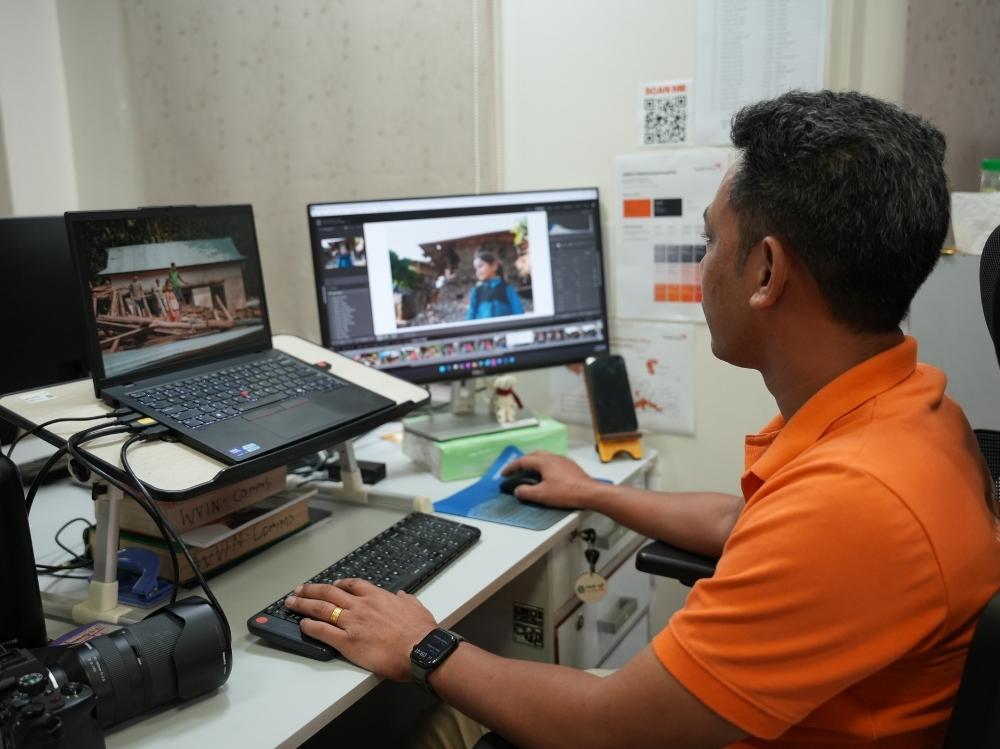
The same instinct is what guides his storytelling today.
Not every story stays with Binod because of what was said. Some stay because of what wasn't.
During a flood response in Sindhuli, he had gone to meet a registered child (RC), a young girl whose family had been affected by the disaster. As he usually does, he spent some time talking to her first, trying to make her feel comfortable before beginning the interview.
Then he asked a simple question.
"What were you doing when the flood came?"
Before she could answer, she started crying. The conversation stopped there. For Binod, it was one of those moments that make humanitarian storytelling difficult.
"You realize the story is important," he says. "But at the same time, you don't want to make someone relive something painful just because you're there to collect a story."
Later that day, he visited another family and met another young girl named Geeta.
Like many children affected by the floods, Geeta talked about the damage to her home. She showed an area filled with sand saying that it used to be a large ground with grass where they played. “We used to love swinging with the help of the prop roots of these trees nearby. Now, the sand has covered half of the tree, and we can no longer swing from the trees”, she says, pointing towards a large banyan tree.
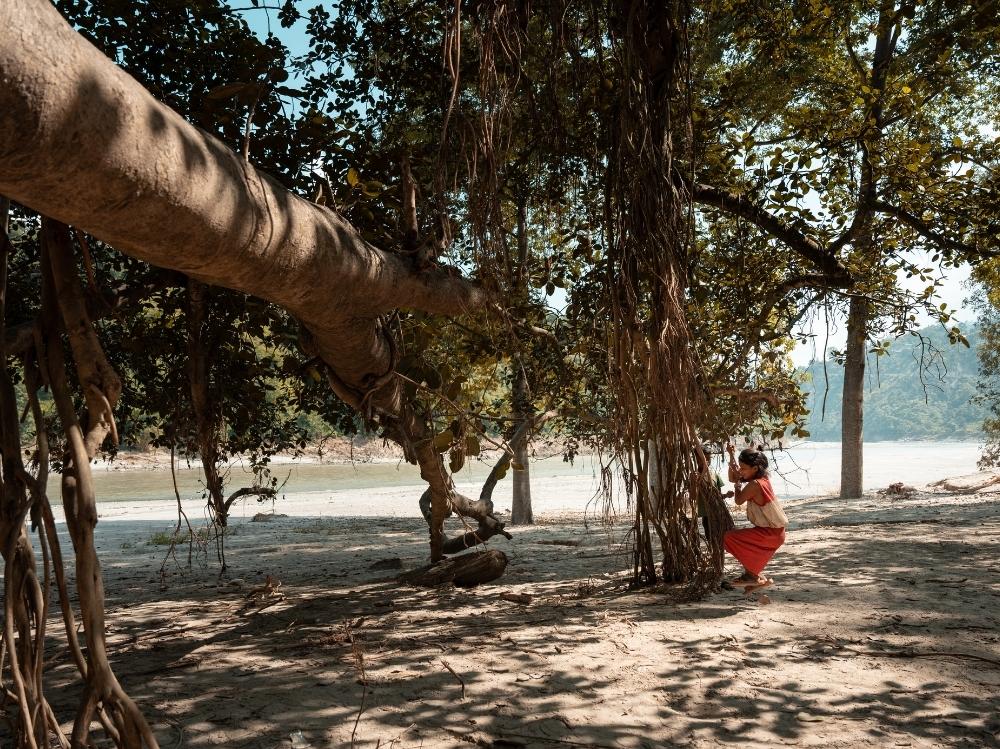
That detail stayed with Binod.
Not because it was dramatic.
Not because it was something he had gone there looking for.
But because it helped him understand what the flood had really taken away.
It wasn't only about damaged houses or lost belongings. For Geeta, it was also about a place where she played. A place where she made memories. A piece of childhood.
"Usually I don't prepare too many questions," Binod says. "I like to let people talk. The story often unfolds while you're sitting with them."
That's what happened with Geeta. The flood may have brought down walls and buried land under sand. But somewhere in that conversation, Binod discovered another story altogether. One about a little girl who could no longer swing from her favourite tree. And sometimes, he believes, those are the stories people remember the most.
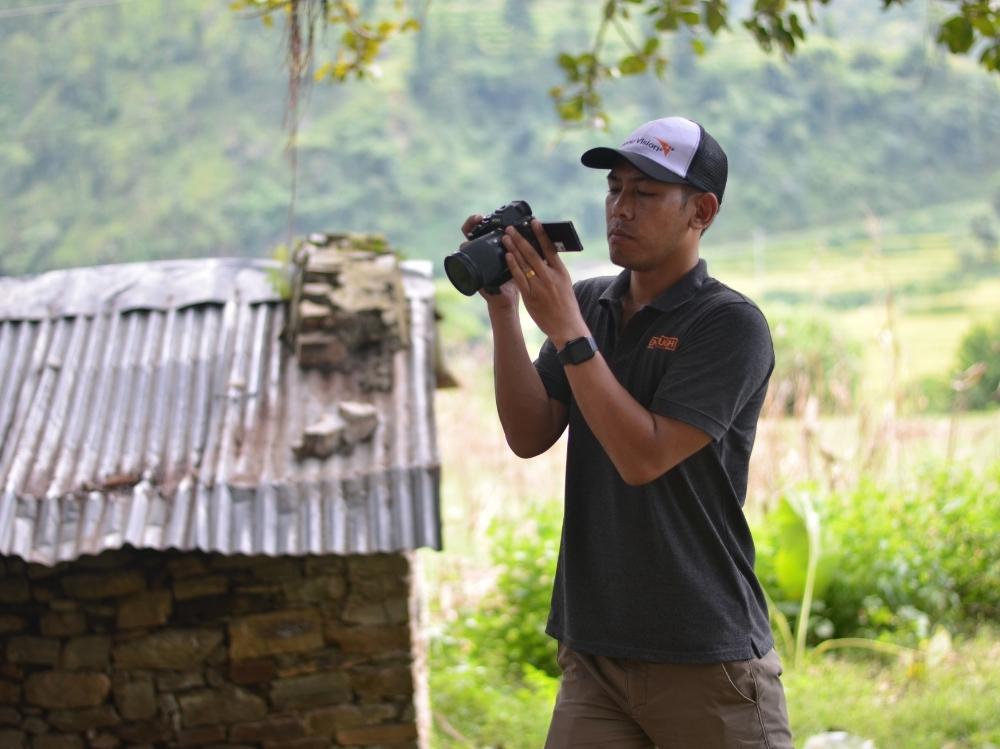
Behind every story we see are countless moments that rarely make it into view. Less visible are the conversations behind them. The quiet moments. The trust. The responsibility of listening when people share some of the most difficult chapters of their lives. For Binod, those moments continue to be the most meaningful part of the job. Not because they make powerful content. But because they remind him of the resilience, honesty, and humanity that exist even in the most difficult circumstances.
And often, that reminder comes from the simplest words like "House."