
Ownership that lasts: Refugees in Pagirinya settlement take the lead in creating sustainable impact.

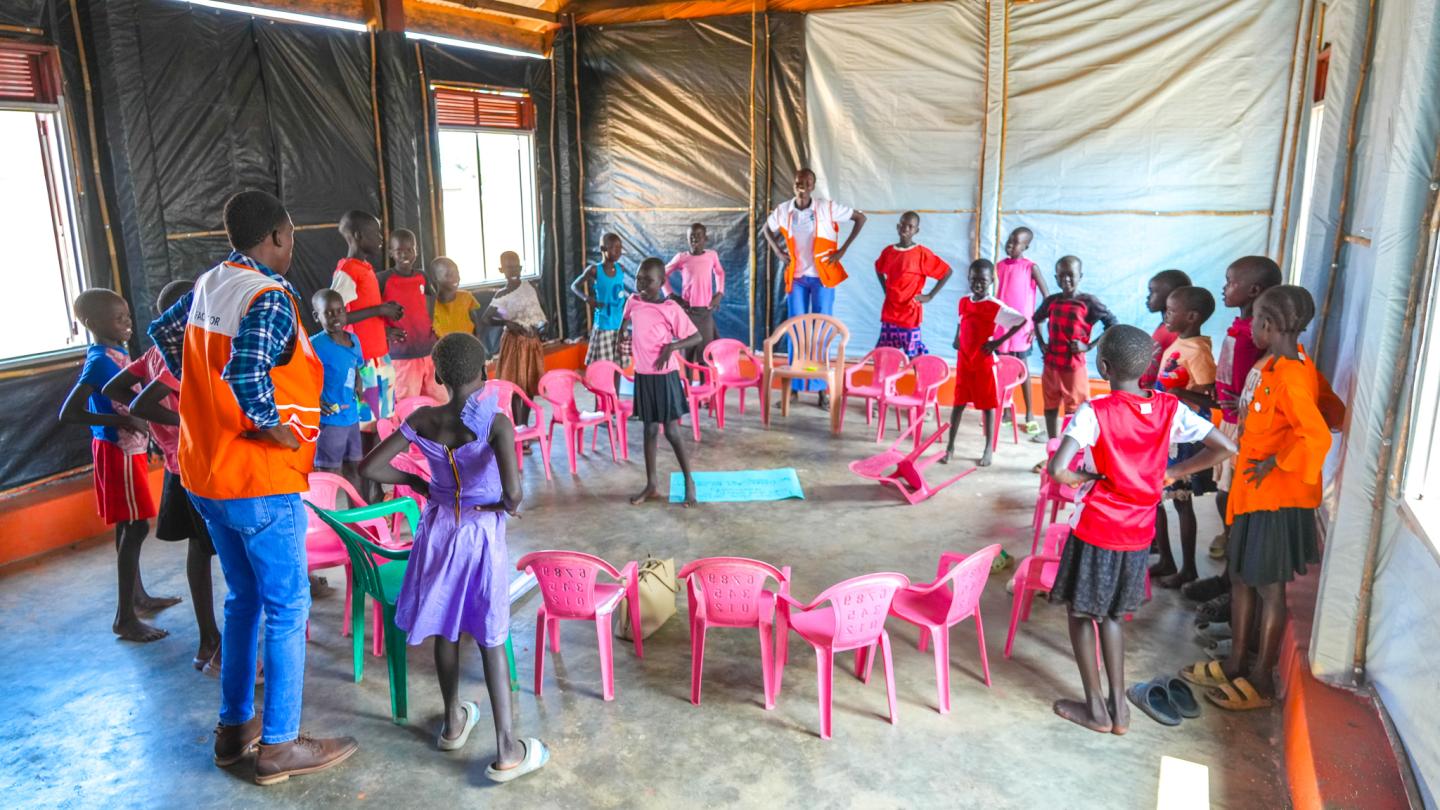
On a bright afternoon in Pagirinya Refugee Settlement, 16-year-old Susan Ajok joins other teenagers at a newly renovated child-friendly LIFT center. Laughter fills the air as children play, learn and share stories.
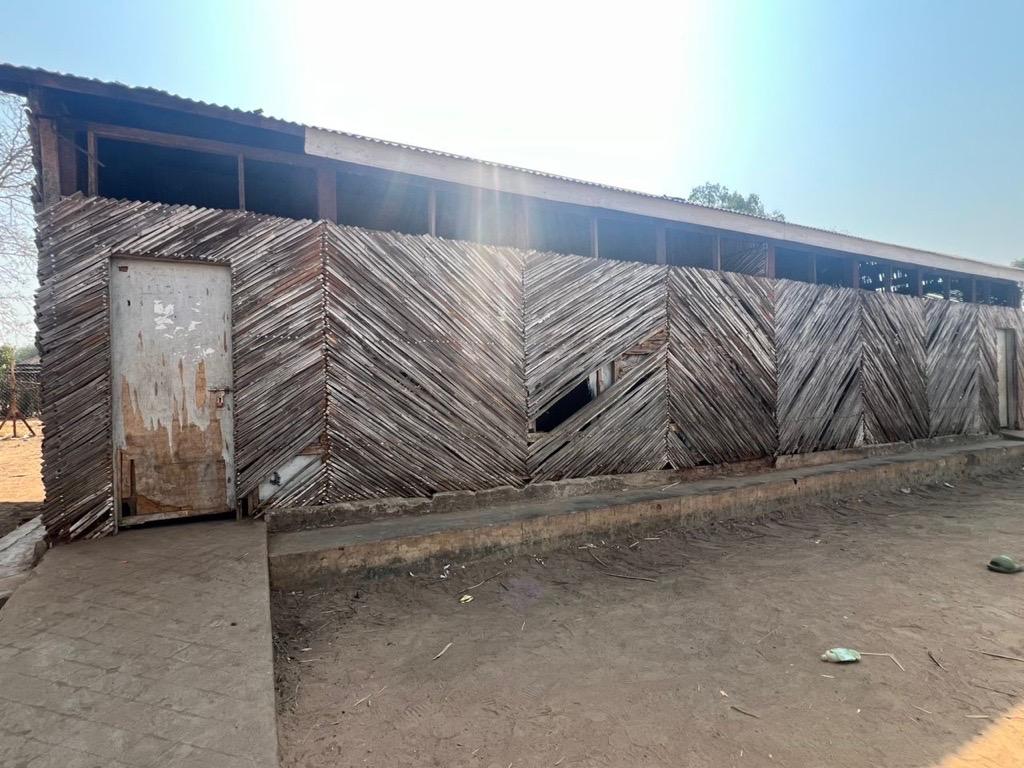
Just months ago, this space looked very different. The buildings were worn down, resources were limited, and like many humanitarian projects in refugee settlements, there were concerns about what would happen if funding disappeared.
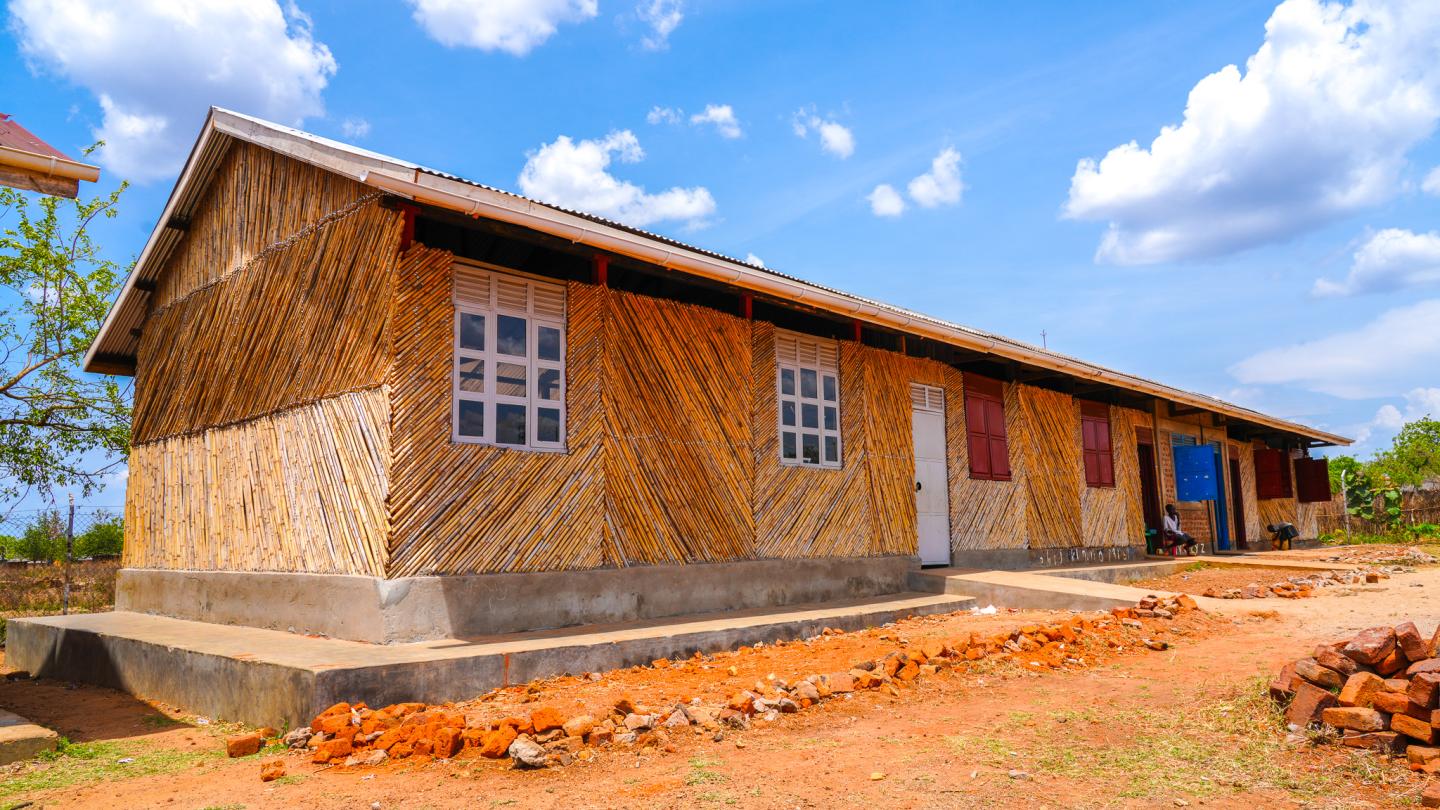
Today, the center stands renewed not because outside contractors arrived with trucks and equipment, but because refugees themselves picked up tools, contributed materials and worked together to rebuild it.
For Susan, the transformation is about much more than bricks and paint.
"I am very happy that my confidence has grown because of the different activities I engage in," she says. "I understand my rights, respect others and feel proud of myself."
Her story reflects a broader shift taking place across Pagirinya Refugee Settlement in Adjumani District, where communities are moving from being recipients of aid to active owners of the projects shaping their future.
When residents recently mobilised their own labor and resources to construct two new child-friendly centers and renovate existing facilities, they demonstrated something increasingly rare in humanitarian settings: community ownership.
"We contributed because this is our project," says Lam Deng Liam, a community facilitator. "Even when funding became difficult, people were willing to give what little they had because they wanted the project to continue."
The effort is part of Life in Fullness Together (LIFT), a pilot initiative launched by World Vision in September 2024 to support children and adolescents living in protracted humanitarian settings.
For years, humanitarian responses often followed a familiar pattern. Aid organisations provided services, built facilities and delivered assistance to communities facing immense challenges. While those interventions improved lives, they sometimes left communities dependent on external support.
LIFT was designed differently. The program places caregivers and communities at the center of planning and implementation, integrating child protection, learning opportunities, mental health support, positive parenting and resilience-building into one model.
Most importantly, it asks communities to take the lead.
"What truly distinguishes LIFT is its commitment to community partnership," says Patrick Akuku, the project's manager. "At the beginning, gaining acceptance was not easy because it required a change in mindset. Communities that were used to receiving assistance had to take ownership and lead the process themselves."
Instead of arriving with ready-made solutions, World Vision worked alongside refugee leaders, churches and community groups to identify challenges and design responses together.
The result has seen a sense of ownership that extends far beyond infrastructure.
Caregivers now volunteer their time at the centers. Parents participate in activities with their children. The Center management committee and community leaders oversee management of the facilities and help ensure their sustainability.
For Grace Ayia , chairperson of the Centre Management Committee, that ownership is what makes the project different from many others she has witnessed since arriving in the settlement in 2016.
She remembers seeing initiatives launch with great promise only to fade when funding ended. This time feels different.
"People know this project belongs to them," she says. "That gives us confidence that it will continue."
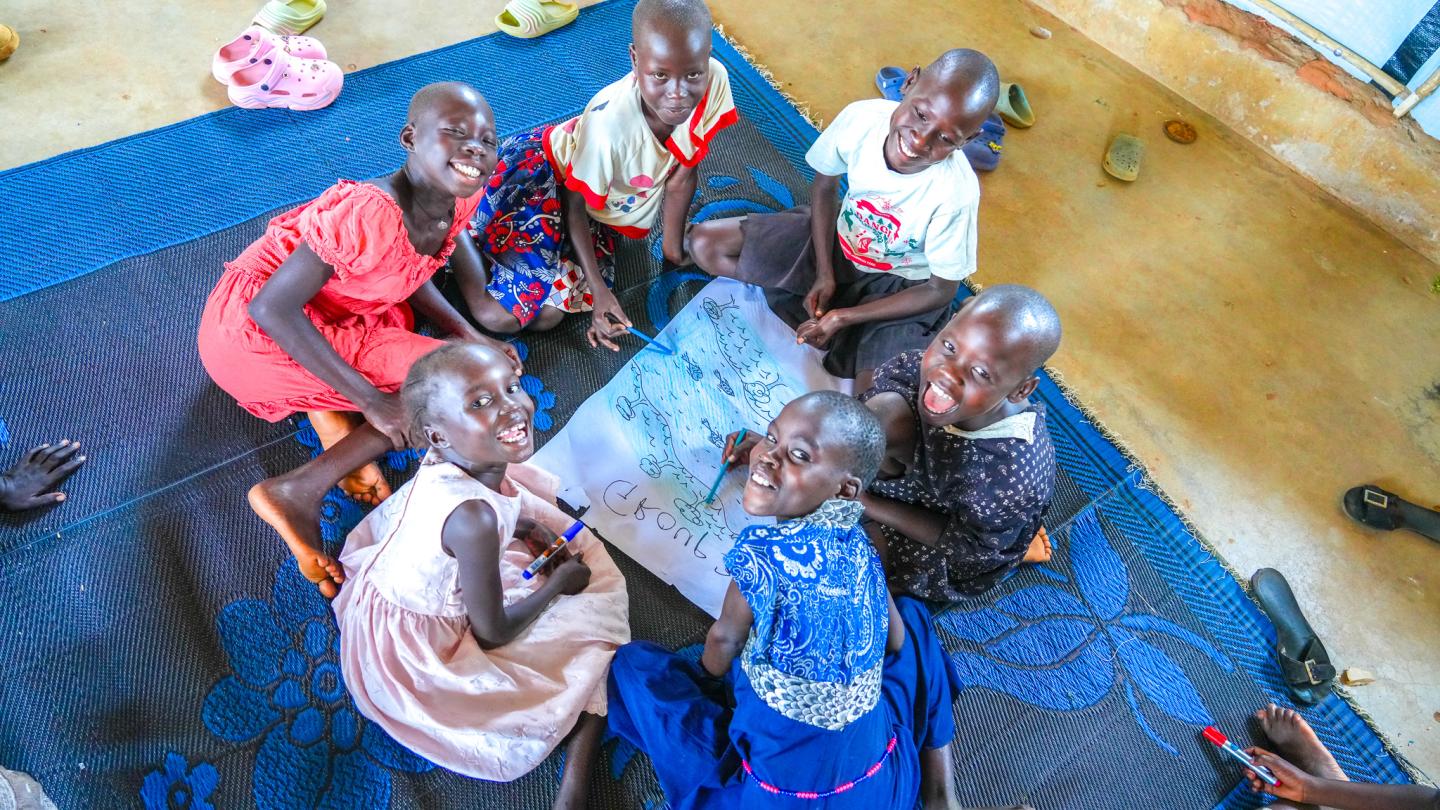
Across the settlement, children gather daily in spaces their parents helped build. Caregivers who once waited for assistance now contribute ideas, skills and leadership. Community members who arrived as refugees are becoming stewards of their own development.
At a time when humanitarian agencies worldwide are grappling with shrinking resources and growing needs, Pagirinya settlement in Adjumani district offers an important lesson.
Lasting change is not built solely through funding or infrastructure. It is built when communities believe they have a stake in their own future.
And in Pagirinya, that future is increasingly being shaped by the very people who call the settlement home.
By: Derrick Kyatuka, Brian Mungu and Anita Ainomugisha (Communications Team)