
Seeds of Change: Modern Farming Skills support Adjumani Farmers Overcome Food Insecurity.

In a corner of northern Uganda where survival once depended on guesswork in the soil, farmers say structured training has turned struggling gardens into steady sources of food and income.
For members of the Kazeruku Savings Group in Ukusijoni sub-county, Adjumani district, farming used to mean long hours in the field and little to show for it. Seeds were scattered, land was cleared through bush burning, and harvests rarely lasted a season.
“We used to farm without knowledge,” said group chairperson Daniel Lagu. “We would burn the bushes and throw seeds into the soil, thinking that was the only way. But the harvest was always exceedingly small.”
The result was chronic food shortages, unpaid school fees, and households trapped in a cycle of dependence.
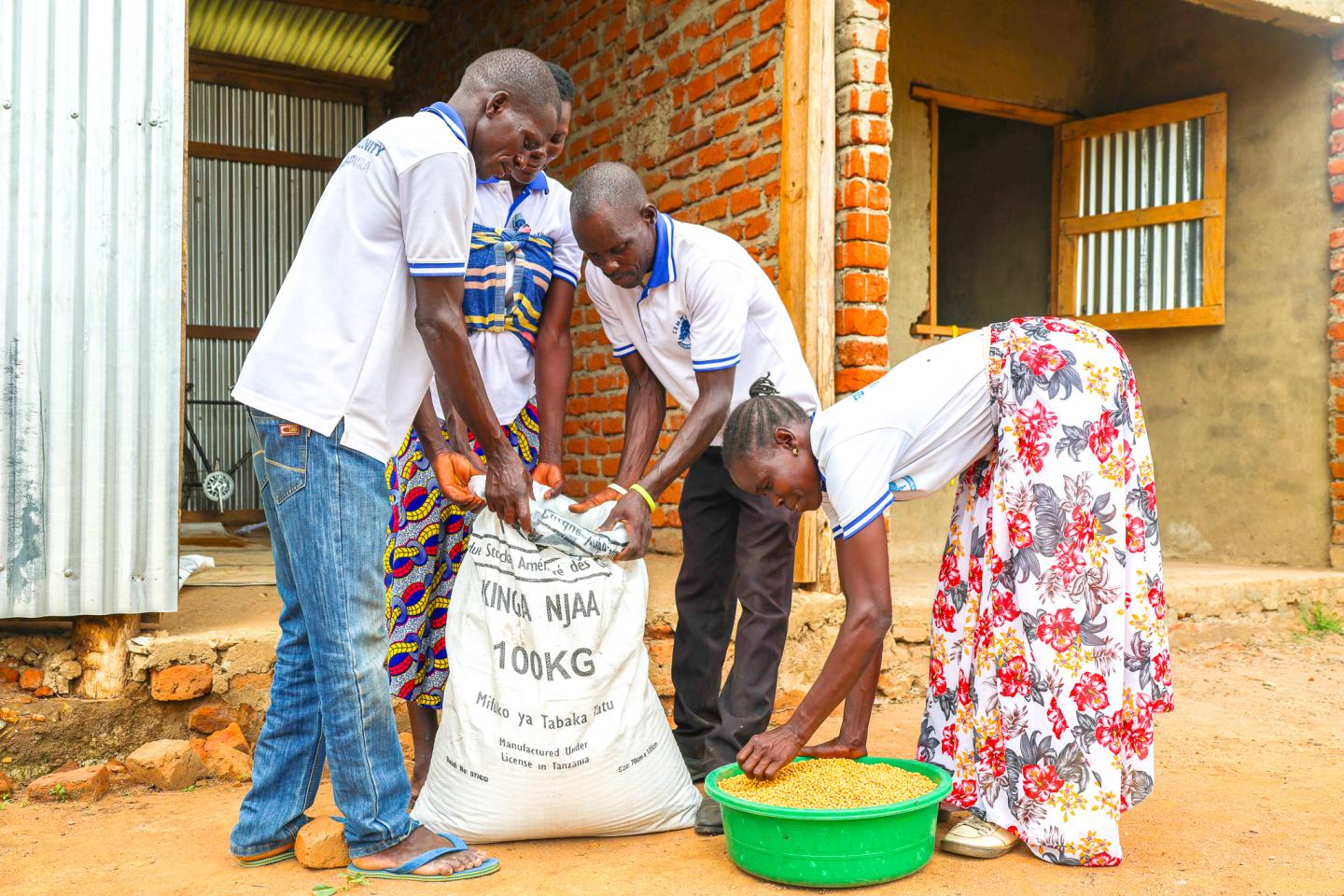
That began to change after the group enrolled in training under the Uganda Refugee Resilience Initiative (URRI), implemented by World Vision Uganda. The programme introduced modern agricultural practices, including proper land preparation, seed spacing, crop selection, and climate-adaptive planning.
Farmers were also encouraged to shift from low-yield subsistence methods to higher-value crops such as soya beans and groundnuts, and to treat farming as a coordinated economic activity rather than individual survival work.
With the new techniques, the group began planting soya beans collectively. Members say they followed structured guidance step by step, from planting to harvest.
The results were immediate and visible.
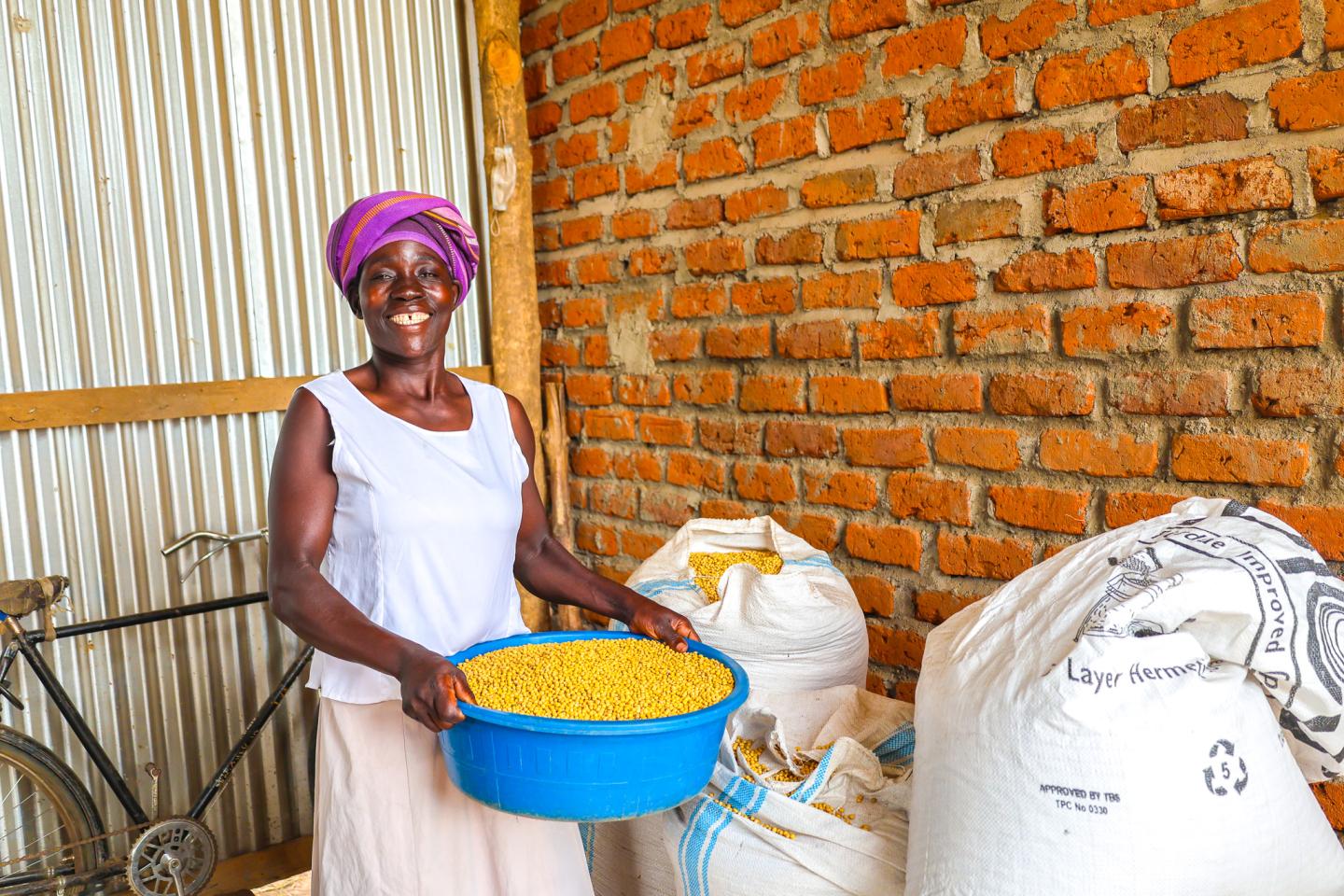
Where harvests once barely covered household consumption, farmers now report multiple sacks of soya beans per season. The surplus is sold, generating income for school fees, food, and basic household needs.
For Josephine, a mother of four, the change has been life-altering.
“I used to struggle with school fees, and sometimes there was no food for my children,” she said. “They would be chased from school because I couldn’t pay. As a mother, it was very painful.”
She now supplies soya beans to local food processors and says her children remain in school without interruption.
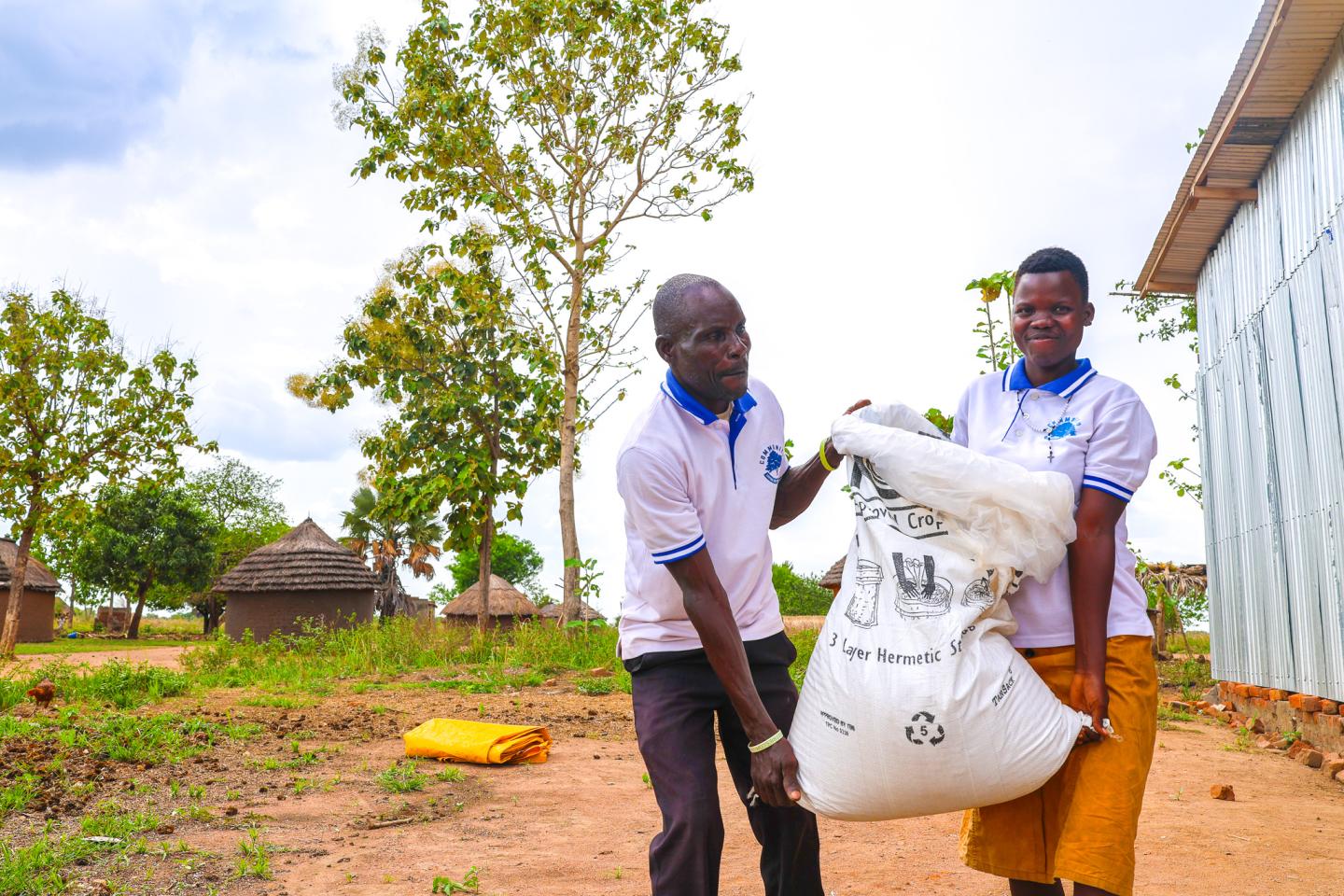
Beyond improved yields, farmers also say they have adopted climate-smart agriculture practices, including monitoring rainfall patterns and using the data to guide planting decisions. The approach, they say, has reduced losses caused by unpredictable weather.
The combination of improved farming methods and savings group coordination has strengthened household resilience in the settlement, according to group members.
Daniel Lagu said the shift has changed both output and mindset.
“Now we know how to farm,” he said. “We are not just surviving, we are planning.”
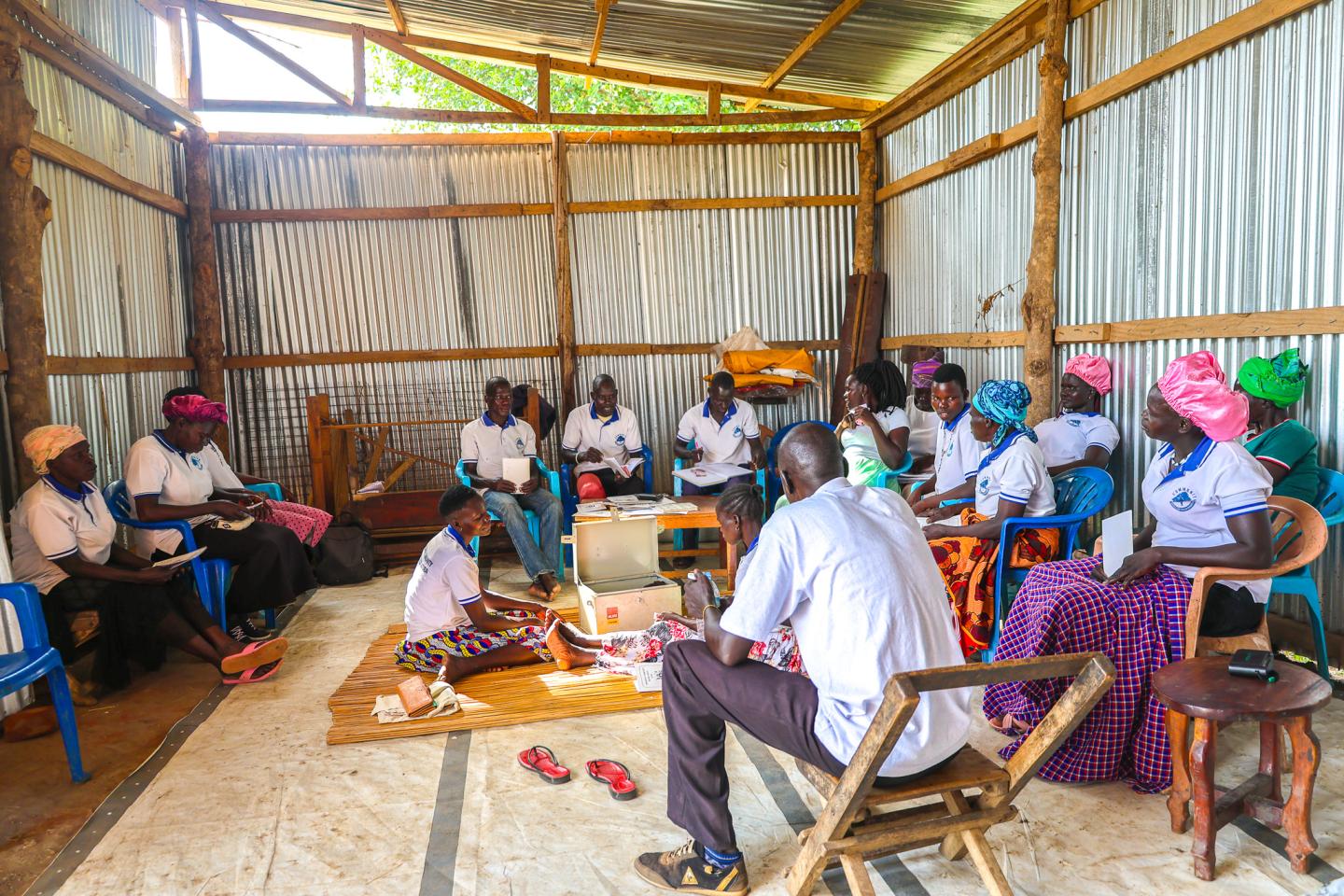
Aid workers say such programmes are part of a broader push to support self-reliance among refugee communities in Uganda, where agriculture remains the main source of livelihood for many households.
In Ukusijoni, farmers say the transformation is visible not only in the fields, but in the stability of their homes, where meals are more predictable, children stay in school, and farming is no longer just survival, but a pathway forward.
Story by Derrick Kyatuka, Mungu Jakisa Brian, Anita Ainomugisha, (Communications Team)