
World Vision Irrigation Project Helps Farmers Defy Prolonged Drought.

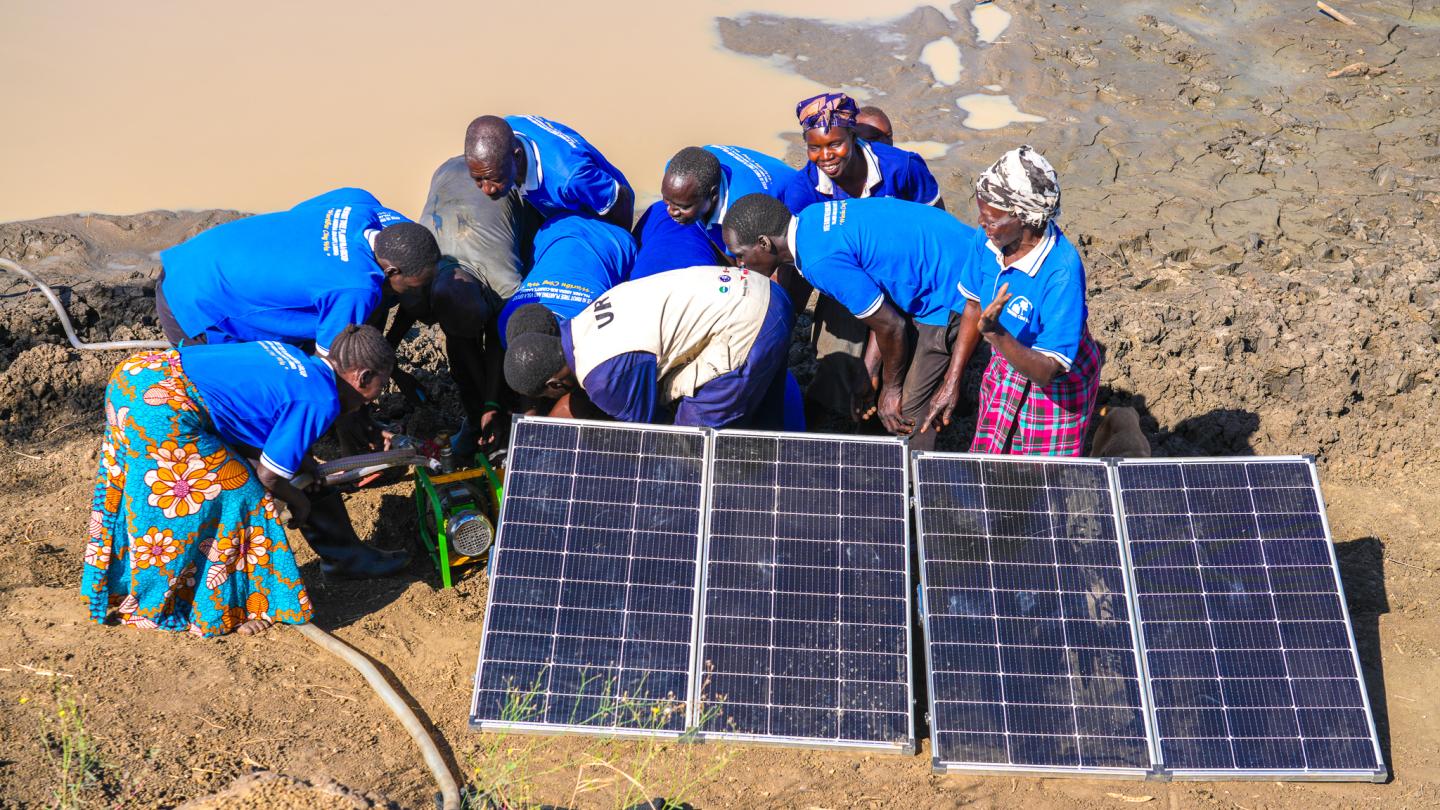
The women arrive first, carefully balancing solar panels on their heads as they make their way to a communal garden in Lamwo District. Behind them, men carry pipes and connectors, chatting as they prepare for another day in the fields.
Within minutes, the farmers are gathered around a pond. The solar panels are positioned to face the morning sun, pipes are connected, and the irrigation system comes to life.
A low hum emerges before water rushes through the pipes. Several farmers grip the hose tightly as the force of the water pulls against them. Soon, streams of water spread across rows of vegetables, bringing relief to crops that would otherwise struggle under the scorching northern Uganda heat.
For many farming communities in Lamwo, where changing weather patterns have made agriculture increasingly unpredictable, such scenes are becoming a lifeline.
"We used to rely entirely on rain-fed agriculture," says Molly Achan, the chairperson of Ayee Ki Rwot Farmers Group. "But nowadays the rains are no longer reliable. Sometimes they come late, and sometimes they stop before crops mature."
Like many parts of northern Uganda, Lamwo has experienced prolonged dry spells and shifting rainfall patterns that have disrupted traditional farming calendars. For households that depend on agriculture for food and income, the consequences have often been devastating.
Farmers say it was common to lose crops during extended dry periods, leaving families vulnerable to food shortages and poor nutrition.
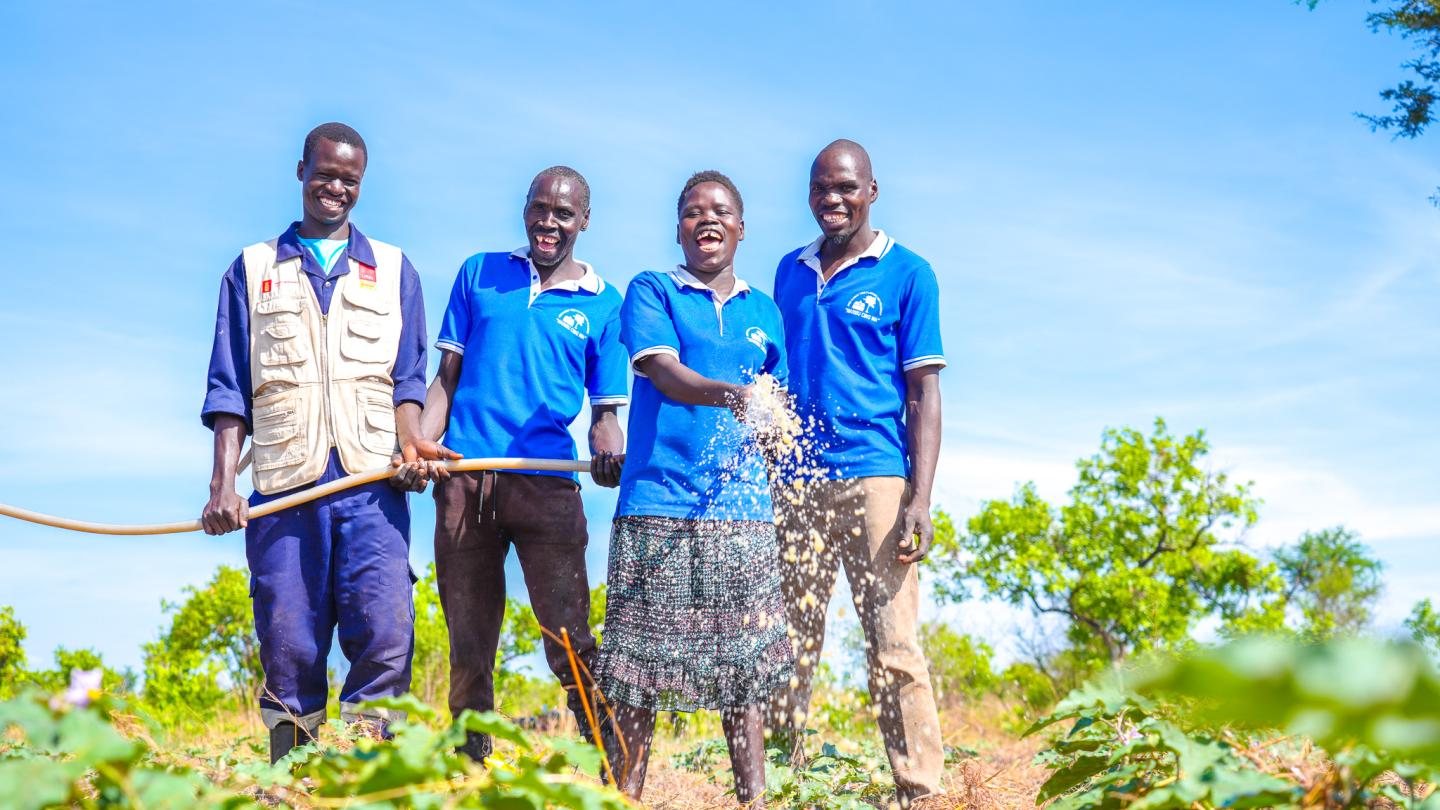
That reality began to change when the group acquired a solar-powered irrigation system through the Uganda Refugee Resilience Initiative (URRI), implemented by World Vision Uganda.
The technology allows farmers to draw water from nearby sources and continue growing crops throughout the year, even during dry seasons.
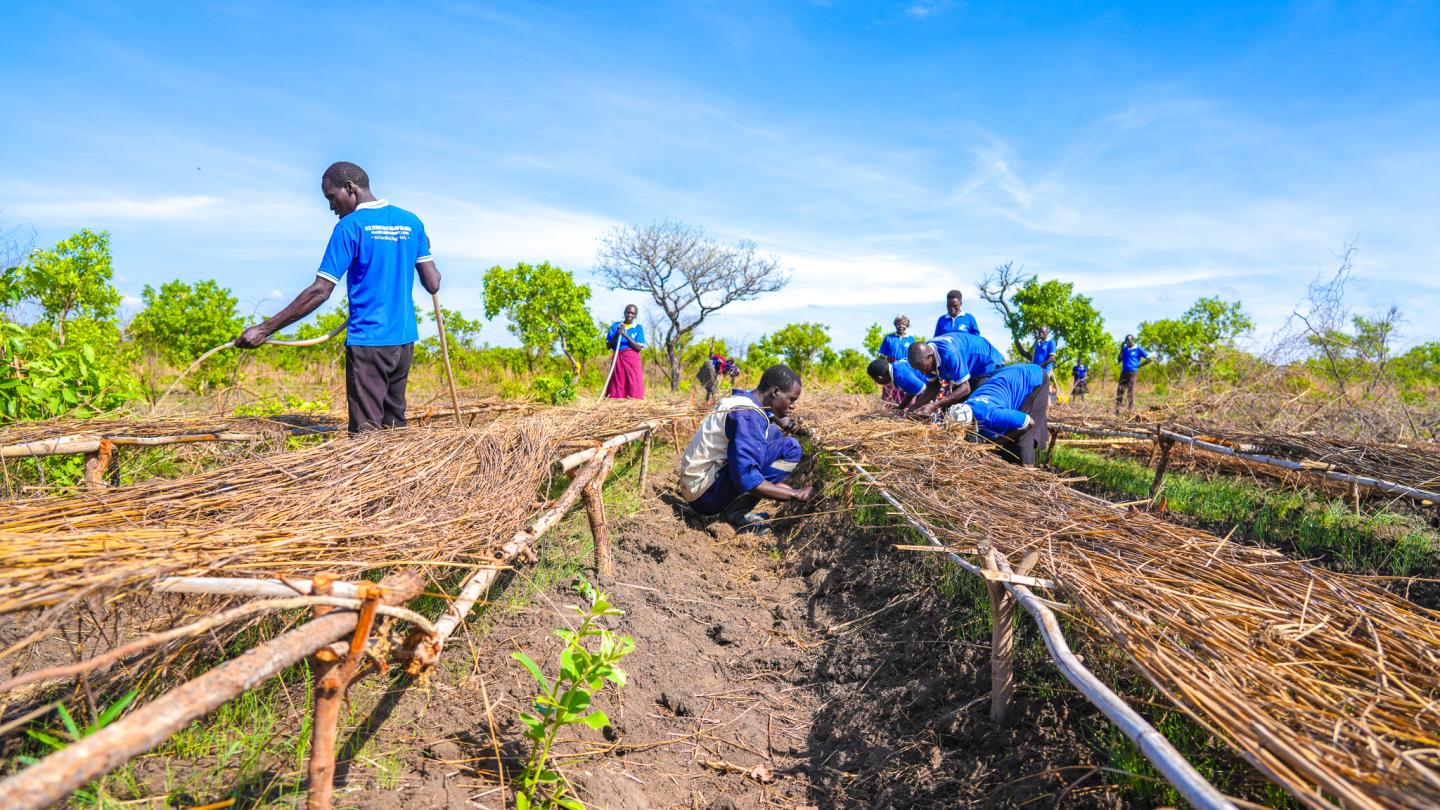
Today, vegetables such as sukuma wiki, tomatoes, eggplants, and onions flourish in gardens that would previously have remained bare for months.
The change is visible not only in the fields but also in homes.
"We now have vegetables throughout the year," Molly says. "Our children are eating better because we have food available even when there is no rain."
The group has also established nursery beds to ensure a steady supply of seedlings. Members can access planting materials from the communal nursery and establish gardens at the household level.
The result has been increased production and greater crop diversity, both critical components of climate-smart agriculture.
Agricultural experts say irrigation is becoming increasingly important as communities adapt to climate change.
By reducing dependence on rainfall, farmers can produce food more consistently, maintain household nutrition, and generate income throughout the year.
For members of Ayee Ki Rwot Farmers Group, the benefits extend beyond food security.
Surplus vegetables are sold in local markets, providing income that families use to pay school fees, purchase scholastic materials, and meet household expenses.
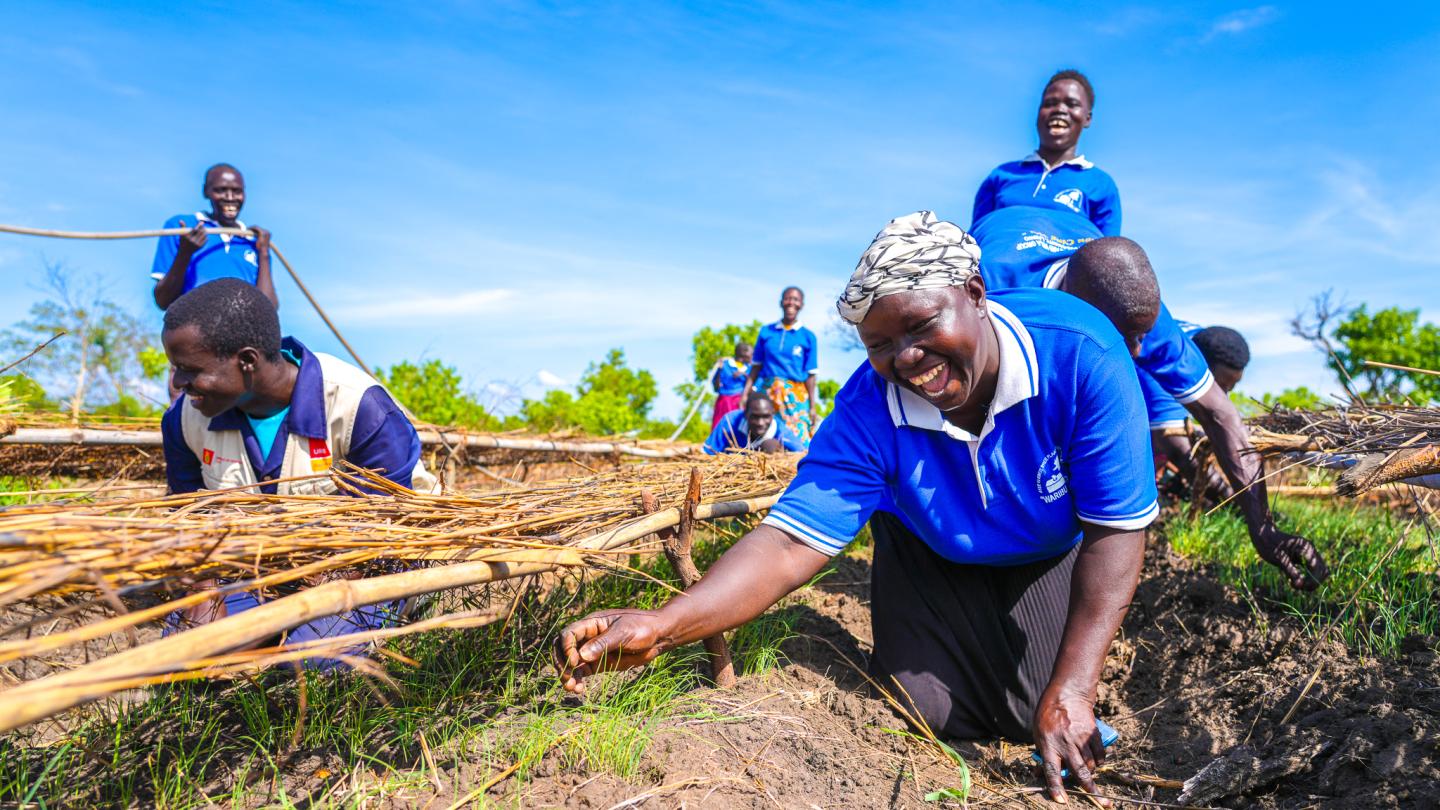
The farmers have also organised themselves into a Village Savings and Loan Association (VSLA), allowing members to save money and access affordable loans.
The savings scheme has provided a financial cushion for many households, particularly during periods of economic hardship.
But resilience, according to the farmers, is not only about crops and income.
Ben, one of the group members, says training on gender equality and family relations has helped improve cooperation within households.
"In the past, family pressures would often lead to misunderstandings and conflicts," he says. "Now we plan together, work together, and make decisions as a family."
The improved cooperation has translated into higher productivity, with spouses jointly participating in farming and household planning.
According to Noel Alabi, the programme manager, the initiative seeks to strengthen communities' ability to cope with climate-related shocks while improving livelihoods.
"We are supporting farmers with climate-smart agricultural practices, access to savings, markets, and technologies that help them adapt to changing weather conditions," he says.
It has also facilitated access to land for agricultural activities and secured 117 acres, enabling refugees in Lamwo and Adjumani districts to establish demonstration gardens and invest in food production.
For farmers gathered around the irrigation system in Lamwo, however, the impact is measured less in statistics and more in everyday realities. URRI has introduced a graduation pathway to support the most vulnerable households to move progressively toward resilience and self-reliance. The approach will ensure sustainability beyond the programme's lifespan.
Story by Derrick Kyatuka - Communications Manager, and Mungu Jakisa Brian - Communications Officer.