
Nutrition sensitive farming helping families move from chronic hunger to balanced diets

For years, food was never enough in Sophy’s home in Adjumani district, northern Uganda.
Meals were irregular, portions were small and children often went to school on empty stomachs. Hunger was not an occasional hardship; it was a daily reality that shaped health, learning and family life.
“I used to beg other children for food, and they laughed at me,” says 16-year-old Sophy.
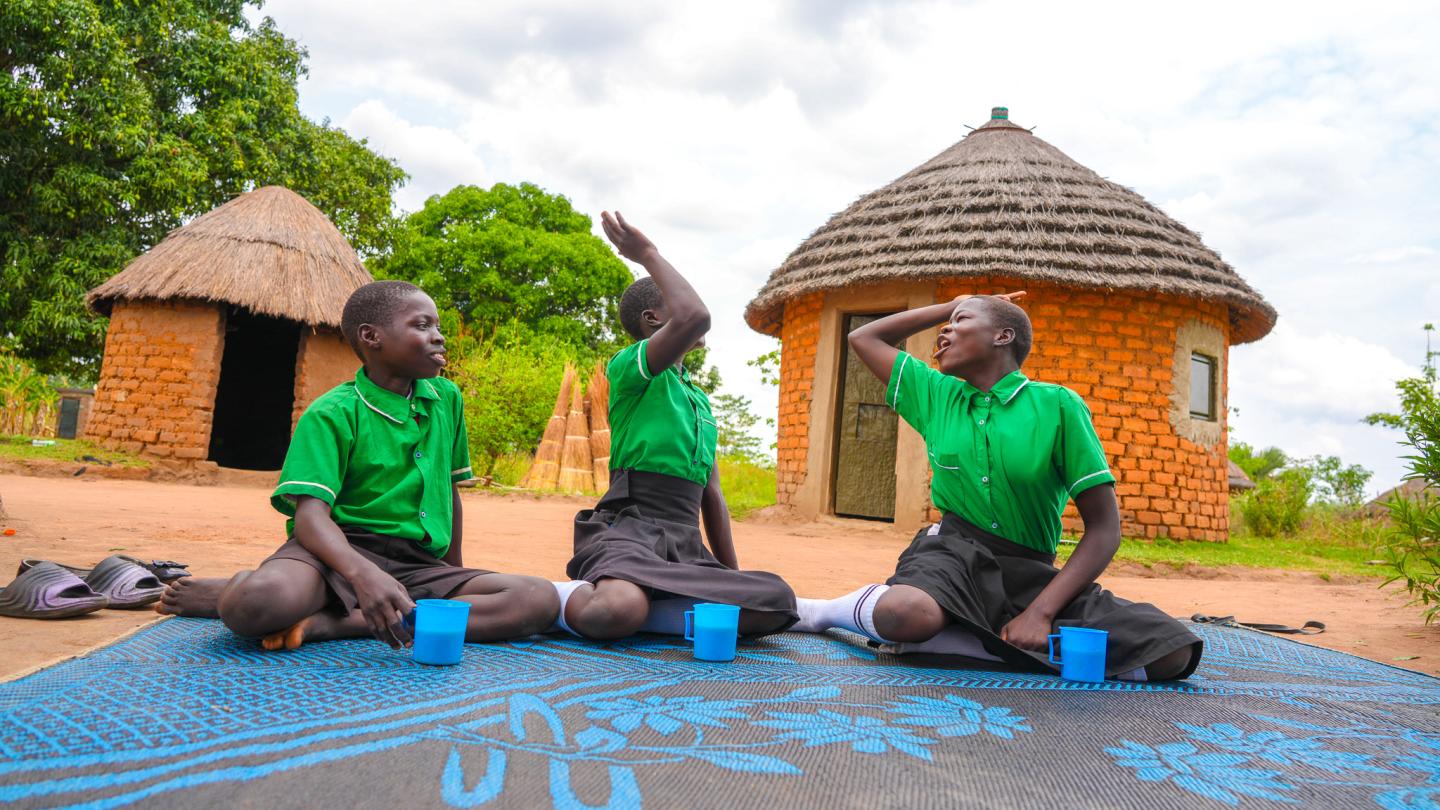
Her mother, Martha, recalls a household defined by scarcity. “There were many days my children went to school hungry,” she says. “They became weak and fell sick often.”
That situation began to change after the family joined the Aleamandro Farmer Group under the Uganda Refugee Resilience Initiative (URRI) Programme and was introduced to nutrition-sensitive agriculture, a farming approach designed to address both food shortages and poor diets at the same time.
Unlike traditional farming support that focuses mainly on increasing yields, nutrition-sensitive agriculture emphasises what families grow and eat, ensuring that food production translates into improved dietary quality, especially for children.
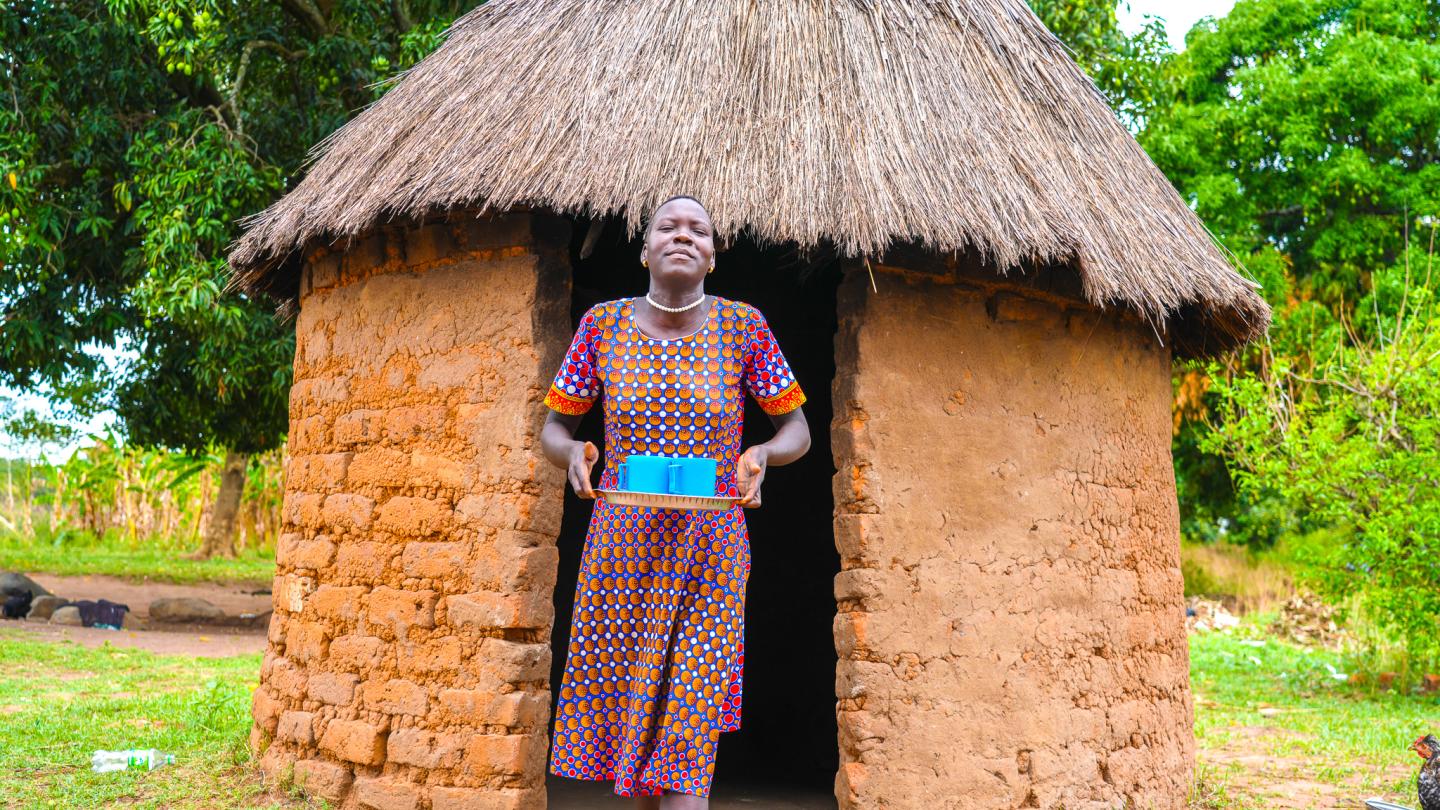
The approach starts with securing enough food for the household, then deliberately diversifying production to include foods that provide energy, protein and essential nutrients.
“URRI taught us that farming is first for feeding the home,” Martha says. “Not just for selling.”
For the family, the first priority was simply to end constant food shortages. Maize production became the foundation, allowing for more consistent meals.
“Now every morning starts with porridge,” Martha said. “The children are stronger than before.”
But the programme also pushed the family beyond food quantity toward nutrition quality.
Training emphasised that calories alone are not enough for children’s growth and learning. Families were encouraged to combine staple foods with nutrient-rich crops to improve dietary balance.
The family introduced groundnuts alongside maize, adding protein and healthy fats to their meals. What was once a monotonous diet slowly became more balanced.
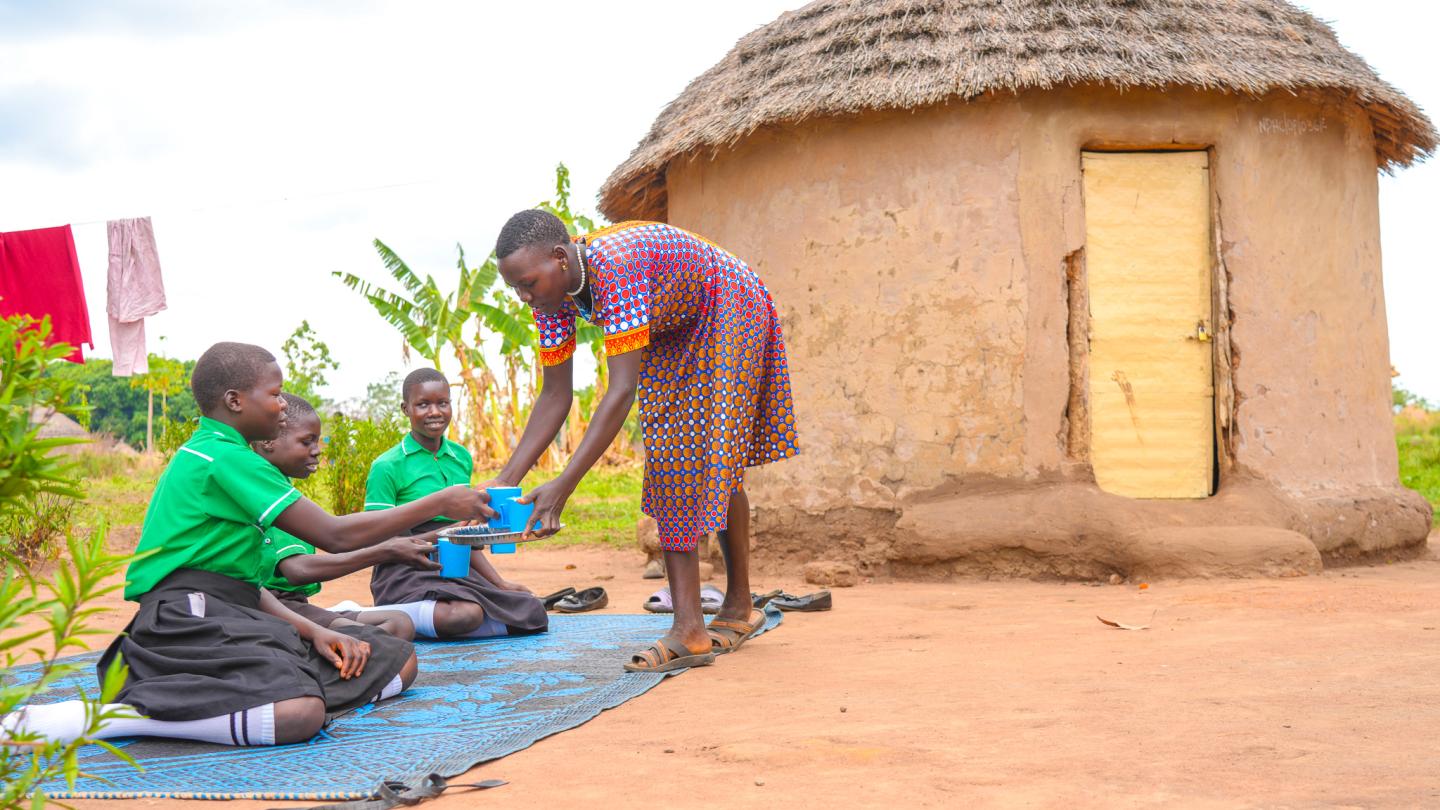
“Before, we were eating just to survive,” said Maiku, Sophy’s father. “Now we think about what the food does for the children’s bodies.”
The changes have been visible at home and in school. Children are less frequently sick, more attentive in class and better able to stay in school throughout the day.
“I feel strong,” Sophy says. “I can stay in class until the end.”
Her sister Mercy said the shift has also reduced tension in the household. “When there was no food, there was anger and fighting,” she says. “Now we eat together.”
The family says improved harvests have also strengthened their resilience. A maize harvest helped cover medical costs during illness, while surplus income was later used to invest in livestock, adding another source of food and income.
Decision-making within the household has also changed, with Martha and Maiku now jointly planning what to consume, store and sell based on both food needs and nutrition priorities.
“Before, there was nothing to plan,” Maiku says. “Now we plan for food and nutrition.”
Martha, now a chairperson of her farmer group, says the biggest change is not just in production, but in understanding.
“When children eat well, they grow well,” she says. “First, we had no food. Now we have food. And now we understand how to make that food nourish our children.”
Across Adjumani and other refugee-hosting districts, development partners say nutrition-sensitive agriculture is helping families bridge a critical gap between food production and dietary outcomes, reducing both hunger and hidden malnutrition.
Story by: Derrick Kyatuka, Mungu Jakisa Brian, Anita Ainomugisha, (Communications Team)