
Restoring Safety, Dignity, and Hope at Al-Auja Health Clinic

In the heart of the Jordan Valley, Al-Auja Health Clinic is a lifeline for the vulnerable families who live there. Over the past year, the clinic provided essential healthcare—maternal and child health, pregnancy follow-up, vaccinations, chronic disease management, and general medical consultations—through nearly 5,000 patient visits.
But communities across the Jordan Valley face growing challenges that threaten their access to essential public services, healthcare above all. Severe movement restrictions, escalating violence, and economic hardship increasingly limit their ability to reach the clinic. And when they do reach it, they often find services sharply reduced: shortened working hours and medicine shortages, driven by staff salary cuts, have taken their toll. Years of chronic budget gaps had left the facility in poor condition.
Recognising the urgent need to improve the clinic's environment, service quality, and patient experience, World Vision, in partnership with the Ministry of Health, launched a phased rehabilitation initiative to restore and strengthen the facility.
Technical assessments revealed serious structural and environmental concerns. Wastewater was being discharged directly onto the land surrounding the clinic, creating significant environmental and public health risks. The continuous flow contaminated the area, caused unpleasant odours, damaged the soil, and eroded the ground around the clinic's foundations—leaving visible cracks in the walls and structural deterioration that threatened the safety of patients and healthcare workers alike.
Before any rehabilitation could begin, World Vision and its technical engineers prioritised the root cause. The wastewater issue was resolved, the surrounding area was cleaned and stabilised, and comprehensive engineering measures were put in place to protect the clinic's foundations and restore a safer, cleaner, healthier environment for the community.
With the environmental and structural risks addressed, rehabilitation works followed: structural crack treatment, reconstruction of damaged sidewalks, waterproofing, plastering and repainting, and improvements to the clinic's internal spaces. The project also invested in the quality of care and patient wellbeing, creating a child-friendly corner designed to give children a more comfortable, welcoming healthcare experience.
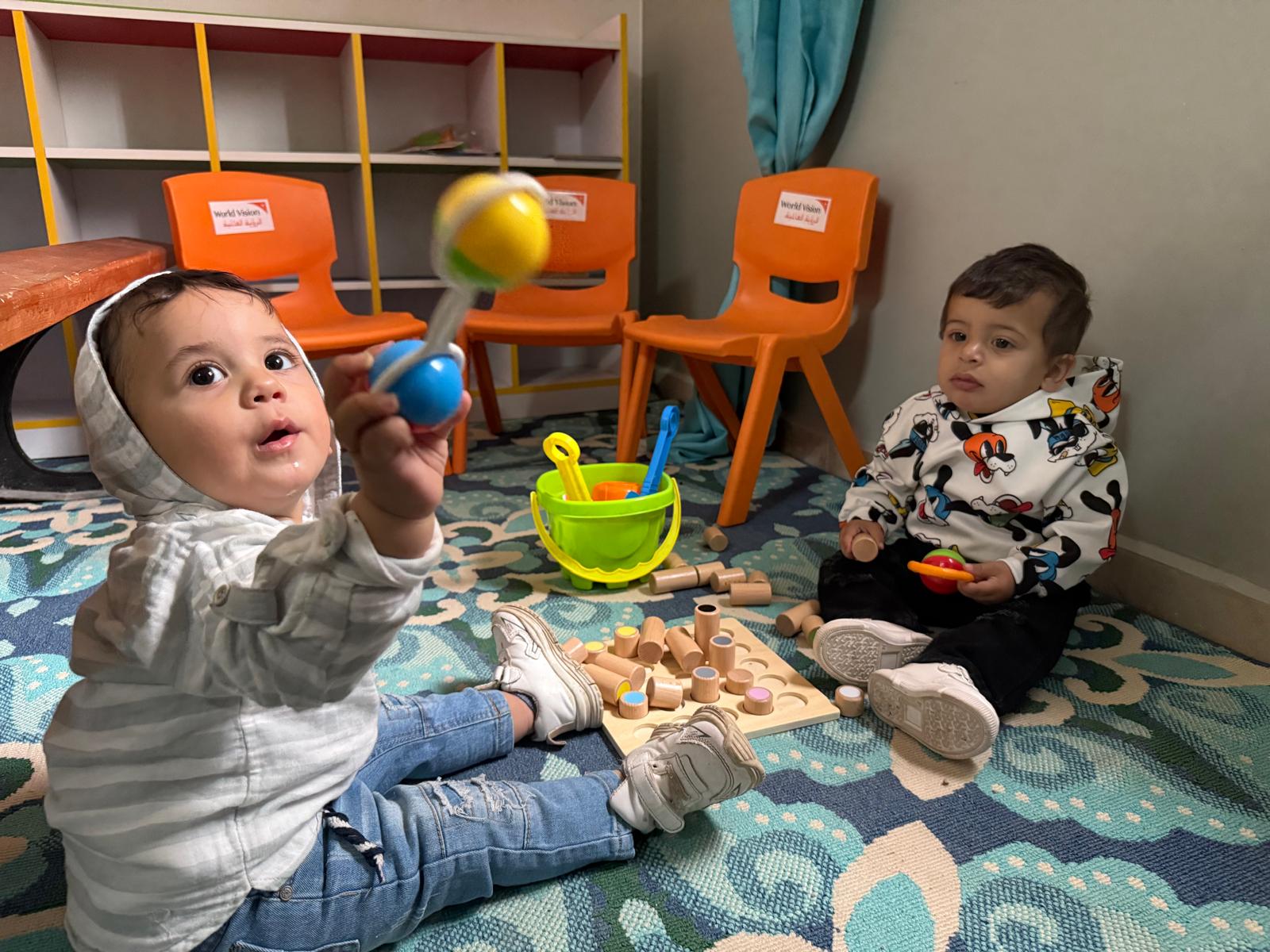
Together, these interventions transformed the clinic into a safer, cleaner, and more dignified space for patients, children, and healthcare workers alike. For nurse Asmaa Romanin, the change reached beyond the building itself, into the daily experience of caring for the community.
"I felt more comfortable working in a clean and organised environment, which helped me focus better on providing care to patients. Improving the appearance of the clinic also boosted staff morale and made us feel that our workplace is valued and cared for."
Like in Al-Auja, World Vision rehabilitated and/or equipped 140 primary healthcare centres, providing them with life‑saving tools to improve access to health care for the most vulnerable.
Today, Al-Auja Health Clinic stands stronger and more resilient, continuing to serve several communities across the Jordan Valley. Beyond rehabilitating infrastructure, the project restored something harder to measure: a sense of safety, dignity, and reassurance for the healthcare providers and the communities they serve.