
Community Health Workers: Bridging the Gap in the West Bank

In the village of Yatta, south of the West Bank, access to healthcare remains a daily challenge for the most vulnerable communities. The Palestinian Authority’s deepening fiscal crisis has severely limited its capacity to fund and staff public health services across the West Bank.
For communities like those in Yatta, this has meant dwindling resources, reduced staffing, and a health system under mounting strain. The local health clinic operates only once a week, providing limited basic services that are often insufficient to meet the needs of mothers and young children.
Shortages of healthcare staff and essential medicines further constrain the clinic’s ability to offer the comprehensive care, counselling, and follow-up that families need. Movement restrictions, economic hardships and unprecedented levels of violence further limit families’ ability to reach the services that do exist, leaving many mothers and children effectively cut off from reliable care.
The consequences of limited access to health information and services are most acutely felt during the first 1,000 days of a child’s life — the critical window from conception to the age of three, during which the brain develops most rapidly and the foundations for long-term health are laid.
Balanced nutrition during pregnancy reduces the risk of complications and supports healthy birth weight. Exclusive breastfeeding for the first six months provides essential protection against illness and supports cognitive development in ways no substitute can replicate.
Responsive feeding and age-appropriate stimulation through play shape the neural pathways that determine learning, language, and social development for years to come. When mothers lack access to guidance on these practices, the impact on their children can be profound and lasting.
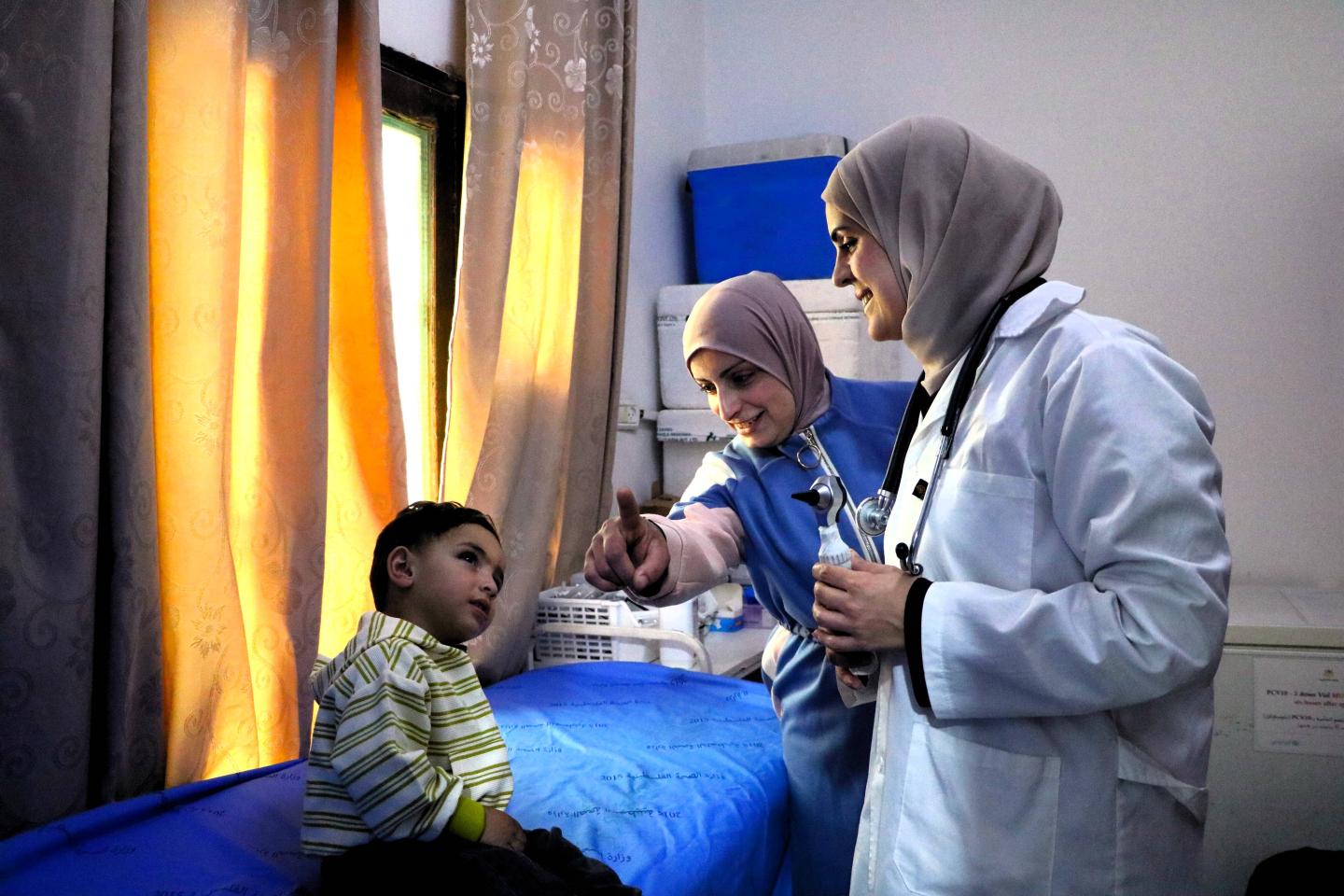
Ahlam, a nurse at a local health clinic in Yatta, witnesses these challenges every day. She has also seen firsthand how World Vision’s health programme, through the deployment of Community Health Workers, is transforming healthcare access for vulnerable families.
“Our clinics serves a large number of families, but we only operate once a week and our services are limited,” Ahlam explains. “Staff shortages make it difficult to provide the level of care, counselling, and follow-up that mothers and children require.”
The introduction of Community Health Workers has significantly strengthened the clinic’s capacity. Working closely alongside healthcare staff, Community Health Workers register mothers, provide individualised counselling on maternal nutrition, exclusive breastfeeding, complementary feeding, and early childhood development, and identify families who require additional support.
Crucially, they ensure timely follow-up through regular home visits — bringing essential health guidance directly to mothers who cannot easily reach the clinic due to distance, movement restrictions, or caregiving responsibilities.
“The Community Health Workers have become an essential extension of our clinic,” says Ahlam. “They spend quality time with mothers, answer their questions, and provide practical guidance that we often cannot fully cover during our limited clinic hours.”
Their support extends far beyond the clinic walls. Through household visits, Community Health Workers reinforce key health messages, monitor children’s growth and development, and help families adopt healthier feeding and caregiving practices.
This home-based model is particularly vital in a context where so many families face barriers to accessing formal health services — it ensures that the most vulnerable are not simply left behind.
“We have seen remarkable improvements,” Ahlam says. “Mothers are more confident in caring for their children, breastfeeding practices have improved, and families now better understand how to support their children’s healthy growth and development.”
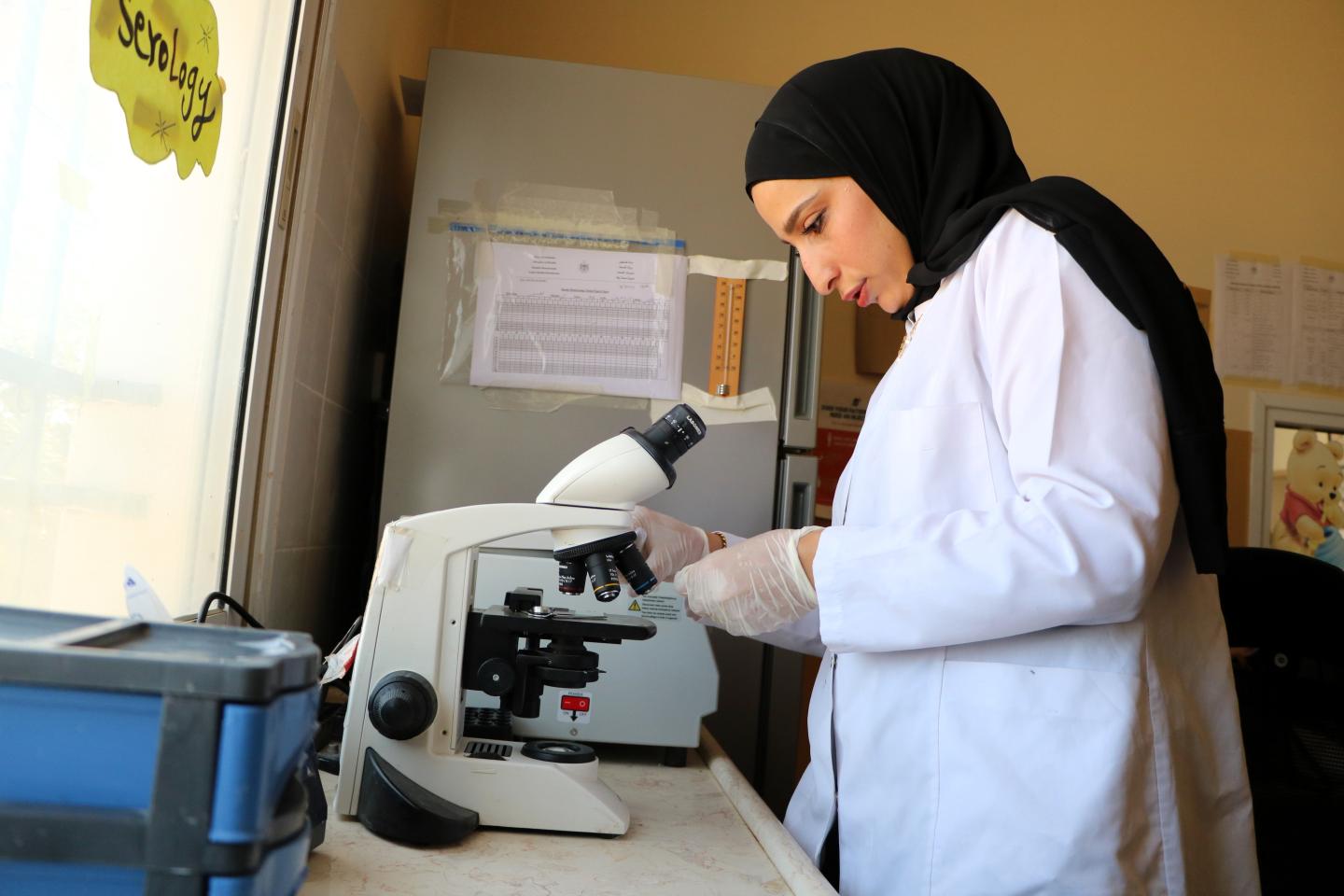
For Ahlam, the partnership between the Ministry of Health and World Vision has been invaluable in reaching those who need support most.
“In communities like ours, where access to healthcare is limited, Community Health Workers fill a critical gap,” she says. “They enable us to reach more families and ensure that mothers and children receive the care, guidance, and support they deserve.”
Through this collaboration, in 2025, World Vision supported 164 clinics across the West Bank through rehabilitation and training for staff. More than 150 Community Health workers were trained and supported to inform vulnerable mothers — bringing essential health and nutrition support directly to families, one home visit at a time, and helping children survive, grow, and thrive.