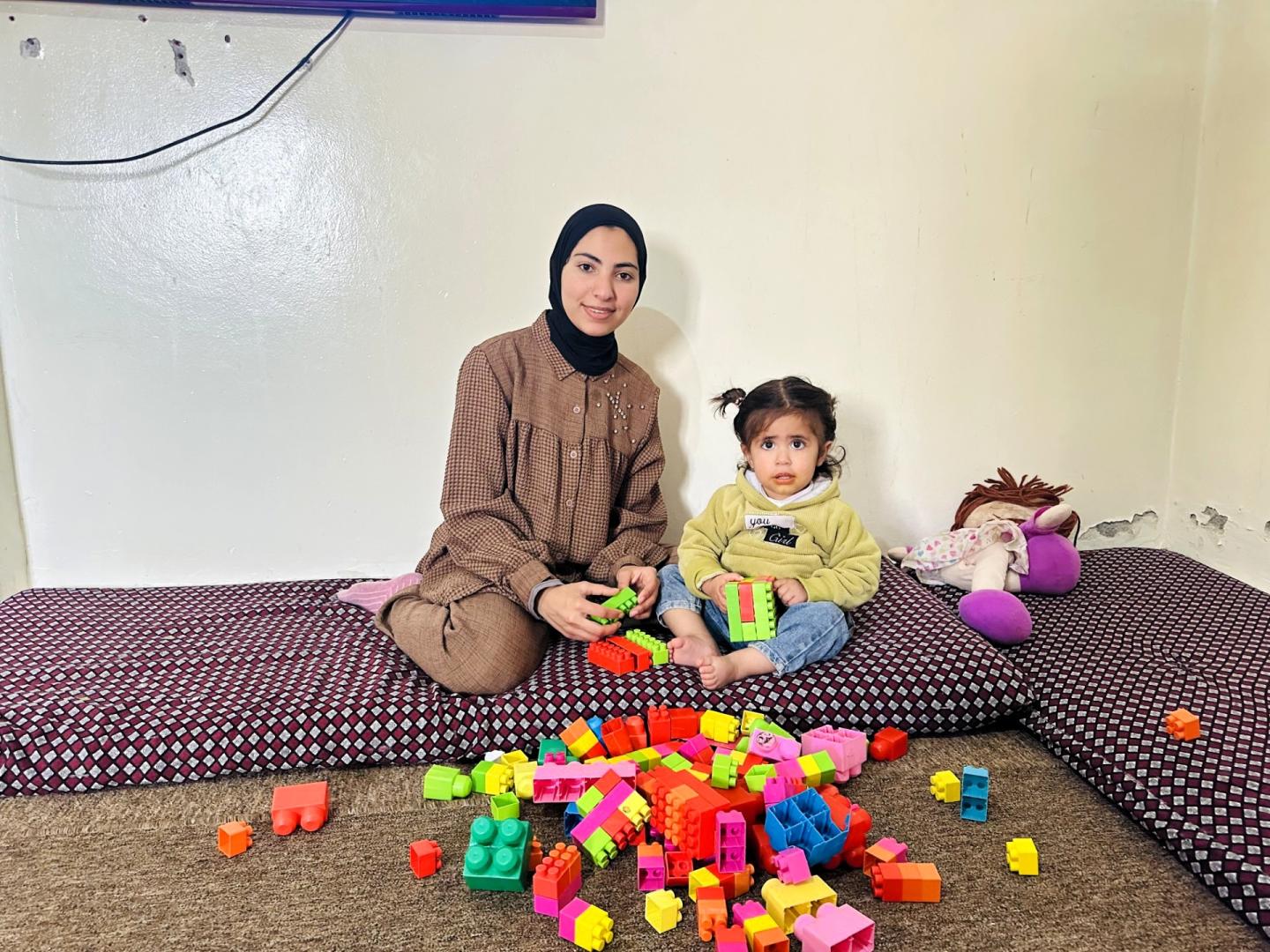
Nurturing a Healthier Future: Nesmah's Journey to Better Nutrition and Care

Like many young mothers in her community, Nesmah once faced significant challenges in caring for her children. The 20-year-old mother of two from the village of Khalet al-Maiyya in the West Bank was married at 16.
Starting motherhood early, she had limited access to health services and little reliable information about maternal and child nutrition. Like many women in her village, she relied on traditional beliefs and advice passed down by relatives and neighbours.
"When I was pregnant with my first child, my diet was mostly sweets," Nesmah recalls. "I thought they would give me energy, and I was convinced that my breast milk would not be enough for my baby."
Khalet al-Maiyya is an undeserved community where health services are limited and often difficult to access. The Palestinian Authority's deepening fiscal crisis has compounded these challenges.
As in most communities in the West Bank, the health clinic is only open one day a week, offering basic immunisations and general medical care. Most essential medicines are not available. Movement restrictions, economic hardship, and unprecedented levels of violence further limit the ability of families to reach the services that do exist.
Yet the stakes of reaching mothers with the right information could not be higher. The first 1,000 days of a child's life represent a critical window for brain development, physical growth, and long-term well-being.
During this period, nutrition, breastfeeding, responsive feeding, and age-appropriate stimulation and play have a profound influence on a child's development. When mothers lack access to this knowledge, the consequences can be lasting.
It was in this context that World Vision's Go Baby Go programme reached Nesmah. This approach recognises parents as a child's first and most influential teachers, and brings structured support directly to families through regular home visits — providing caregivers with guidance on age-appropriate development and practical tools for responsive caregiving.
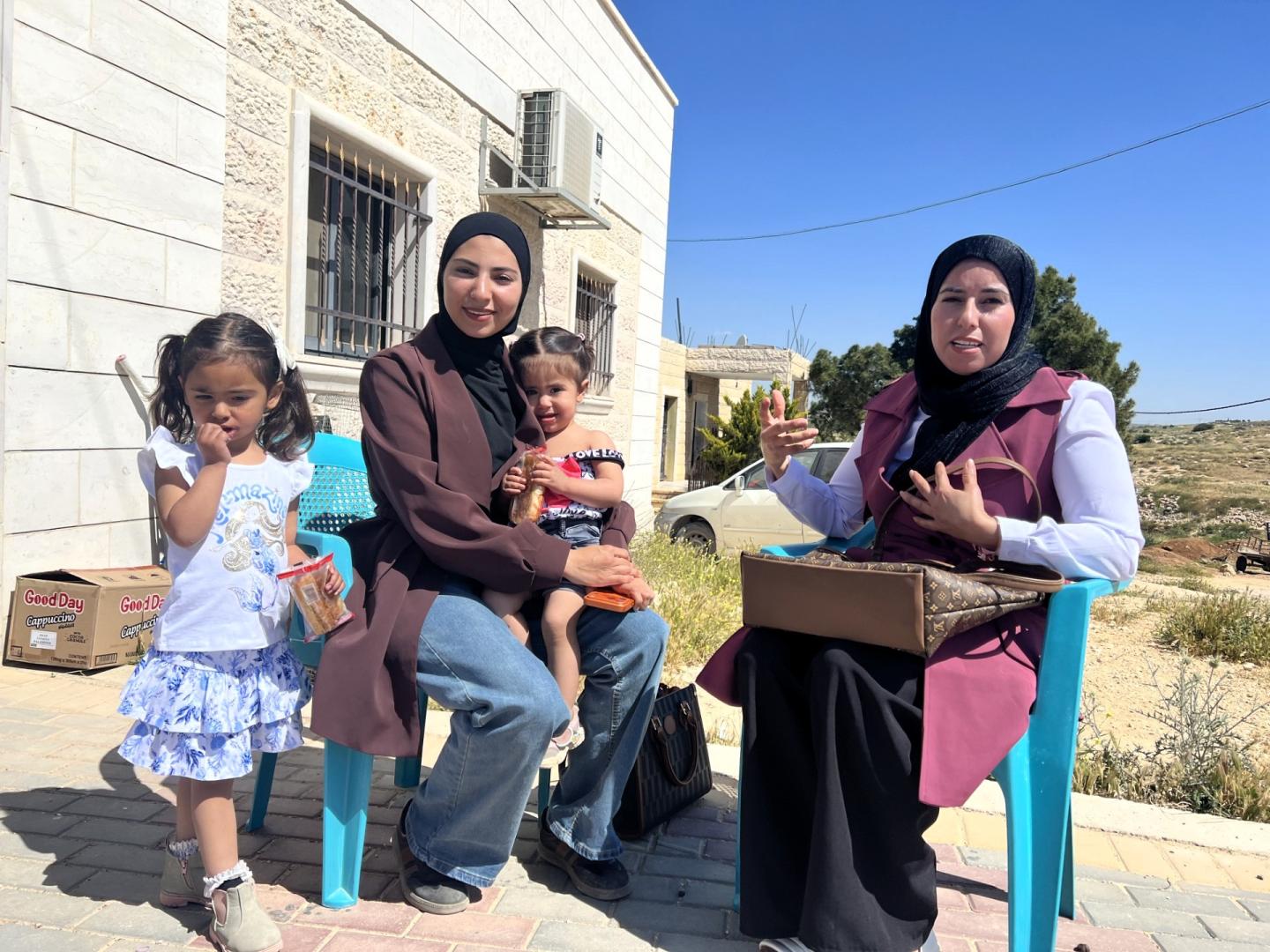
The project reaches families who might never make it to a clinic. In 2025, World Vision trained and supported 154 volunteers across the West Bank to reach mothers with this information. Nesmah's journey began when Ibtisam, one of the community health volunteers with Go Baby Go, met her during a clinic visit while she was eight months pregnant.
"When I first met Nesmah, I saw a young mother who was eager to learn but needed guidance and reassurance," Ibtisam recalls. "She was caring for a growing family and wanted the best for her children."
Through regular home visits and counselling sessions, Ibtisam provided practical advice on balanced nutrition during pregnancy, exclusive breastfeeding, responsive feeding, and early childhood development. She also introduced simple play-based activities and homemade toys to help Nesmah engage with her children and support their development.
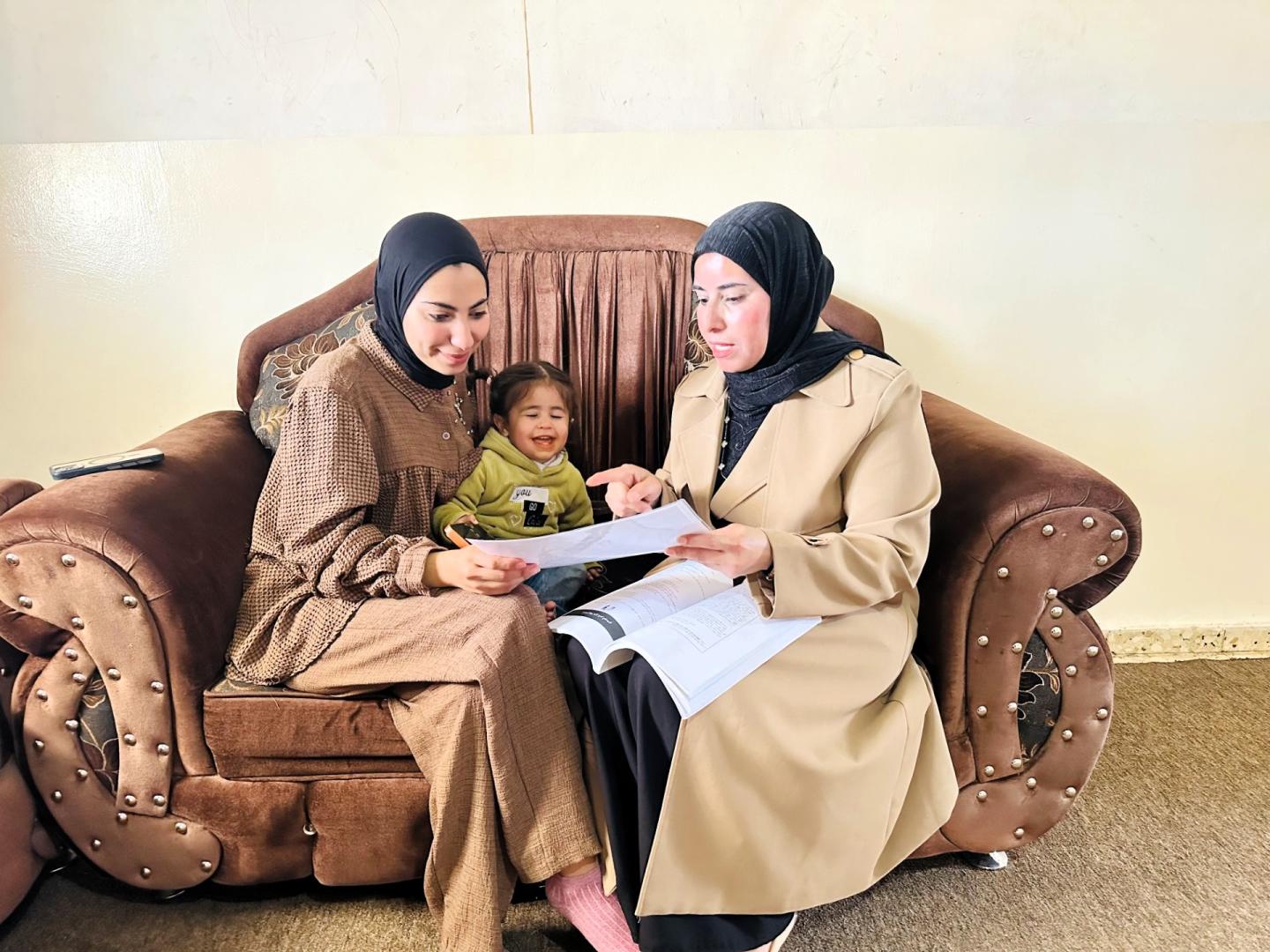
"I learned that breast milk alone is enough for my baby," Nesmah says. "The support helped me trust myself as a mother."
Today, Nesmah proudly shares that her youngest daughter, now one and a half years old, is the only one of her children to have been exclusively breastfed from birth. She has adopted healthier eating habits and embraced the principles of responsive parenting.
"Now I know that feeding time is not just about food," Nesmah explains. "It is a time to interact, play, and help my child grow — physically and emotionally."
The changes have been remarkable. Nesmah has noticed stronger bonding with her youngest daughter, who is more active and developmentally advanced than her older siblings were at the same age.
Through World Vision's Go Baby Go programme, Nesmah has gained the knowledge, confidence, and skills to raise healthier, happier children — creating a brighter future for her family. Like her, in 2025, more than 1,000 caregivers took part in Go Baby Go, learning how to offer the best to their newborn babies, one home visit at a time.