
Breaking the cycle: Communities in South Sudan’s Warrap state speak about and against GBV

Gender-based violence (GBV) is not just a hidden issue in South Sudan—it is a harsh reality that many, especially women and girls, continue to face. Yet, there is growing hope. Efforts like community-based GBV awareness in communities across South Sudan are helping to break the silence, challenge harmful norms, and open pathways for support and protection.
GBV is often shaped by deep-rooted inequalities, poverty, and social norms that limit women’s power and choices. Factors such as economic hardship, early and forced marriage, and long-standing cultural practices continue to put women and girls at risk. There are growing efforts to confront these challenges.
In Warrap State, the Enhancing Community Resilience and Local Governance Project Phase II (ECRP II)—a government-led initiative financed by the World Bank and implemented by the Ministry of Finance and Planning and the Local Government Board, in partnership with World Vision—integrates GBV awareness as a core part of its programme design, helping bring these critical issues into the open and encouraging communities to take action.
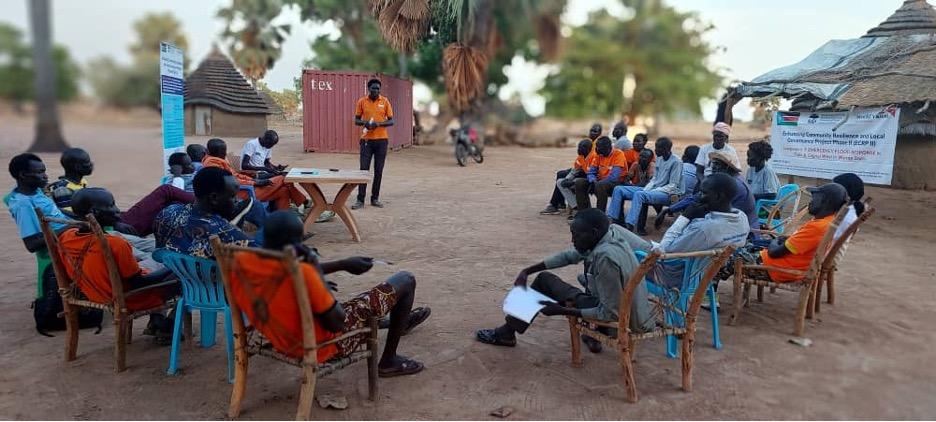
Across Alek West, Gogrial, Akon, Akoc, Aweng, and Pan-Nyok Payams, the project recently facilitated community gatherings focused on GBV awareness. These sessions created safe spaces for open dialogue—where women could speak, men could listen, and communities could begin to confront difficult realities together.
Participants were guided on how to report GBV cases and what information to provide, equipping both survivors and witnesses with practical knowledge to seek protection and justice. Just as importantly, the discussions helped break the silence that often prevents survivors from coming forward.
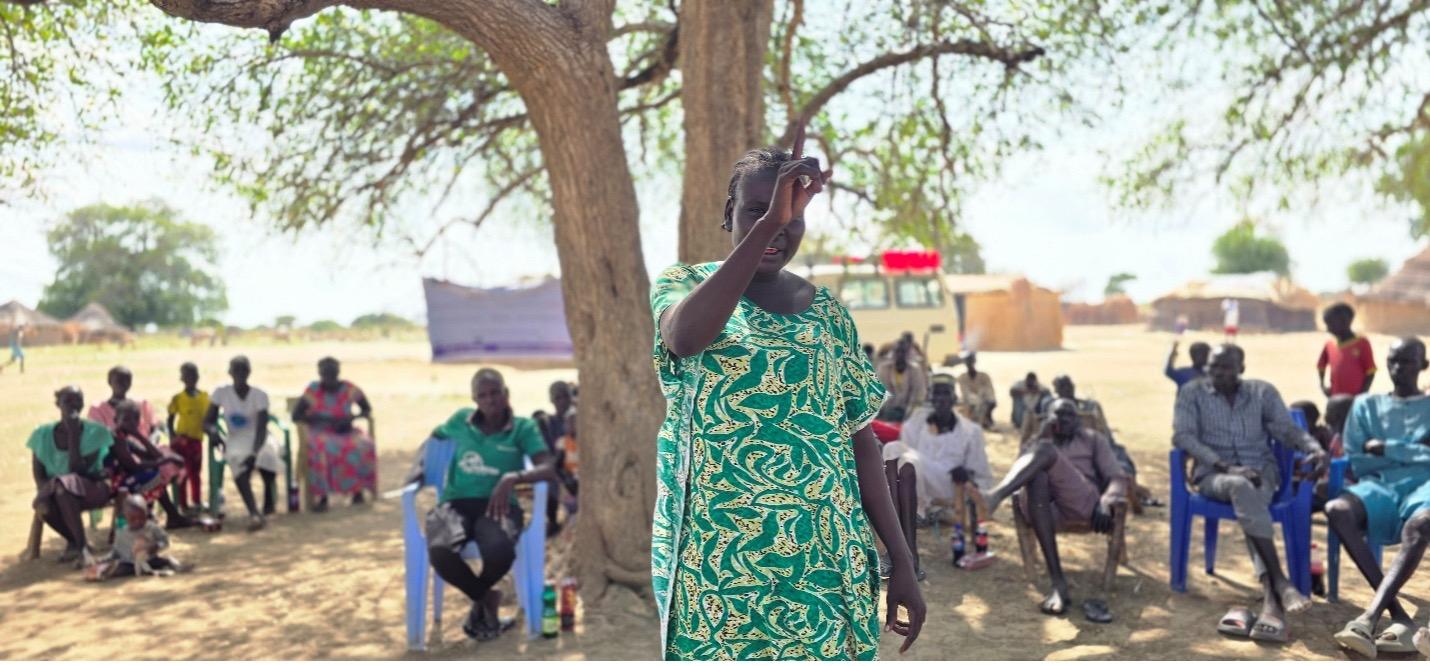
Atong Door, a woman’s chairlady, voiced a serious concern, “Our fellow women have stopped giving birth due to complications they get from gender-based violence and poor nutrition because most men don’t provide for the women even when they are pregnant.”
Her words reflect the broader challenges women face—where poverty, overwork, and limited healthcare intersect with gender inequality to put lives at risk.
Nurse Awar Jiel used the opportunity to speak directly to men in the community, “Today’s gathering has given me a chance to communicate directly with the men in this community. Women are overworked, and this often leads to miscarriages. Please, men, stand up for women and take care of them.”
Her message underscored the importance of engaging men as part of the solution.
The discussions also highlighted how economic hardship increases women’s vulnerability to abuse and exploitation. Women leaders encouraged greater self-awareness and agency.
“I urge women to take care of themselves. Don’t wait for men to act in your life—help yourself first,” Atong declared.
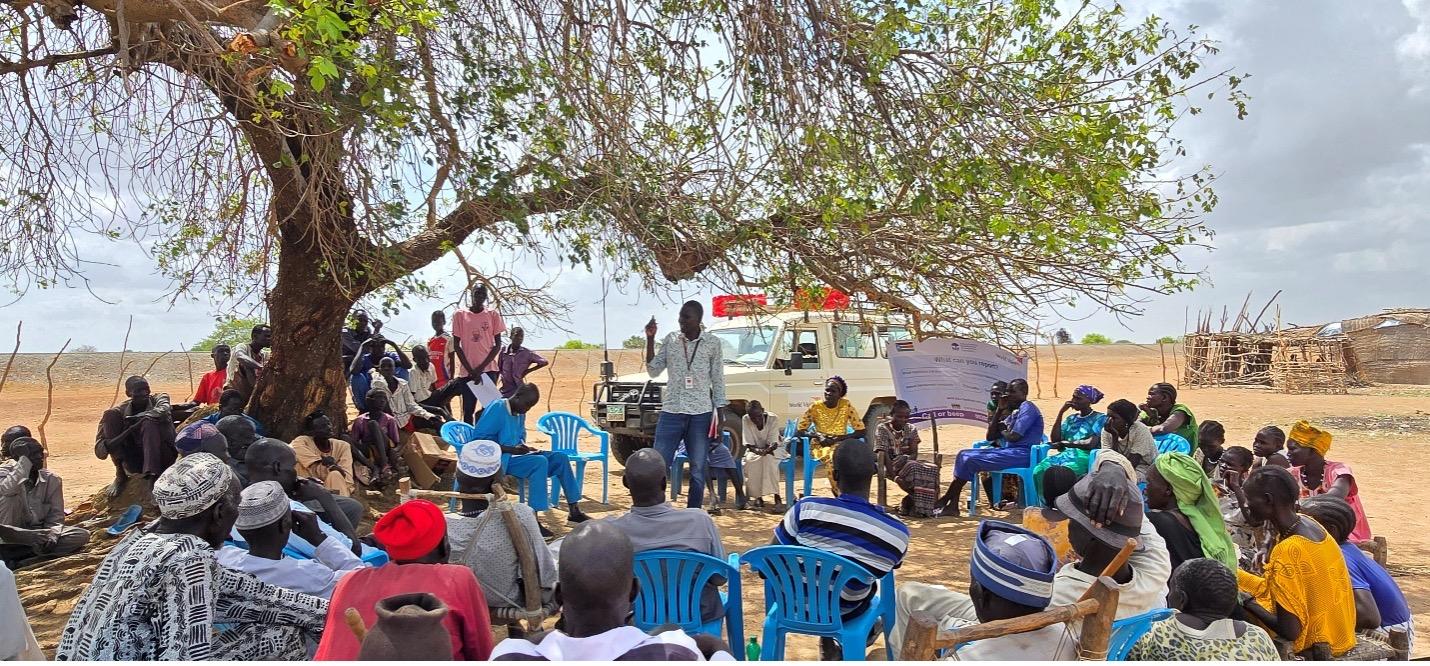
Community voices reinforced the urgency of action.
Nyariak Garang from Aweng Payam encouraged women and girls to take GBV, SEA, and grievance reporting awareness seriously, protect themselves from exploitation, and share these messages with others.
Nyariak Lual from Keet Boma pointed to neglect and poor nutrition as contributing factors to harmful outcomes, including stillbirths.
These sessions were more than awareness activities. They became spaces for truth-telling, reflection, and collective responsibility—where harmful norms were challenged, barriers to reporting were acknowledged, and communities began to see their role in protecting women and girls.
Ending GBV remains difficult, with barriers such as stigma, fear of reporting, limited services, and poor access to justice. But as communities begin to talk, listen, and act, change is starting to take root. By opening up these conversations, ECRP II is helping communities take meaningful steps toward addressing the root causes of GBV and breaking down the barriers that allow it to persist—so that women can live safer, healthier, and more empowered lives.
Story by Stella Inya and Diwa Aquino-Gacosta; Photos by Stella Inya/World Vision