
North-Western’s Learners Shape A Climate-Resilient Future

By Christabel Mundike, Communications Officer, Zambia
Mwinilunga District is one of Zambia's wettest districts, receiving abundant rainfall each year. Yet despite this natural advantage, farming communities continue to face challenges. Heavy rains can wash away fertile topsoil, leach nutrients from already fragile soils, and contribute to the siltation of streams and waterways. At the same time, changing weather patterns, including dry spells, are making it increasingly important for communities to manage water more effectively.
At Muwozi Primary School, learners are discovering that resilience is not simply about having water. It is about learning how to manage water, soil, and ecosystems in ways that support productive landscapes and sustainable livelihoods.
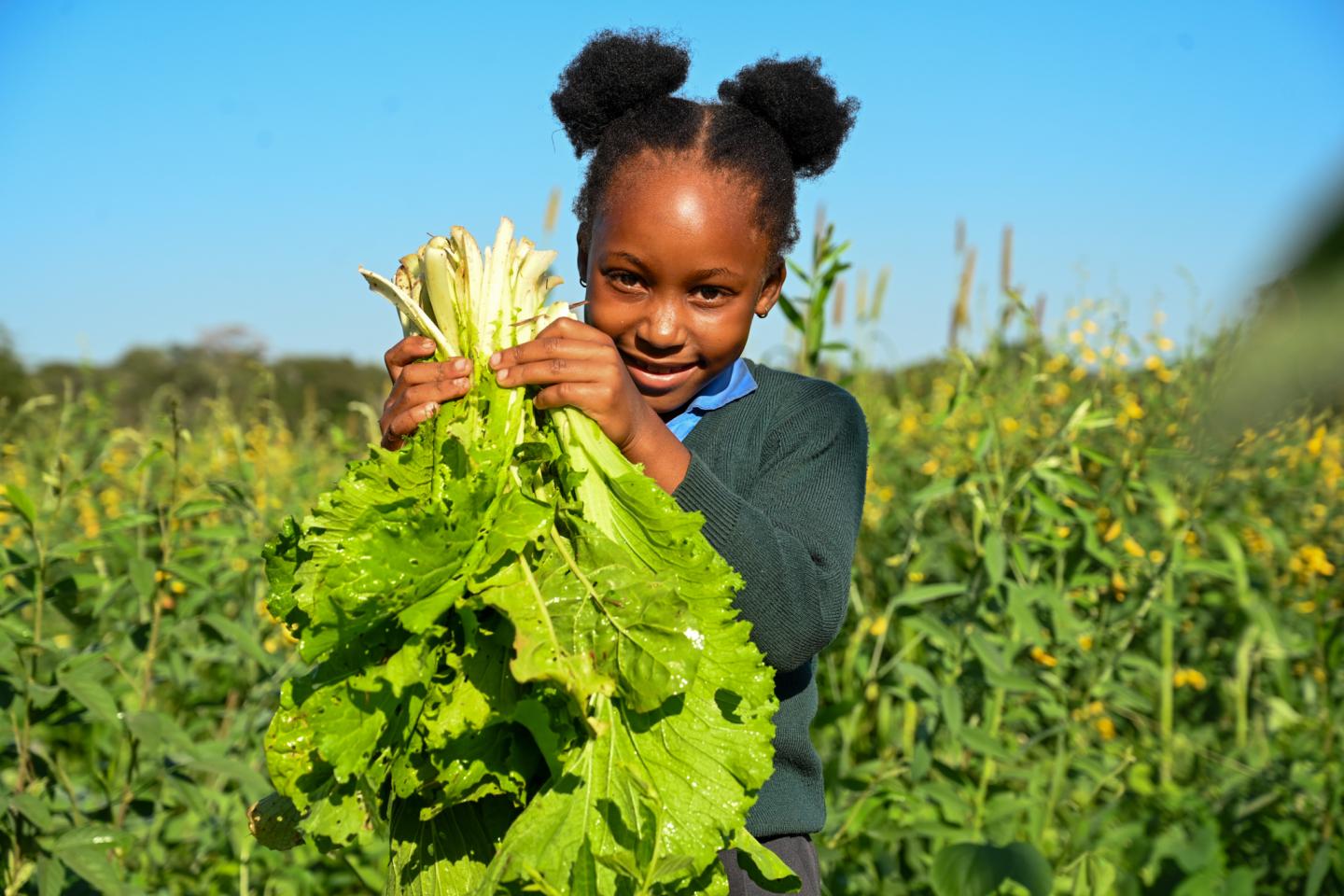
Through the Climate Resilience Agroecological Hub (CRAH) Project, the school has become a practical learning site where learners, teachers, and community members are exploring solutions to some of the environmental challenges affecting their area.
The hub demonstrates a range of agroecological practices designed to restore landscapes and improve water management. These include bioswales, check dams, food forests, permagardens, and other structures that help slow, spread, sink, and store rainwater within the landscape.
The project has equipped learners with knowledge on how to keep soil healthy, retain moisture, reduce erosion, and conserve water. For many learners, these are concepts they had never encountered before.
“The CRAH project has taught me many things I never knew before,” says 12-year-old Anointing. “I have learnt how to keep the soil alive, how to keep water in the soil, and how to control soil erosion. We have also learnt how to slow, spread, sink and save rainwater. We have learnt how to manage rainwater more effectively, and the flooding that previously affected the toilets has significantly reduced”
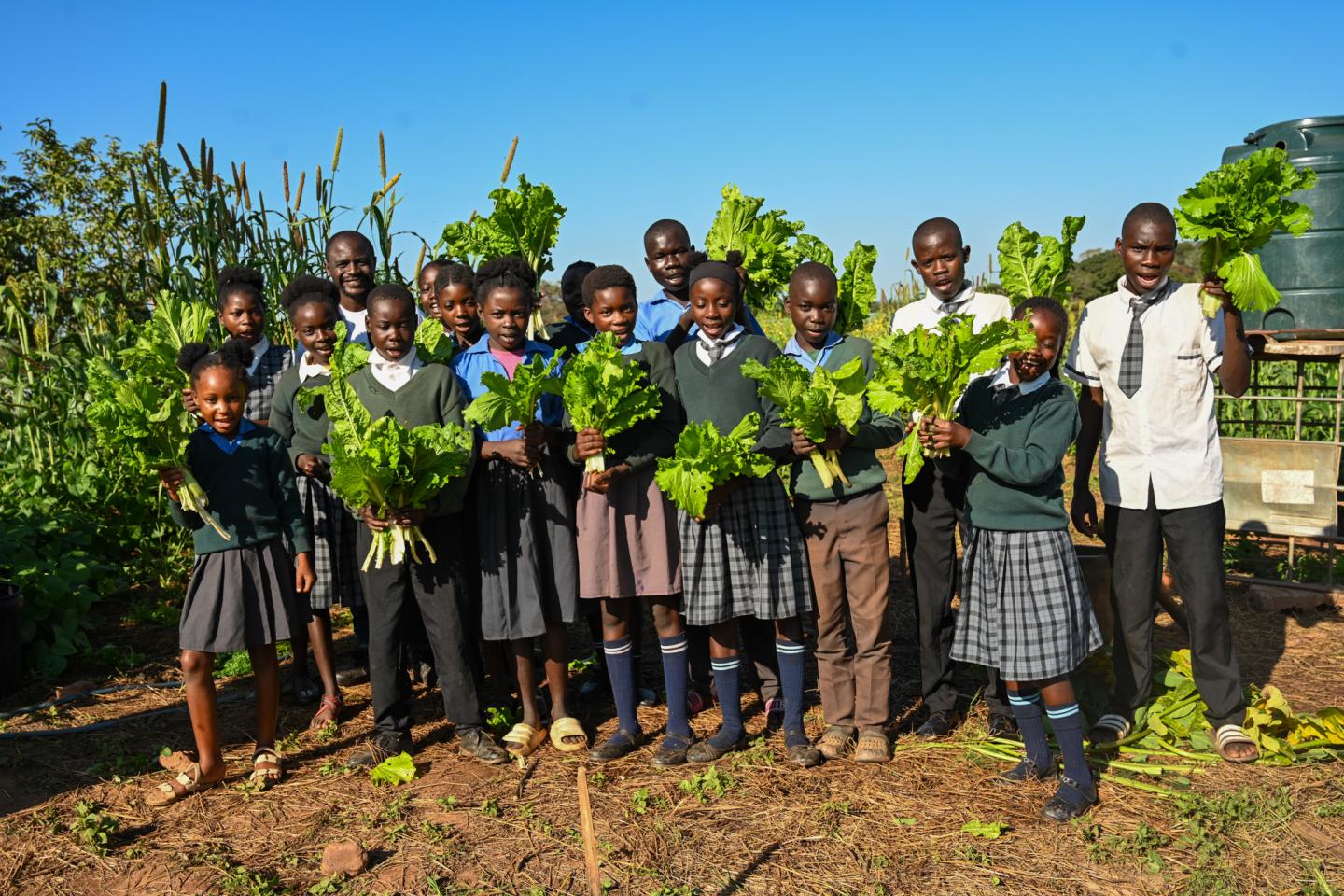
The lessons are practical and visible. Learners are observing how vegetation protects soil, how water can be retained in the ground rather than running off the land, and how healthy soils support food production.
Beyond water management, learners are also gaining skills in ecological farming. At the hub, they are learning how to prepare natural pest management solutions using locally available materials such as papaya leaves, chilli, garlic, and onion. These methods provide an affordable alternative to synthetic pesticides while helping to protect the living organisms that contribute to healthy soils.
“We use these natural ingredients because it is a safe and affordable way of managing pests,” explains 14-year-old Wana. “We have learnt that healthy soil has living things that help crops grow, and chemicals can harm them.”
Perhaps the strongest sign of the project's impact is that learning is extending beyond the school grounds.
Inspired by what they are learning at the hub, learners are beginning to replicate these practices at home. Monitoring visits have already confirmed that at least 14 learners have established climate-resilient practices within their households, including permagardens, swales, and half-moon water harvesting structures.
“I have made my own permagarden at home because I have seen how important it is,” says Success. “The vegetables look healthy, and I now understand how this can help my family.”
Across the school, the impact of these practices is becoming increasingly visible.
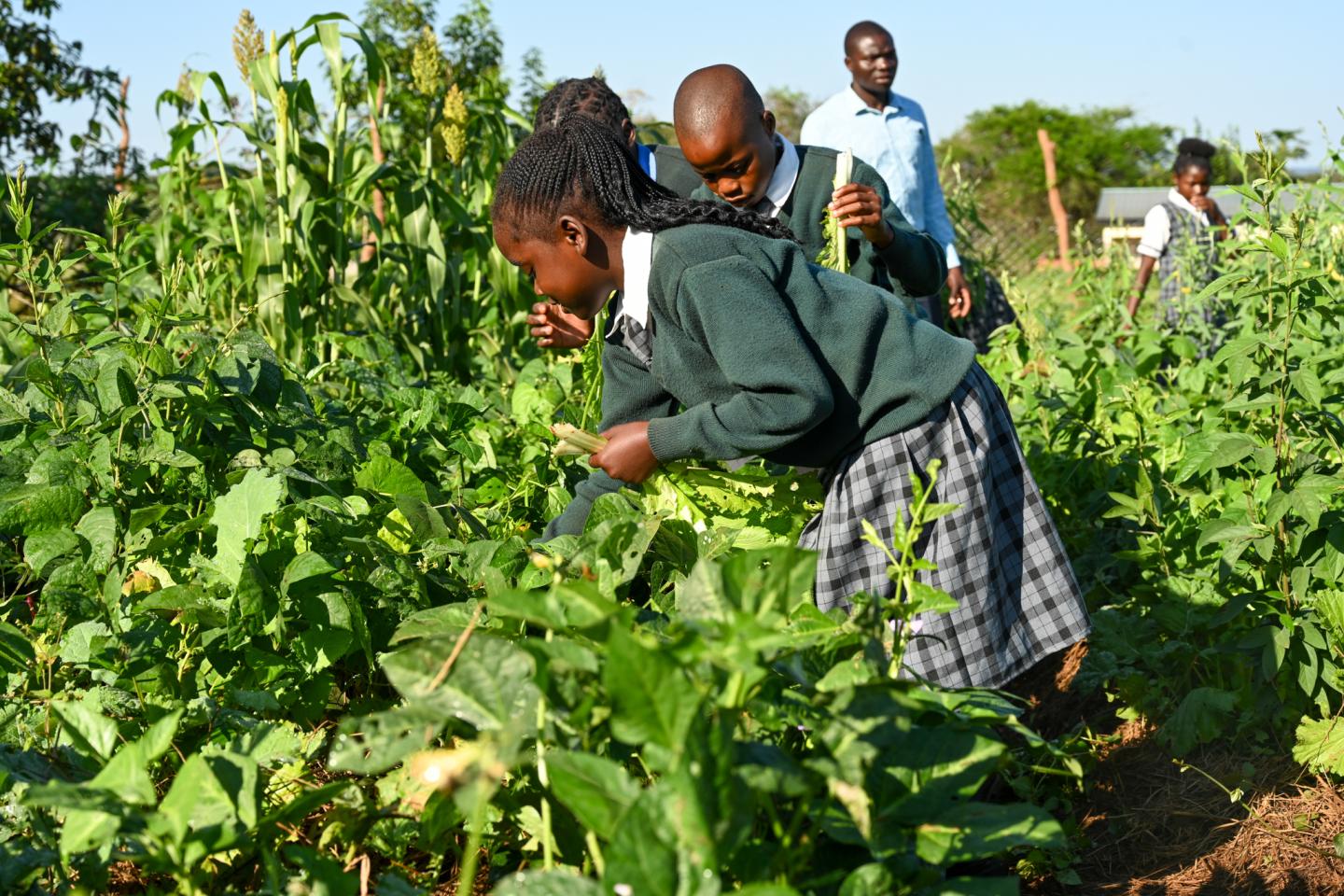
For 11-year-old Thelgracious, the knowledge gained at the hub is something meant to be shared.“What I learn here, I also teach at home,” says Thelgracious. “Now my family can also start farming in a better way.”
The transformation has also been noticed by school leadership.
Godfrey Sondowe, Deputy Headteacher at Muwozi Primary School, says the project is helping learners become active contributors to environmental stewardship within their communities.
“I stand here as a happy person because I have witnessed what these learners are doing,” he says. “They have become ambassadors of climate change awareness and are sensitising other community members. I have also decided to adopt this farming model because now I will be able to grow food all year round.”
While the hub was only established in March, it is already demonstrating how schools can serve as centres of learning, innovation, and community transformation. Learners are not only producing vegetables; they are developing practical skills in water management, soil restoration, and agroecological farming that can strengthen resilience far beyond the school grounds.
At Muwozi Primary School, the lessons are simple but powerful: healthy soils, well-managed water, and thriving ecosystems are the foundation of resilient communities. By taking these lessons home, learners are helping their families and communities prepare for an uncertain climate future.