
Renewable Energy Road Show Connects Rural Communities to Technology, Finance and Markets

By Njavwa Simukoko, Communications Specialist, Zambia
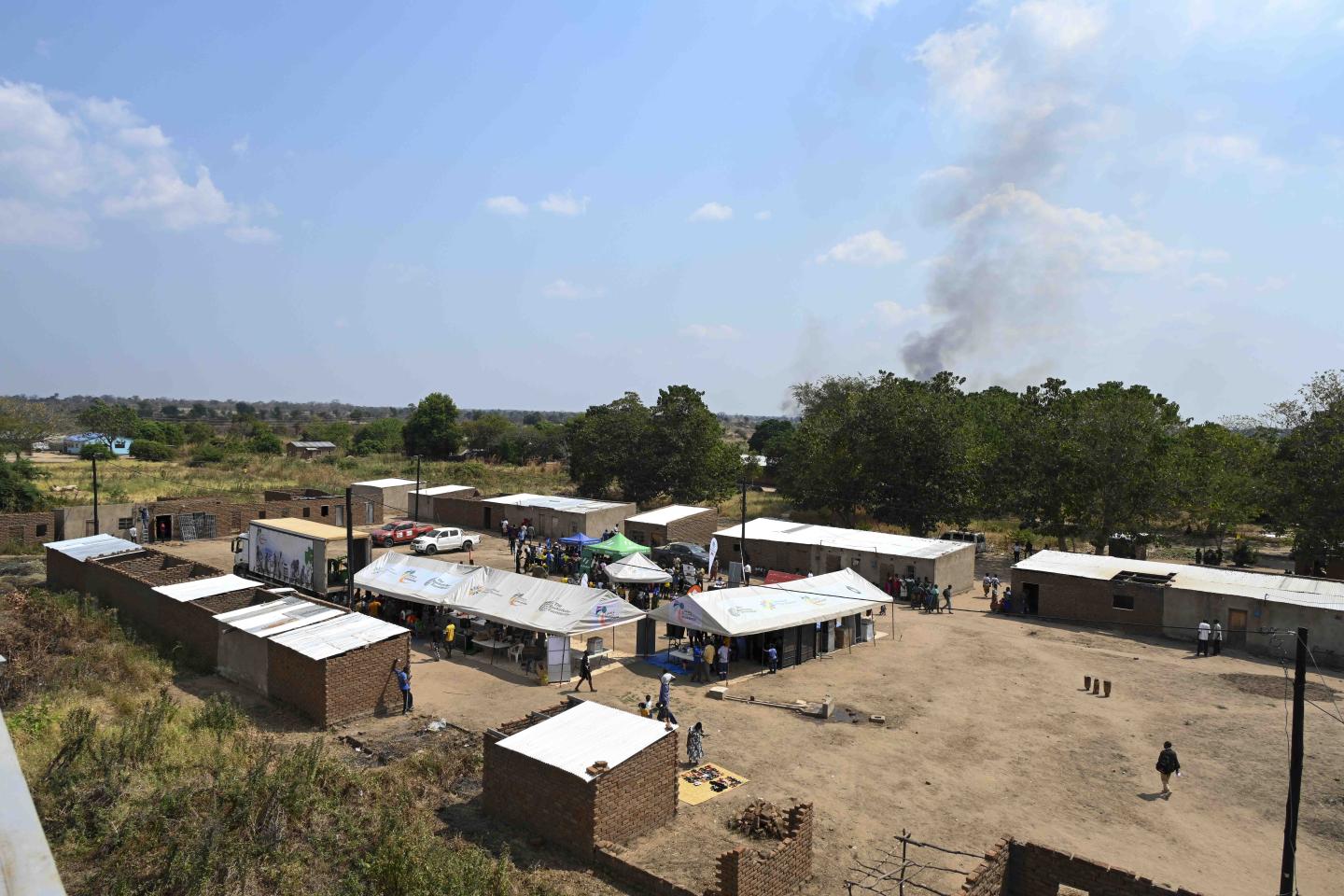
A Renewable Energy, Energy-Efficient Technologies and Market Linkage Road Show organised by World Vision Zambia has connected rural households, farmers and entrepreneurs in Chama District with clean-energy technologies, financial services, technical skills and new business opportunities.
Held at Manga Market, the road show promoted the productive use of electricity generated by a 58-kilowatt solar microgrid constructed by World Vision Zambia with support from the European Union in Zambia and private-sector partners.
The event brought together community members involved in income-generating activities, renewable-energy technology suppliers, financial institutions, government departments and other key stakeholders.
A National Gap the Road Show Sought to Close
Access to electricity remains one of Zambia's most persistent rural development gaps. According to World Bank data, only 17.6%of Zambia's rural population had access to electricity as of 2023, compared with more than 75% of urban households. The Rural Electrification Authority's own master plan puts current rural coverage even lower, at 8.1%, against a national target of 51% by 2030. Financial exclusion follows a similar pattern: the Bank of Zambia's FinScope 2020 Survey found that while overall financial inclusion had risen to 69.4% nationally, rural financial inclusion stood at 56.9%, well below the urban rate of 83.8%. Zambia's National Financial Inclusion Strategy II (2024–2028) has since set a target of 80% inclusion nationwide by 2028. Against this backdrop, initiatives such as the Chama road show address two compounding barriers to rural livelihoods at once: the absence of power and the absence of the financial tools needed to put power to productive use.
Bringing Technology Closer to Communities
Suppliers showcased solar-powered irrigation systems, solar home systems, energy-efficient appliances, electric hammer mills, peanut butter processing machines, oil expellers, sewing machines and groundnut shellers.
By bringing these technologies directly to the community, the road show enabled households and entrepreneurs to purchase equipment locally, reducing transportation costs and improving access to tools that increase production and support value addition.
Community response was immediate. One participating solar supplier recorded more than 20 sales during the event, an indication of demand for affordable renewable-energy products in a district where grid coverage remains limited.
A Brighter Future for Five Children
For Mary, a parent of five school-going children, the road show provided an opportunity to purchase solar lights to support their education.
"I bought these lights so that they can help my children with their schoolwork and homework. The lights will help them study at night," Mary explained.
In communities where access to electricity remains limited, solar lighting gives children a safer, more reliable environment in which to study after sunset.
"We are very happy with what was brought to the road show because there were many useful products. We are grateful to World Vision and hope another road show can be organised closer to our community," Mary added.
Solar-Powered Irrigation Strengthens Farming
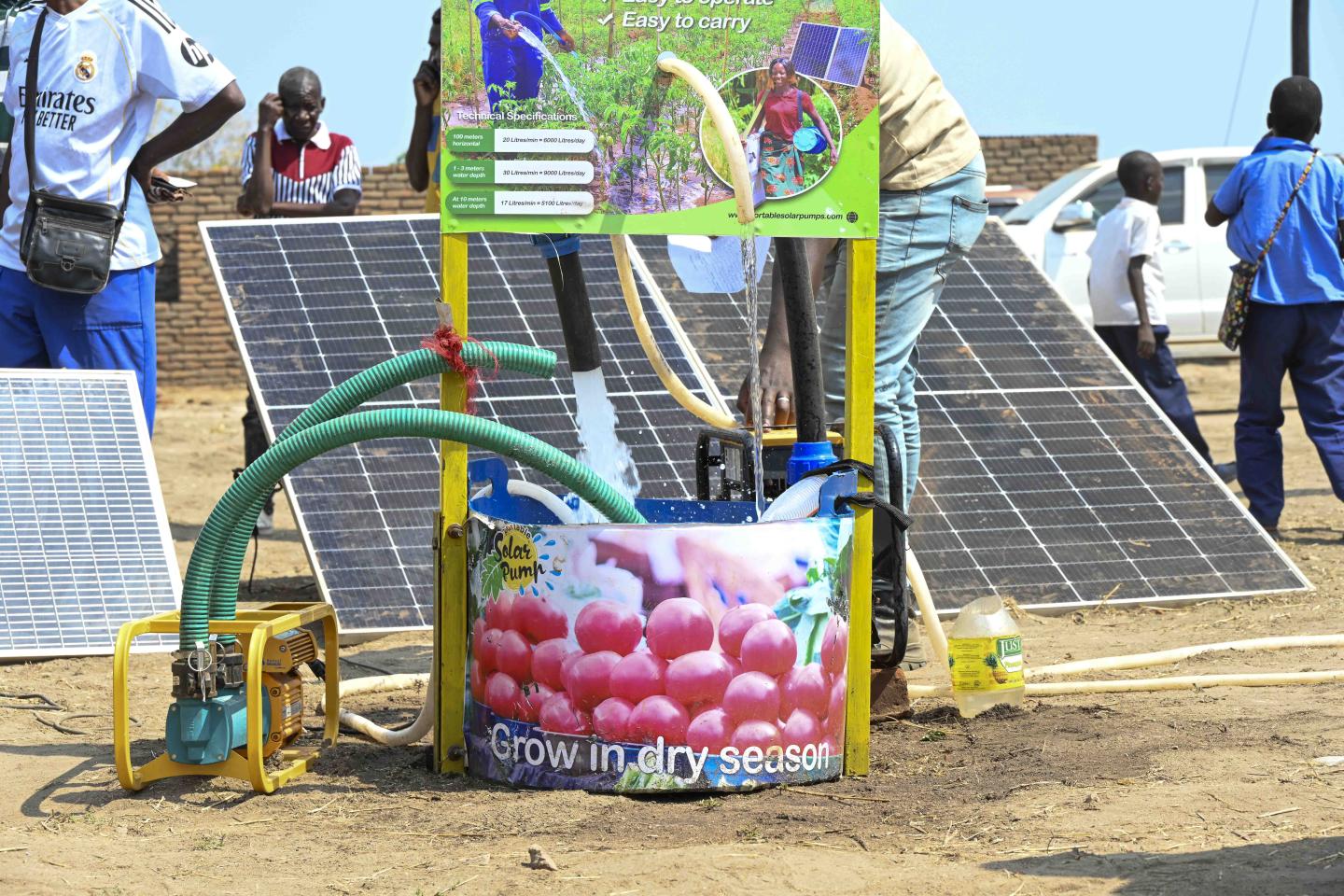
The road show also introduced Jonathan Mtonga, a gardener from Chikwa, to a solar-powered water pump now transforming how he irrigates his garden.
"My main interest was the solar water pump. I bought it and have now installed it in my well because I grow vegetables," Jonathan said.
Jonathan became the first person in Chikwa to own and use this type of solar water pump.
"I am the first person in Chikwa to have a water pump like this. This has happened because World Vision brought the road show and the suppliers closer to us," he added.
The pump will help him access water more efficiently, increase agricultural production and strengthen his household's livelihood.
Expanding Financial Inclusion
Financial institutions participating in the road show introduced community members to affordable financing, loan products and digital-banking services to support investment in productive-use technologies.
More than 370 community members opened bank accounts, including 300 with NATSAVE Bank and 70 with Access Bank. Set against Zambia's rural financial inclusion rate of 56.9 percent (FinScope 2020), each new account represents a household moving from the financially excluded minority into the formal system. The accounts will enable farmers to receive electronic payments for maize sold to the Food Reserve Agency, in line with current payment requirements, and will help community members build connections with formal financial institutions, manage earnings more securely and access financing for future investment.
Creating Jobs for Rural Youth
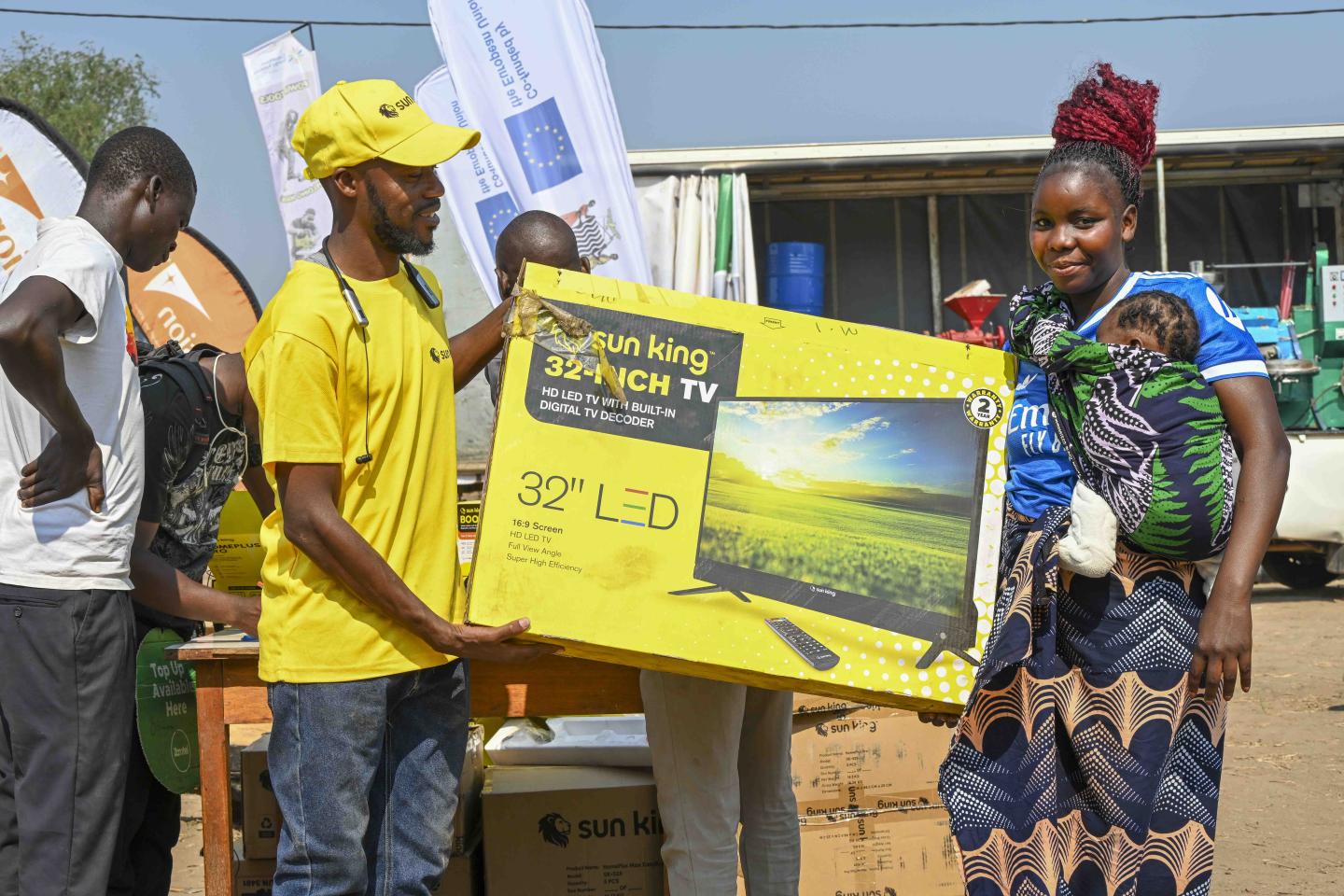
The road show created employment and entrepreneurship opportunities for young people. A total of 20 youths, 16 males and four females, were linked to Sun King as sales agents for energy-efficient technologies.
With Zambia's youth unemployment rate at 9.89% in 2024 (World Bank modelled ILO estimate) and formal job creation in rural districts especially scarce, agent roles of this kind give young people a route into income-generating work close to home. As local sales agents, the youths will help expand access to renewable-energy products within their communities while earning an income.
The event also identified capacity-building needs and training opportunities in tailoring, equipment installation, machine operation, servicing and maintenance. These skills will help communities use the technologies effectively and sustain them over time.
Supporting Local Enterprises
Three electric hammer mills were purchased during the road show by a women's cooperative, a youth cooperative and an individual small and medium enterprise entrepreneur previously trained by World Vision Zambia.
The equipment will enable the beneficiaries to process agricultural produce locally, improve business productivity, reduce the cost of accessing processing services and create opportunities for value addition.
The sales demonstrate how access to electricity translates into practical economic opportunity for cooperatives, young people and local businesses.
Turning Energy Access into Economic Opportunity
The road show went beyond raising awareness of renewable energy. It connected communities to technologies, financial institutions, skills-development opportunities and markets, at a moment when national data show rural Zambia still trails urban areas on both electricity access and financial inclusion by wide margins.
Immediate results included:
- More than 370 new bank accounts opened
- 20 rural youths linked to Sun King as sales agents
- Three electric hammer mills purchased by local enterprises
- More than 20 solar products sold by one participating supplier
- Solar lights purchased to support five children's education
- A solar water pump purchased and installed by a local gardener
Through partnerships with the European Union, private-sector suppliers, financial institutions, government departments and local communities, World Vision Zambia is helping ensure that clean energy does more than supply electricity.
The road show helped children study, enabled a farmer to irrigate his garden, supported businesses adding value to agricultural produce, expanded financial inclusion and created employment for rural youth - practical steps against a national backdrop in which most rural households and a sizeable share of rural adults still lack reliable power and formal financial access.