article / March 12, 2026
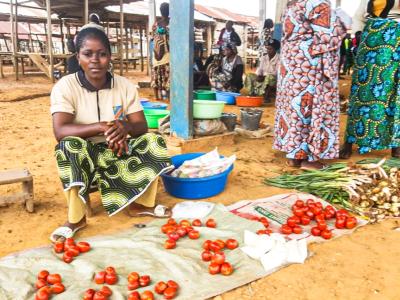
From Displacement to Determination: Neema Rebuilds Her Life Through Savings
In Mabalako, a small loan of about 105 US dollars from a Village Savings and Loan Association helped Neema, a 28-year-old mother displaced by violence, rebuild her life. After fleeing attacks by the Allied Democratic Forces with her husband and five daughters, the family struggled to survive through daily labor. Through the Empower project, implemented by World Vision with support from Irish Aid, Neema joined a savings group where she accessed small loans to start selling vegetables and tomatoes in the local market. The business allowed her to repay the credit, cover her children’s basic needs, and begin building a home with her husband. Neema’s story highlights how community savings groups are strengthening the economic resilience and self-reliance of conflict-affected families in eastern Democratic Republic of the Congo, offering hope in a region long affected by insecurity and poverty.
article / March 2, 2026
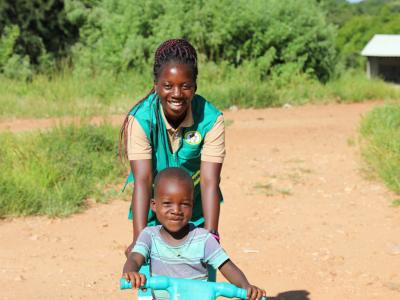
Health Within Reach: Reducing Child Mortality in Rural Mozambique
In Manica Province, Mrs. Ana’s grandson Emanuel survives malaria and diarrhoea thanks to trained Polyvalent Health Agents supported by the Rotary Healthy Communities Challenge Project, bringing lifesaving care closer to rural families in Mozambique.
publication / March 16, 2026
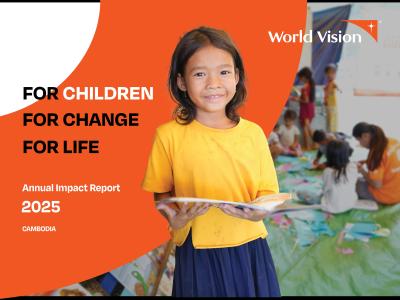
Annual Impact Report 2025
World Vision International in Cambodia’s 2025 Impact Report highlights a year of resilience, adaptation, and collective action amid significant humanitarian and development challenges. In a rapidly changing context shaped by sector‑wide disruptions and escalating border‑related conflict, World Vision Cambodia worked closely with government authorities, partners, communities, and donors to respond to urgent needs while sustaining long‑term development efforts. In 2025, World Vision Cambodia reached 5.4 million people, including 3.1 million children, nearly one third of Cambodia’s population. Humanitarian response remained a critical priority, supporting over 144,000 displaced people across 100 displacement sites, including children and people with disabilities, through life‑saving assistance such as water, sanitation, food and non‑food items, cash assistance, education, health and nutrition services, protection, and psychosocial support. Beyond emergency response, progress was achieved across education, child protection, WASH, nutrition, livelihoods, climate action, social accountability, and inclusive programming. The year also marked 55 years of World Vision’s long‑term commitment in Cambodia, reflecting sustained partnership and a shared vision for every child to experience life in all its fullness.
article / March 14, 2026
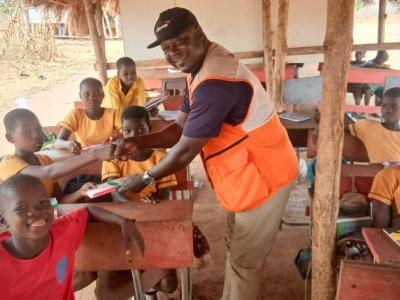
Driven by Compassion: How a Driver's Initiative Stitched Hope into 30 Young Lives
Local leadership shines at Sampson Community Basic School in Ashanti Region, where a simple car ride sparked meaningful change for students.
article / February 25, 2026
Reaching the unreachable: how mobile clinics transformed access to care in Gaya
Before the project, access to healthcare in the Gaya area was extremely limited. Many isolated villages forced vulnerable families to walk for hours to reach health centers in Tounouga or Gaya, often arriving too late for proper treatment. The situation was worsened by seasonal floods in Dosso and Tillaberi, which cut off communities and left thousands without essential health services. According to Mrs. Edui Ramatou, Head of the Gaya 2 Health Center, common illnesses such as malaria, diarrhea, and respiratory infections were difficult to manage due to limited supplies and reliance on only two small health posts.
In response, World Health Organization supported the project “Anticipatory health assistance for at-risk and flood-affected populations,” implemented by World Vision Niger and ISCV. Completed in May 2025, the project introduced mobile clinics that brought care directly to villages. Monthly consultations increased from 1,000 to 1,800, while trained community health workers improved case detection and follow-up. For mothers, children, the elderly, and pregnant women, access to timely care greatly improved. Although the project ended, its positive impact continues, and communities hope for sustained support to strengthen resilience against future floods.
publication / March 4, 2026
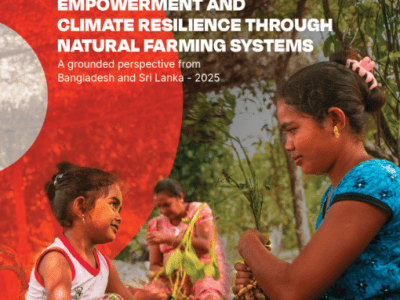
Building Gender Empowerment and Climate Resilience through Natural Farming Systems
Monash University and World Vision study reveals how natural farming drives financial independence and climate resilience for women and their communities in Bangladesh and Sri Lanka.
article / February 24, 2026
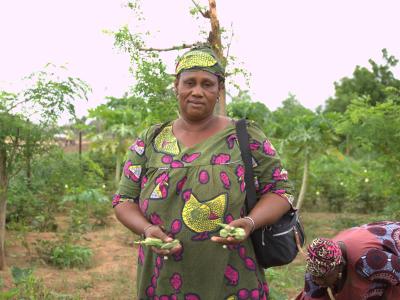
Un jardin source d’opportunités pour le groupement féminin "Sinignèsigui"
De plus en plus, les aléas climatiques affectent l’agriculture dans les pays du Sahel réduisant significativement les récoltes. Au Mali, les communautés ont donc développé des solutions alternatives pour combler le manque à gagner : le maraîchage.
publication / March 17, 2025
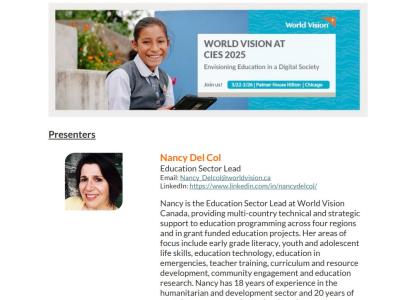
CIES bios of World Vision Presenters
CIES bios of World Vision Presenters
article / February 20, 2026
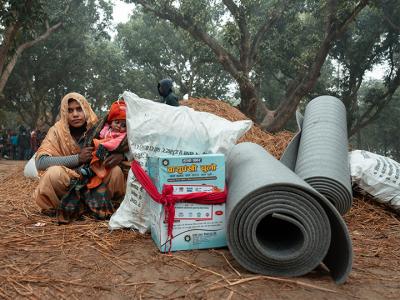
Acting Before the Cold Strikes: How Early Support Protected Families in Madhesh
World Vision’s anticipatory action, supported by Start Fund Nepal and UK Aid, helped vulnerable communities in Madhesh stay warm and safe before the cold wave hit.
article / February 13, 2026
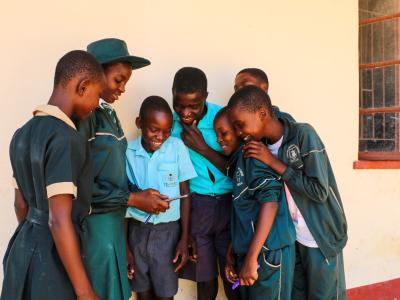
From Limited Resources to Limitless Learning: A Digital Leap for Lupane Primary School
For the children at Lupane Primary School, the tablets are more than technology, they are windows to new possibilities, inspiring dreams, building skills, bridging the digital divide and bringing hope that every child, no matter where they live, can succeed.