article / August 27, 2026
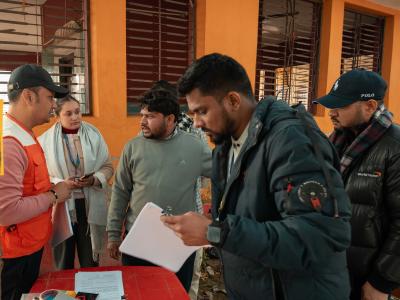
World Vision Ghana Trains over 270 Health Workers to Strengthen Community-Based Surveillance and Care for Neglected Tropical Diseases
World Vision Ghana, in partnership with the National NTD Programme, is strengthening community-based surveillance and care for neglected tropical diseases through the training of frontline health workers, improving early detection, referrals, NHIS enrolment and access to essential healthcare services.
publication / August 28, 2026
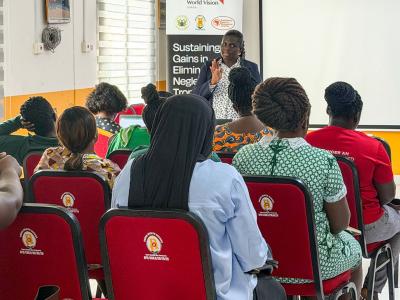
CORE Group Partners Project (CGPP) An Integrated Community Platform for Maternal & Child Health, Polio Eradication and Global Health Security (GHS)
CORE Group Partners Project (CGPP) An Integrated Community Platform for Maternal & Child Health, Polio Eradication and Global Health Security (GHS)
video / August 26, 2026
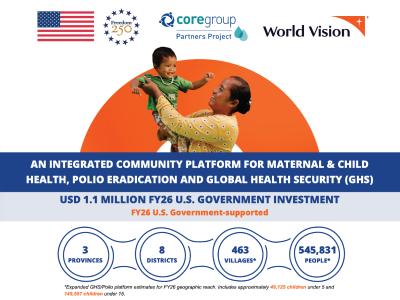
From Financial Struggles to a Thriving Farmer
At 31, Busisiwe is building a brighter future through farming after experiencing pregnancy as a teenager. Supported by World Vision’s HIV prevention project and Youth Enterprise Revolving Fund, she is strengthening her livelihood and economic independence.
article / August 27, 2026
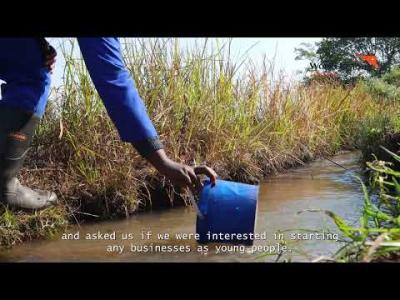
World Vision Ghana Calls for Enhanced Border Preparedness as Humanitarian Pressures Rise in West Africa
World Vision Ghana is urging stronger border surveillance and humanitarian preparedness as insecurity and climate shocks in Burkina Faso increase displacement pressures across West Africa, threatening vulnerable communities along Ghana's northern frontier.

article / August 6, 2026
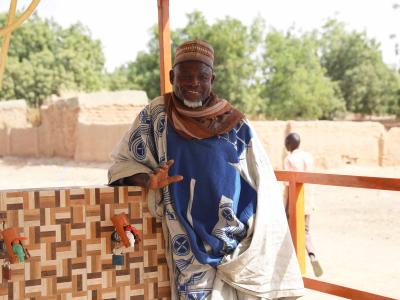
Water for Life: Guidan Kane Katshinawa Transformed by a Water Well
A World Vision-supported borehole is improving access to safe drinking water and strengthening health and wellbeing in Guidan Kane Katshinawa, Niger.
press release / August 26, 2026
Flash flood devastates Rasuwa and Nuwakot, leaving 162 dead and over 400 missing; World Vision International Nepal readying humanitarian response
Copilot said:
Flash floods in Rasuwa and Nuwakot have caused widespread devastation, leaving 95 dead and nearly 400 missing. WVI Nepal is preparing emergency food and shelter assistance for affected families.
press release / August 25, 2026
Nine Years of Struggle: Rohingya Children Caught Between Climate Disasters and Plunging Aid
Nine years into protracted displacement, escalating climate disasters and a 24% aid cut threaten 1.2 million Rohingya refugees, prompting World Vision to call for global responsibility-sharing and durable, nexus-driven solutions for children and host communities.
video / August 21, 2026
Ebola Outbreak Reaches Critical Turning Point as World Vision Calls for Urgent Action
As Ebola cases continue to rise across eastern Democratic Republic of the Congo, the humanitarian response is at a critical turning point. In a recent media interview with Al Jazeera Media Network, World Vision DRC's East Zone Director, David Munkley, warned that the outbreak has exceeded all expectations, with daily cases increasing dramatically and the disease spreading into new health zones. He highlighted the urgent need for greater investment in prevention, community engagement and frontline health services, stressing that trusted local voices - including faith leaders, schools, community leaders and health workers - are essential to building confidence and helping communities adopt life-saving measures. Above all, he called for stronger support to protect children and families who remain at the heart of this crisis. Watch the full interview below and join us in raising awareness of the urgent need for collective action.