publication / August 26, 2026
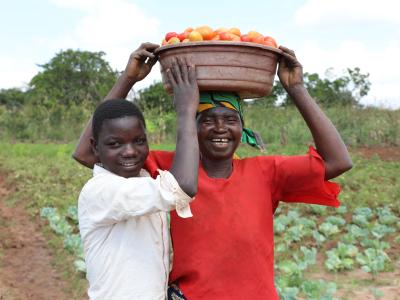
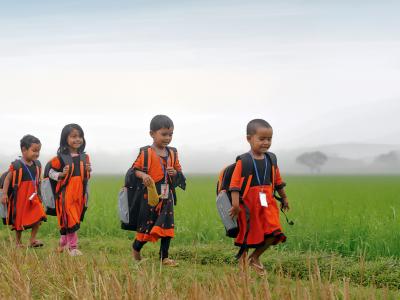
POLICY BRIEF: Debt for What?
This policy brief on public debt utilisation in Kenya and Zambia, examining how borrowed resources translate into development outcomes
article / August 21, 2026
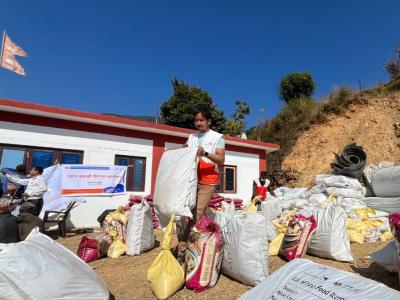
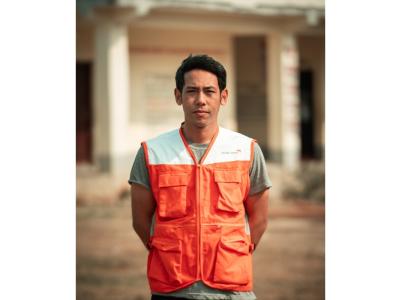
At the Frontline of Crisis and Recovery
From earthquakes to landslides, Nanda Budha reflects on leading humanitarian responses and standing with communities in crisis.
article / August 21, 2026
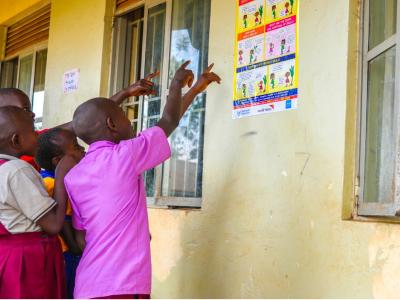
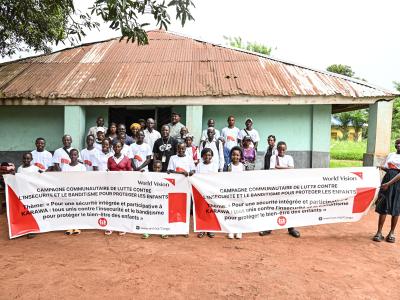
Karawa Communities Raise Their Voices for Security Through Citizen Voice and Action
This article highlights how communities in Karawa, North Ubangi, used World Vision DRC’s Citizen Voice and Action (CVA) approach to identify insecurity as a key concern and peacefully advocate for stronger protection measures. Through community mobilisation, dialogue with authorities and a formal advocacy memorandum, residents demonstrated how informed citizens can influence local governance and contribute to building safer, more resilient communities.
publication / July 29, 2026
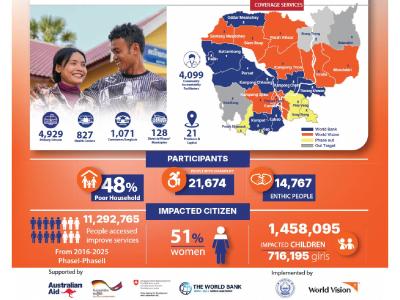
Factsheet | Engaging Citizens to Improve Service Delivery Through Social Accountability
Factsheet 2025 Engaging Citizens to Improve Service Delivery Through Social Accountability Project
article / August 24, 2026
Storytelling Beyond the Headlines
Not all stories make the headlines. Through conversations with children and communities affected by crises, Binod Thapa Magar reflects on the moments that continue to shape his journey as a humanitarian storyteller.
article / August 24, 2026
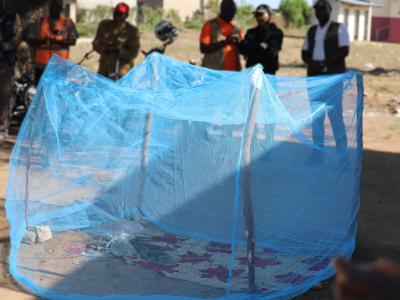
From Flood Recovery to Malaria Prevention in Gaza
Malaria risk rises in Mozambique’s Gaza Province after floods, prompting a major mosquito-net campaign to protect vulnerable families, especially children and pregnant women.
article / August 24, 2026
A Harvest That Put a Child Back in School
In Monapo, Mozambique, improved farming incomes through World Vision are helping children like 14-year-old Evanildo return to school and pursue their dreams.