Up the Economic Empowerment Ladder: Ghana Hosts Eleven+ Nations for the THRIVE Global Learning Summit 2026

Priscilla Adjei-Laryea, Communications, Advocacy and Public Engagement Coordinator
Accra, August 2026
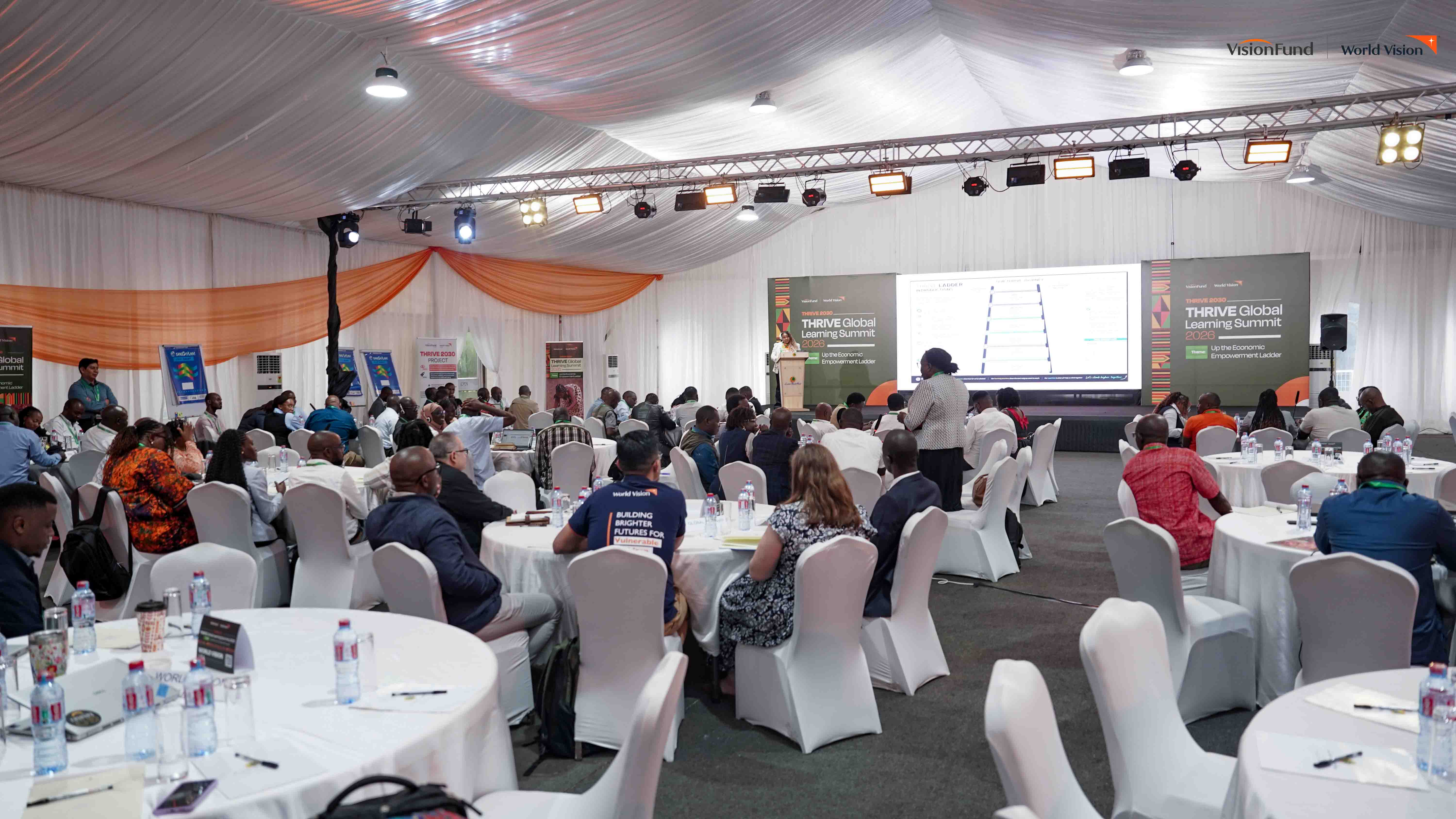
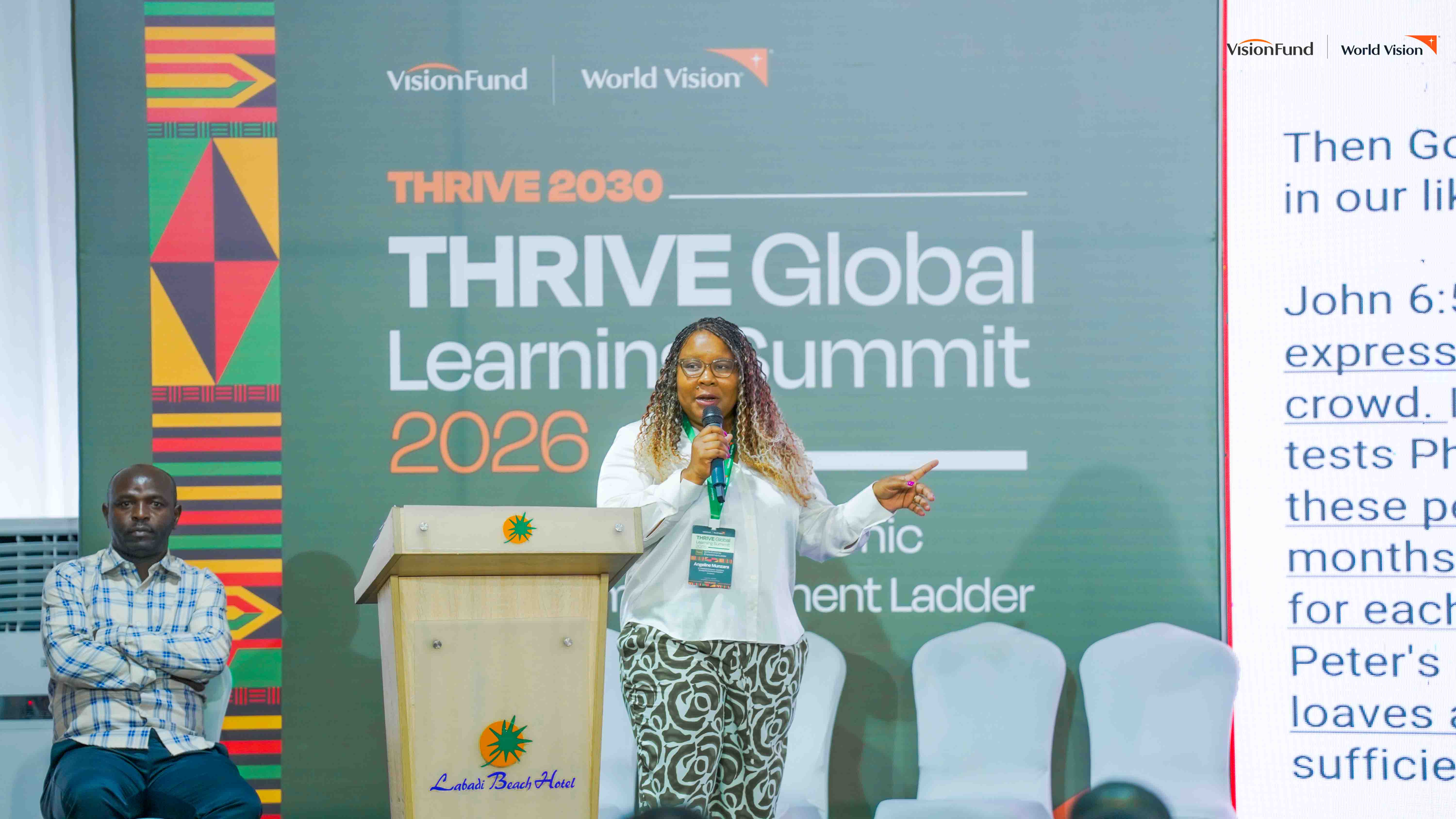
For five days, from 24–28 August 2026, the Labadi Beach Hotel in Accra hosted the THRIVE Global Learning Forum 2026, bringing together nearly 130 participants from all eleven THRIVE implementing countries, alongside representatives from World Vision International, VisionFund International, World Vision US and donors, under the theme “Up the Economic Empowerment Ladder.” Delegations from Guatemala, Honduras, Kenya, Malawi, Rwanda, Senegal, Tanzania, Uganda, Vietnam and Zambia joined their Ghanaian hosts to exchange evidence, experiences and lessons on strengthening economic empowerment and helping vulnerable households build resilience, increase incomes and sustain progress. The Forum took place against a global backdrop in which millions of households face poverty, limited financial access, climate change and constrained livelihood opportunities. These challenges are reflected in Ghana, where an estimated 7.3 million people live in multidimensional poverty, 42 percent lack access to formal financial services, and climate and environmental degradation costs approximately $6.3 billion annually, equivalent to more than a tenth of national GDP. In response, THRIVE 2030, implemented across 11 countries, is helping vulnerable households build resilience, strengthen livelihoods, and achieve sustainable economic empowerment. This will be achieved through an integrated approach combining savings, financial services, mindset transformation, market access, and livelihood support, guided by the Economic Empowerment Ladder from Resilience and Stability to Growth, Expansion and Opportunity. In Ghana, THRIVE 2030 has reached 1.722 million people across 14 climate-vulnerable districts since 2024, including 492,000 people reached directly, while the flagship Everyone THRIVE Ghana project has committed $12 million to help double the incomes of more than 400,000 people, targeting 160,000 households and 800,000 people by 2027.
A Ladder, Not a Slogan
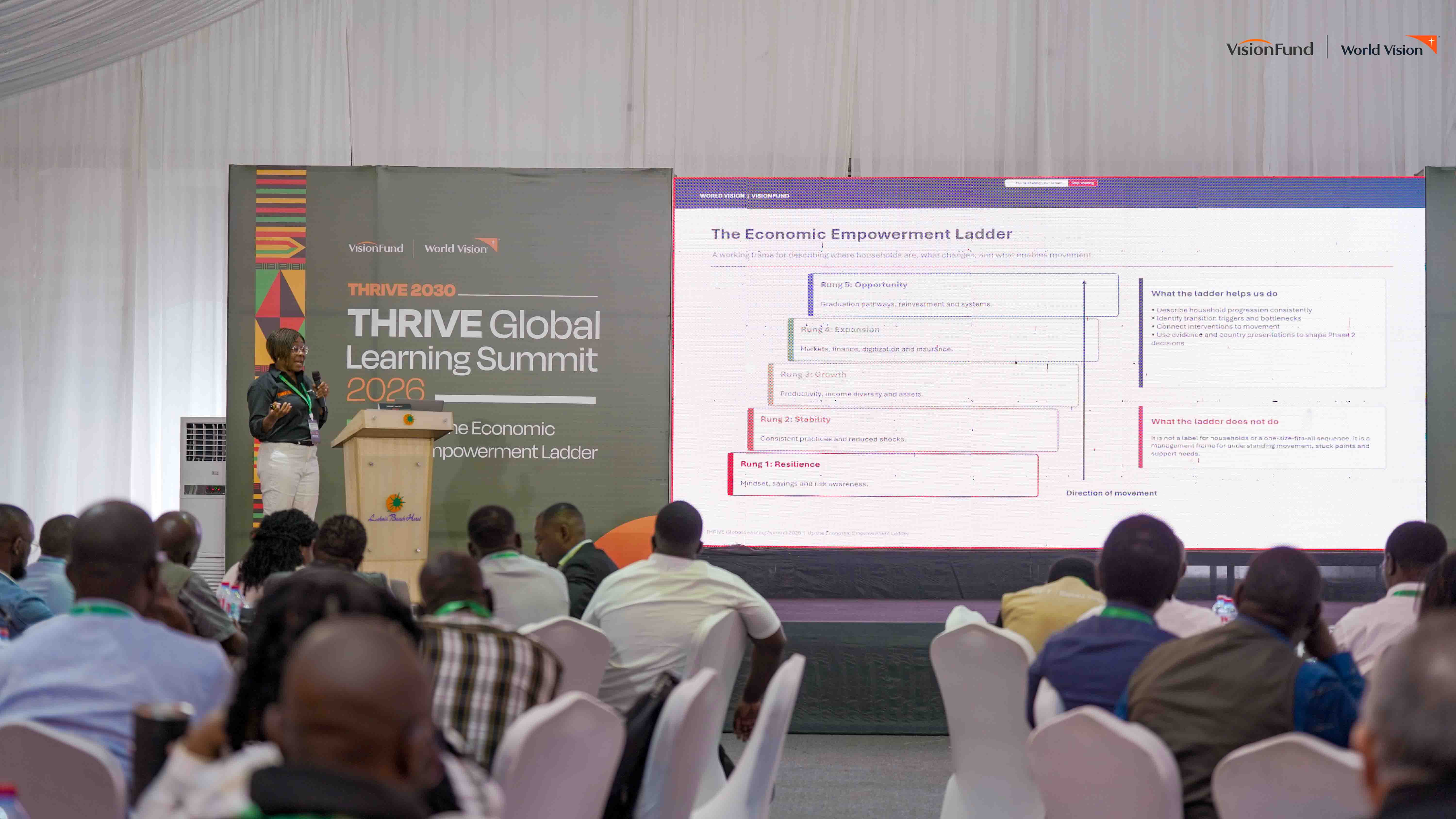
At the center of the Forum was the five-rung Economic Empowerment Ladder: Resilience, Stability, Growth, Expansion and Opportunity. Rather than serving as a label for households, the Ladder provides a common diagnostic framework for understanding where households are, what is enabling progress, where they are stuck, and what support is needed to help them move forward. The Forum challenged country teams to move beyond measuring activity completion, such as registrations, trainings, and groups formed to measuring progression: whether interventions are actually helping households climb from one rung to the next. Five questions anchored the discussions: Where are households now? What moves them upward? Where are they stuck? What must be decided? And what will actually be different when the Forum ends?
From Reach to Upward Mobility
The Forum positioned THRIVE 2030 as the scale-up of an evidence-informed model, building on THRIVE 1.0’s demonstrated improvements in income, livelihoods, assets and poverty outcomes. The challenge now is to scale the approach across eleven diverse country contexts without losing the local judgement required to determine the right sequence and pace of support. Participants agreed that what moves a household forward in northern Ghana may not be the same as what works in rural Malawi or Honduras.
Research presented during the Forum reinforced this point. Studies on digital savings tools in Malawi and Uganda showed strong uptake but indicated that financial impact evidence remains preliminary. Evidence from Kenya showed that onboarding savings groups onto a digital platform does not automatically translate into sustained use. Research on WASH and economic programming in Zambia and Honduras found clear health benefits from water and sanitation investments, while economic outcomes varied according to local implementation conditions.
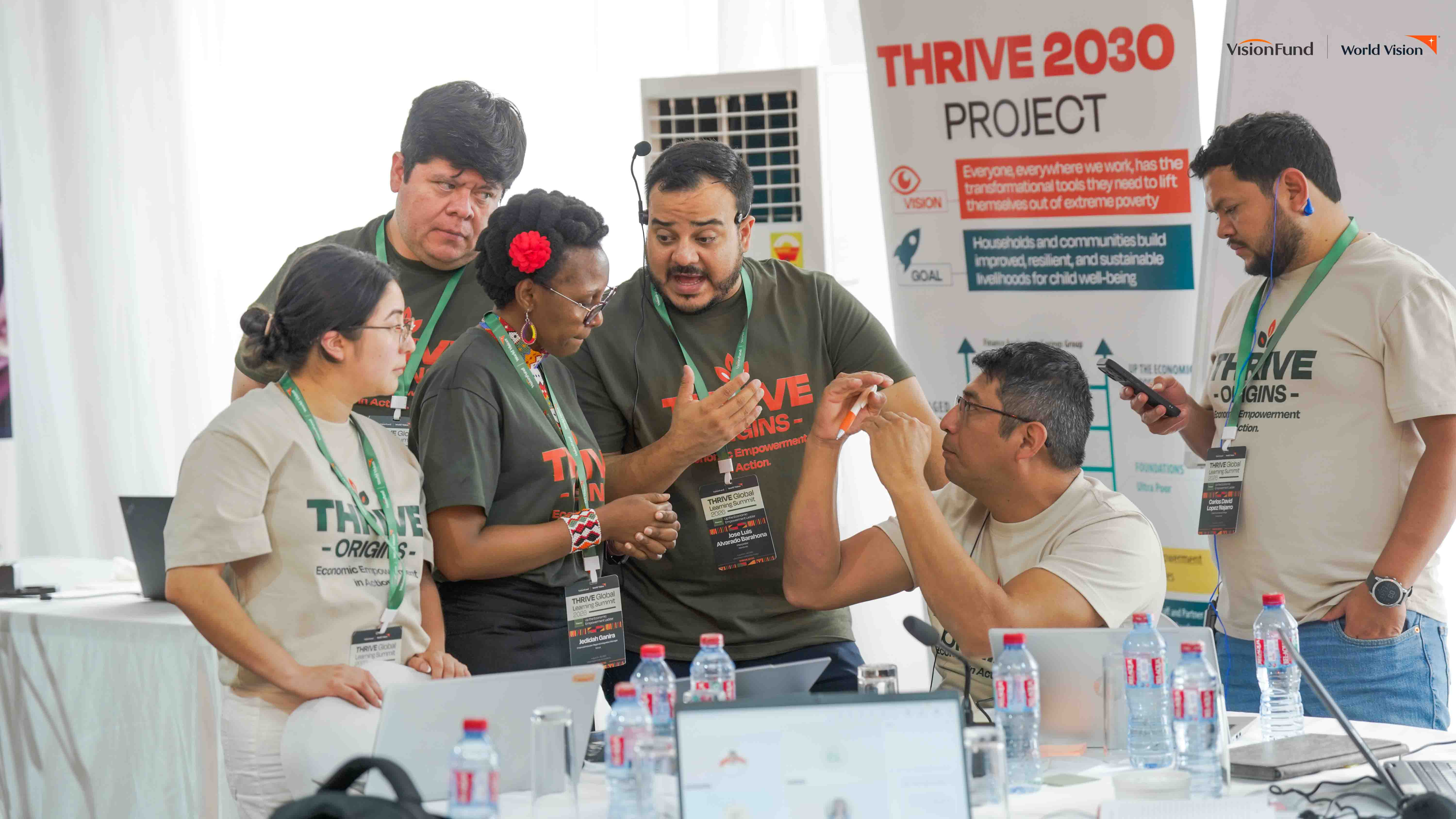
The message was clear: sequencing cannot be templated. It must be informed by evidence, context and the realities of households.
Savings, Mindset, Markets and Finance
Several core THRIVE components featured prominently throughout the technical sessions.
Savings for Transformation groups remain an important indicator of household readiness, helping families build the discipline and resources to invest in their futures. Biblically Empowered Worldview sessions complement savings by helping households recognise their capacity to shape their own future. As households begin to produce and earn more, inclusive Market Knowledge and Access (iMKA) connect them to markets, while FAST loans through VisionFund International provide access to finance, supported by a reported 98 percent repayment rate. Cutting across these interventions was a strong focus on Gender Equality, Disability and Social Inclusion (GEDSI), with participants emphasising that inclusion must be intentionally built into programme design rather than treated as an afterthought.
Partnership as Infrastructure
Another defining theme was the recognition that technical interventions alone cannot deliver sustainable economic empowerment. Strong, intentional partnerships are essential infrastructure for lasting impact. Delegations explored the full partnership lifecycle, from internal governance and honest diagnosis of challenges to structured agreements, joint planning, co-implementation and, critically, transition and sustainability.
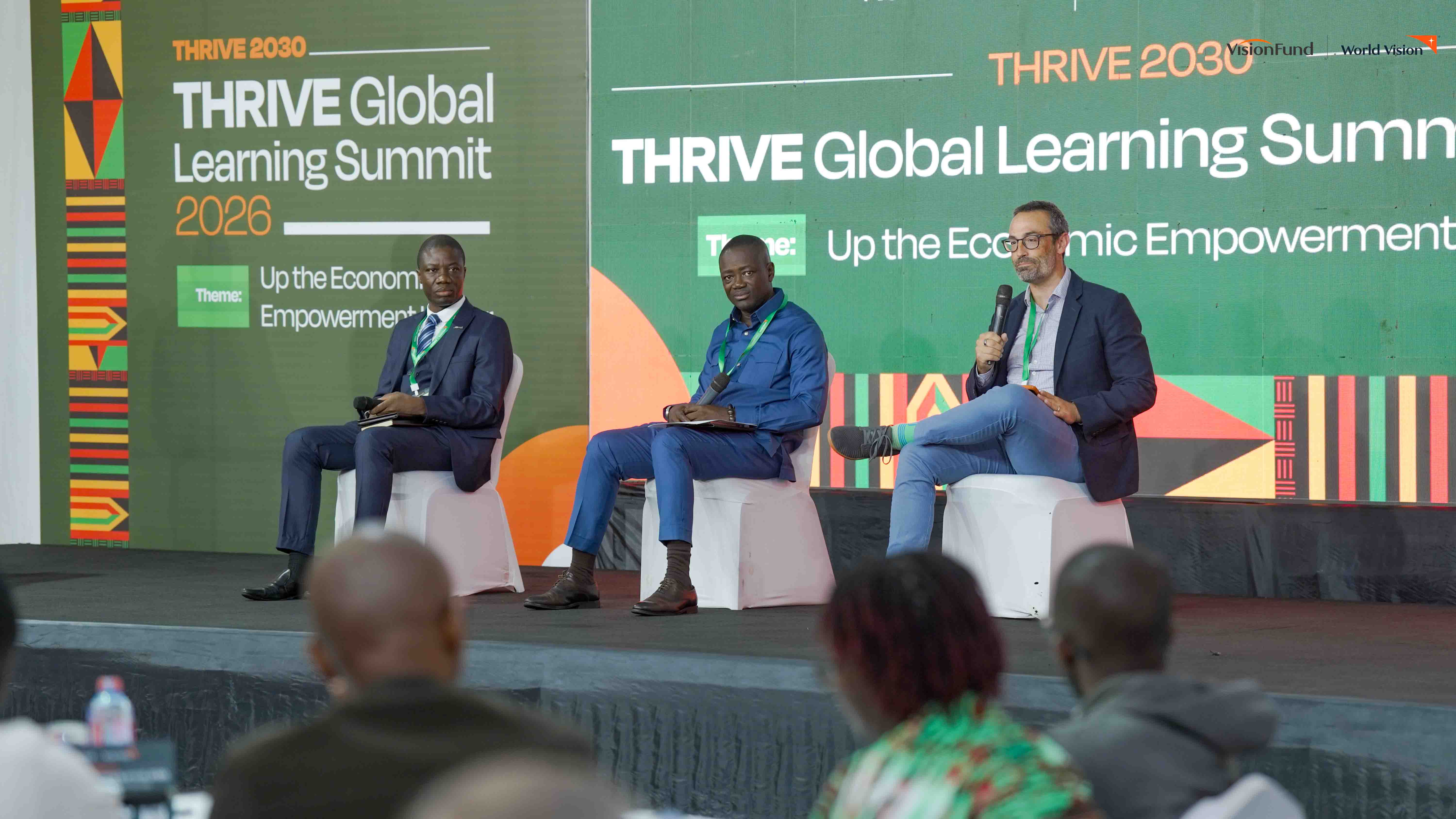
The Forum closed with a powerful reminder from Joshua Baidoo, the Acting National Director of World Vision Ghana: “Will without means is just encouragement. We have to give communities the wheel.”
The message was that empowerment must go beyond giving households the motivation to climb. It must give them the tools, capabilities, resources and control required to continue progressing when direct World Vision support ends.
A Shared Commitment Beyond THRIVE
The Forum also connected THRIVE to World Vision Ghana’s broader HOPE for Every Child strategy, Harnessing Opportunities for the Protection and Empowerment of Every Child, which seeks to improve the well-being of 2.8 million of Ghana’s most vulnerable children by 2030.
THRIVE serves as a critical household-income engine within this ambition. When household incomes stabilise and savings become productive capital, families are better positioned to provide nutritious food, keep children in school and strengthen their protection and well-being.
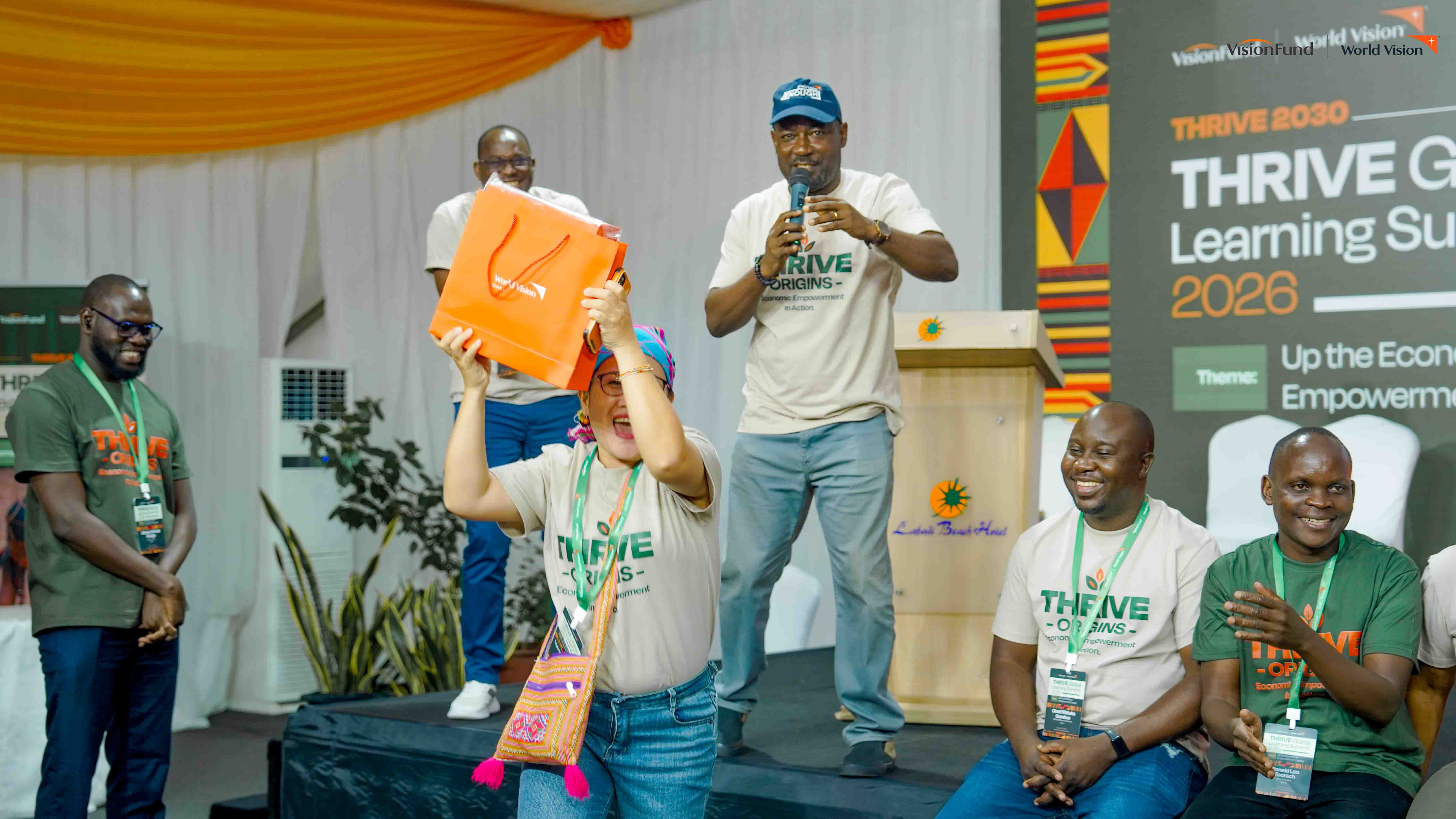
Participants left Accra with a decision log rather than a wish list, including named owners, timelines and follow-up commitments. The challenge now is to carry those decisions into implementation across all THRIVE countries.
The Forum’s final message was both simple and demanding: design every partnership, sequence and intervention as though the exit is already planned.
Because the ultimate measure of THRIVE 2030 will not be how well World Vision drives the journey, but how well it hands over the wheel, and how many households continue climbing the ladder of economic empowerment on their own.