
Leading Change: Building Stronger Communities for Ghana's Most Vulnerable Children

July 2026- Accra
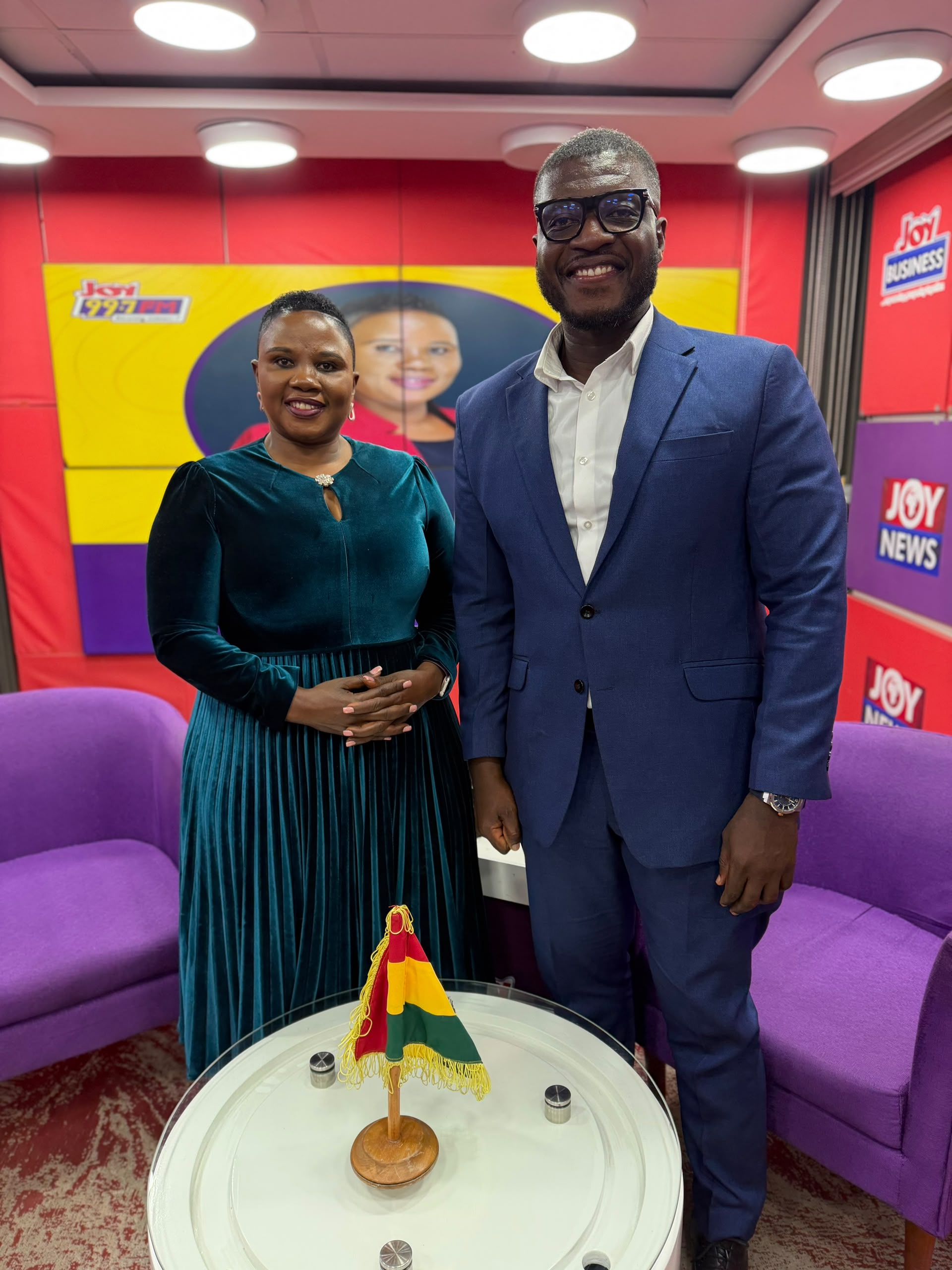
When Dr Tinah Tusiime Mukunda sat down with Lexis Bill on Joy 99.7 FM's Personality Profile, she shared more than a career story. She laid out how she is leading World Vision Ghana toward one of its most ambitious goals yet, and why she believes the country's development sector needs to work differently to get there.
A Mantra Built on Hard Work and Challenging the Status Quo
At the heart of Dr. Mukunda's leadership philosophy lies a simple yet demanding principle: relentless hard work and the courage to question conventional thinking. It is a mantra that has followed her across a career spent touching lives and caring for people, from the field to the boardroom. It now shapes how she is steering World Vision Ghana through its current strategy, HOPE[1] for Every Child.
That strategy carries a clear target: 2.8 million of Ghana's most vulnerable children. It is a goal that requires an organization built to move quickly, adapt to changing realities on the ground, and work closely with the communities it serves rather than for them.
An Organization Built to Work with Communities
Reaching a goal of that scale is not simply a matter of scaling up existing programmes. Under Dr Mukunda's leadership, World Vision Ghana is positioning itself as an agile organization, one that can respond to shifting community needs and adapt its Area Development Programmes initiatives to local realities. Its CARE[2] and LEARN[3] pillars are being brought together into a single, coherent push for child protection, education, and empowerment, built around communities themselves as partners in the work, not simply beneficiaries.
This is the model Dr Mukunda described on air. An organization that listens to communities first, then builds programmes and partnerships around what it hears.
A Call to Government, Private Sector, and Donors
The most direct part of the conversation was Dr Mukunda's appeal to Corporate Ghana, government, and donors. Her framing was clear. This is a Ghanaians-for-Ghanaians effort. She commended government for the work already underway to improve outcomes for children and pointed to the value of aligning with national priorities. At the same time, she was equally clear that government cannot carry this alone, and neither can any single development partner.
She called on government, the private sector, and donors to work together, each bringing what only they can bring: policy reach, capital and innovation. Technical expertise rooted in community presence.
It is an invitation to partnership rather than a request for charity. Dr Mukunda's pitch to Corporate Ghana was for transformational development, the kind of long-term collaboration that moves beyond one-off donations toward shared investment in outcomes.

Why It Matters
Behind the strategy and the partnership language is a simpler point, and it is the one Dr Mukunda kept returning to. Every decision made in boardrooms, ministries, and donor offices eventually lands on a real child's life. A child's health. A child's education. A child's future.
That is the case World Vision Ghana is making, not for charity, but for partnership. As the organization works toward transforming the lives of 2.8 million of Ghana's most vulnerable children, its call to government, the private sector, development partners, and donors remains the same as the one Dr. Mukunda extended on air: Join us on this journey. Together, we can create lasting change for Ghana's children and their communities.
[1] HOPE - Harnessing Opportunities for the Protection and Empowerment of Every Child (HOPE for Every Child)
[2] CARE - Creating Inclusive Access to Health, WASH, and Nutrition Services and Resilience for Every Child (CARE)
[3] LEARN - Learning Essential Competencies And Skills for Resilient NextGen (LEARN)