
From Shea Nuts to Shaping Futures: How the THRIVE 2030 Project Is Transforming Households in Kuboko
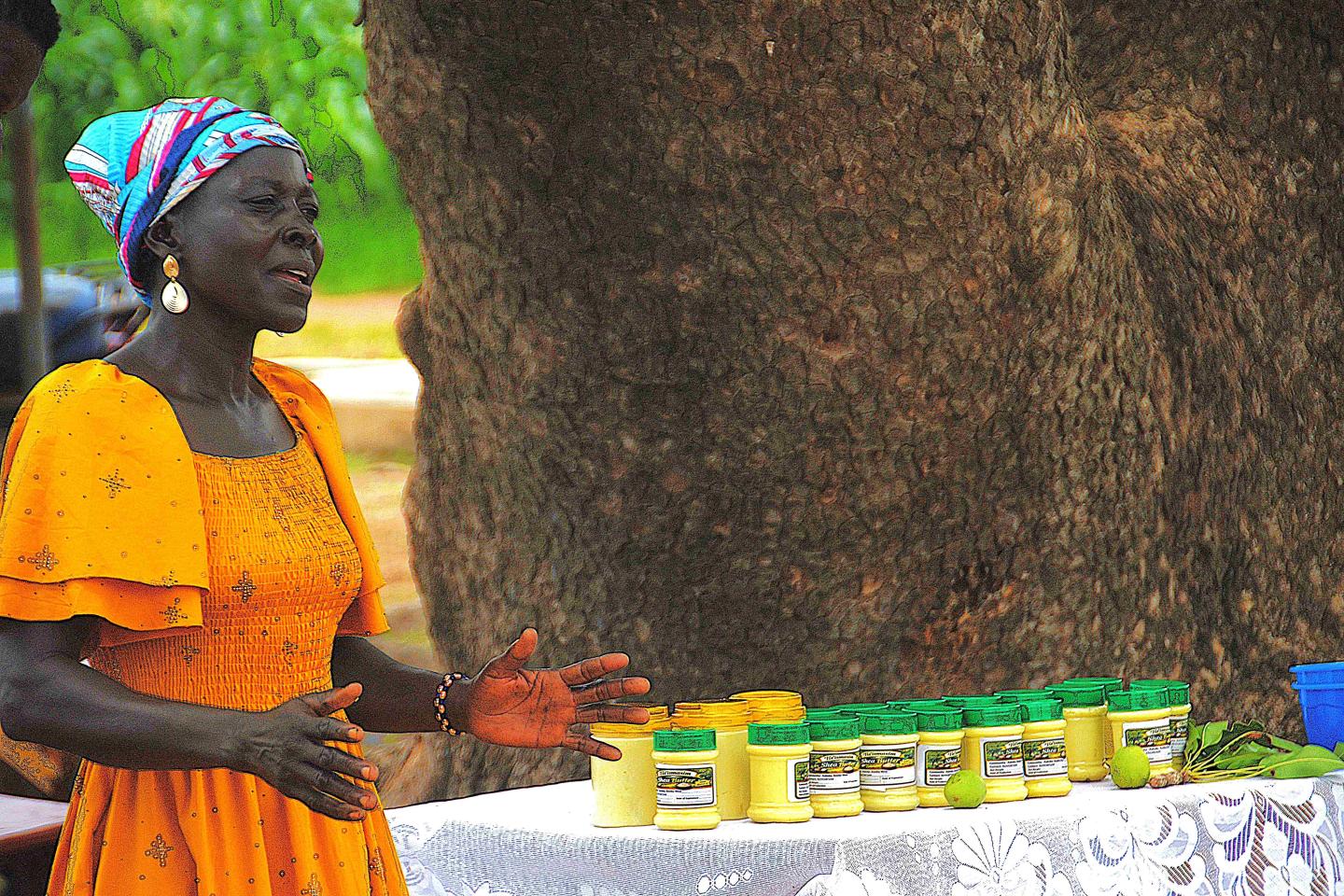
In Kuboko, where women have traditionally processed shea nuts into butter, a quiet revolution is underway. What began as simple shea processing has grown into a women‑led enterprise that is reshaping household income and building resilience.
For generations, women toiled under the sun, turning nuts into butter for home use and selling small quantities to sustain family income. “We were processing mainly for household consumption and selling to locals who usually required smaller quantities,” says Awafba Anamsaki, Leader of the Kuboko Shea Butter Processing Group.
For these women, shea butter was a household necessity, not an economic venture — until World Vision Ghana arrived. “We never knew shea butter was a globally sought-after commodity, especially by the cosmetics industry, until we learned about it through World Vision Ghana’s THRIVE 2030 project," Anamsaki recalls.
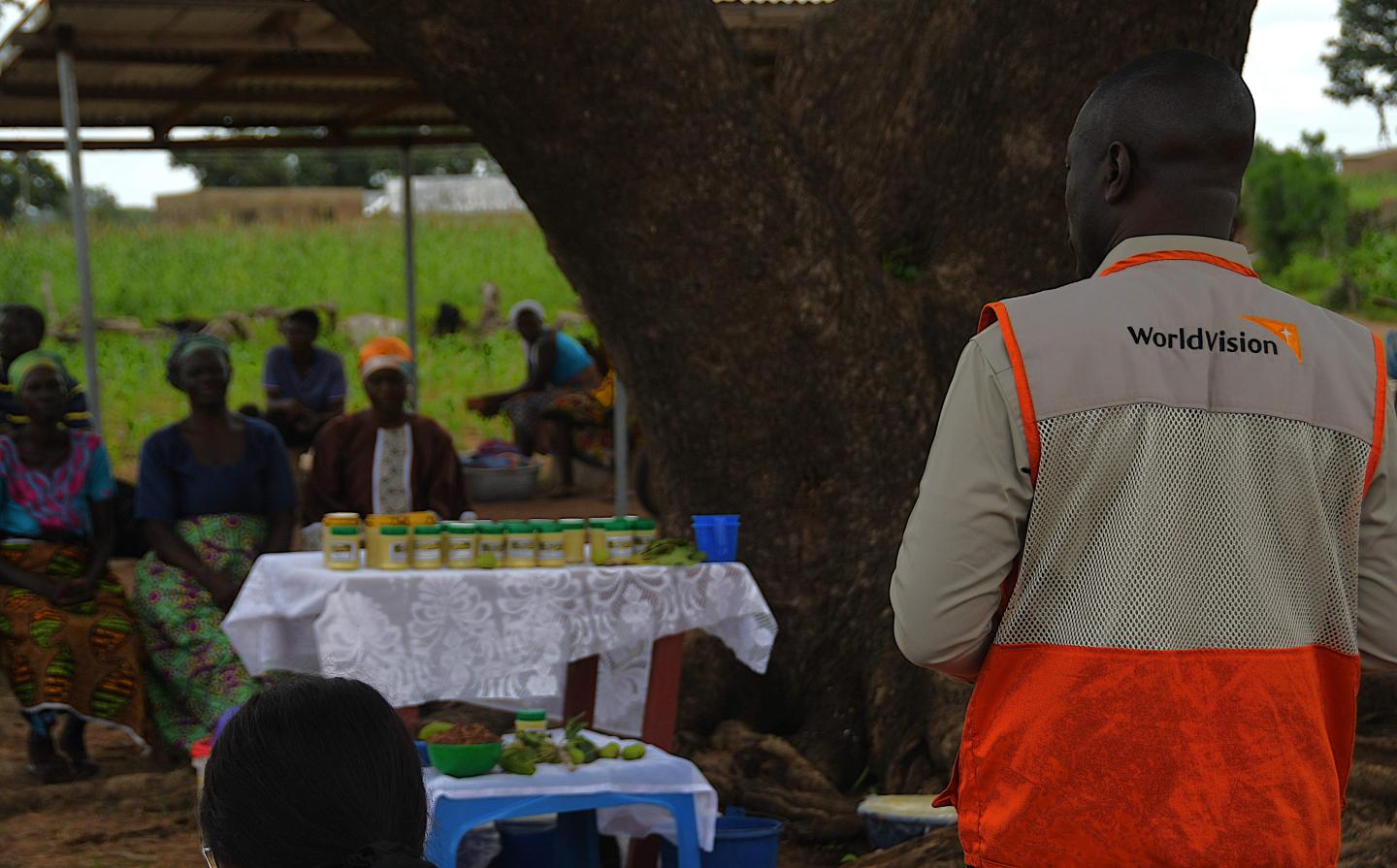
Today, that knowledge — combined with training in Inclusive Market Knowledge and Access (IMKA), the Empowered Worldview Curriculum, and Savings for Transformation (S4T) — has turned a traditional craft into a flourishing enterprise. With support from the THRIVE 2030 Project, the women have elevated their income, strengthened their households, and secured a brighter future for their families.
“We have modified shea butter processing, improved packaging, and expanded our market from local to external. This has positioned the group financially and is reshaping the role of women in Kuboko,” Anamsaki says with a smile.
“The Empowered Worldview training taught us to think beyond our community, and support from VisionFund Ghana has enabled us to move from a subsistence activity into a thriving enterprise,” she adds.
Seeds of Change
Traditional methods yielded little. Butter was often sold in calabashes or reused tins, with meagre income barely enough to meet basic needs. But through THRIVE 2030, the women began to see shea nuts not just as a crop but as a pathway to dignity, independence, and community transformation.
From Tradition to Enterprise
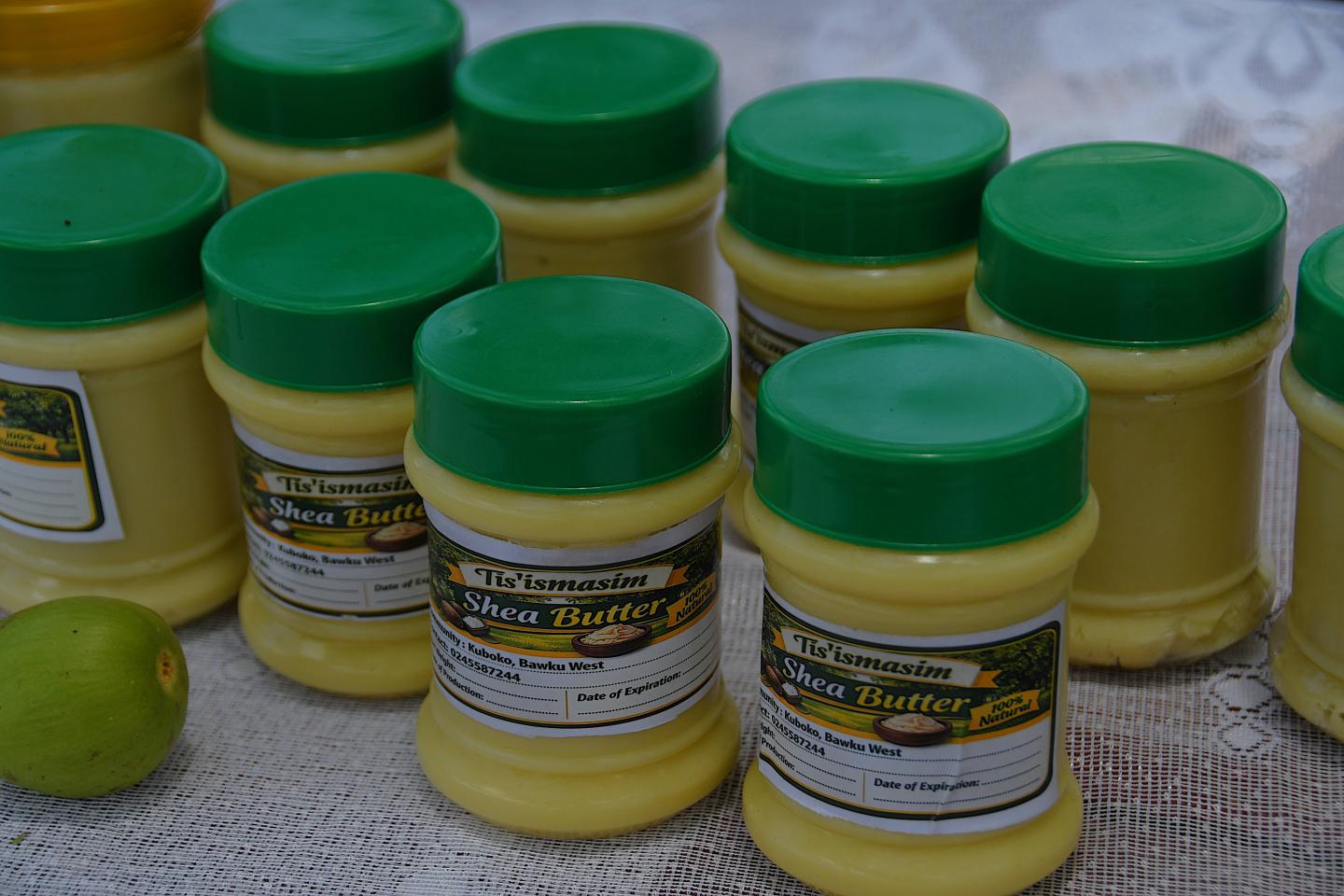
With training and determination, they shifted from rudimentary methods to modern techniques. They embraced hygienic processing, quality control, and commercial packaging. Their products — neatly sealed, labelled, and market‑ready — now reach shelves in local markets and beyond.
This transition was swift once their capacity was built. Today, they are recognised as entrepreneurs, leading transformation not only in their households but across the community. Shea butter, once hidden in kitchens, has become a symbol of resilience and innovation — proof that tradition can evolve into transformation with the right support.
Meeting Needs, Building Dreams
One member shared: “We no longer wait for our husbands to provide everything. With our earnings, we contribute to the home, and our voices are respected more than before.”
Ripples of Transformation
The success of this women’s group has inspired others in Kuboko. Younger girls now see role models in their mothers and sisters. Men, once sceptical, now acknowledge the economic and social value of women’s enterprise. The community itself is shifting towards collaboration, respect, and shared prosperity.
Beyond economics, the women have become advocates for environmental stewardship, ensuring sustainable harvesting of shea trees. Their enterprise is not only about profit but also about protecting the land that sustains them.
Legacy in Motion
The Kuboko women are no longer defined by hardship but by their capacity to innovate and lead. Their experience illustrates how access to knowledge, markets and financial services can create new opportunities for women and their communities. — with a few people, a familiar resource, and the courage to dream differently.
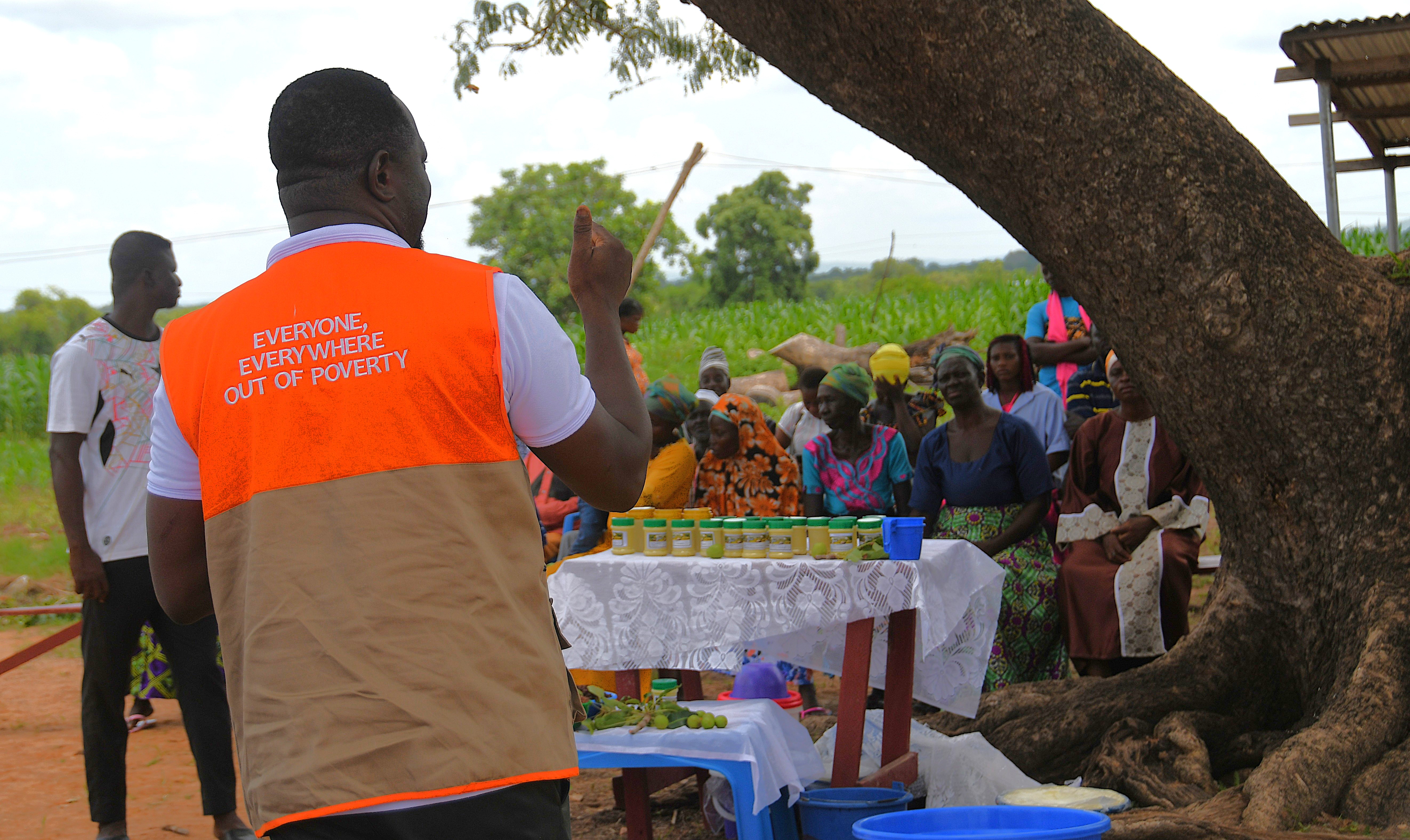
Today, the Kuboko community stands taller because 25 women chose to turn shea butter into more than a product. They turned it into a promise: that communities can rise when women lead.
The THRIVE 2030 Project is amplifying this promise — reducing poverty in vulnerable households by building capacity, linking producer groups to market value chains, and helping communities embrace sustainable environmental practices. In Kuboko, empowerment is no longer just an aspiration; it is a lived reality, shaping futures and inspiring generations.