
World Vision Advocates for Stronger Health Systems and Child-Centred Health Investments at AU Health Summit

By Vivian Adu, Communications Officer
World Vision has reaffirmed its commitment to advancing health equity, strengthening health systems, and improving health outcomes for children and vulnerable populations across Africa through its participation in the African Union (AU) Extraordinary Health Summit currently taking place in Accra, Ghana.
The high-level Summit has convened African Heads of State and Government, Ministers, development partners, civil society organisations, and health experts to adopt a fully costed continental roadmap aimed at ending AIDS and tuberculosis by 2030, reducing preventable maternal deaths, addressing communicable and non-communicable diseases, and strengthening resilient health systems across the continent.
Held under the theme, “Advancing Justice, Equity and Universal Health Coverage: Ending AIDS, TB, Improving Maternal Health, and Addressing Endemic Non-Communicable and Neglected Tropical Diseases and Conditions in Africa,” the Summit is expected to shape policy priorities, investments, and actions that will influence Africa's health agenda through 2030 and beyond.
Representing World Vision at the Summit were Carla Denizard, Regional Leader for World Vision West Africa; Sam Norgah, Director of the World Vision African Union Liaison Office; Dr. Tinah Mukunda, National Director of World Vision Ghana; and Awurabena Quayeba Dadzie, Health and Nutrition Technical Specialist at World Vision Ghana.
As a child-focused humanitarian and development organisation, World Vision's participation reflects its ongoing commitment to ensuring that children, women, and vulnerable communities remain at the centre of Africa's health and development agenda.
Speaking to the media on the sidelines of the Summit, Carla Denizard, Regional Leader for World Vision West Africa, highlighted the organisation's extensive contribution to strengthening health systems across Africa. She noted that World Vision continues to work alongside governments, communities, faith leaders, and development partners to improve access to quality healthcare, strengthen primary healthcare systems, support maternal and child health services, and improve nutrition outcomes.
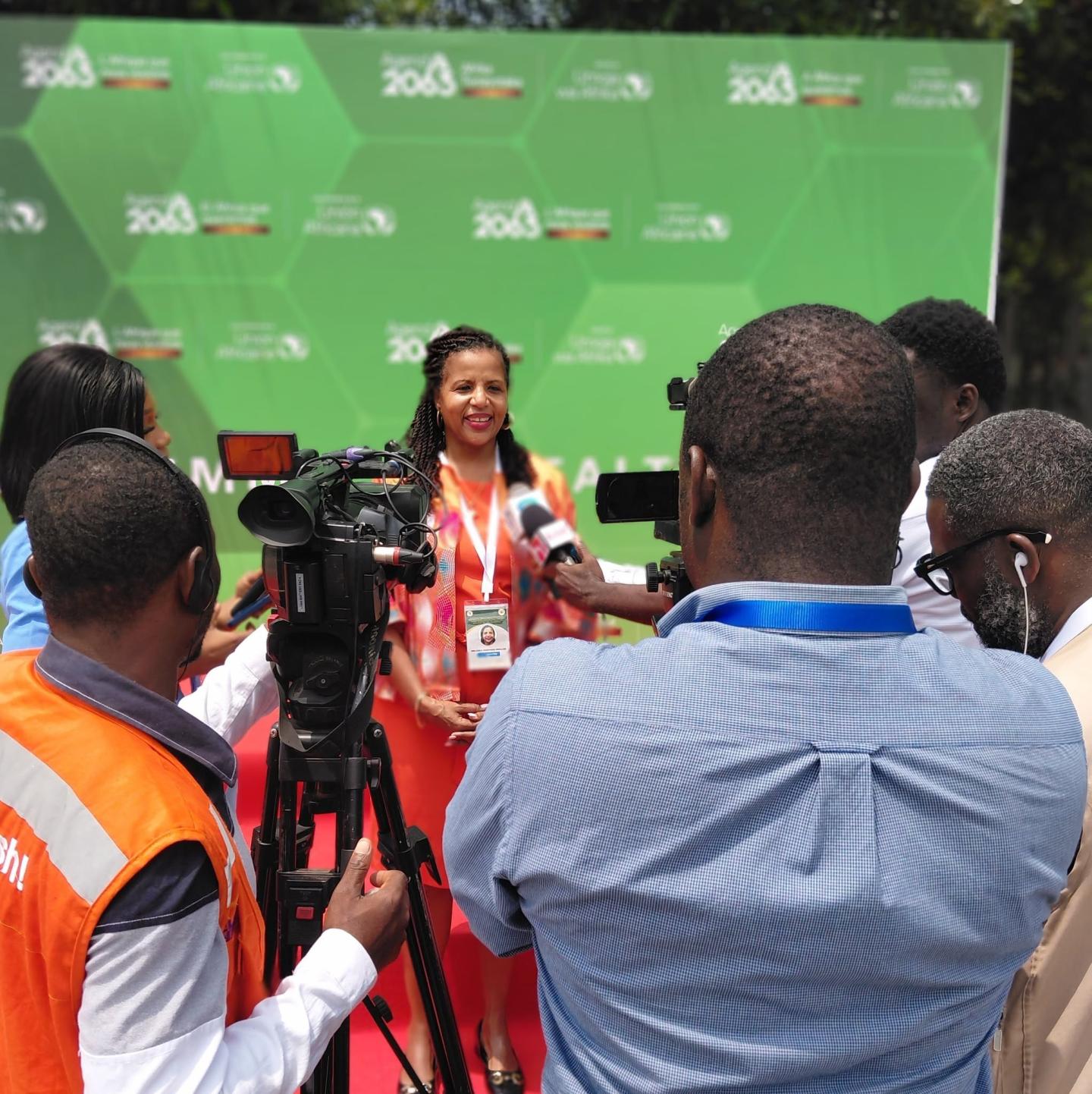
She emphasised that achieving universal health coverage requires sustained investments in resilient health systems that can effectively serve vulnerable populations and withstand emerging health challenges.
Sam Norgah, Director of the World Vision African Union Liaison Office, also stressed the importance of increasing domestic financing for health and ensuring strong accountability mechanisms to support sustainable health interventions across the continent.
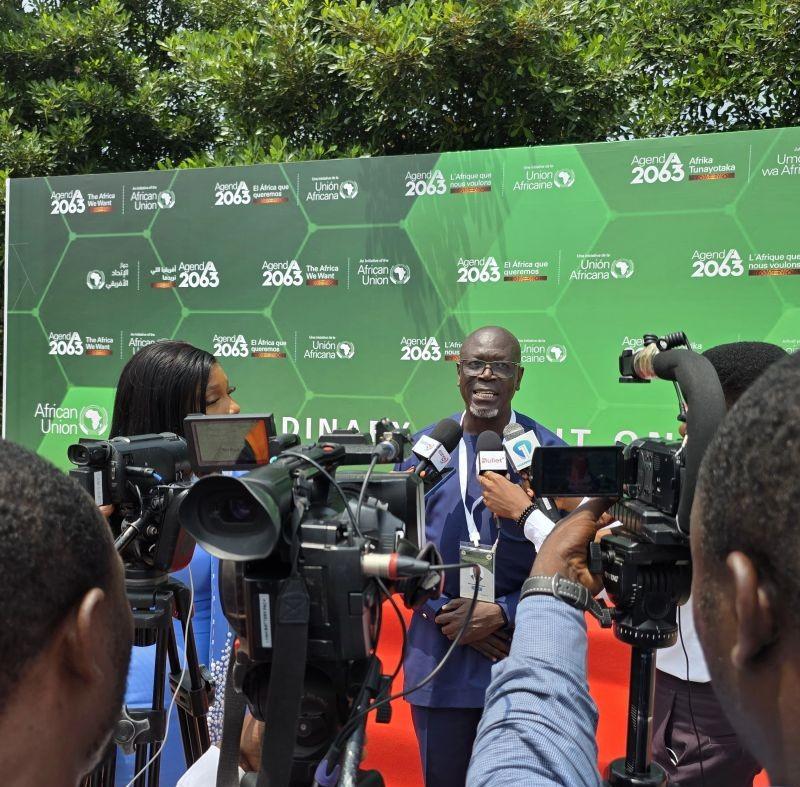
He called for stronger health systems that are adequately resourced and responsive to the needs of communities, while also advocating for the institutionalisation of spaces that enable children and young people to contribute meaningfully to health planning, decision-making, and service delivery processes.
According to Mr. Norgah, meaningful child and youth participation is critical to building inclusive health systems capable of delivering services that respond to the realities and aspirations of future generations.
He further underscored the importance of placing nutrition at the heart of Africa's health agenda, stressing that nutrition must be recognised as a core pillar of the continent's health architecture rather than an auxiliary intervention.
"Malnutrition continues to undermine HIV outcomes, educational attainment, and long-term human capital development," he noted, adding that investments in nutrition are essential to achieving broader health, education, and development goals across Africa.
World Vision welcomed the Summit's focus on strengthening health systems, expanding access to healthcare services, promoting health security, and advancing universal health coverage. The organisation noted that these priorities align closely with its mission to ensure that every child enjoys life in all its fullness.
The organisation also reaffirmed its commitment to supporting governments and regional institutions in implementing sustainable, community-centred solutions that improve healthcare access and strengthen resilience among vulnerable populations.
As discussions continue, World Vision remains committed to leveraging its experience, partnerships, and evidence-based interventions to contribute to Africa's efforts to build stronger health systems, improve maternal and child health outcomes, and create a healthier future for generations to come.