
Barren Fields, Empty Plates: The Deepening Food Crisis in Burhakaba

Across Burhakaba, the land tells a story of loss. Under the relentless Somali sun, fields that once produced maize and sorghum now stretch barren and cracked, bearing witness to consecutive failed rains. For agro-pastoral families, the drought has not only destroyed crops it has erased livelihoods, depleted livestock herds, and stripped households of their last means of survival. As food reserves run out and incomes disappear, hunger is tightening its grip on communities, pushing vulnerable families closer to famine and leaving children at growing risk of malnutrition.
Farmers like Mustafe Sheikh from Aw Urweine village, who once thrived on their land, now face a stark and uncertain future.
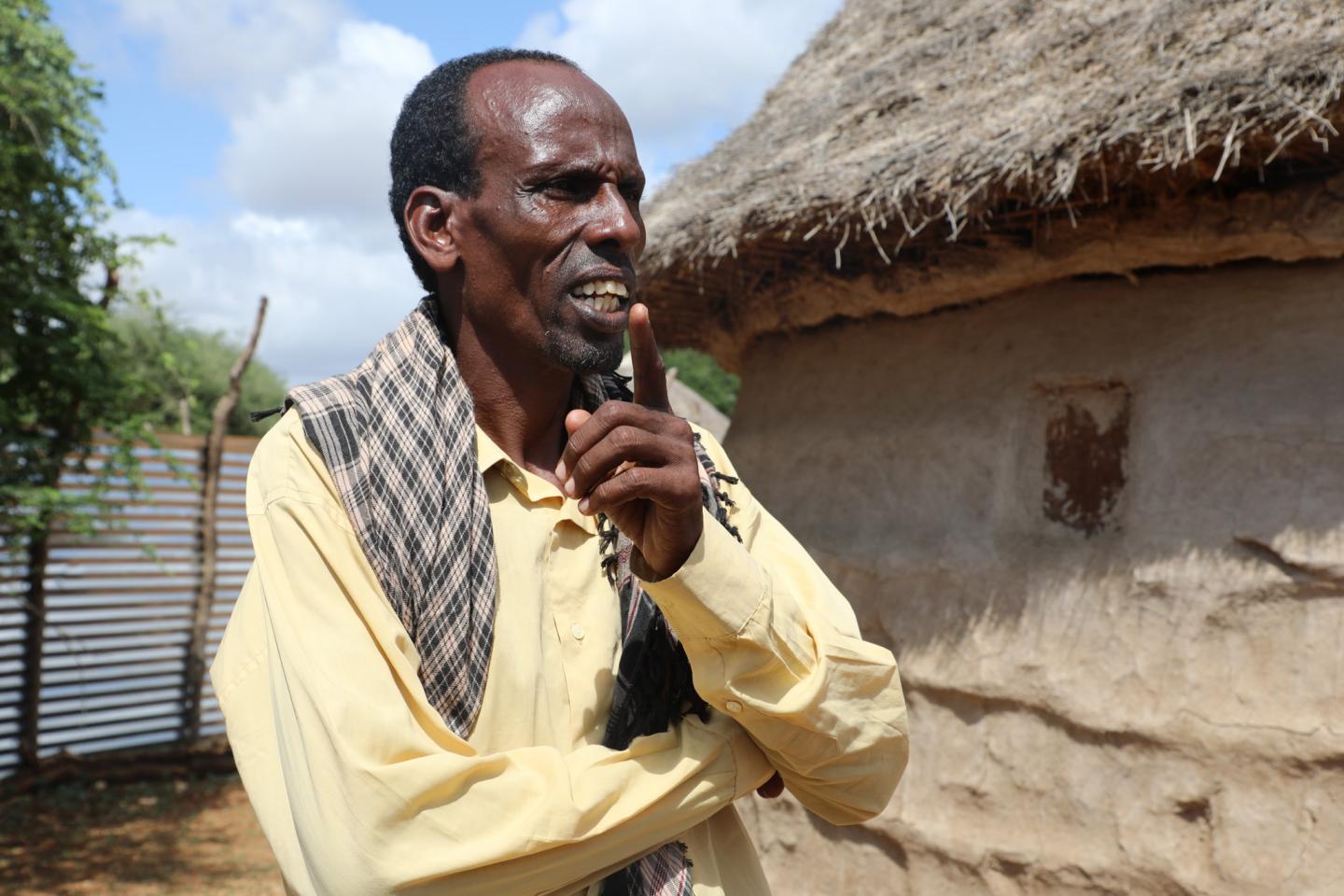
“The drought has hit us severely over the last three years. My farm used to yield over forty bags of sorghum and 24 bags of maize, but this year and the previous one, I harvested absolutely nothing, there was simply no yield. I also used to cultivate vegetables like okra, tomatoes, bell peppers, and pumpkins. On top of that, the twenty head of goats I owned have all perished.” Said Mustafe in despair.
The situation has forced some families to abandon their homes entirely. Abdi Omar, now living in Balow IDP camp, described the difficult decision to leave behind his rural life.
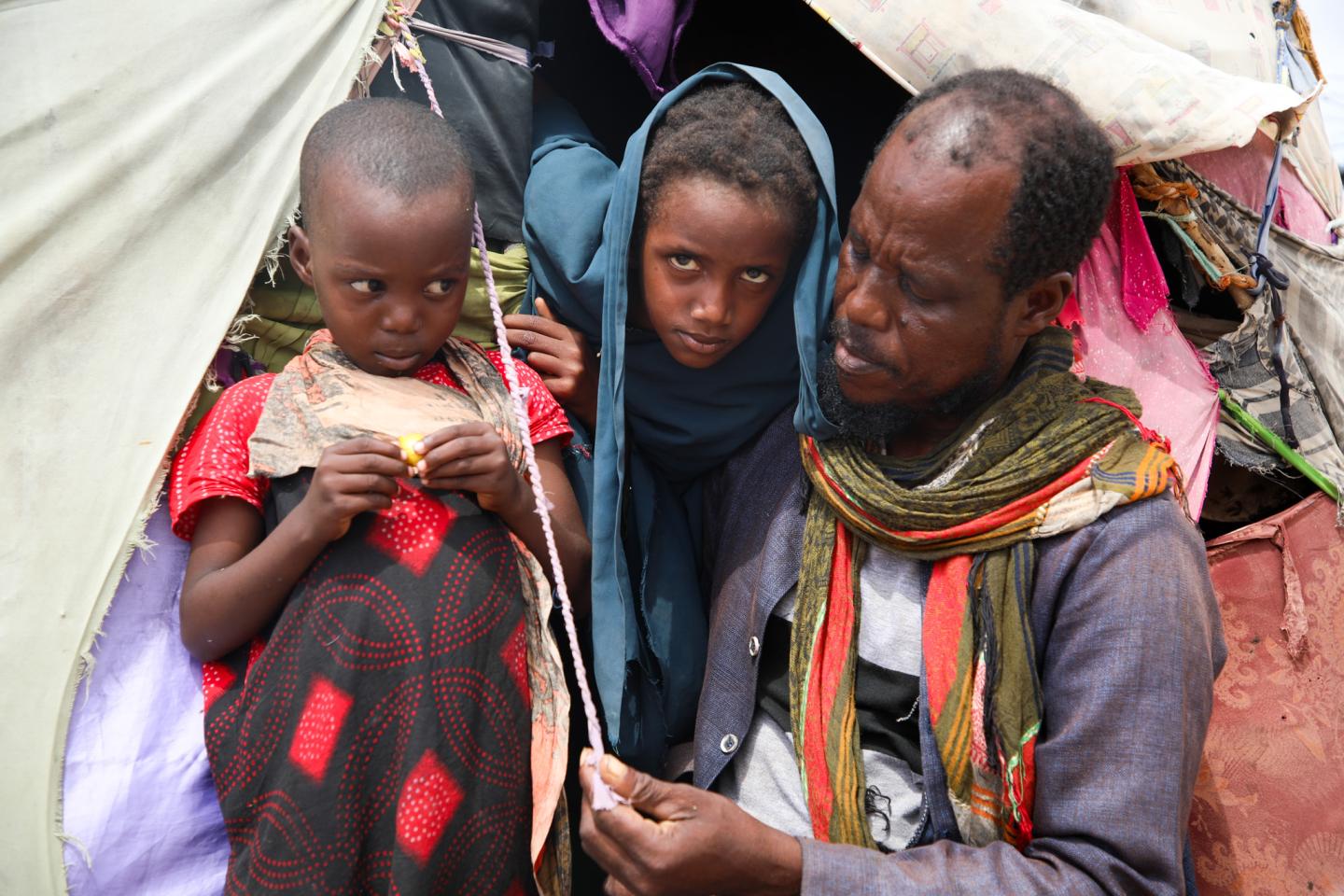
“I used to live in a rural area near Burhakaba. Before the drought, I owned 40 goats and 10 cattle, and my family depended on a small piece of land where I grew maize and sorghum. But after successive failed rains, I lost my harvest and watched my animals die one by one. The last goat I had, I slaughtered two nights ago so my mother and children could have something to eat. With nothing left to sustain us, we were forced to leave our home. Today, we are living in a displacement camp, uncertain of what tomorrow will bring.”
His story reflects a growing trend of displacement driven by climate shocks, as families run out of coping mechanisms and are forced to seek assistance in already strained camps.
Women and children are among the most affected. Fatima Hassan Ali from Aw‑urweune shared how the drought has disrupted every aspect of her household’s survival.
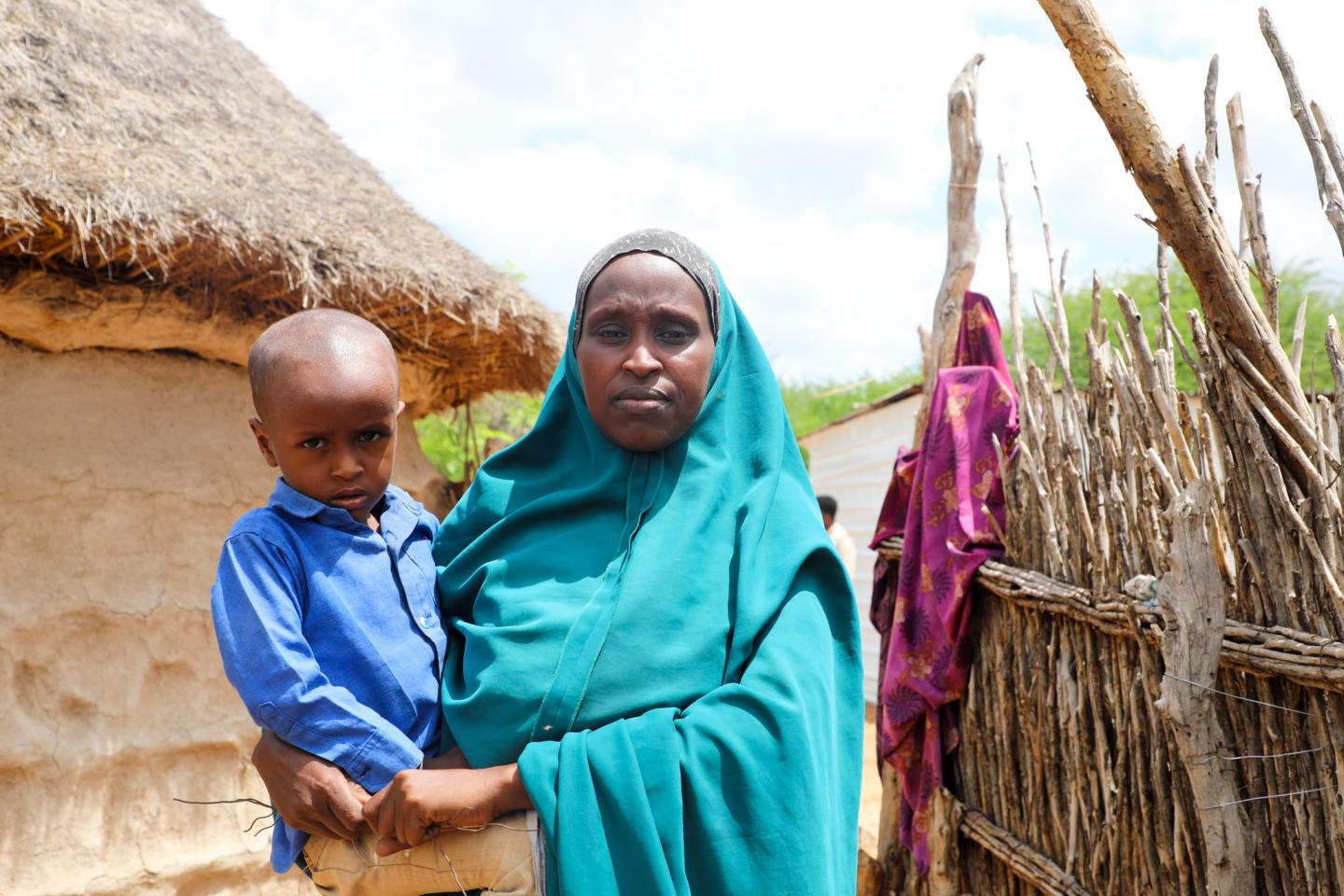
“I am a mother of seven children four boys and three girls. On my farm, I used to harvest 20 bags of sorghum and 100 kg of beans every year. I kept 20 kg for the kids and sold 80 kg for $90 to pay for their education. We used to store our food in underground pits, but for three years, we haven't put anything inside them. To survive, I now work as a labourer on other people's farms, earning a small wage to feed my family.”
The traditional underground food storage pits that once sustained this agro-pastoral community now stand completely empty. For generations, these pits symbolised resilience, food security, and the ability of families to withstand difficult seasons. Today, they tell a very different story.With successive failed rains destroying harvests and livestock losses mounting, household food reserves have been exhausted.
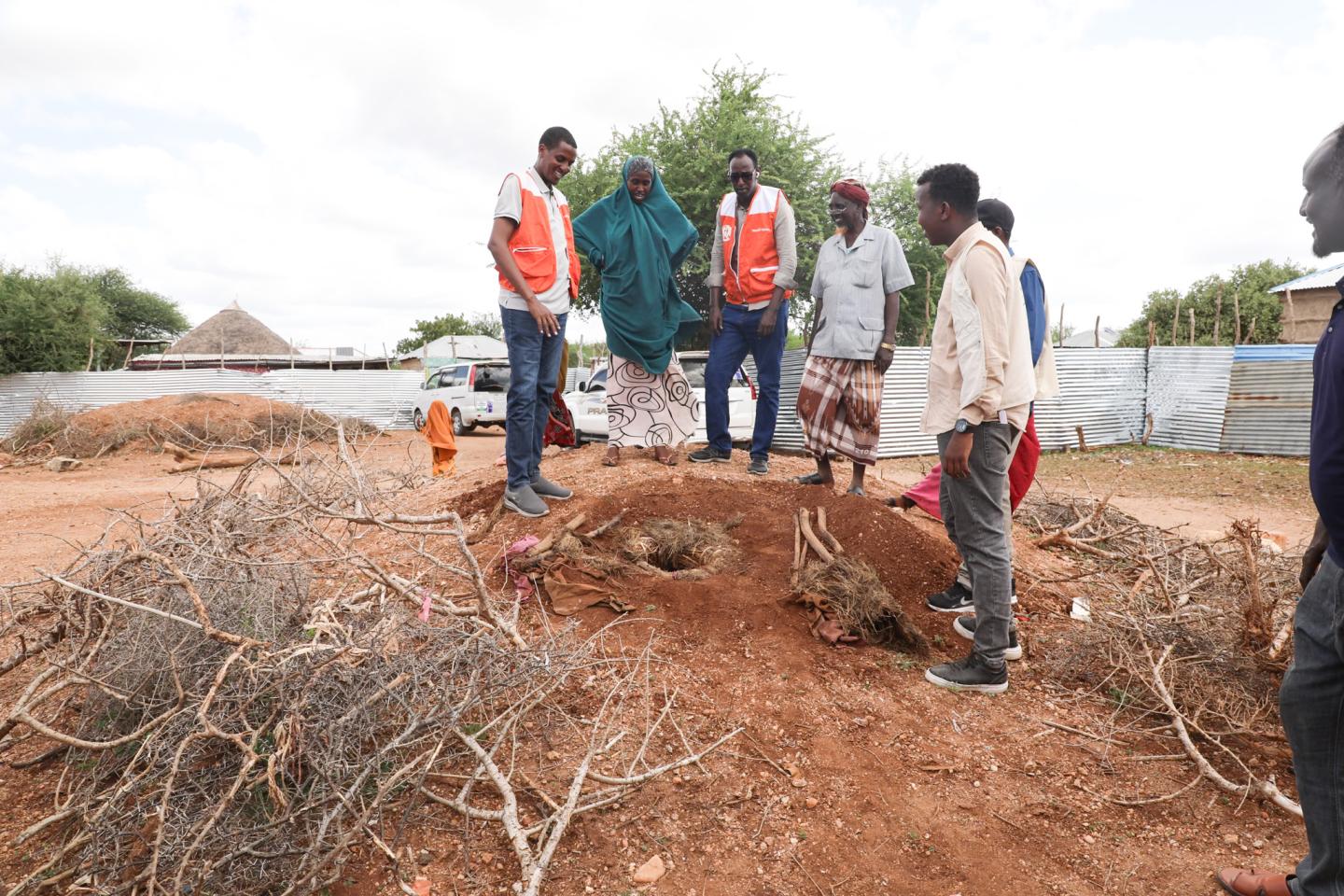
The empty pits are a stark warning of what lies ahead—empty plates, rising hunger, and worsening malnutrition, particularly among children and pregnant and lactating women.
What was once a source of pride has become a painful reminder of a deepening crisis. Without urgent humanitarian assistance, many families will face impossible choices as food supplies continue to dwindle and the risk of famine grows. Immediate support is needed to save lives, protect livelihoods, and help communities recover before the situation deteriorates further.
A Community in Crisis
These testimonies paint a stark picture of the cumulative impact of three consecutive years of drought across Buurhakaba. Once self-sufficient agropastoral families are now facing:
- Total crop failure, particularly key staples such as sorghum and maize
- Mass livestock losses, eliminating access to milk, meat, and income
- Rising displacement, as families abandon their homes in search of aid
- Worsening malnutrition, especially among children
- Loss of livelihoods and education, pushing households deeper into poverty
Traditional coping mechanisms such as food storage, livestock sales, and diversified farming have all been exhausted. With no harvests to store and no animals left to sell, families have been pushed to the brink.
Urgent Need for Support
The crisis in Buurhakaba underscores the urgent need for humanitarian assistance and long-term resilience support. Immediate interventions such as food aid, nutrition services, and livelihood assistance are critical to prevent further deterioration. At the same time, investments in drought-resistant agriculture, water access, and livelihood diversification will be essential to help communities withstand future climate shocks.
Without timely and sustained support, the suffering of agro-pastoral communities in Buurhakaba is likely to deepen, with lasting consequences for an entire generation.