“We Pretended to Cook Water”: Somalia’s Mothers Endure Hunger as Drought Shatters Families

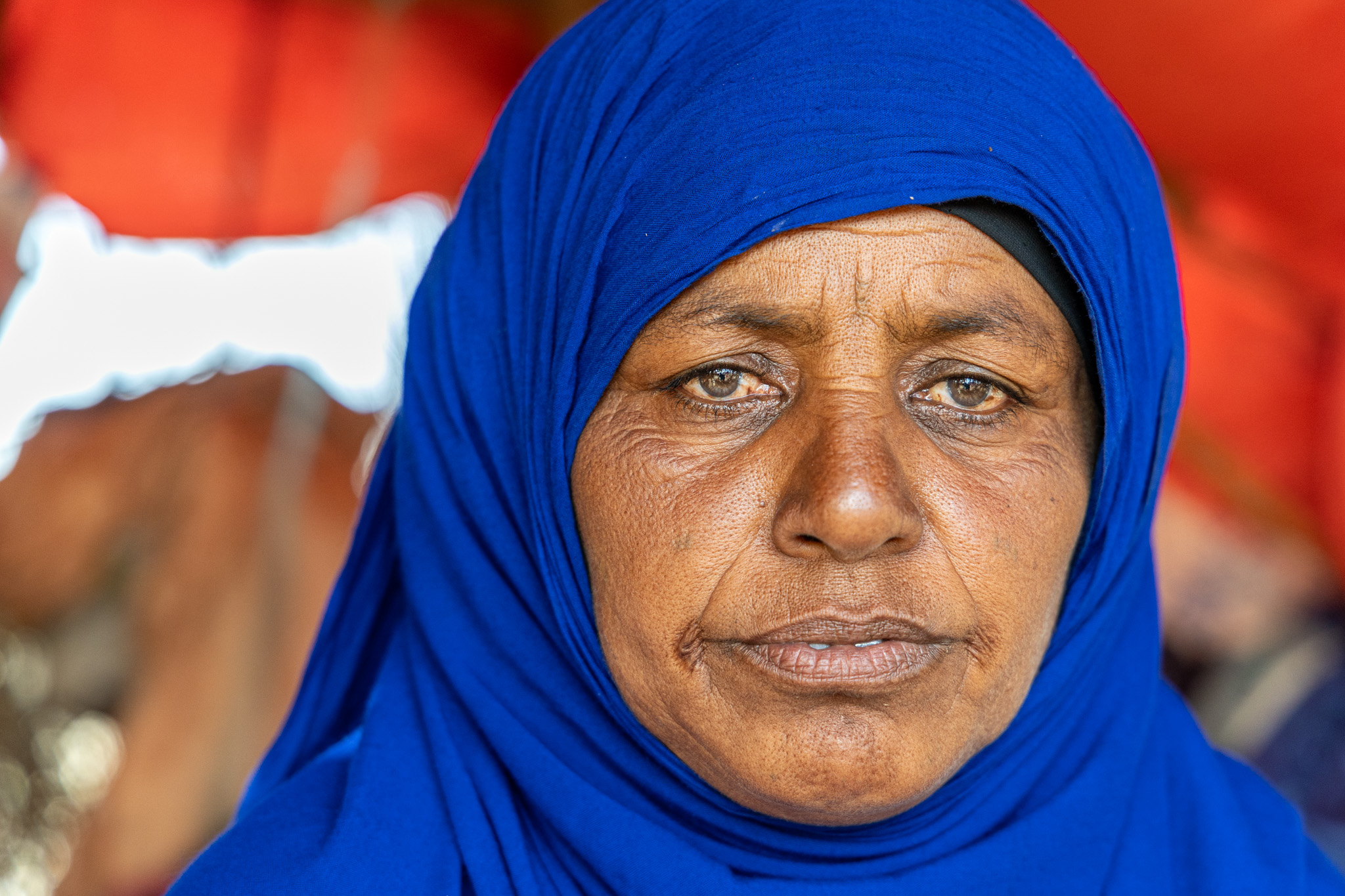
Awo Awale poses for a photo.
Gargaara, Somalia
On the edge of Gargaara, where the wind blows dust through shelters made from scraps, of cloth and sticks, Awo Awale stands outside her makeshift home. This fragile structure is so weak that even light rain sends her rushing outside with her two children.
“When it rains, I take the kids out,” she says softly. “My house is made of cloth. I have no strength to build anything stronger.”
For Awo, a widow and mother of two, the drought did more than dry up water sources; it uprooted her life completely. She moved from the mountains above Gargaara after losing both her parents, her livestock, and any source of support. She arrived with only her grief, remarried, had a daughter, and then faced another loss—divorce.
“I am a struggling mother,” she says. “I have no father, no siblings, no support. This poverty has made me like this.”
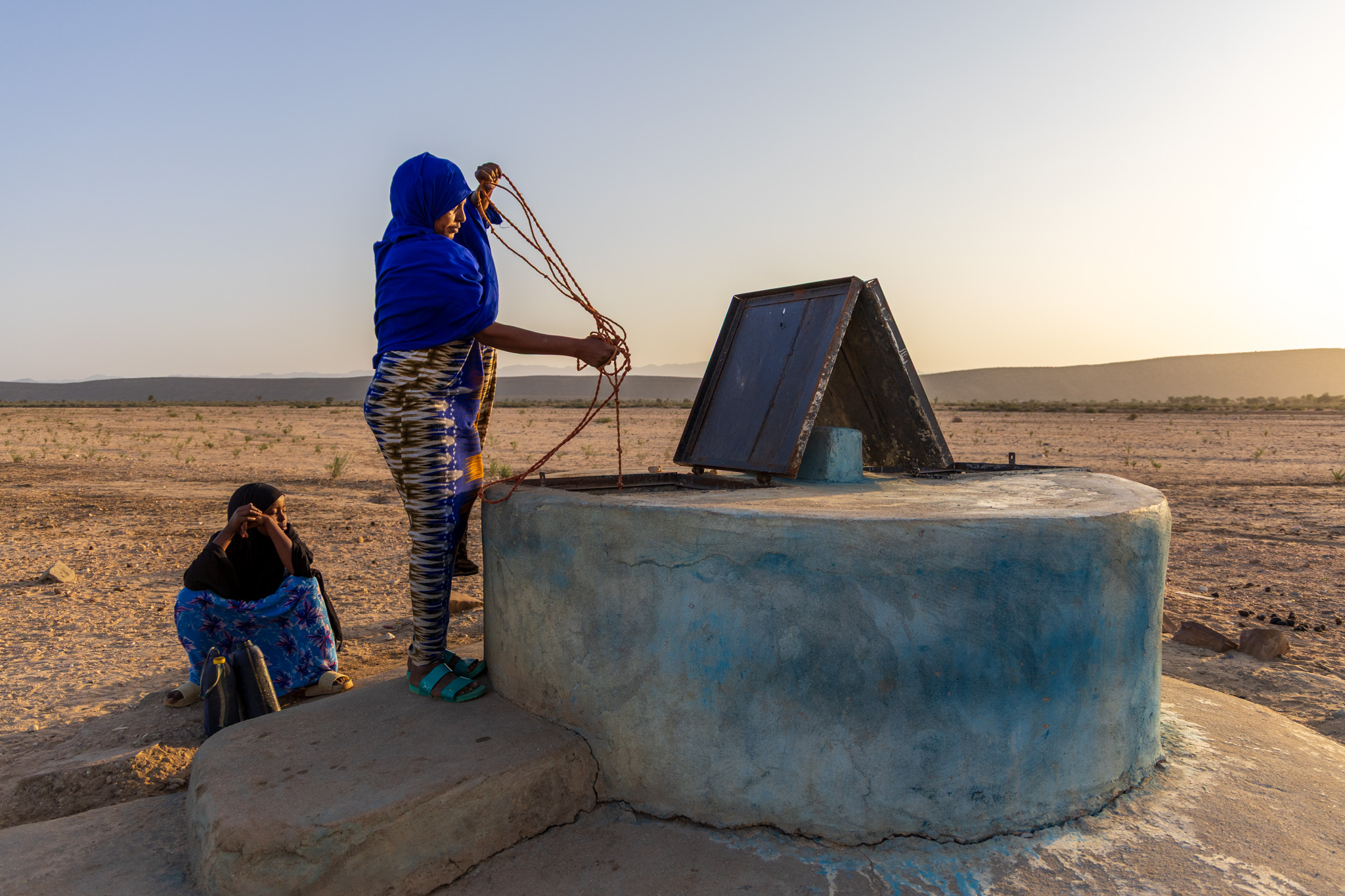
Awo, with her daughter beside her, draws water from an almost dry well. The water level has dropped drastically and is expected to run out within two weeks, leaving the village without any source of water.
A drought that tears families apart
In Gargaara, the drought is not just a story of numbers; it is a story of families torn apart in search of food, mothers carrying water for kilometres, and children crying themselves to sleep.
“This drought separated families,” Awo explains. “It starves us. Everyone here has been affected the same way.”
The humanitarian crisis in Somalia is alarming, with children's lives at risk. Only 21% of trequired funding has been secured, the lowest in decades, while the nutrition cluster has received just 9% of the needed funds. In World Vision–supported facilities, about 10,000 children under five have been treated for severe malnutrition since February 2025, and more than 1.85 million children are projected to suffer from acute malnutrition. The crisis has forced families to use extreme coping methods, as funding issues hinder responses and food insecurity deepens.
For Awo, these numbers represent the daily pain of motherhood: waking up to children too hungry to understand why there is nothing to cook.
“We pretended to cook water so the children could sleep.”
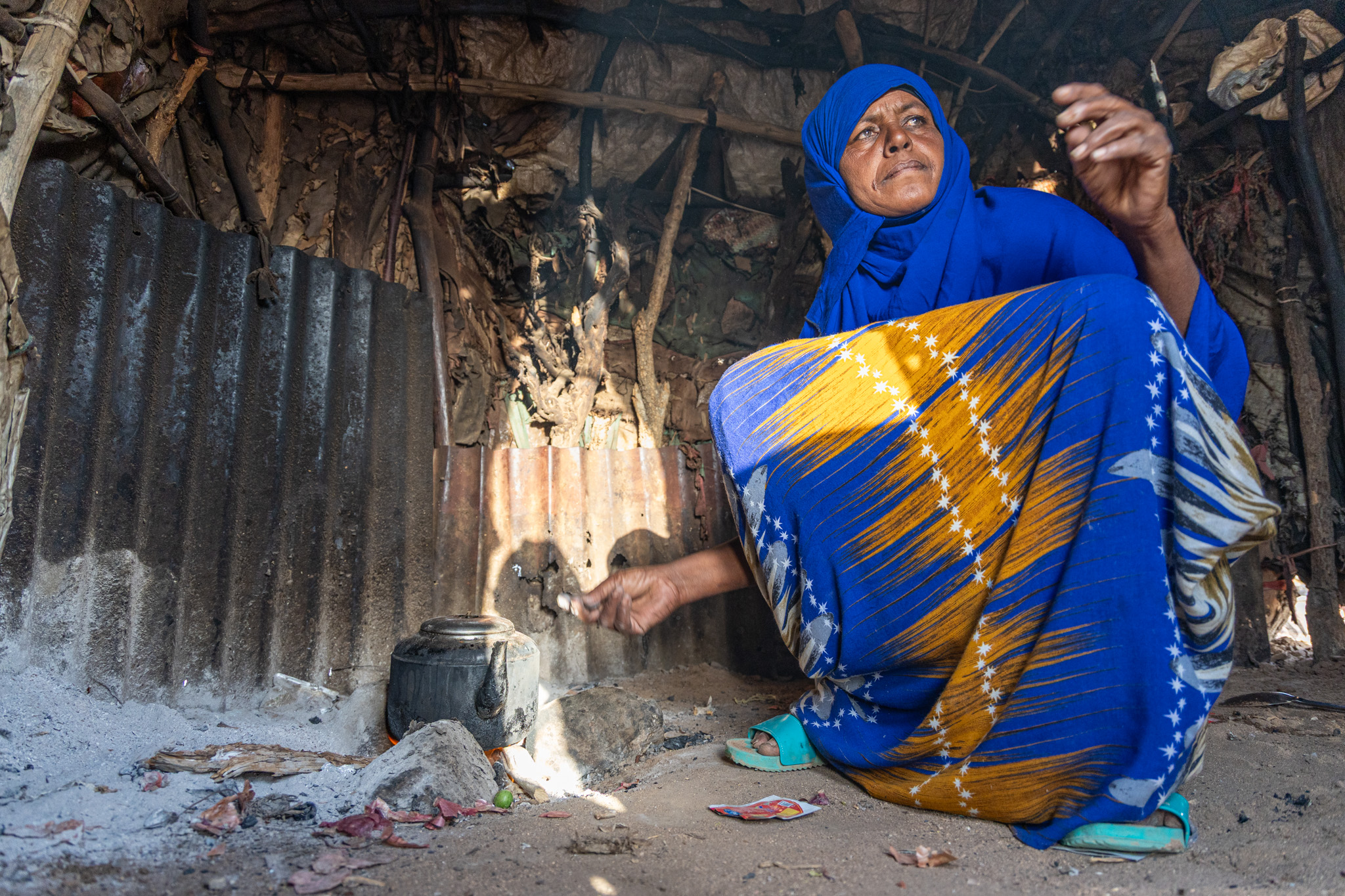
When food ran out, Awo did what mothers everywhere do—she tried to shield her children from harsh reality.
“Children don’t understand when you tell them there is no food,” she says. “So I tricked them. I put a pot on the fire with only water. When they saw the steam, they believed food was cooking. They fell asleep waiting.”
At night, she fought her own hunger as the fire burned under the empty pot.
“People thought I was ill,” she says. “But I was just hungry. It made us weak.”
Ninety per cent of families in her area faced the same struggle, she adds. Sometimes neighbours helped; sometimes they had nothing themselves.
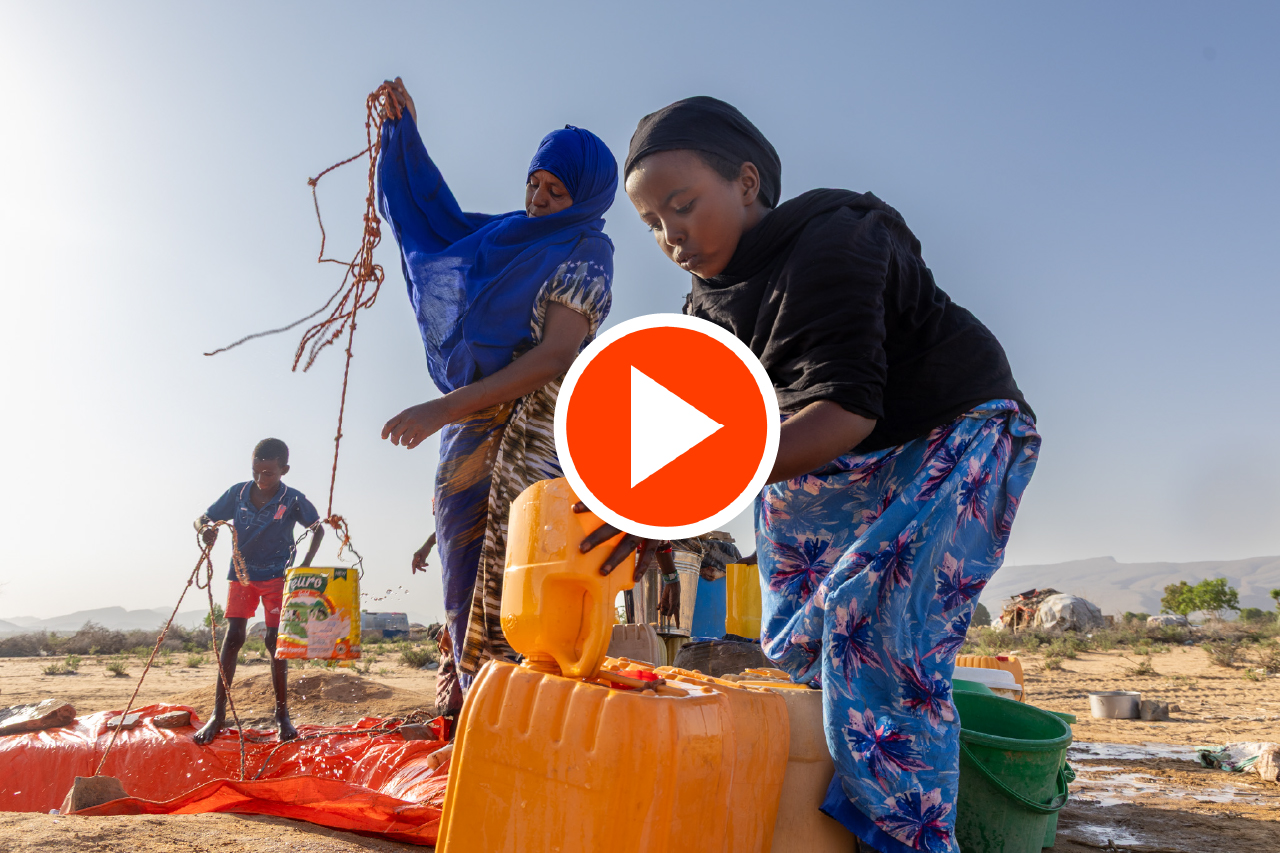
“I carried water on my back for my children to drink,” she recalls. “I am struggling with hunger and thirst.”
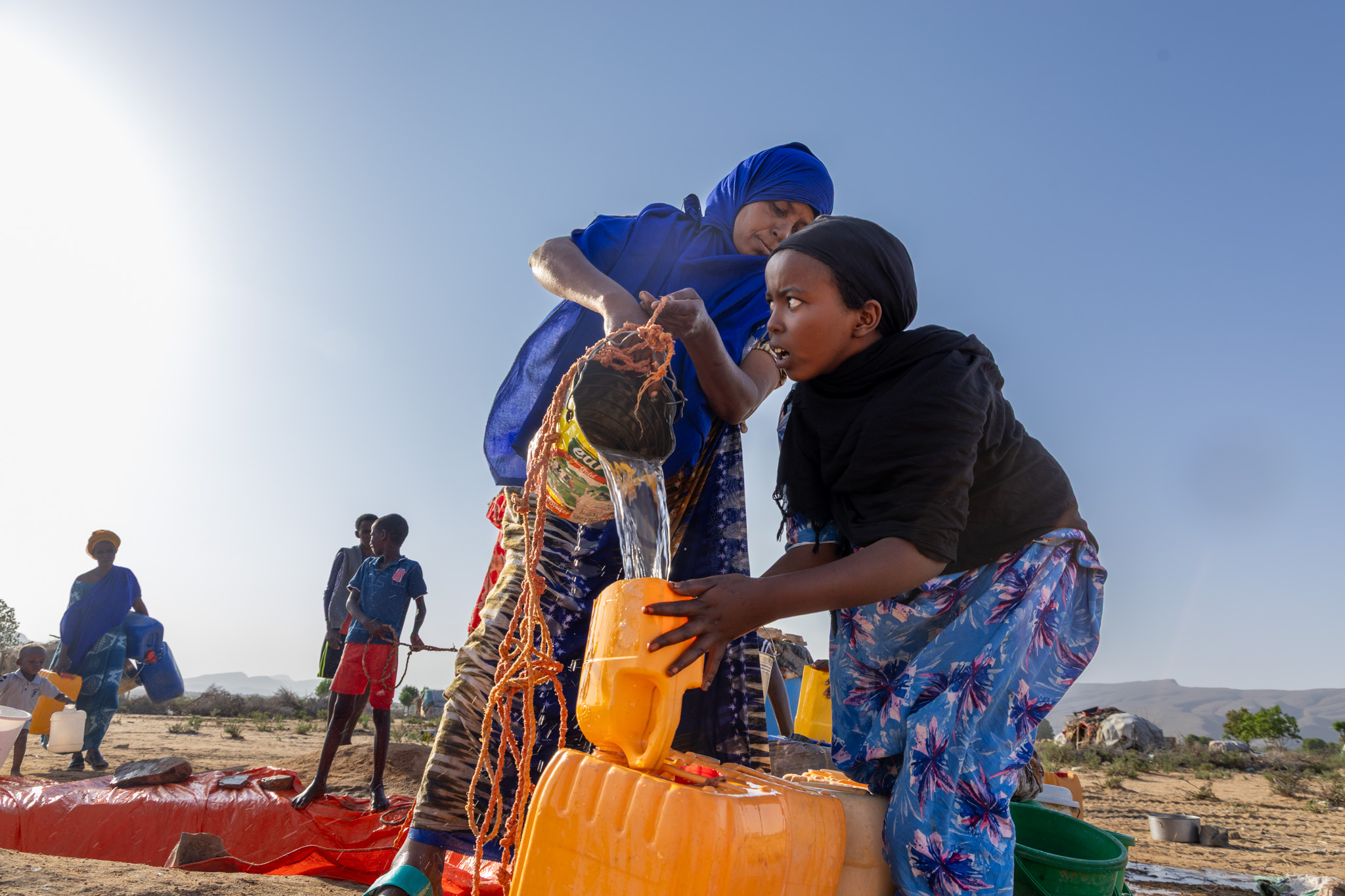
Awo and her daughter are fortunate to receive emergency water trucking from a local organisation — support that will last only a few weeks, with no certainty about what comes after it ends.
A plea from Gargaara
Despite the hope she holds onto, the drought has not improved. Resources are limited, humanitarian efforts are underfunded, and families like Awo’s face increasing hunger every day.
“The drought is still affecting us,” she says. “We are struggling, and what we have now is not enough. We would love someone to help us.”
Her children sit close to her, unaware of the full weight their mother carries each day.
Awo looks ahead, both exhausted, worried and determined.
“We hope God will help us soon.”