
Hope grows where clean water flows in remote South Sudan village

At the water point in Panaam, a remote village in Panyikang County in South Sudan’s Upper Nile state, children gather around the tap stand, filling their buckets with clean water. Among them is 11-year-old Madel, while her mother, Aker, watches nearby with relief.
Just five months ago, families in Panaam, including displaced people and host communities, depended on river water for drinking, cooking, and washing. Although the river was nearby, it was unsafe.
“We had no choice,” Aker says. “The river was our only source of water, even though our children were always getting sick.”
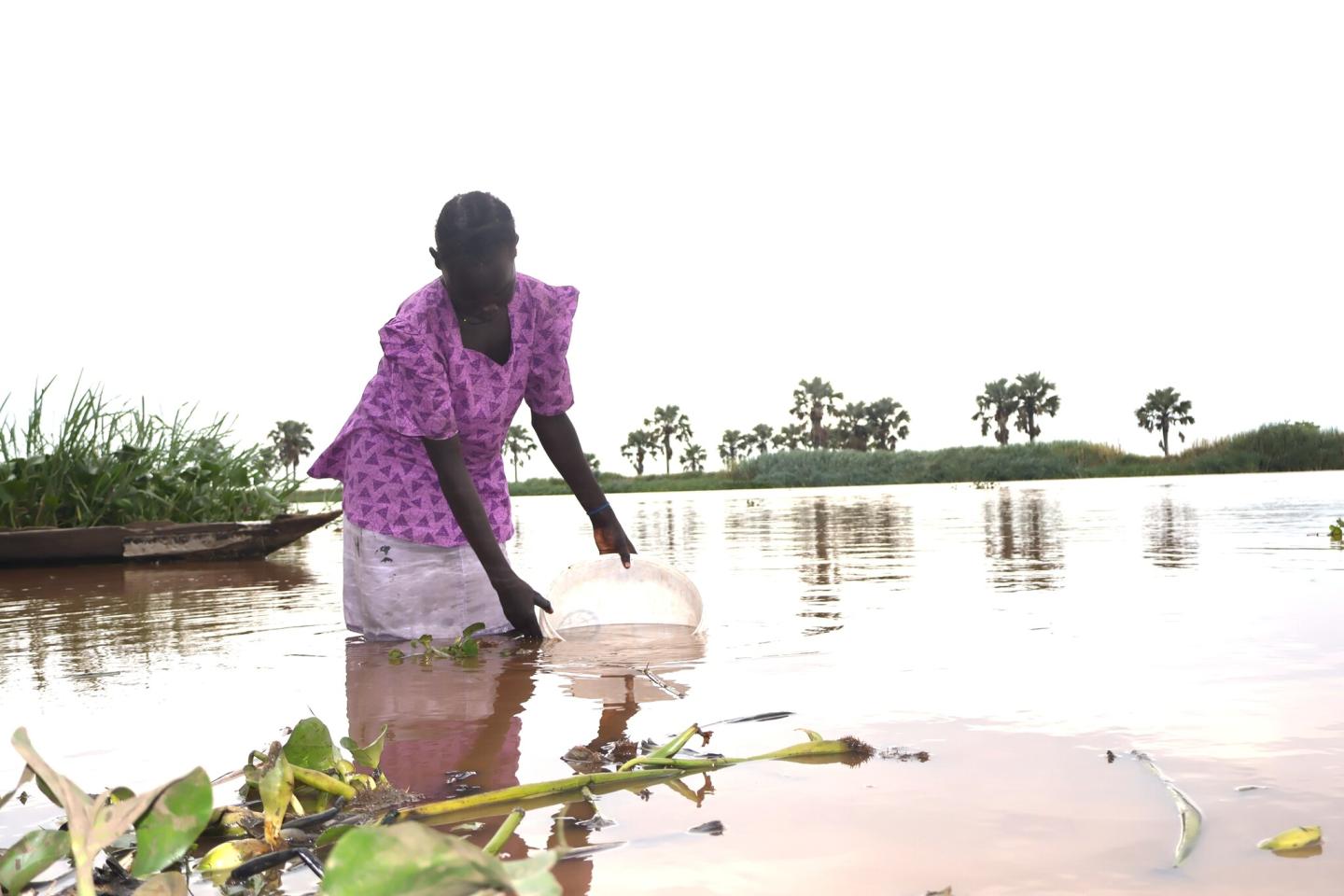
Every day, women and children walked to collect water. The water was dirty, and families often faced waterborne diseases such as diarrhoea and stomach illnesses. Madel was frequently sick, causing her to miss school and spend days recovering at home.
With support from the South Sudan Humanitarian Fund (SSHF), World Vision installed a new water point in the community, providing families with access to safe, clean water closer to home.
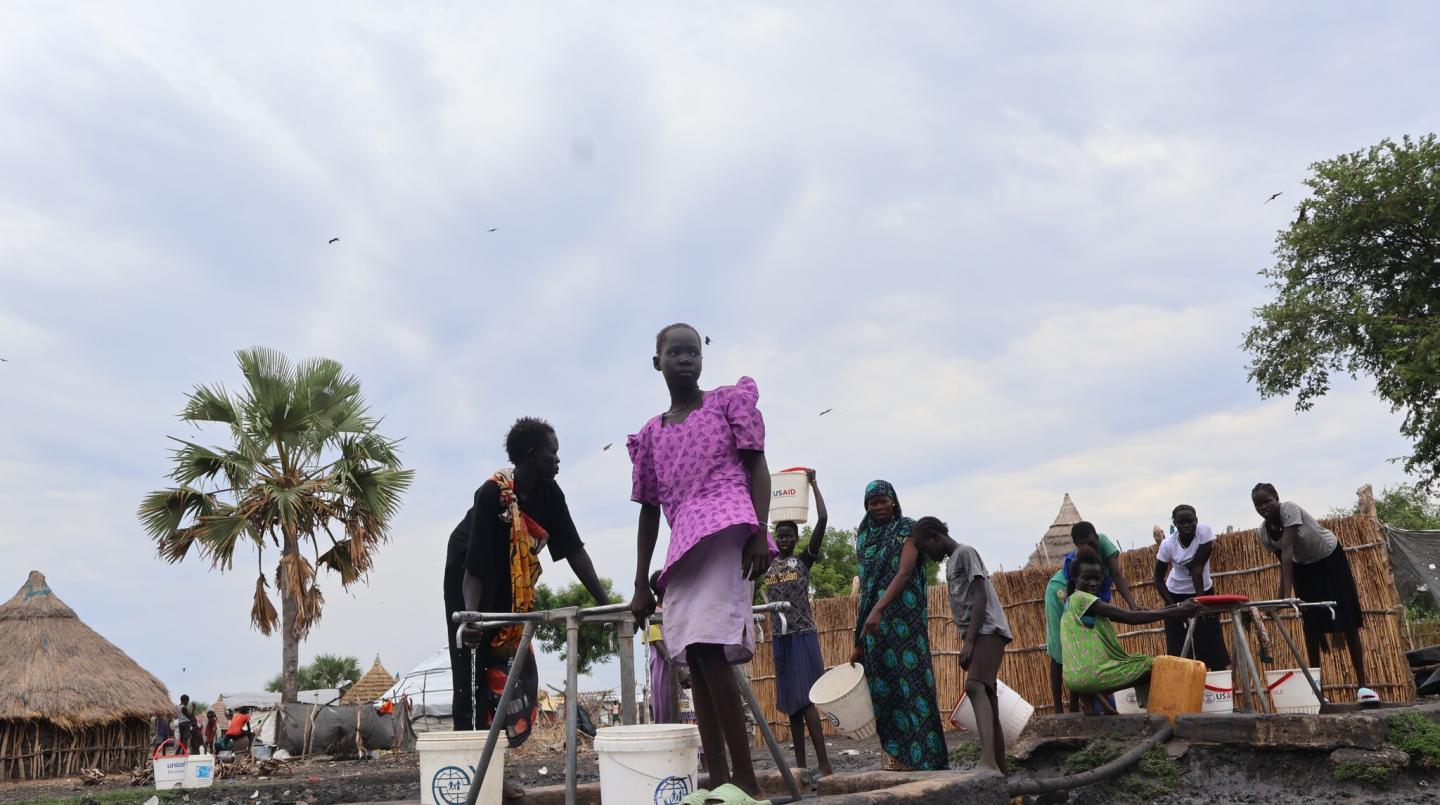
Today, Aker says life has improved for her family. “My children are becoming healthier now. Madel is no longer sickly like before, and they can go to school and play.”
The new water point now serves both displaced families and the host community, reducing the need to collect water from the river. It has also become a place where community members meet and support one another.
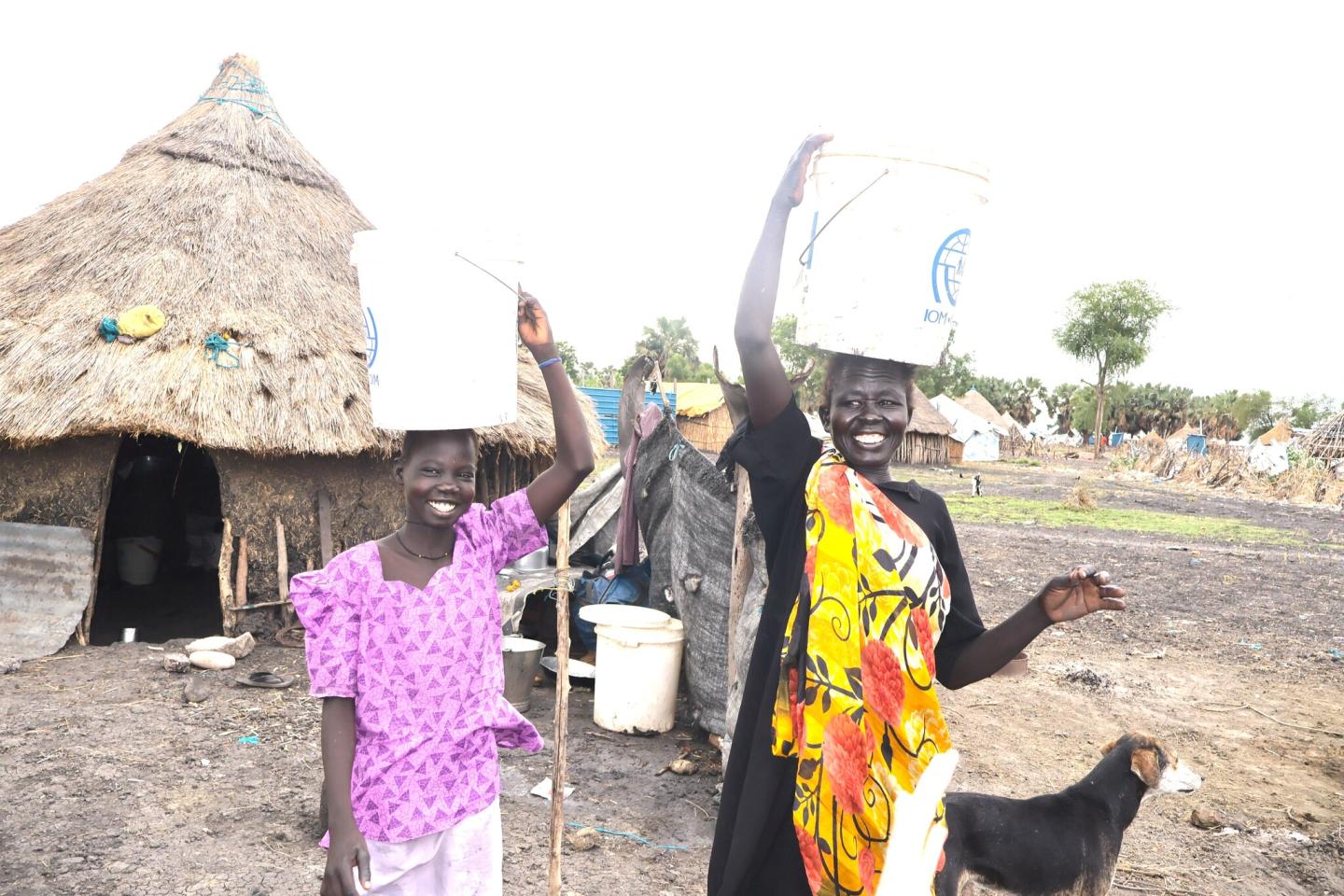
“Before, I was afraid of going to the river (to fetch water),” Madel says. “Now the water is clean, and we are safe (at the water point).”
The project is providing lifesaving water, sanitation, and hygiene (WASH) services to more than 50,000 vulnerable people in Panyikang County, including displaced people, returnees, and host communities affected by conflict and flooding.
Story and photos by Scovia Faida Charles/World Vision - SSHF Emergency WASH Project