
Inside World Vision Syria Response’s Inclusive Classrooms

Today, Eleven-year-old Talal walks into his classroom with confidence.
Born with a physical disability affecting his hands, he once found it difficult to fully participate in school. Shy by nature, he often also hesitated to speak up in class or join activities with his classmates, unsure of his own abilities.
Today, however, as this school year ends, he is one of the first students to raise his hand.
His school in Sahab, Jordan has become more than a place to learn. "At first, I was shy, but now I have a stronger personality. I like learning with my classmates and joining the activities," Tala reflects.
Through World Vision’s inclusive education project, funded by Japan’s Ministry of Foreign Affairs, 11 schools and kindergartens have had classrooms rehabilitated, teachers have received training in inclusive education, and children have participated in interactive learning activities, helping every student, regardless of ability or background, feel included and succeed.
The project, which began in March 2025, also provides individualised support, strengthens teachers' capacity to respond to diverse learning needs, and engages caregivers to create a supportive learning environment both at school and at home.
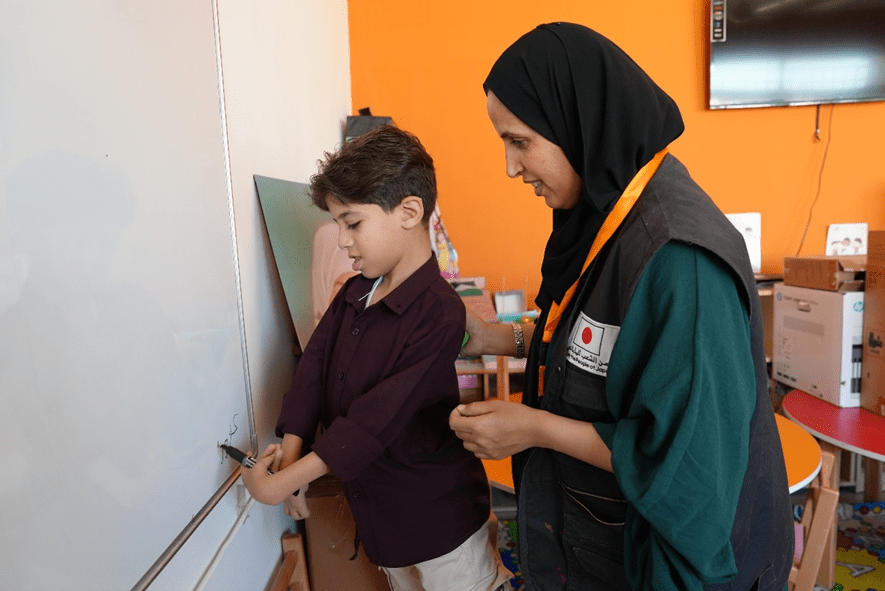
For Talal, these changes have transformed not only the way he learns, but also the way he sees himself.
Through group activities and continuous encouragement from his teachers, he has grown in this school year into a more confident student who actively participates alongside his classmates.
"We worked on strengthening his confidence and encouraging him to participate with the other children through various tools and techniques. We also provided specialised support to help him improve his writing abilities. Today, he has improved greatly and even become a leader in many activities," his teacher, Feryal, proudly shares.
For Talal, those changes have been life changing. "The school became much better after the change. I enjoy the activities, and they make learning fun," he says.
Talal's journey is one of many stories unfolding in schools.
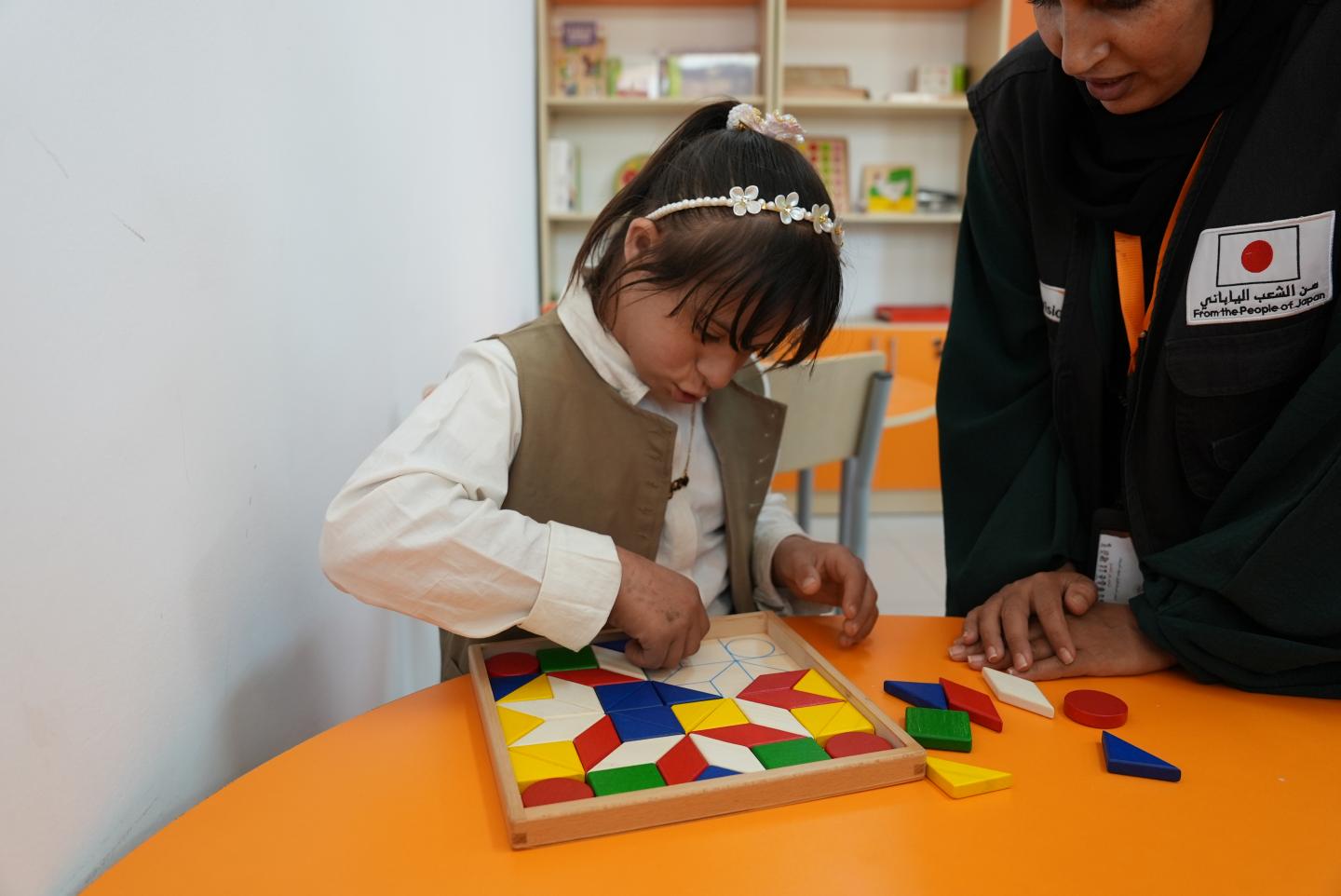
For Aya, 11, school brought a different set of challenges. Born with down syndrome, when she first enrolled, she struggled to recognise letters and pronounce words correctly, making it difficult to keep pace with her classmates. But through the individualised support from trained teachers in the inclusive classroom, established by World Vision with all the needed tools, her confidence gradually began to grow.
"The support really helped her recognise the letters and pronounce the words correctly. Now, towards the end of the school year, she has improved so much and is studying in the same classroom as her classmates," her mother, Asmaa* says.
But the transformation has gone beyond reading and writing.
Today, Aya looks forward to going to school every morning, something she didn’t experience before. Now, she is surrounded by teachers who encourage her and classmates who have become close friends.
"She loves going to school now. She loves her teachers, she loves her friends, and she comes home happy every day. As a mother, seeing that change means everything to me," she says.
More than improving classrooms, the project is creating inclusive school environments where every child feels valued, supported, and able to thrive. It is reaching 11 public schools, directly benefiting 600 kindergarten children, more than 7,000 primary school students, over 400 education personnels, and more than 8,000 caregivers, helping ensure that children, regardless of ability or background, have the opportunity to learn, belong, and reach their full potential.
*Name has been changed to protect Identity