
From Degradation to Restoration: The CRAH Journey in Muwozi Village

By Christabel Mundike, Communications Officer, Zambia
In Muwozi Village of Mwinilunga District, farmers live in one of Zambia's highest rainfall areas. While abundant rainfall is a valuable resource, it also presents challenges. Heavy runoff can accelerate soil erosion, wash away nutrients, and contribute to the degradation of productive landscapes. Combined with increasing climate variability, these challenges have made it more important than ever for communities to manage water and soil resources effectively.
To respond to these challenges, World Vision Zambia is implementing the Climate Resilience Agroecological Hub (CRAH) Project, a community-based resilience and learning model transforming communities in Mwinilunga, Isoka, Chongwe, Namwala and Pemba districts.
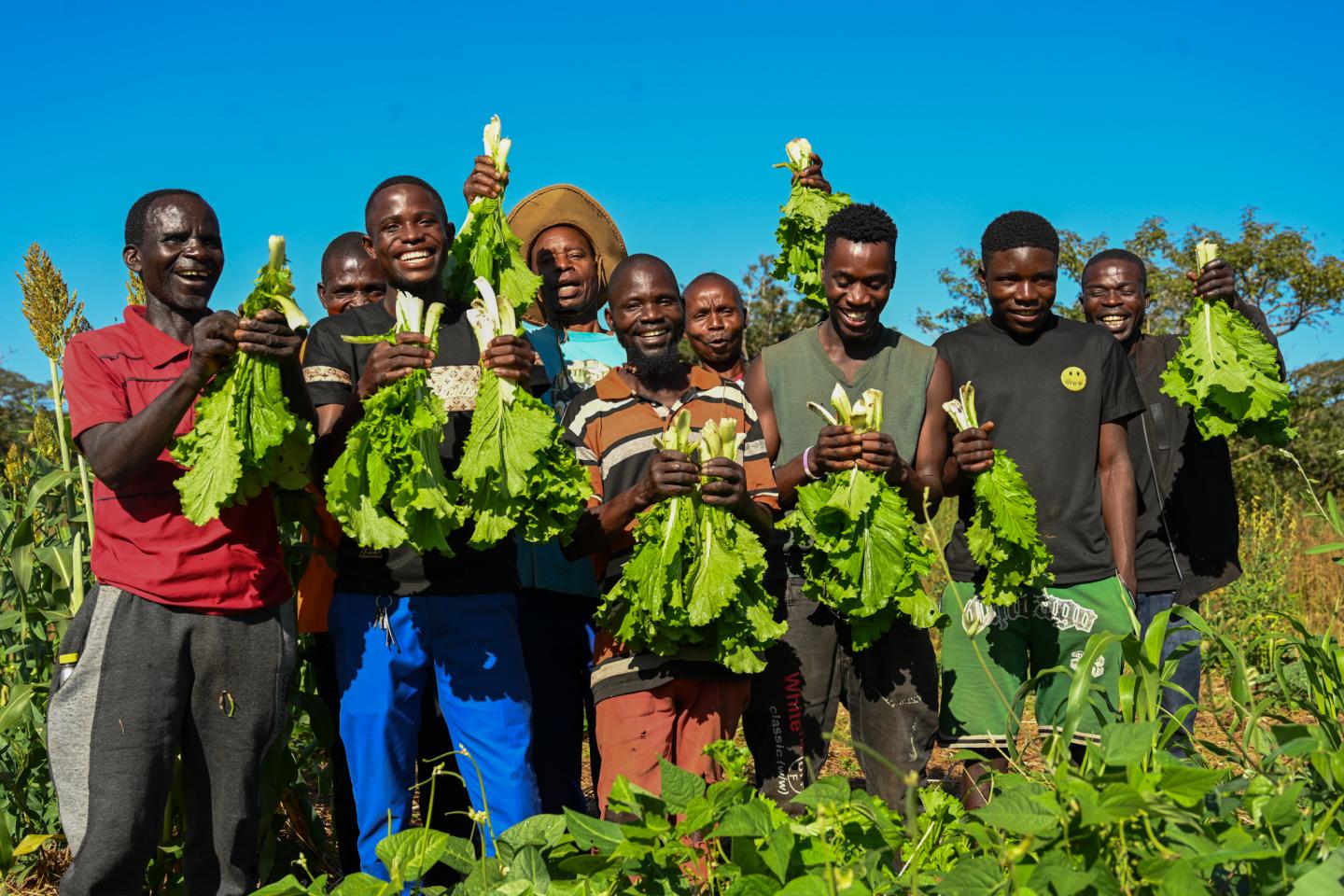
Designed as a practical and community-driven response to environmental and climate challenges, the CRAH model combines agroecological restoration, water management, regenerative agriculture, youth engagement, and intergenerational learning. Through community learning hubs, farmers and learners gain practical skills that help them restore landscapes, improve water management, and strengthen resilience to climate shocks and other environmental challenges.
In Muwozi Village, community members have long faced serious environmental challenges related to soil erosion, declining soil fertility, landscape degradation and the siltation of rivers and perennial streams. Community members report that some streams, which once flowed throughout the year, have gradually dried up due to heavy siltation and catchment degradation. These challenges have reduced water availability and affected both agricultural production and ecosystem health
But through the CRAH project, farmers in Muwozi Village are learning practical and locally adaptable solutions that are restoring degraded landscapes and strengthening resilience. Community members are implementing landscape restoration, water harvesting, and riparian protection measures to improve water infiltration, reduce erosion, and restore the health of local watersheds.
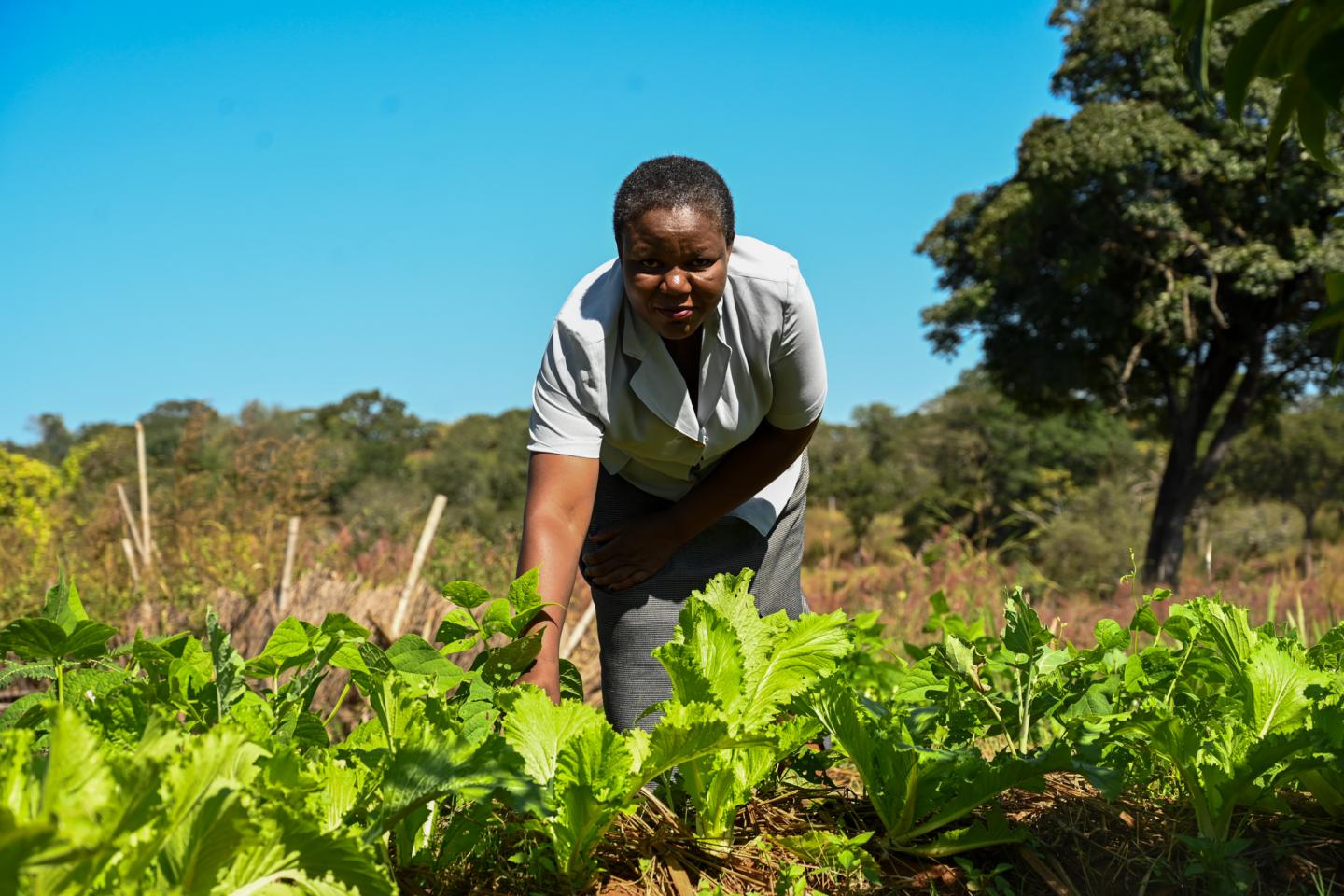
The transformation began at the CRAH community learning site established in Muwozi Village. The site serves as a living classroom where farmers learn practical approaches to managing water, restoring degraded land, and improving productivity. Demonstrations include "planting the rain" techniques such as bioswales and half-moons, riparian restoration, mulching, contour planting with vetiver grass, and the protection of natural vegetation. Through this shared learning space, farmers are increasingly applying these practices in their own fields and contributing to the restoration of the wider landscape. Margret Sanshi, a farmer and community member, says the project has transformed the way she farms.
“Before the CRAH project, my crops would often be washed away by heavy rains, and I would lose hope because all my hard work would go to waste,” she says.
“The coming of the CRAH project has taught me new ways of managing water and soils, such as bioswales and half-moons. These structures slow down the speed of rainwater, reduce soil erosion, and help more water soak into the ground. Because of this, I am now able to farm throughout the year.”
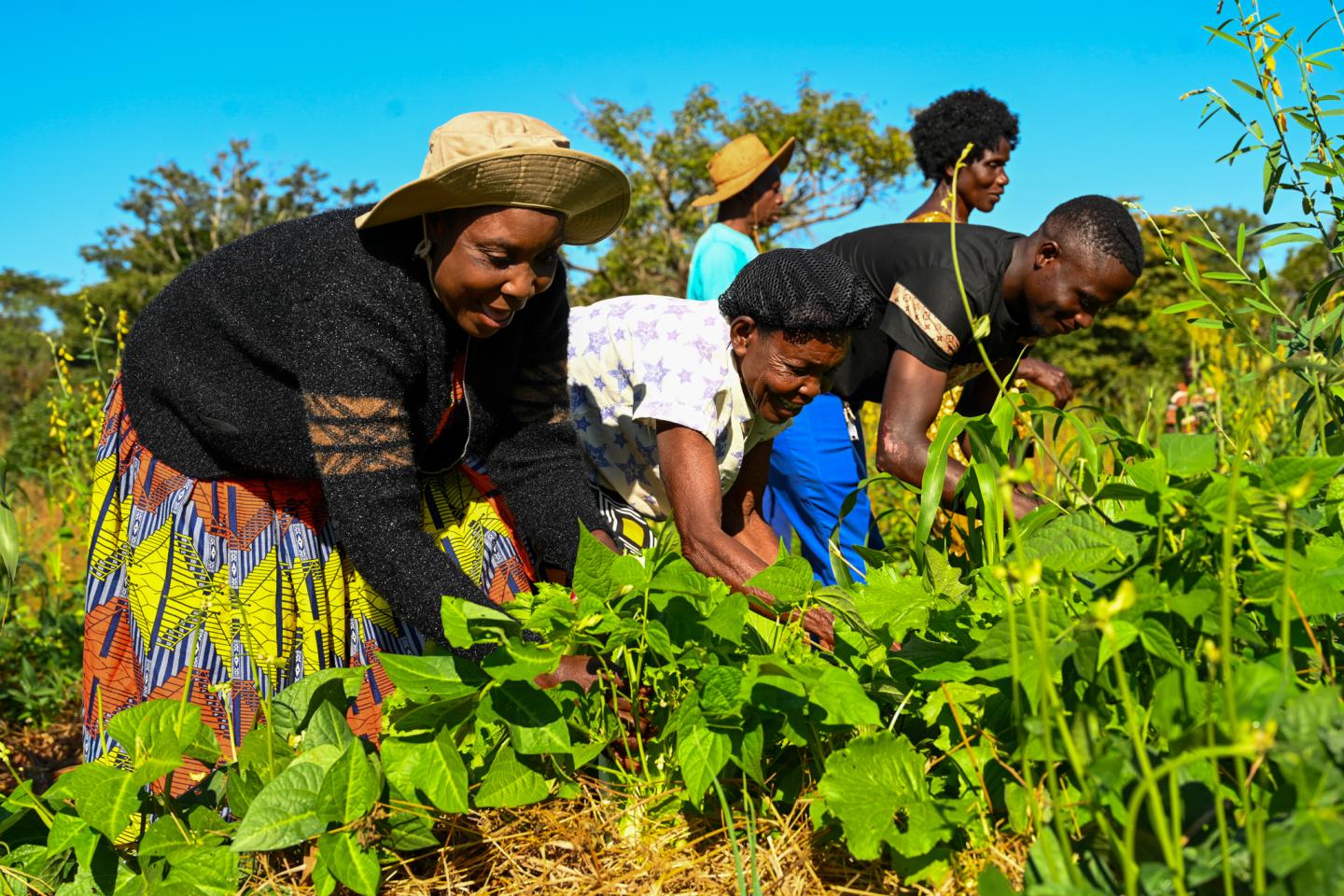
The introduction of these practices is helping farmers manage rainwater more effectively, reduce erosion, and improve soil health. By increasing water infiltration and protecting the soil surface, farmers are beginning to restore the productivity and resilience of their landscapes.
Traditionally, many community members relied on practices such as burning grass to clear fields. While widely used, this method often damaged soil structure and reduced fertility over time.
Today, Muwozi farmers are embracing a different approach.
Through the CRAH model, farmers are learning to use grass and other organic materials as mulch rather than burning them. This helps protect the soil surface, conserve moisture, build organic matter, reduce erosion, and improve soil health over time.
Community members are also working to protect riparian areas by reducing cultivation near streams and restoring vegetation along waterways. These efforts aim to reduce erosion and siltation while helping to restore the health of local water sources.
Community leaders are playing a critical role in ensuring that these positive changes take root.
At the forefront of this transformation is Headman Philemon Kazhinya, who has become a strong advocate for sustainable farming practices within Muwozi Village.
“As community leaders, we have a responsibility to guide our people towards practices that protect our land for future generations,” says Headman Kazhinya “We are encouraging our people to stop harmful practices such as burning fields and cultivating near riverbanks. What we are seeing through the CRAH project is proof that when communities adopt better land and water management practices, the land begins to recover, food production improves, and families become more resilient.”
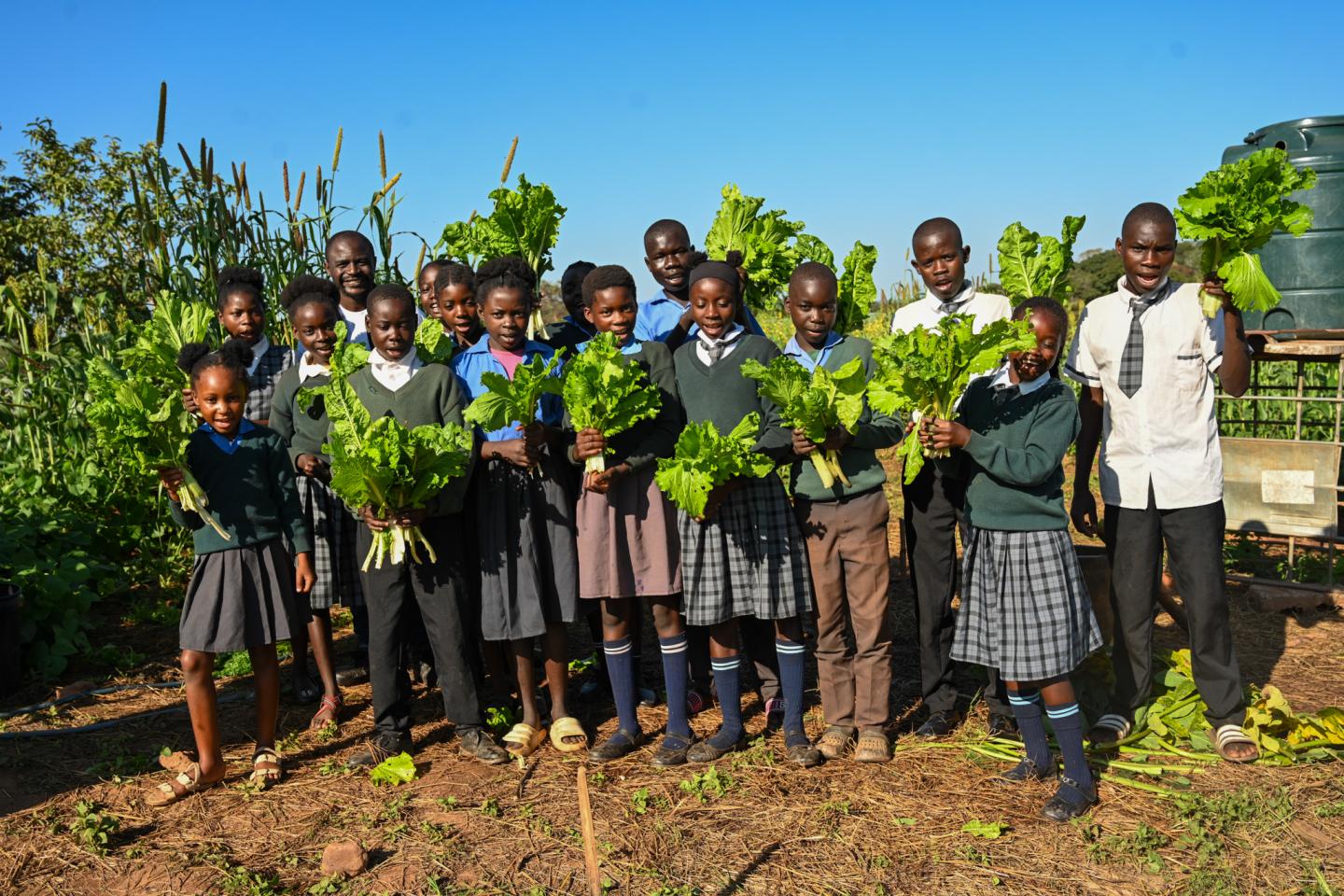
Within a short period, visible changes are already being seen across the village.
Within a short period, farmers are already applying practices learned at the community hub within their own fields. Community members are establishing bioswales and half-moons, protecting riparian areas, reducing field burning, and using mulch to improve soil health. These early changes are helping to restore degraded areas while strengthening community awareness of sustainable land management.
The CRAH model recognises that each landscape is different. By responding to locally identified challenges such as erosion, stream degradation, and declining soil health, communities can test and adopt solutions that fit their environment. The most compelling evidence of change is not only the restoration taking place at the learning site, but the growing number of farmers adopting these practices within their own fields. As knowledge spreads across the village, Muwozi is demonstrating how communities can restore landscapes, improve water management, and build resilience using locally adapted solutions.