
“Periods Paused My Education; A Pad Restored It.” - Esther, 13

13-year-old Esther, of Manyinga district, in North-Western, used to dread the school calendar. Every month, when her menstrual cycle (period) came, she would stay home.
“Each month, I would miss classes for three or four days,” Esther says. “I felt like I was falling behind.”
Lack of access to sanitary towels left her with no options.
“During my menses, I would use strips of old cloth that leaked, chafed, and left me too ashamed to sit in class.
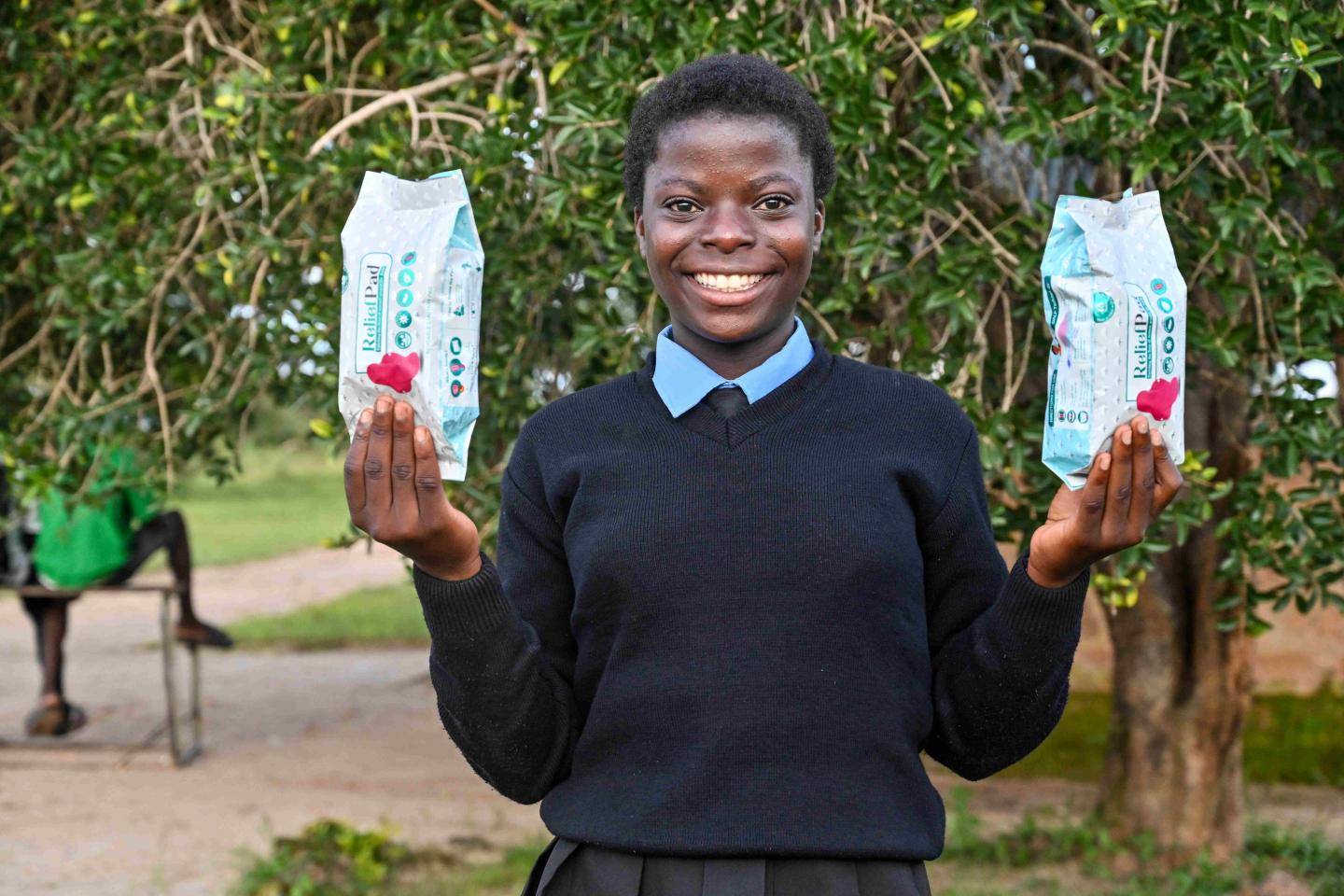
In most rural districts, the lack of access to sanitary products creates a barrier that often forces girls to choose between their dignity and their education.
In Manyinga district, girls like Esther face a grim reality. Most rural families cannot afford the cost of a pad. Without protection, girls improvise with rags, dried leaves, or cotton stuffing. Infections follow. Shame follows faster. Absenteeism builds quietly into dropout.
"When I had my period, I would just sit at home because I was afraid of leaking in class," Esther says. "Other children would laugh. I missed so many school days."
World Vision Zambia’s Flow Fund campaign is working to rewrite this narrative. By providing sustainable, durable and reusable sanitary kits, the campaign ensures that girls like Esther have the dignity and protection they need to stay in class.
The campaign restores hope and keeps girls in the classroom where they belong. The pads' reusable nature ensures that Esther is supported for over two years, removing the financial burden on her family.
For Esther, the change was immediate.
"Now I come to school every day, even during my period," she says. "I am not afraid anymore."
She has not missed a day since.
“These pads are comfortable, and I feel clean and confident. I can run and play with my friends without any fear,” Esther says. “I want to study hard and become a nurse so I can help others in my village."
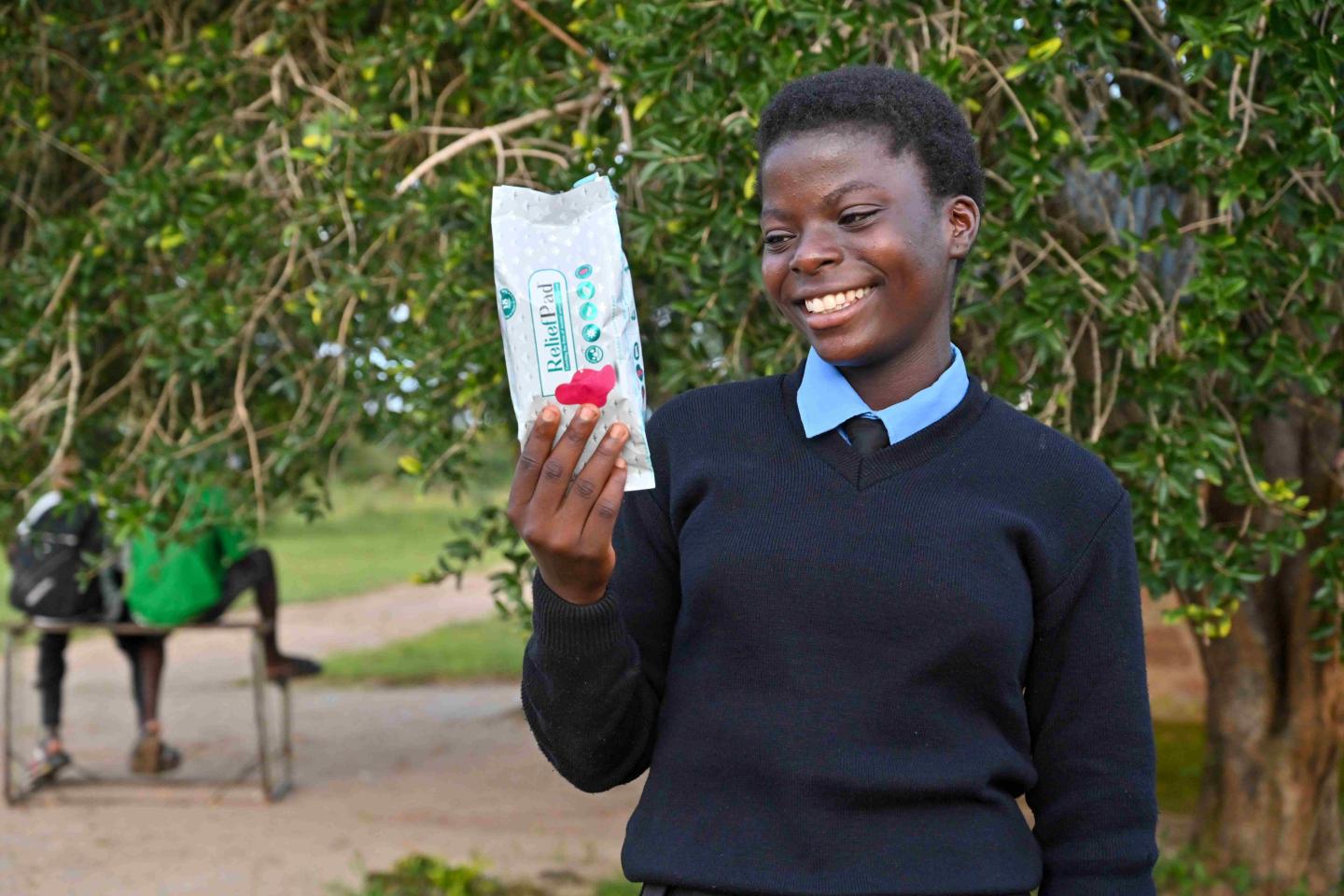
Flow Fund Campaign addresses the quiet, monthly crisis that pulls girls out of classrooms and pushes them toward the edges of their own futures.
Her story reflects the impact of simple, targeted support. When girls have what they need, they stay in school. They learn. They lead.
Ending period poverty starts with access, awareness, and dignity.