
The Power of a Child’s Voice: Ruth’s Story of Change in Kasama

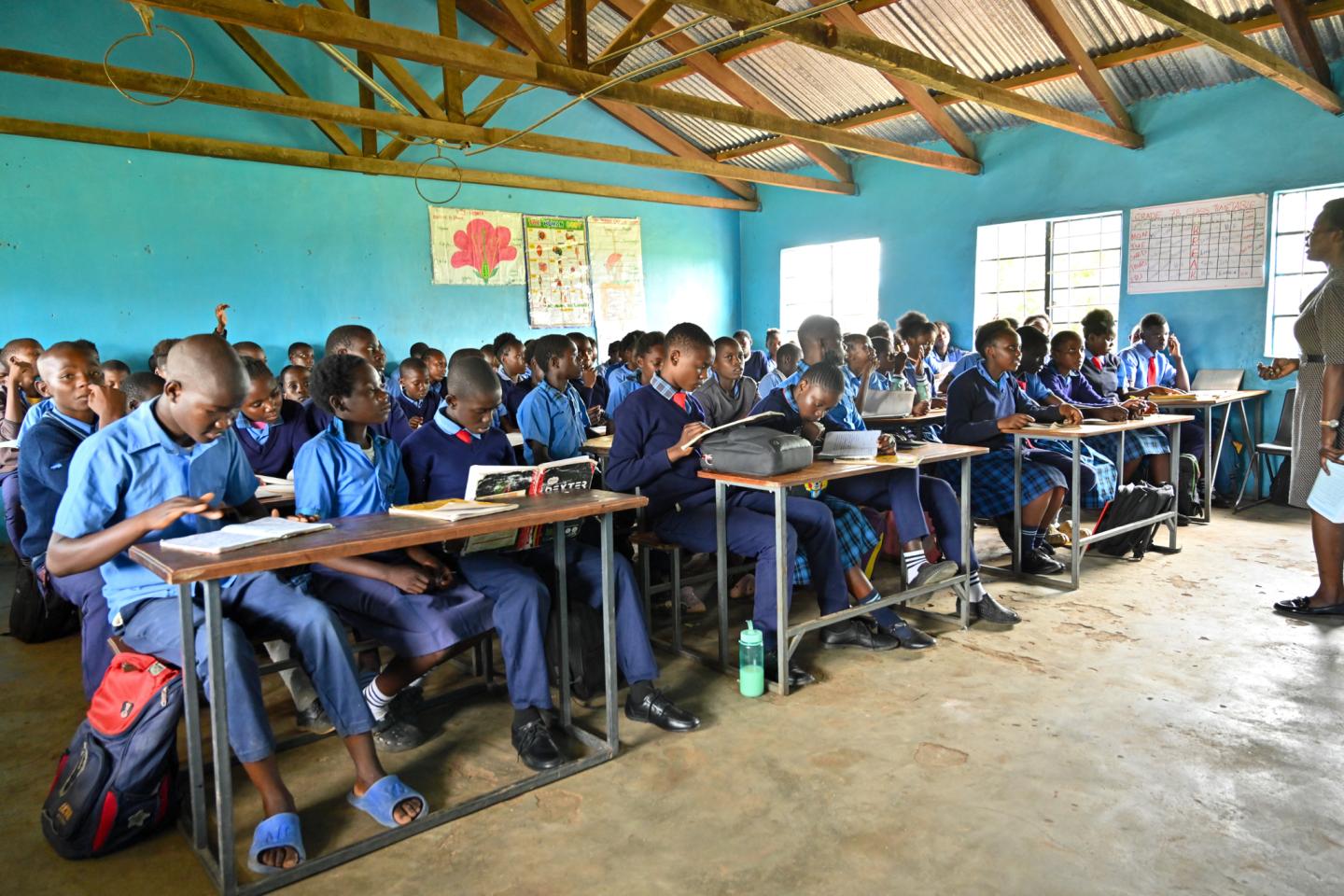
In Kasama District, a simple classroom challenge kept children out of school. Many learners had no desks. They sat on the floor. They wrote on their laps. For 12-year-old Ruth, a Grade 7 pupil, this was more than discomfort. It pushed children away from learning.
“Some of my friends stopped coming to school because they did not want to sit on the floor,” Ruth says. “It was hard to write, hard to concentrate, and we felt discouraged.”
Instead of accepting the situation, Ruth chose to act. Through the IMPACT+ club at her school, she joined other children to raise their voices. IMPACT+ is a World Vision Zambia model that equips children with skills to speak up, lead, and influence decisions that affect their lives. It builds confidence. It teaches communication. It creates space for children to engage leaders with clear messages.
Ruth and her peers used these skills to advocate for change. They organised presentations for community leaders, district officials, and the Constituency Development Fund Committee. They used drama and poetry to show the reality of learning without desks.
“We wanted leaders to see what we go through every day,” Ruth explains. “We spoke with one voice so they could understand us.”
Their advocacy was supported by the Citizen Voice and Action model. CVA is a social accountability approach that empowers communities, including children, to engage with service providers and government leaders. It focuses on dialogue, evidence, and joint problem-solving. Through CVA, children learn that their voices matter and that they can help improve public services.
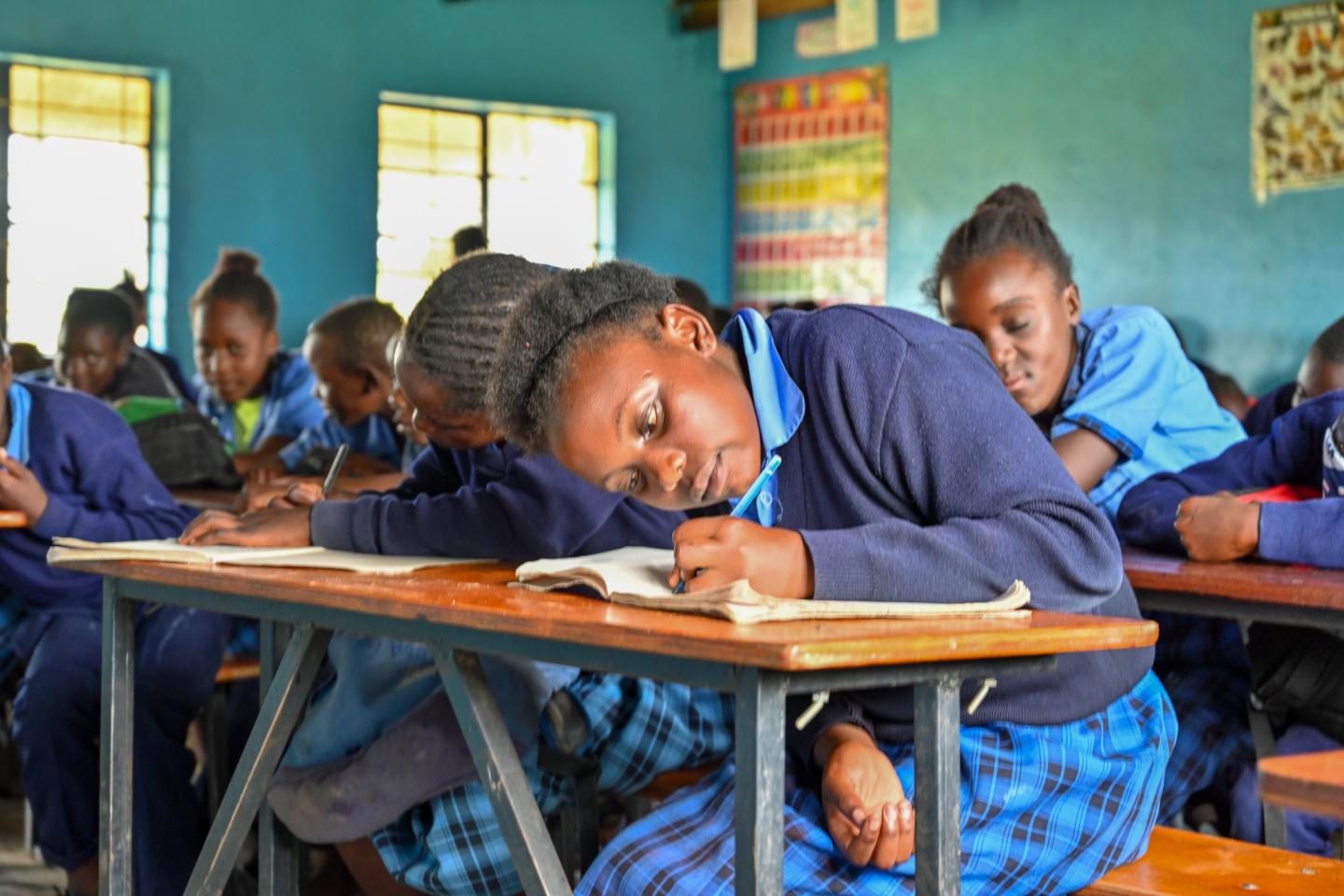
The results were clear. The school received 82 desks.
Ruth remembers the moment with pride. “I was very happy because it showed that the government also listens to us children,” she says. “We felt respected and important.”
The impact went beyond furniture. Attendance improved. Children who had dropped out returned. Those who missed classes started coming back consistently.
“With the coming of the desks, many children have returned to school,” Ruth says. “Now we can sit properly, write well, and focus on our lessons.”
School Headteacher Mr. Penius Sakala has seen the change firsthand. “Children’s participation brings out real issues because they experience these challenges daily,” he says. “They speak from their hearts. Children cannot be left behind in decision-making.”
This story shows a clear link between participation and results. When children speak, leaders listen. When children engage, solutions follow.
Ruth’s journey and that of her friends highlight the power of investing in children’s voices. Through CVA, they understand systems and accountability. Through IMPACT+, they gain confidence and practical advocacy skills. Together, these models create informed, active young citizens.
For Ruth, the lesson is simple and direct. “Children should be involved in making decisions that affect them,” she says. “We know our problems, and we can help find solutions.”
Her voice changed her school. It brought desks into classrooms. It brought children back to learning. It proved that when children are heard, real change happens.