Southern Province Chiefs Join Efforts to Improve Maternal and Child Health

By Mary Mulenga, Project Coordinator, Zambia Multiple Micronutrient Supplements
Traditional leaders across the Southern Province are collaborating with health partners to enhance the nutrition of pregnant women and safeguard the health of their babies. This comes at a time when maternal nutrition remains a concern. The 2024 Zambia Demographic and Health Survey shows that anaemia affects about one in five women of reproductive age. The survey also highlights ongoing micronutrient deficiencies among women and children, especially in rural areas. Poor nutrition during pregnancy increases the risk of illness for mothers and affects a child’s growth from the very beginning. These findings show why practical solutions and strong partnerships at the community level are needed.
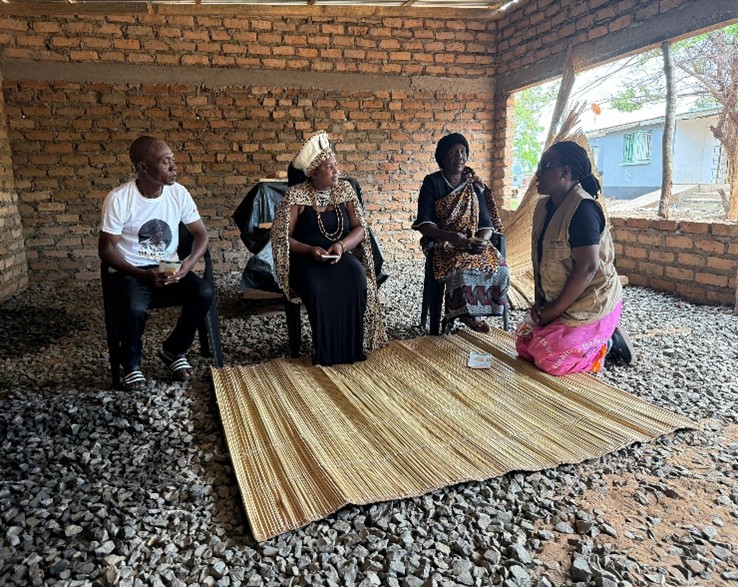
Through the Zambia Multiple Micronutrient Supplements project, implementing partners engaged traditional leaders as trusted voices in their communities. Courtesy visits were held with Chiefs Nyawa, Mukuni, Sekute, Moomba, and Musokotwane to explain the purpose of the project and seek guidance on how best to reach families. The discussions were open and respectful, reflecting a shared commitment to maternal and child health.
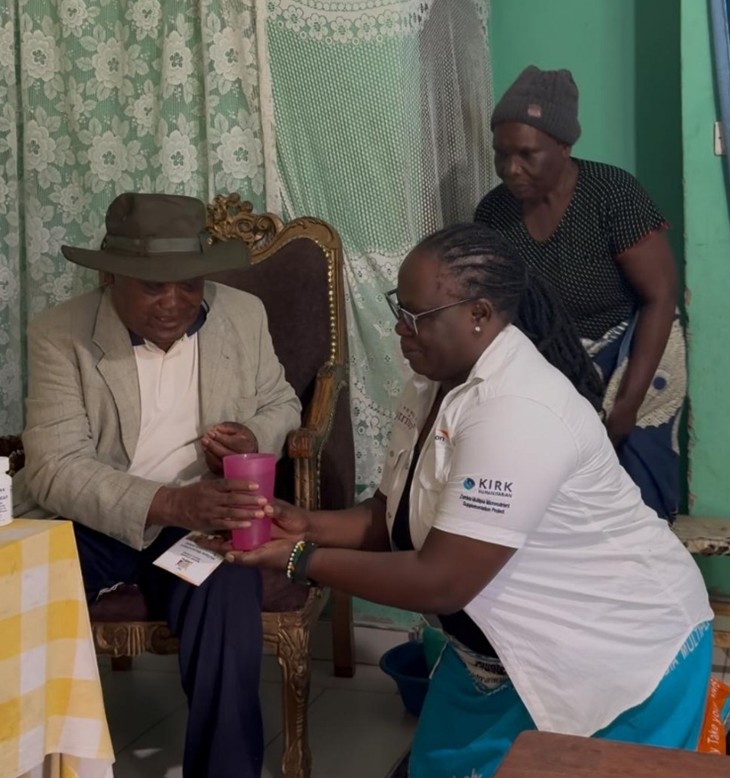
At Chief Nyawa’s palace, the meeting focused on trust and understanding. The Chief and his wife tasted the MMS tablet themselves so they could speak from experience. He then pledged to brief more than 500 headmen in his chiefdom. “This program benefits my people, and I will ensure that our headmen encourage pregnant women to take the supplements,” he said. His support showed how leadership can help turn health messages into everyday practice.
In Mukuni Chiefdom, the Prime Minister represented the Chief and spoke about the high levels of anaemia among pregnant women. He welcomed the project and committed to sharing information with headmen so that families understand why the supplements matter. His remarks reflected how local leaders see MMS as a practical response to a known health problem.
In Sekute Chiefdom, Her Royal Highness, the Chief’s Wife, showed confidence in the project by publicly accepting and consuming the MMS tablet. She spoke about the importance of healthy mothers and babies and encouraged women to use the supplements. The Chief later invited the project team to address more than 300 headmen at a traditional ceremony, creating a wider platform for community awareness.
Her Royal Highness Chieftainess Moomba emphasised the importance of early antenatal care so women can benefit fully from MMS. She also spoke about education and access to clean water, reminding partners that maternal health is linked to broader community needs.
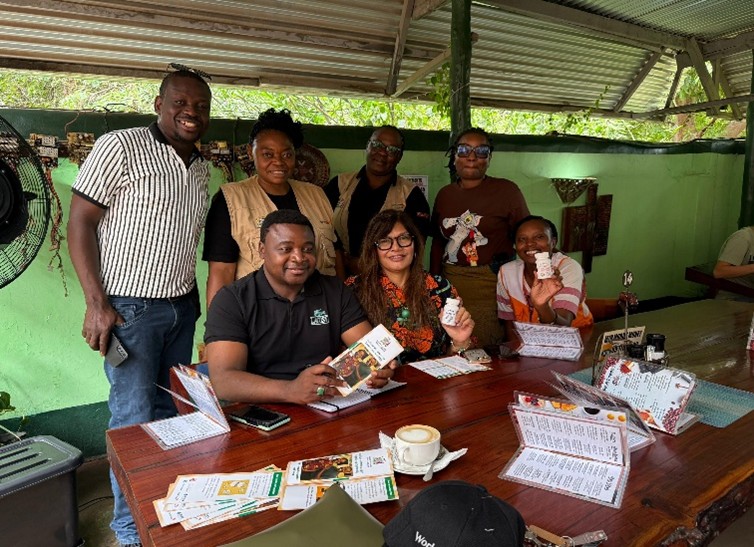
In Musokotwane, Her Royal Highness the Queen asked thoughtful questions about the supplements and committed to briefing the Senior Chief and other leaders. “I will ensure the Senior Chief and other leaders understand the importance of this project and support its implementation in our chiefdom,” she said.
These engagements show the impact of partnership. When health programs work alongside traditional leadership, communities listen and act. For donors and the public, this approach demonstrates how shared responsibility and local ownership can improve maternal nutrition and give children a healthier start to life.