From Survival to Self-Reliance: Meheba's Refugee Entrepreneurs Build Lasting Businesses

By Christabel Mundike, Communications Officer, Zambia
A lesson on savings and financial management has grown into a thriving cooperative changing lives in Meheba Refugee Settlement.
Refugee families in Meheba faced daily survival with no structured savings, financial planning, or path to sustainable income. Many sold goods informally, with no permanent trading space and no access to affordable credit.
"Before World Vision came, we had no understanding of structured savings, financial planning, or how to grow a business collectively," says Christine, vice chairperson of the Together Forward Multipurpose Cooperative. "Most of us were simply trying to survive each day."
Through the Economic Empowerment for Strengthening Gender Equality in Refugee and Host Communities (ECO4G) Project, World Vision Zambia trained community members in financial literacy, savings groups, business management, gender equality and leadership. Participants organised into a Community Household Action Team before forming the Together Forward Multipurpose Cooperative, which now runs a wholesale business paying dividends to members every six months.
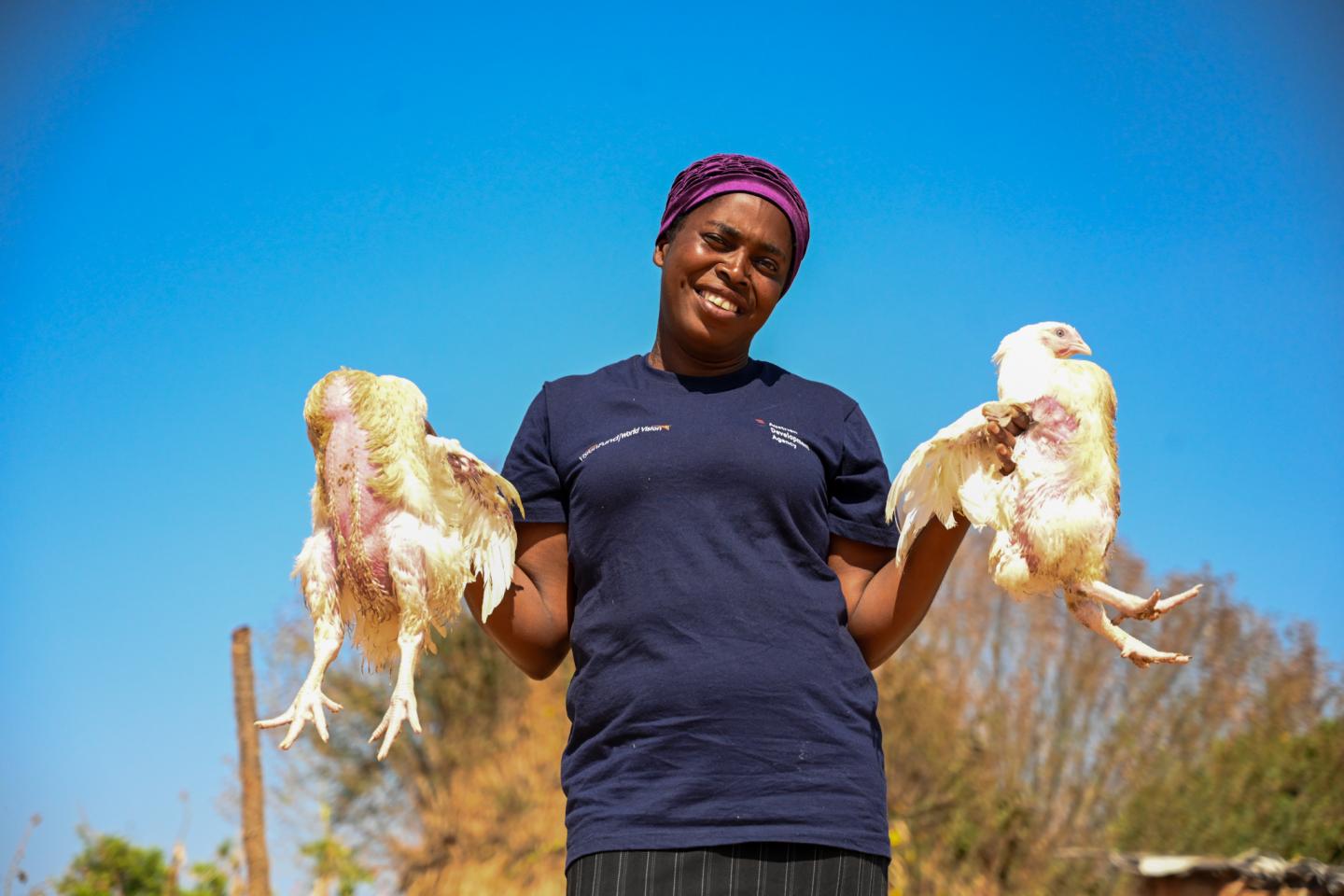
Member Ireen accessed a loan through the cooperative's lending system to start a fish-trading business. "I started saving little by little through the cooperative. When I qualified for a loan, I travelled to Mongu to buy fish and resell in Meheba," she says. Proceeds funded a poultry enterprise, supported by World Vision training in poultry management, livestock husbandry and biosecurity.
Fellow member Chikuru, who spent years trading from the roadside with no permanent stall, joined the cooperative's savings and lending activities and reinvested in her business. "The business training taught me how to manage money, keep records, and think long-term," she says.
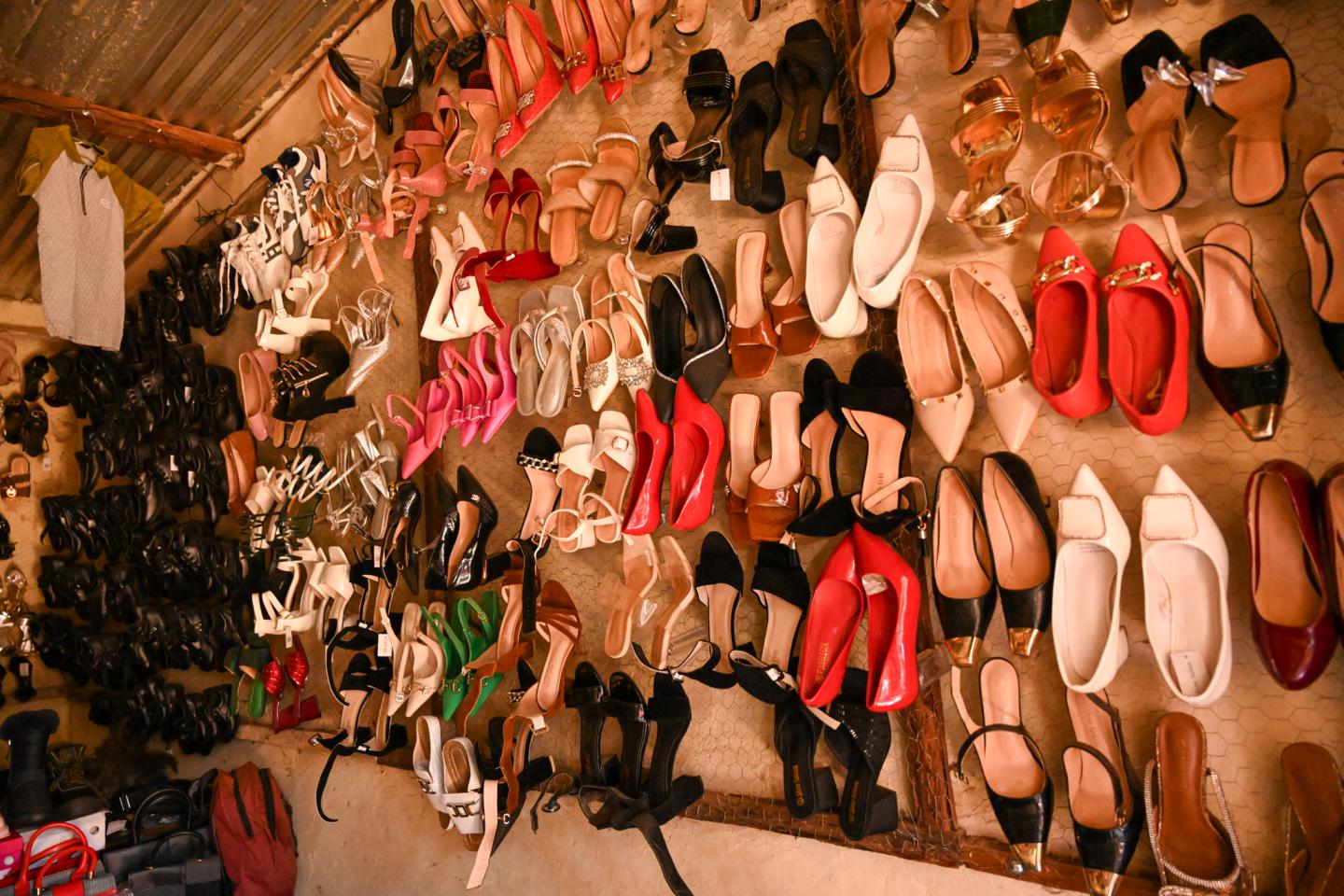
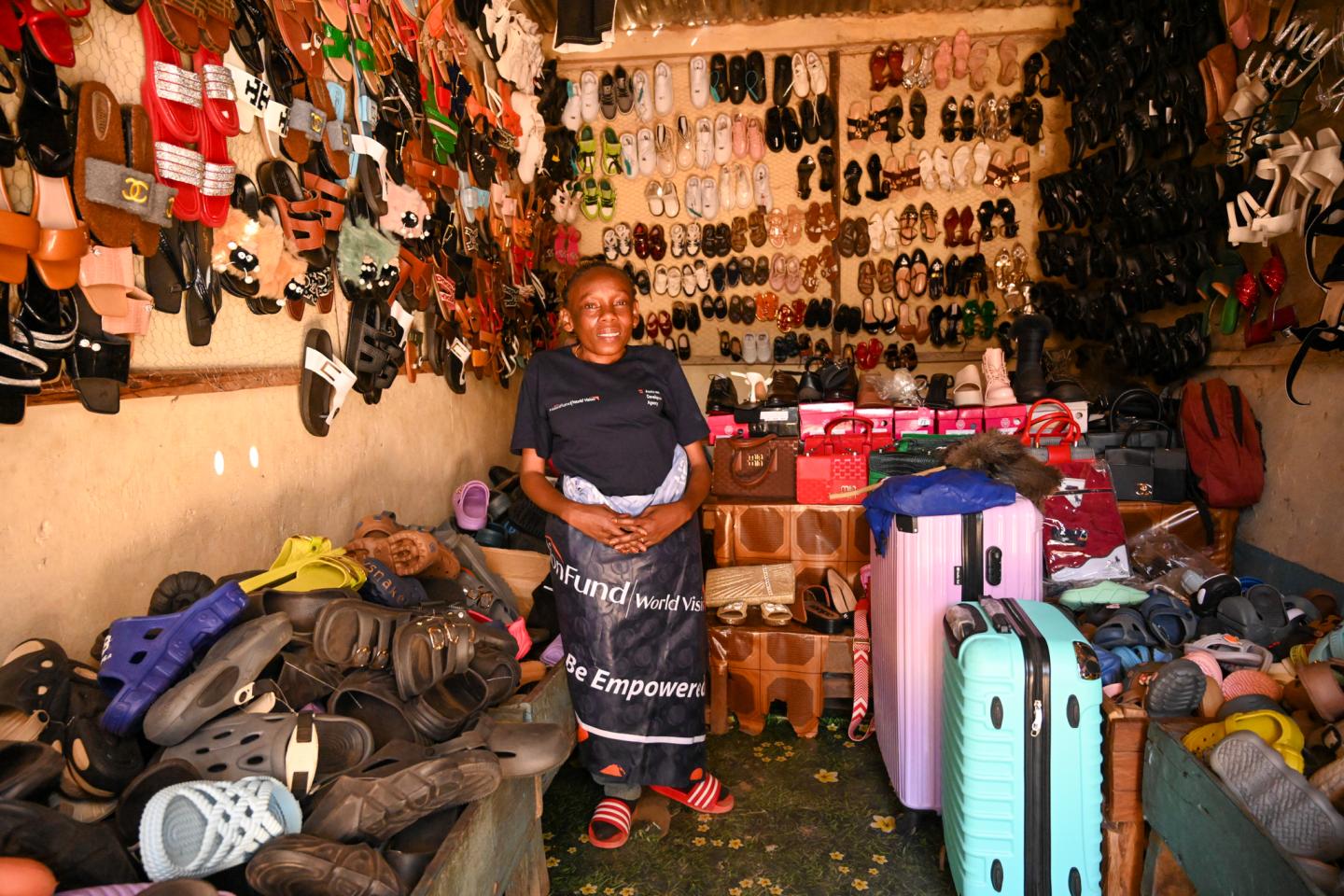
Ireen now pays school fees, feeds her family and cares for three vulnerable orphans in her home — support she once thought impossible. Chikuru owns a retail shop stocked with footwear and other goods. "Owning a shop has given me dignity and confidence," she says. "World Vision showed us that where you live does not determine your future."
For Christine, the cooperative represents far more than a business venture. "What started with training sessions has grown into businesses, homes, school fees, and better lives for many families," she reflects. "We are no longer only thinking about surviving today — we are planning for tomorrow."
Through the ECO4G Project, World Vision Zambia continues to support refugee and host communities to strengthen economic resilience, promote gender equality and build pathways toward self-reliance.