article / June 10, 2026
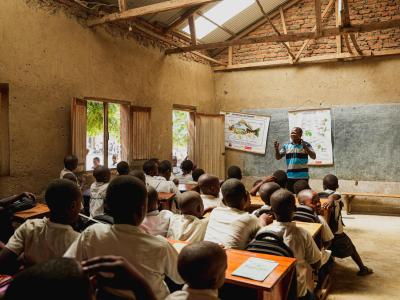
From Degradation to Restoration: The CRAH Journey in Muwozi Village
Farmers using the CRAH model adopt mulching with grass and organic materials, improving soil health, conserving moisture, reducing erosion, and boosting productivity.
article / May 14, 2026
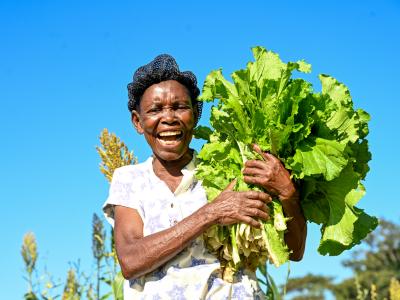
Seeds of Change: Building Local Capacity for Thriving Tree Nurseries and Landscape Restoration in Northern Ghana
In the dry landscapes of Northern Ghana, restoring degraded land has become increasingly challenging. Years of declining soil fertility and erratic rainfall have made it difficult for farmers to establish and sustain planted trees. For many communities, the challenge is not only about planting trees, but also about finding the right seedlings to start with. Without access to quality planting materials or the knowledge to raise them, many restoration efforts have fallen short.
article / June 10, 2026
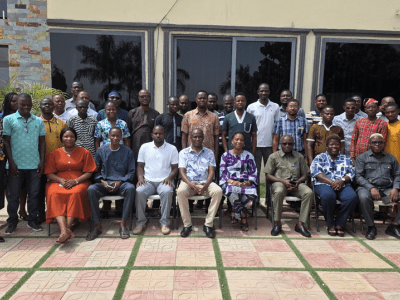
Restoring the mountain, restoring a child’s future
On Megaramo Mountain in Central Ethiopia, community-led watershed restoration stopped erosion, revived biodiversity, and helped farmers triple their harvests, creating new opportunities for children and families.
publication / June 8, 2026
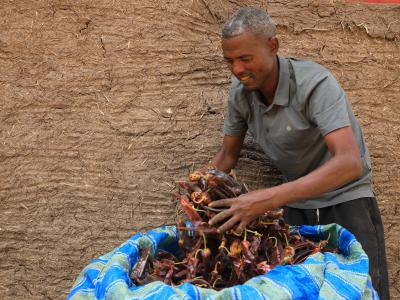
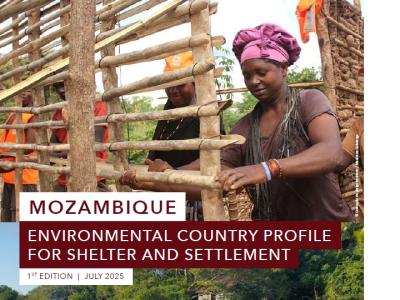
Mozambique - Environmental Country Profile For Shelter And Settlement
The purpose of this Environmental Country Profile is to inform the Mozambique Shelter Cluster
and to improve the capacity and quality of the humanitarian response in shelter and
settlements.
publication / June 17, 2026
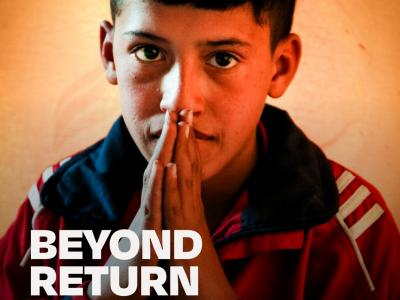
Child and Family Wellbeing among Refugee and IDP Returnees in Ukraine and Syria
New WV policy brief reveals that long after displacement ends, many children continue to face insecurity, hunger, disrupted education and psychological distress.
article / June 9, 2026
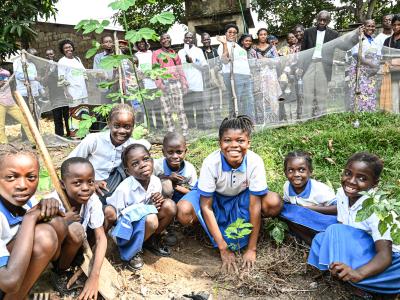
DR Congo: International Environment Day in Ngandu: The Community Mobilises for a Greener Future
To commemorate International Environment Day 2026, World Vision DRC’s Kinshasa Cluster brought together local authorities, schools, and community members in Ngandu, Kimbanseke, to promote environmental protection and climate action. Through awareness sessions, waste management demonstrations, tree-planting activities, and the distribution of waste bins to schools, the event highlighted the crucial role of children and communities in building a cleaner, healthier, and more sustainable future for generations to come.
article / June 4, 2026
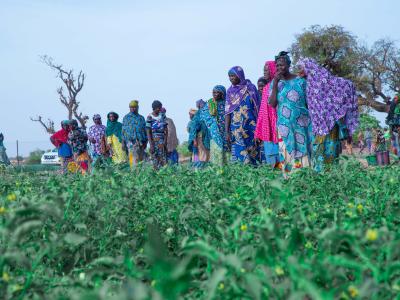
Closure of the Eco-Agri+ Project in Koutiala: a step towards sustainable resilience
In the Koutiala region, particularly in the municipalities of Zanina and Fakolo, in the M’Pessoba district, challenges related to agriculture are an integral part of the daily lives of the communities.
article / May 14, 2026
Beyond Trees: How Regreening Africa Is Integrating Gender and Disability Inclusion into Landscape Restoration
Across northern Ghana, women and persons with disabilities continue to face barriers that limit their participation in restoration, agriculture, and decision-making processes. Unequal access to land, limited control over resources, restrictive social norms, and exclusion from community leadership structures often reduce their ability to benefit fully from development interventions.
publication / June 17, 2026
East Asia Regional Snapshot - Published June 2026
Last year, our programmes impacted more than 5.8 million people, including 3.2 million vulnerable children and families across East Asia.
article / June 17, 2026
DR Congo: Caught Between Conflict and Ebola, Kelly, 12, Fights Not to Lose Another Year of Learning and Life
After surviving conflict, displacement and prolonged school closures in North Kivu, 12-year-old Kelly is now facing a new threat: Ebola. Her story highlights the resilience of children caught between war and disease, and the importance of keeping education alive during crises. Through World Vision’s Integrated Response to Emergency Education in Eastern DRC project, supported by Education Cannot Wait, thousands of children have returned to learning in safer and more supportive school environments. As fears of a new Ebola outbreak grow, Kelly’s determination to continue her education reflects both the hopes and vulnerabilities of children in eastern DRC, underscoring the urgent need to protect their right to learn and thrive.