article / March 25, 2026
World Vision at HNPW 2026: Strengthening Hope, Protection and Lasting Impact for Children in Crisis
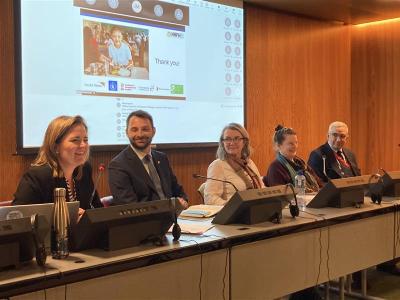
At the Humanitarian Networks and Partnerships Week (HNPW) 2026, World Vision demonstrated how child-centred, evidence-driven approaches can deliver greater impact, efficiency, and resilience at a moment when humanitarian needs are rising and resources are under intense strain. Across seven high-impact sessions, in partnership with UN agencies like WFP, FAO, clusters and networks like School Meals Coalition, Food Security Cluster and the Cash Learning and Partnership (CALP) Network, World Vision representatives helped shape global conversations on the Humanitarian Reset, bringing practical field experience, strong partnerships, and a clear focus on outcomes for children and communities.
opinion / March 19, 2026
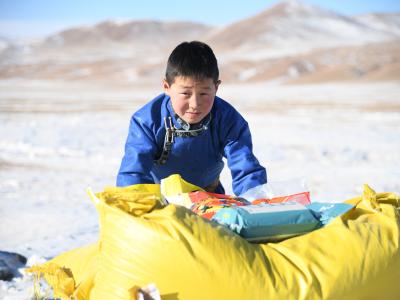
An Inflection Point for Our Sector and What Comes Next
Explores why our sector has reached a critical inflection point and the role civil society should play in helping build better systems.
publication / March 2, 2026
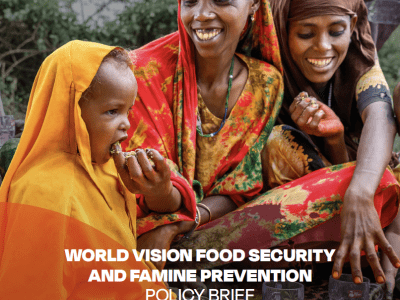
Policy Brief | Famine Prevention & Food Security
Policy Brief | Famine Prevention & Food Security
publication / March 9, 2026
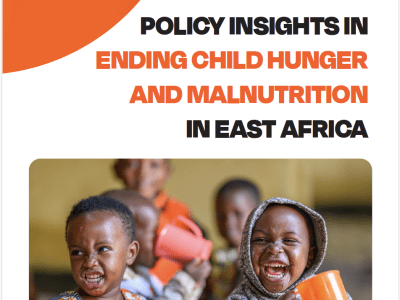
Policy Insights in Ending Child Hunger and Malnutrition
This policy brief introduces the ENOUGH Campaign in East Africa and invites you to be part of a practical response rooted in bold hope to end child hunger and malnutrition. It explains the challenge clearly, highlights what is working, and sets out actions that governments, donors, businesses, civil society, communities and friends of children can take together. The goal is simple and urgent: to make sure every child has ENOUGH of the right food to grow well, learn in school and thrive.
publication / March 9, 2026
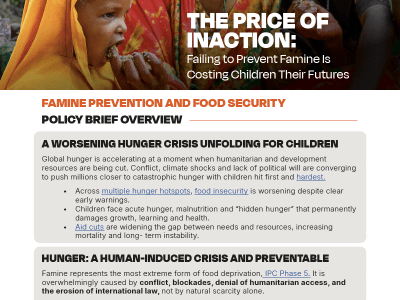
Policy Overview | Famine Prevention & Food Security
Famine is not a natural disaster and can be prevented. Across the world’s hunger hotspots, early warnings are clear, yet governments continue to act too late – or not at all. Conflict, blockades, and the denial of humanitarian access, not food scarcity, are driving a deepening hunger crisis, with children suffering first and longest. As aid budgets are cut, the gap between need and response is widening fast. This is a false economy: preventing famine costs far less than responding once lives are already lost. World Vision warns famine can be predicted and prevented – but only if leaders act early, protect civilians, and put children at the centre of hunger prevention.
article / March 25, 2026
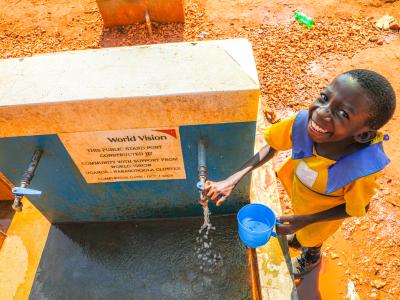
Uganda’s Water Crisis Has a Gender Problem — And a Gender Solution
This article is about how to fill the gender gap in uganda's water crisis
article / February 26, 2026
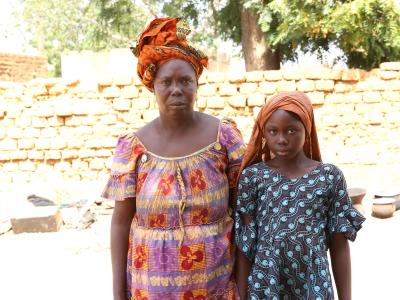
Fatim’s Journey of Survival and Renewal with Food Assistance
Fatim, a mother of six, fled armed violence in Torou and now rebuilds her life in Koro. She supports her family by pounding millet, doing laundry, and selling gravel, while her husband receives medical care and her eldest son works in artisanal gold mining.
opinion / March 17, 2026
In every crisis, women carry the weight, but who carries them?
Juma Ignatius says women bear the brunt of climate and humanitarian crises yet are sidelined. Empowering women’s leadership is vital for children’s futures.
opinion / March 19, 2026
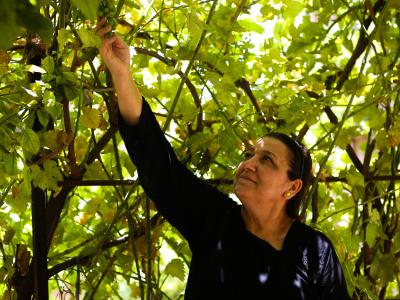
What Does This Investment Do to Children? Rethinking Food Systems Finance
Why food systems investments must be measured by their impact on children, not only by economic returns.
publication / March 23, 2026
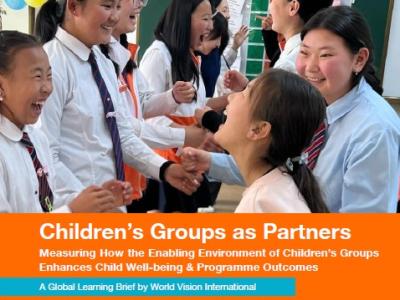
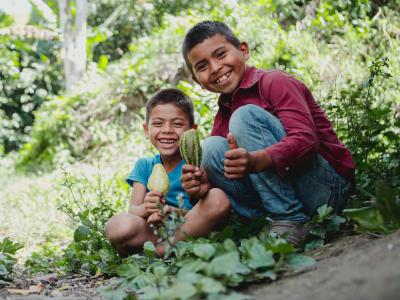
Children's Groups as Partners: Global Learning Brief
A Global Learning Brief on measuring how the enabling environments of children's groups enhances child well-being and programme outcomes.