Bringing Water Back to Badgah

How one community chose to rebuild after the flood
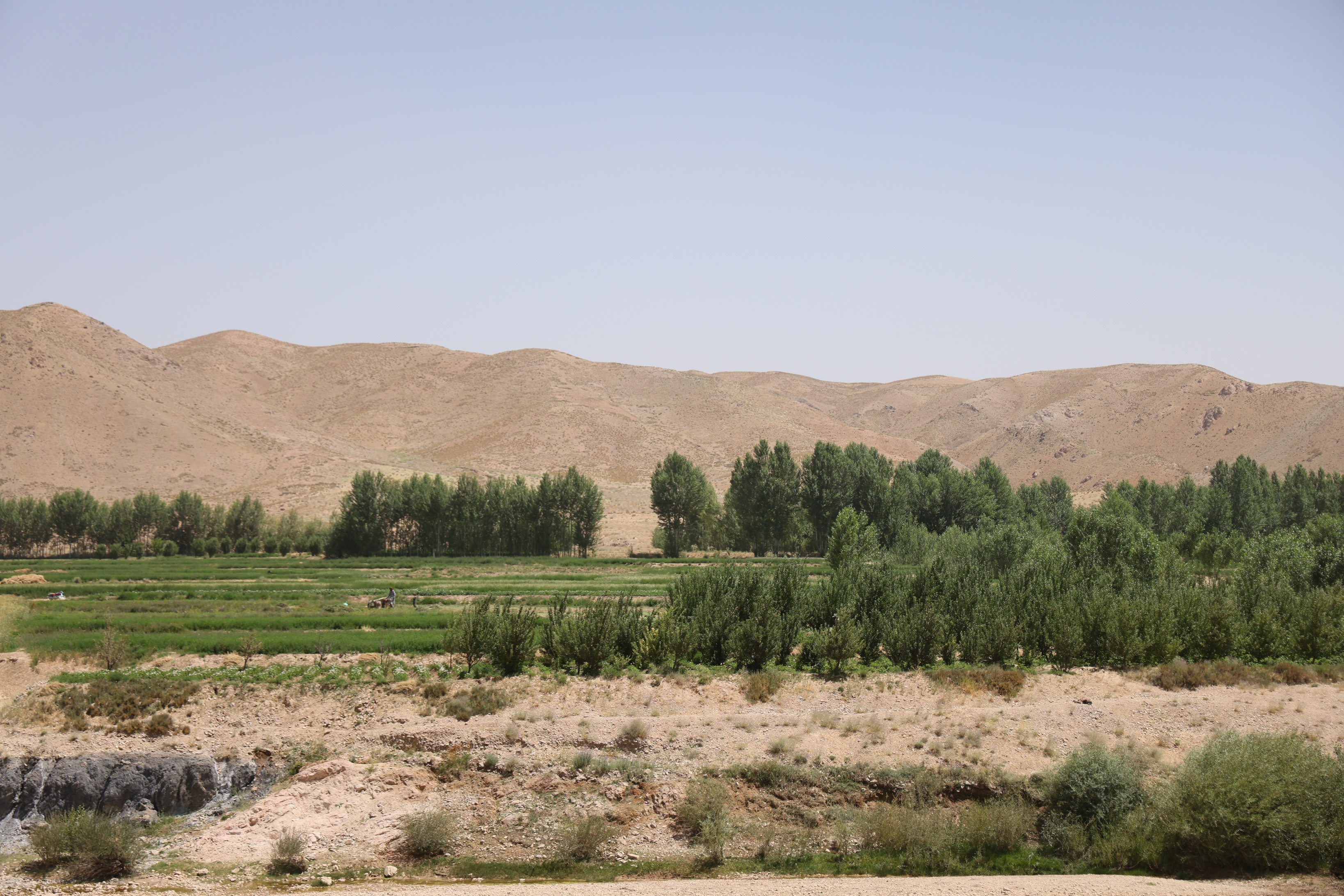
The people of Badgah village in Ghor Province know that water is the blue thread that sustains their lives. When the irrigation canals fill from the Harirud River, wheat fields turn green, orchards blossom, and families can plan for the months ahead. Water is the source of stability and the enabler, alongside hard agricultural work, of flourishing.
Or, it was. On 17 May 2024, the floods arrived.
The water surged with a force few had ever witnessed. Within hours, homes were deluged, orchards uprooted, and fields buried under mud and debris. The canal that carried water across the village was torn apart. For many families, this loss felt worse than losing the standing crops. Without irrigation, there could be no future harvests. “In one night, everything changed,” recalled one farmer. “The land was still there, but it no longer gave life.”
In the weeks that followed, humanitarian assistance reached Badgah. Families received emergency support, and a World Vision-supported clinic provided essential health services. Yet as immediate needs stabilised, a bitterly ironic question dominated every conversation: now after the floods, what will we do for water?
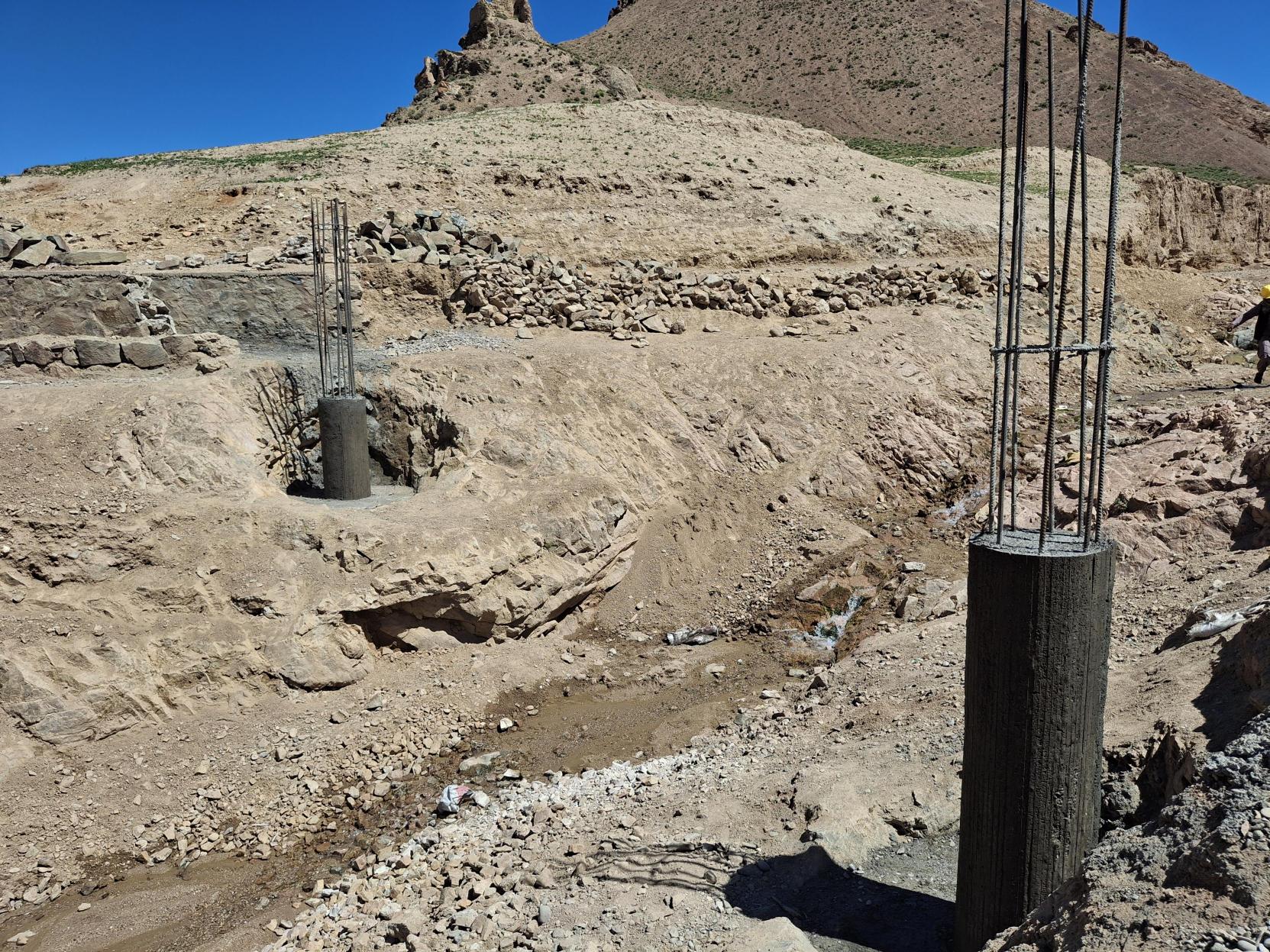
Some families considered leaving to find temporary work. Others worried about falling deeper into debt. Farmers gathered daily by the broken canal, studying the damage and calculating what reconstruction would require. The scale of the task felt overwhelming.
Yet amid uncertainty, the community did not simply wait for aid. They wanted a way to restore their livelihoods. During discussions under World Vision’s Cash for Work programme, villagers identified rebuilding the irrigation canal and introducing flood protection measures as their highest priority. This was not a passive request; they debated options, weighed risks, and pushed for a solution that would safeguard future harvests while restoring current farmland.
“We knew that if water returned, life could return,” said one elder. “Without the canal, every other recovery effort would remain incomplete.”
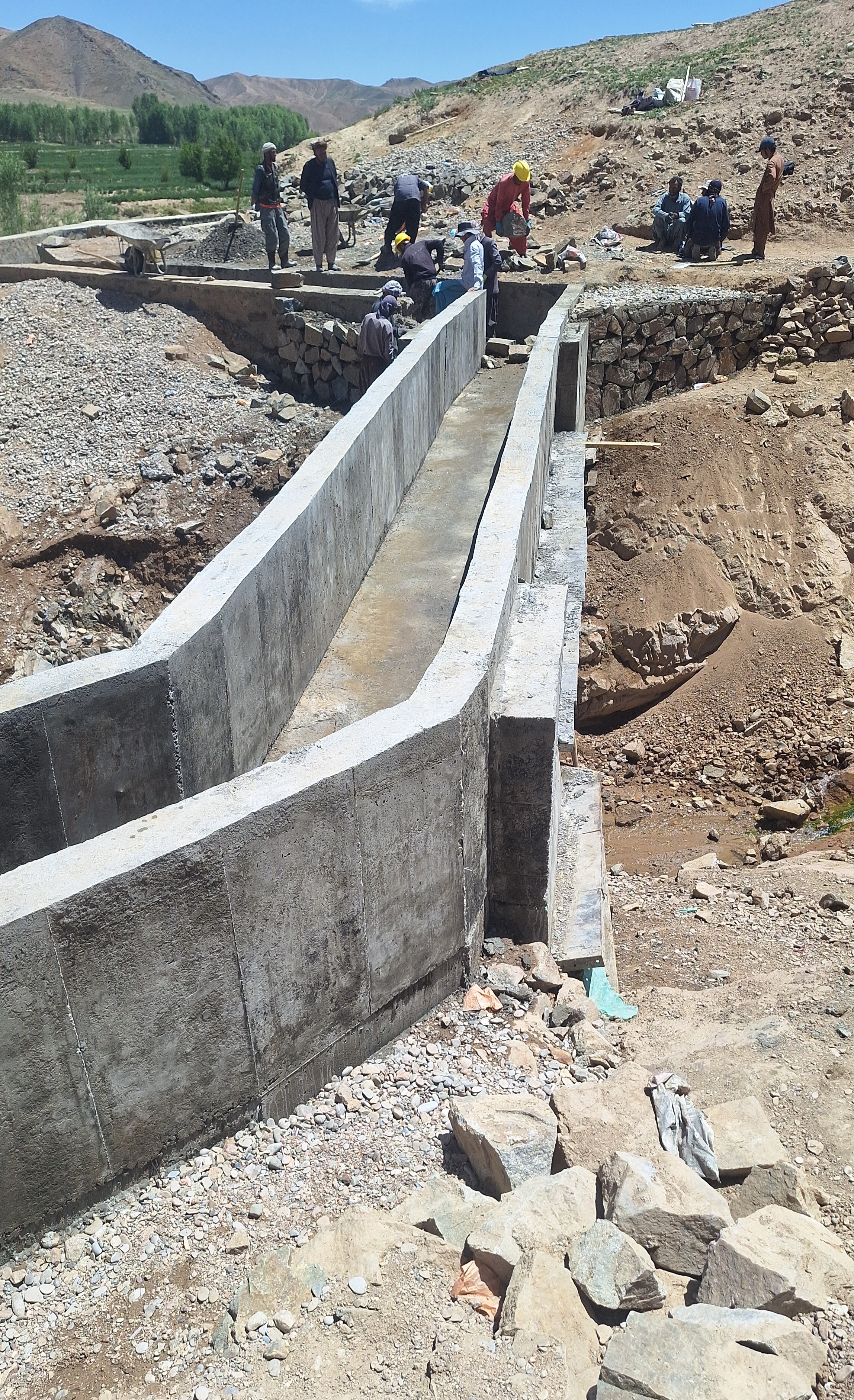
Following technical assessments, the rehabilitation project began. Men from the village laboured alongside skilled workers, clearing debris, rebuilding damaged sections, and reinforcing vulnerable areas. Families whose fields had been destroyed contributed where they could, despite their own losses. The work was physically exhausting, but for many, it was the first moment they felt they were actively rebuilding their future rather than waiting for it.
Working side by side, the community rebuilt 168 metres of irrigation canal and constructed 16 metres of aqueduct, restoring irrigation access across 1,840 hectares of agricultural land. For the people of Badgah, the significance of this achievement could not be measured in metres or hectares alone—it represented the return of water, livelihoods, and hope.
The first time water flowed again through the rebuilt canal, villagers gathered quietly along its edges. Children ran beside the current. Farmers checked the water reaching fields that had been dry for weeks. Some spoke immediately of planting again; others stood silently, absorbing a moment they had feared would never come.
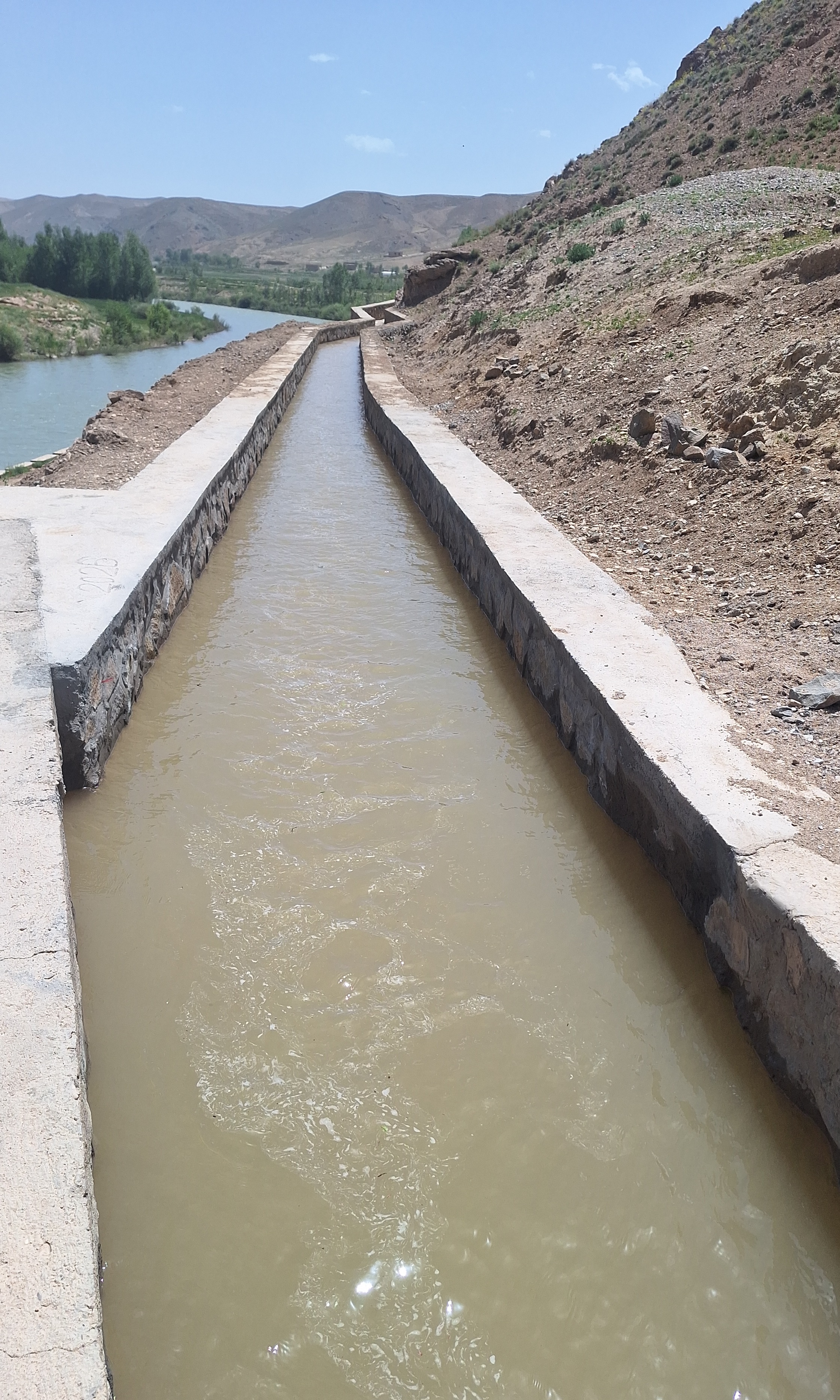
“This canal does not only bring water,” said one elder. “It has brought hope and life back to our village.”
Today, Badgah continues to recover. Many challenges remain, but the canal has restored farmland and, more importantly, it has restored confidence that recovery is possible, even after devastating loss.
The project also highlights a crucial lesson: communities are not waiting to be rescued. Even under immense pressure, people make difficult decisions to protect livelihoods, support one another, and rebuild for the future. World Vision did not decide what mattered most, the villagers did. The organisation stood alongside them, providing technical support and resources to turn their choices into reality.
These fields are now irrigated, the sound of running water is a reminder that recovery begins not when reconstruction is complete but the moment people decide to rebuild.