
Between Work and a Chance to Learn
Story by: Fatima
Additional reporting by Shakila and Azizullah
“I have never been to school… but I have always wanted to learn,” says 11-year-old Ozair,* his voice quiet but steady.
Ozair is from a small village in Ghor province. Like many children in his community, he started working at a very young age, not because he wanted to, but because his family had limited options.
When Ozair was five years old, his father left for Iran in search of work but did not return or send money back, leaving the family without support.
His family of eight was left without a stable income. His mother, struggling with a long-term illness, tried to keep the family together, but it was not enough. Over time, the children began contributing where they could.
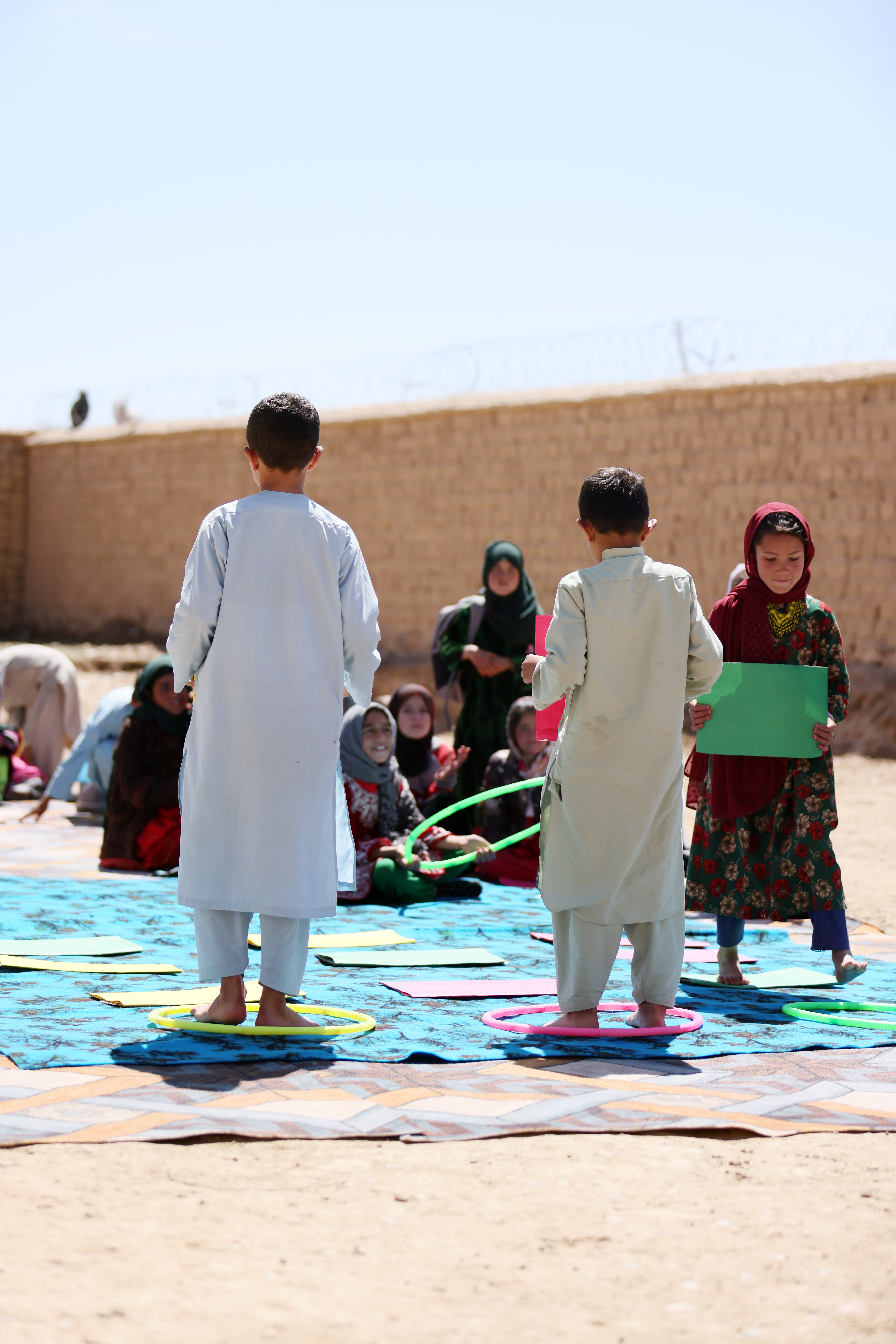
Ozair started working on the streets, polishing shoes to earn a few Afghanis each day. “I work so we can have food,” he says.
Each day followed a similar pattern. Long hours, tired hands, and just enough income to help the family get by. But there was always something else on his mind.
“When I saw other children going to school, I felt sad,” he says. “I wanted to go with them.”
This thought gnawed at him...
If he spent less time working, it would affect the small income his family relied on.
If he continued working, his chance to learn would fade away.
One day, while working on the street, Ozair heard about the HEMAT Centre, run by World Vision and funded by World Vision Singapore, where children could learn and receive support.
At first, he hesitated.
Going there meant giving up some time he could spend working. It meant uncertainty for his family’s already limited income.
But it also meant a chance, something he had never had before.
“I thought a lot,” he says. “Then I decided to go.”
“When Ozair came to us, he was shy but very serious,” says a staff member. “He knew why he was there.”
During their conversation, Ozair spoke about his father, his mother’s illness, and his work. But most of all, he spoke about school.
“I want to learn,” he told them.
It was a simple sentence, but it expressed years of longing.
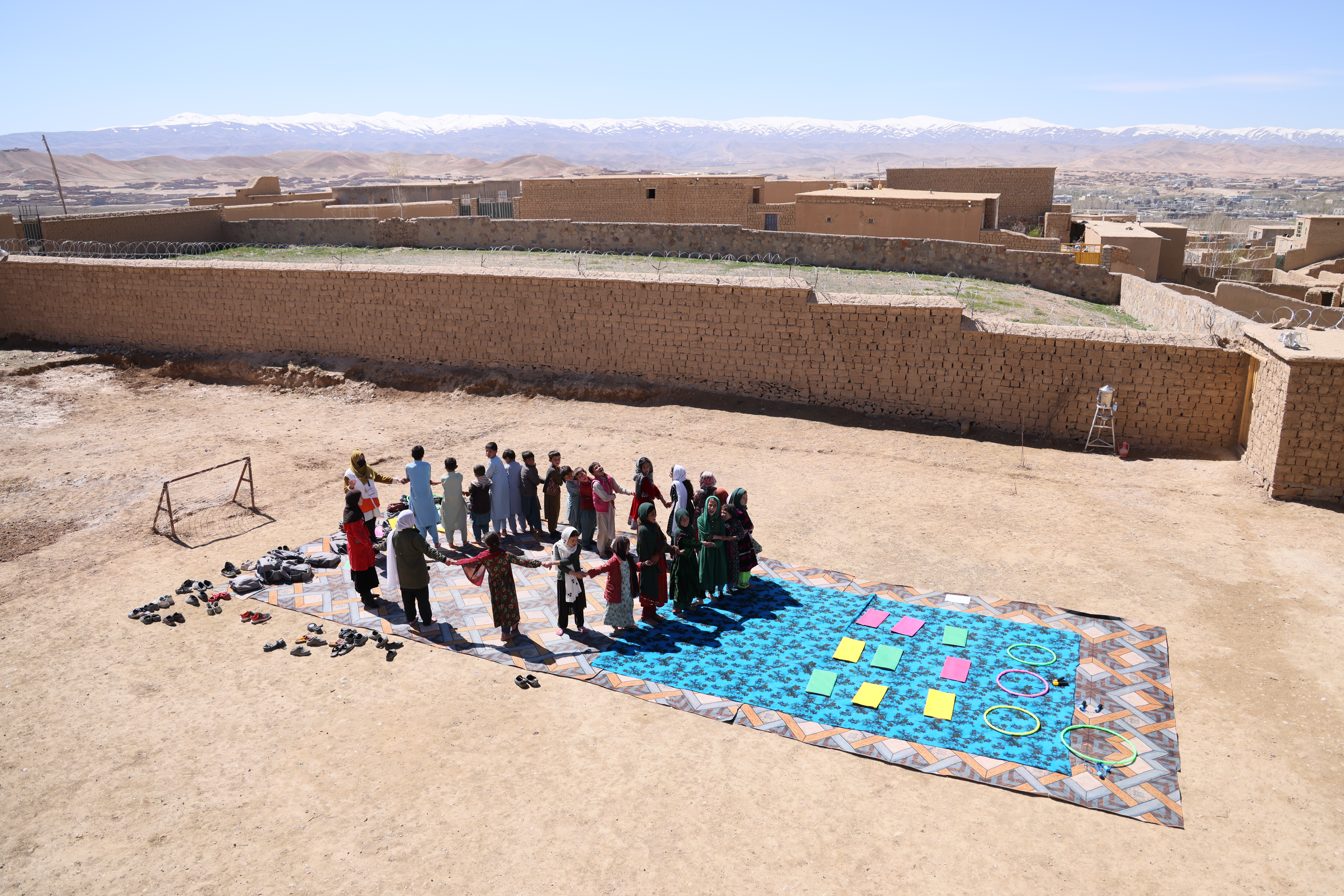
After joining the programme, Ozair began attending classes while still trying to support his family. It was not easy. He had to balance learning with work, and some days were harder than others.
But he kept coming.
“I didn’t want to miss this chance,” he says.
The first day he entered the classroom, he remembers everything.
“I was very happy,” he says, smiling. “I felt like I was starting a new life.”
Through the centre, he also received health support, and his family was connected to services that helped address his mother’s condition.Today, Ozair still faces challenges. His family’s situation has not completely changed, but his path has.
“I want to become a teacher,” he says. “So I can help children like me.”
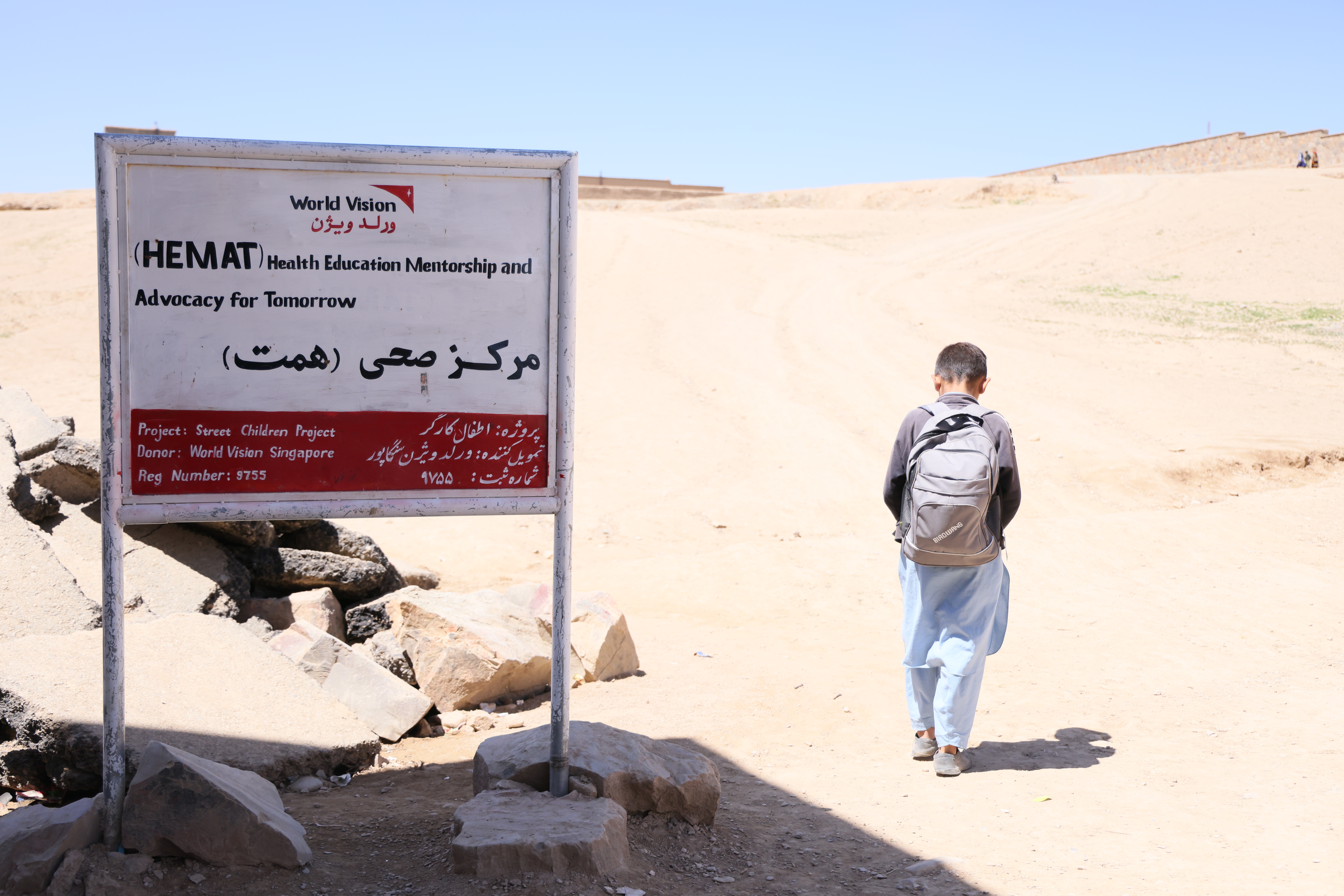
Ozair is one of 2,000 street-working children supported through this project between June 2024 and June 2026. Many children in Ghor face similar choices between work and education.
Stories like Ozair’s show what becomes possible when children are given the space to choose differently.
“I am happy,” Ozair says. “Now I can learn, and I feel hopeful about my future.”
Name changed to protect identity.