Building Dignity, Restoring Health: How Community Contributions Transformed an Entire Village into an Open Defecation-Free Community

Article: Judith Amollo, World Vision Afghanistan WASH Sector Lead
Photos and content: Maisan Amani and Faryab WASH Team
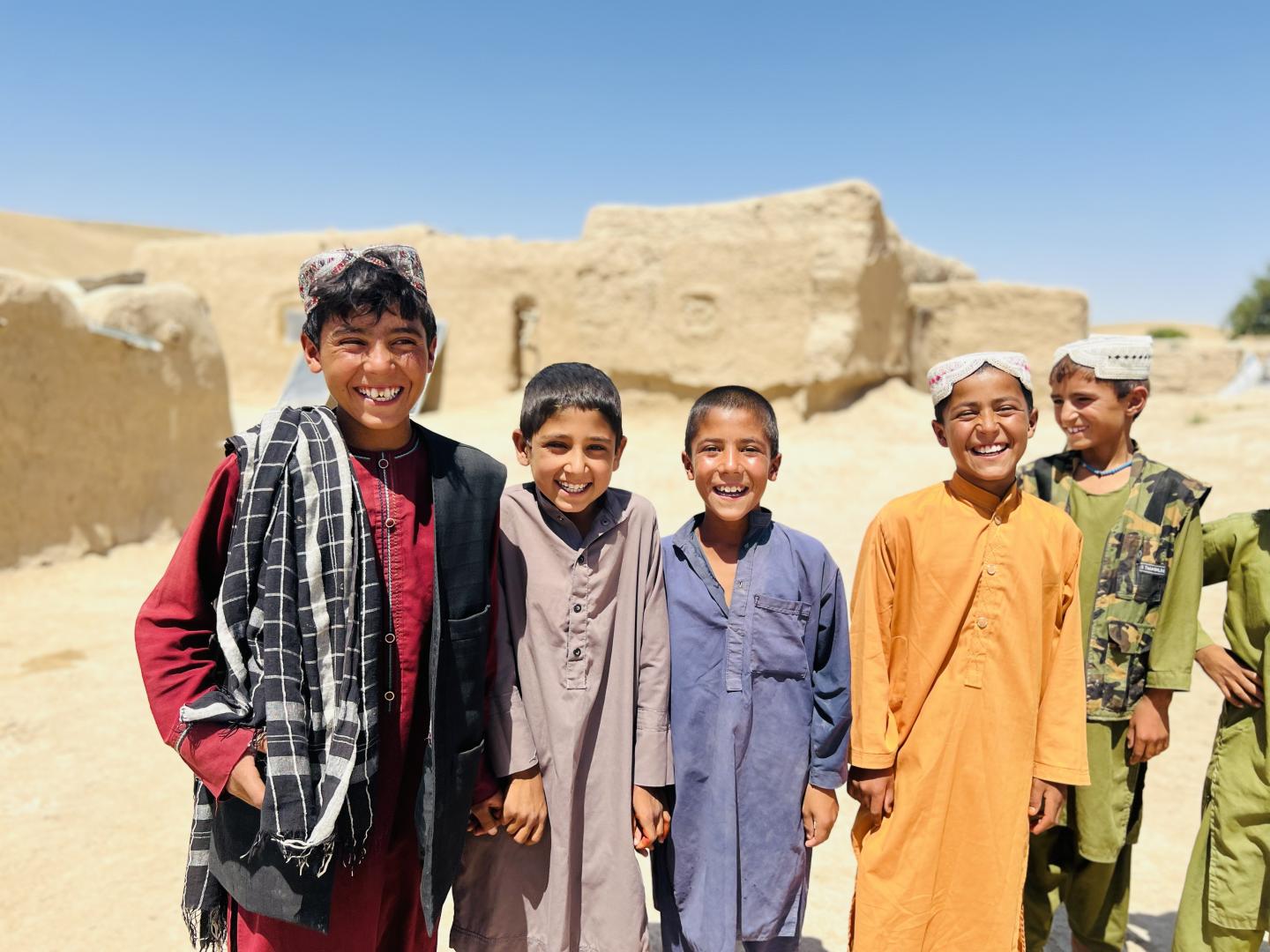
With a smile of pride, Mir Gul, a 54-year-old community leader from Khuja Espalan village in Qaisar district, Faryab province, reflects on the remarkable transformation his community achieved with support from World Vision Afghanistan through the WASH Capacity Building Project, funded by World Vision US.
"Everything changed when World Vision Afghanistan partnered with our village to improve water, sanitation, and hygiene services," he recalls.
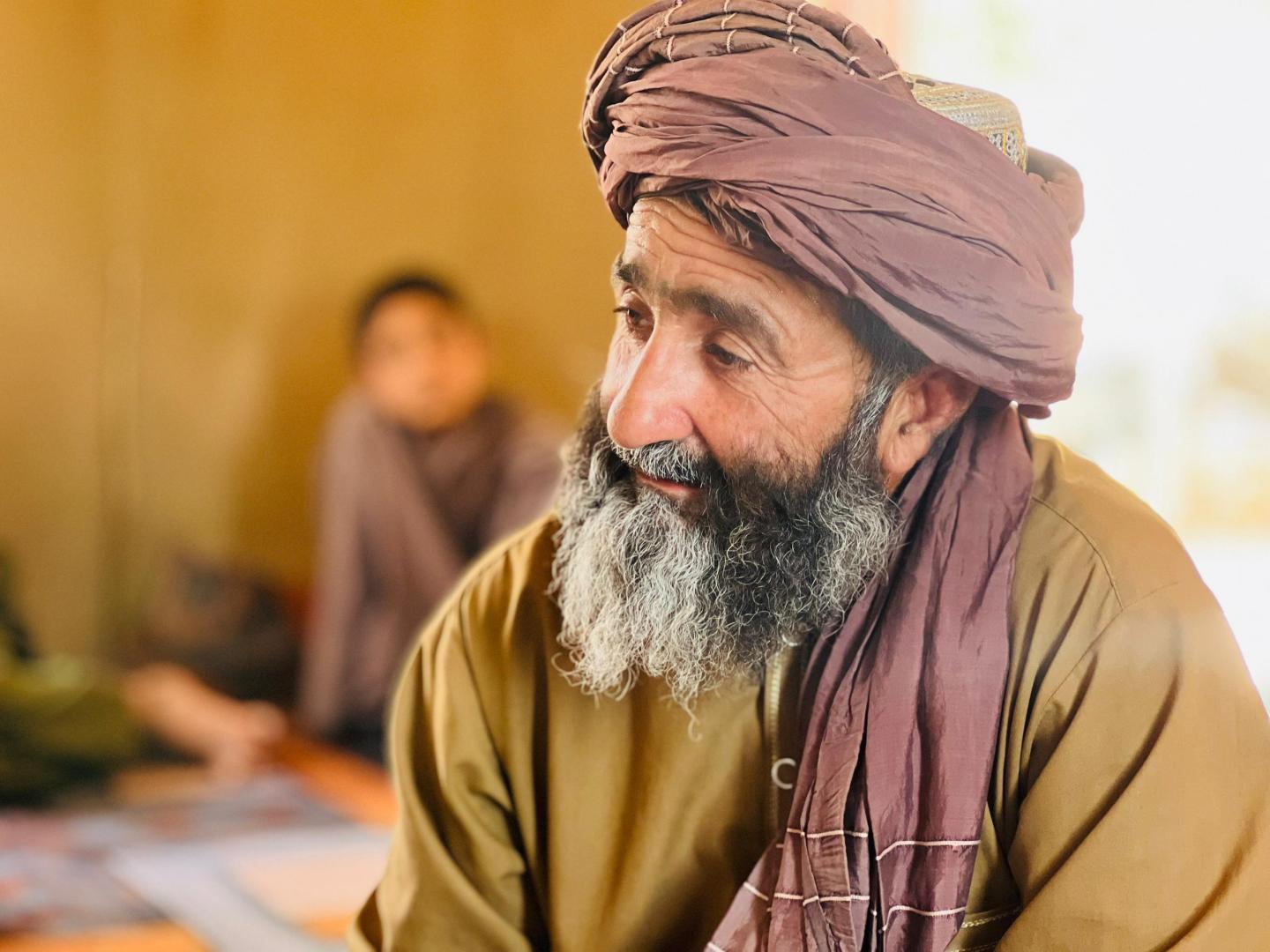
Located nearly 15 kilometers from the nearest town, Khuja Espalan village had long faced poor road connectivity, limited access to basic services, and persistent economic challenges. Many households lacked adequate sanitation facilities, while poor hygiene conditions created ongoing risks to health and wellbeing.
As part of a World Vision Afghanistan-supported WASH initiative, community members came together to discuss local sanitation challenges and the links between sanitation, hygiene and health. Practical demonstrations and discussion helped residents examine existing practices, identify priorities and agree a collective action plan for household latrine construction and improved hygiene.
"That meeting changed our thinking," says Mir Gul. "For the first time, we clearly saw how our sanitation practices were impacting our health."
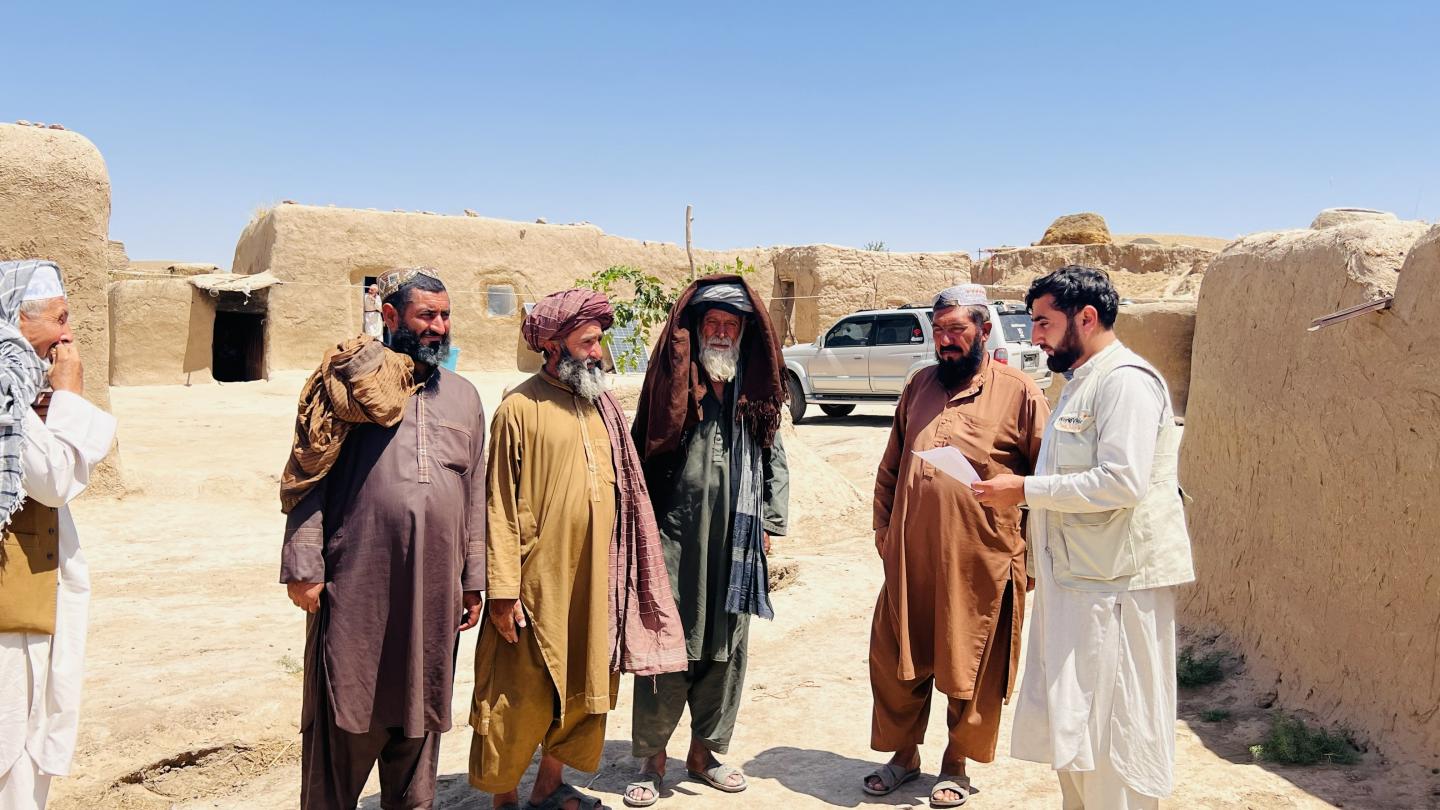
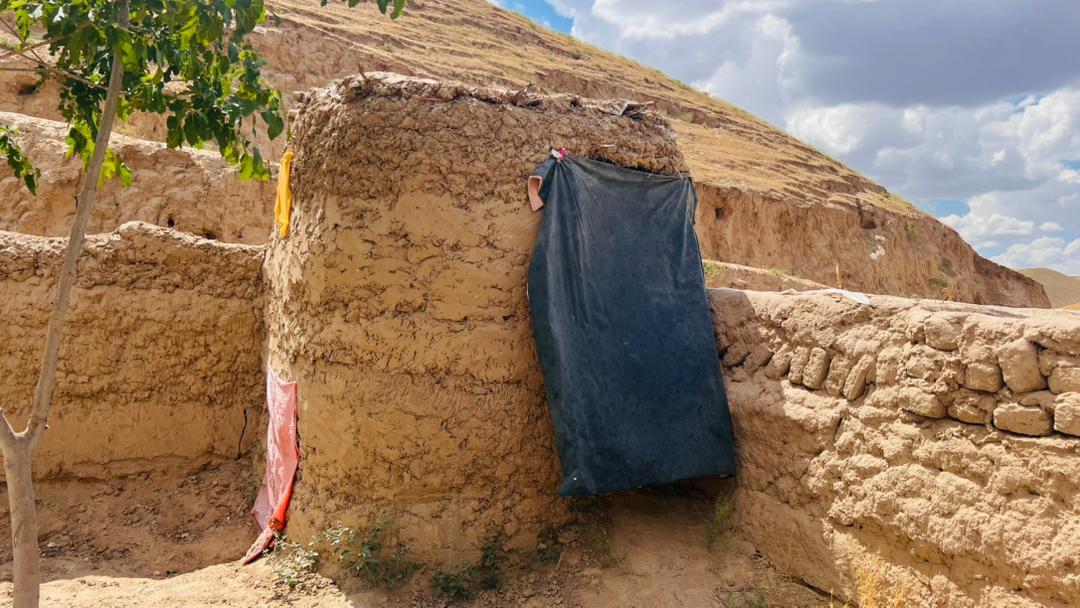
Following these discussions, village leaders, elders, women and youth worked together towards a shared goal of eliminating open defecation. Families voluntarily contributed their own labour and locally available materials to construct household latrines. Despite limited financial resources, households found ways to participate, drawing on local materials, collective effort and mutual encouragement.
Over the following months, community leaders, elders and youth volunteers conducted daily household visits to encourage progress and support families with latrine construction. Through this sustained community-led effort, latrine coverage increased from just 15% to 100% within three months.
The changes extended beyond the construction of sanitation facilities. Community members reported a cleaner village environment and improved hygiene practices, helping to reduce exposure to sanitation-related health risks and improve dignity and wellbeing for families.
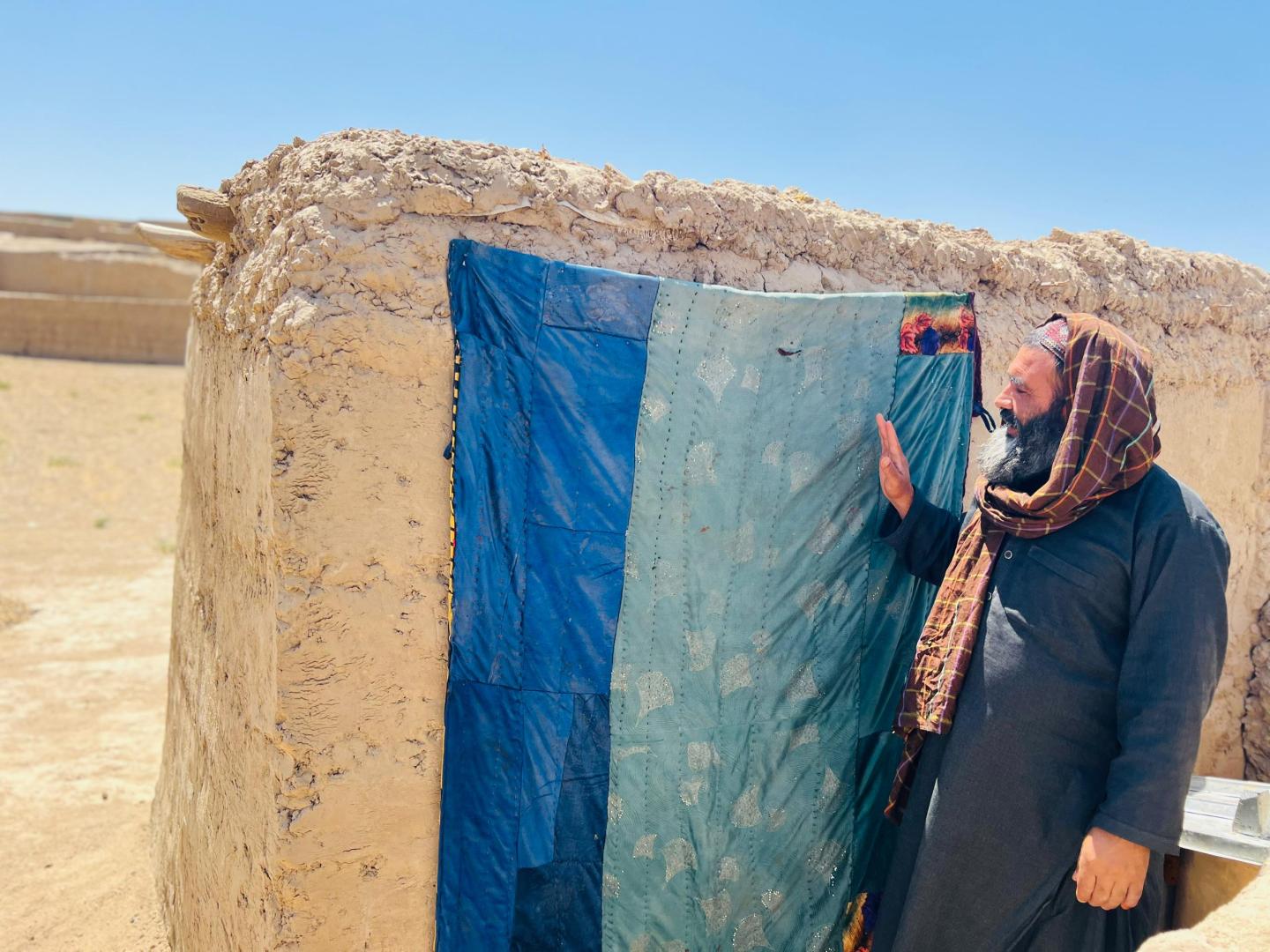
Today, Khuja Espalan proudly stands as an Open Defecation-Free (ODF) village, a milestone achieved through collective action and community ownership.
"We are proud of what we have accomplished together," says Mir Gul. "The latrines we built are more than structures; they represent dignity, better health, and a brighter future for our children. Our village is cleaner, healthier, and more united than ever before."
The experience of Khuja Espalan shows what communities can achieve when people organise around a shared priority and have access to appropriate technical support. What began with community discussion developed into sustained collective action, with residents themselves contributing labour, materials, leadership and daily follow-up to improve sanitation across the village.
-----------------------------------------------------------------------------------------------
Palwasha's Path to Health and Happiness in Khuja Espalan village in Qaisar District of Faryab Province
With a bright smile and sparkling eyes, six-year-old Palwasha shares a change that has transformed daily life for her family.
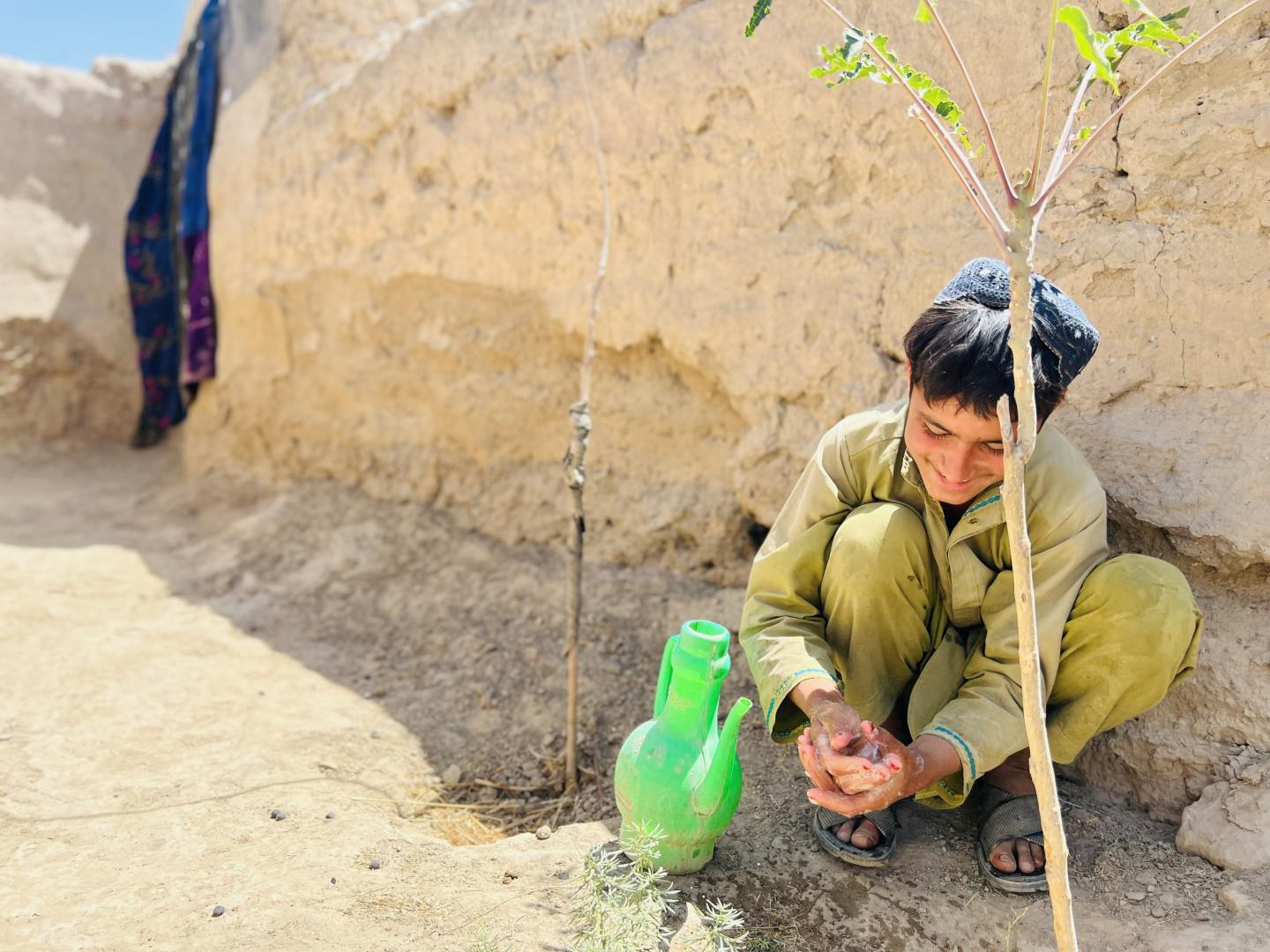
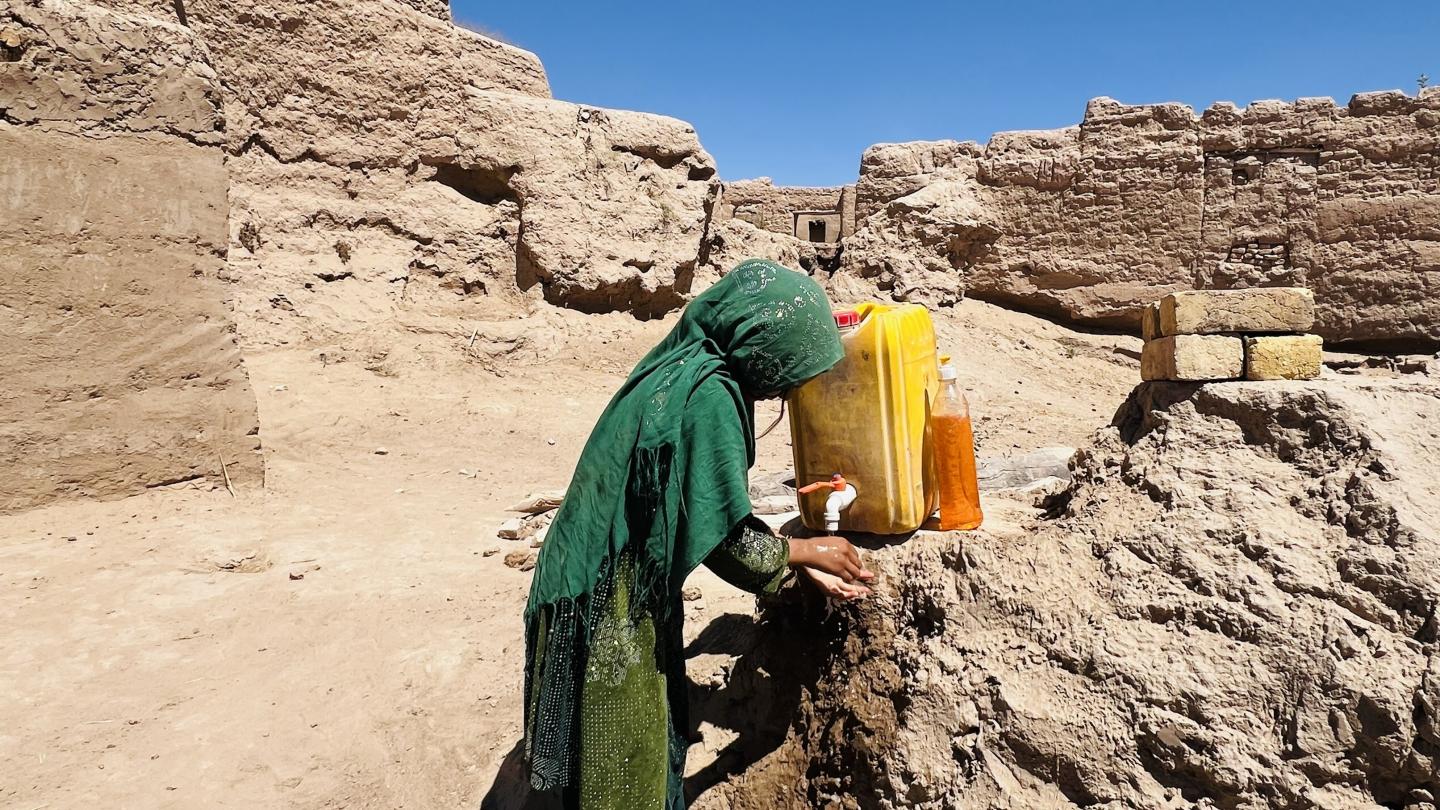
"My name is Palwasha, and my father's name is Naim. Before, we did not have a latrine, but now we have one. After using the latrine, we wash our hands, and this has become a habit for us. We are very happy about this," she says.
For years, many families in Palwasha's village lived without access to proper sanitation facilities. Open defecation was common, increasing children's exposure to disease and making everyday hygiene more difficult for households.
Through community sanitation and hygiene activities supported by World Vision Afghanistan, families discussed the health risks associated with poor sanitation and identified steps they could take together. Households then contributed their own time, labour and locally available resources to construct latrines and improve hygiene practices.
Palwasha's family was among those that took part, contributing to the construction of a household latrine and adopting handwashing after using it as part of their daily routine.
For Palwasha, having a latrine at home means greater comfort, cleanliness and safety. Handwashing after using the latrine has also become a normal part of everyday family life.
Her experience reflects a wider change across Khuja Espalan, where families themselves helped improve sanitation throughout the village through collective action, household contributions and sustained community follow-up.
For children like Palwasha, these changes are tangible and immediate: a cleaner environment, safer sanitation and healthy habits that are now part of everyday life.