Empowered to Respond: A Community Building Its Own Resilience

In recent years, the people of Qaisar and Chilgazi districts in Faryab Province faced many hardships. Life has been especially difficult for communities dependent on agriculture and livestock due to prolonged droughts, recurring floods, and the return of migrants from Iran and Pakistan is swelling the demand for already inadequate assistance and creaking public services. Many families have lost their farmlands, roads, and sources of income, while lacking the necessary preparedness to cope with natural disasters.
In these challenging circumstances, the Austrian Development Agency (ADA) 2 Project launched its activities in the areas of health and livelihoods. One of the project’s most significant achievements was the establishment and strengthening of Community-Based Disaster Risk Management (CBDRM) Committees. These committees succeeded in bringing communities together and played a vital role in reducing risks and protecting people’s lives and property.
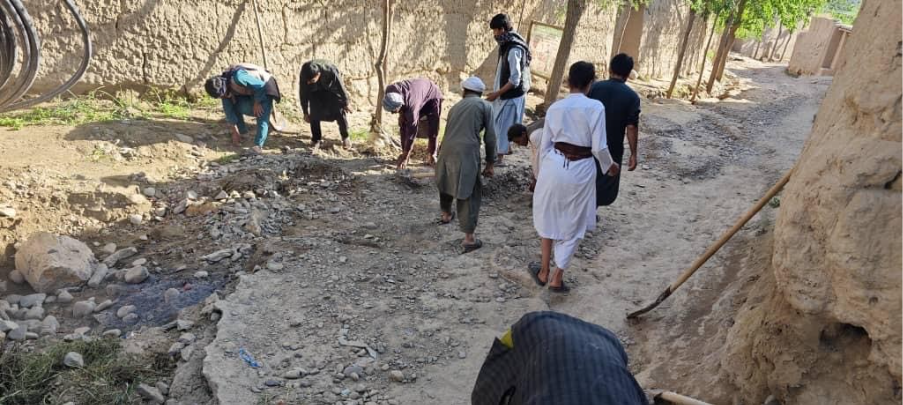
One of the most successful examples is the CBDRM Committee of “Kalta Kharoos” village, led by Haji Lutf-ul-Haq. After participating in project trainings, committee members learned how to identify natural hazards, prepare emergency response plans, and support communities during disasters.
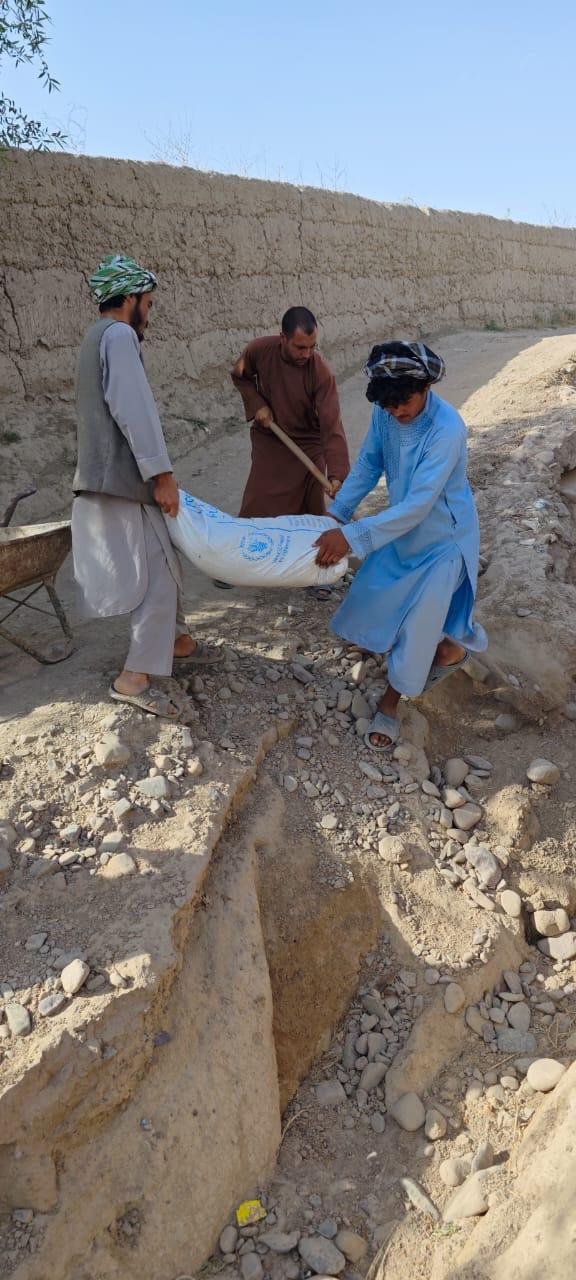
This past winter, when severe flooding threatened the village, the committee responded immediately. Using emergency equipment provided by the ADA 2 Project, members safely evacuated families and livestock from high-risk areas to secure locations. They also used sandbags, tree branches, and soil-filled sacks to build temporary flood barriers, helping prevent further destruction of houses, roads, and agricultural land.
“We rescued our people from floods twice, and when a house caught fire, we helped the family reach safety, and we put out the fire. We may not have many resources, but we do whatever we can for our people,” said Haji Lutfulhaq Kharazmi, Kalta Khuros Village.
Local residents say that without the presence of this committee, the village would have suffered devastating human and financial losses. In previous years, floods had caused the deaths of many people and animals and resulted in severe damage to livelihoods.
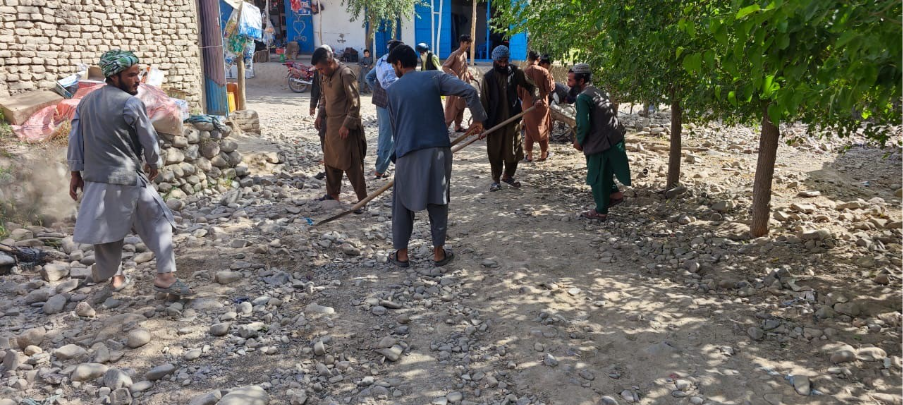
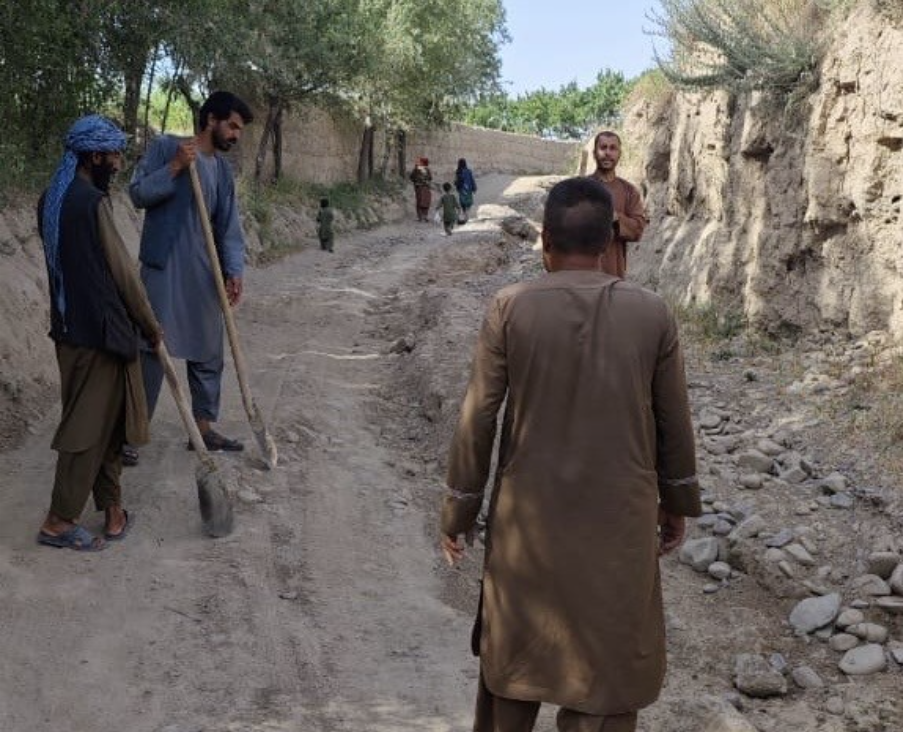
The committee’s work was not limited to emergency flood response. In cooperation with community members, they cleaned irrigation canals, repaired damaged roads, constructed school latrines, and rebuilt the wall of the village clinic. They also collected information about the community’s key problems and needs and shared them with government authorities and humanitarian organisations.
This year, with increased rainfall and the spread of locusts and crop pests, the CBDRM committee once again became actively involved. They coordinated closely with the Department of Agriculture and other relevant authorities to protect farmers’ lands and crops. Through public awareness campaigns and community mobilisation, they worked to prevent the spread of pests and minimise agricultural losses.
Today, several months after the completion of the project, the CBDRM Committees remain active and continue serving their communities. Through coordination, cooperation, and community participation, these committees have strengthened solidarity, trust, and preparedness among local people.
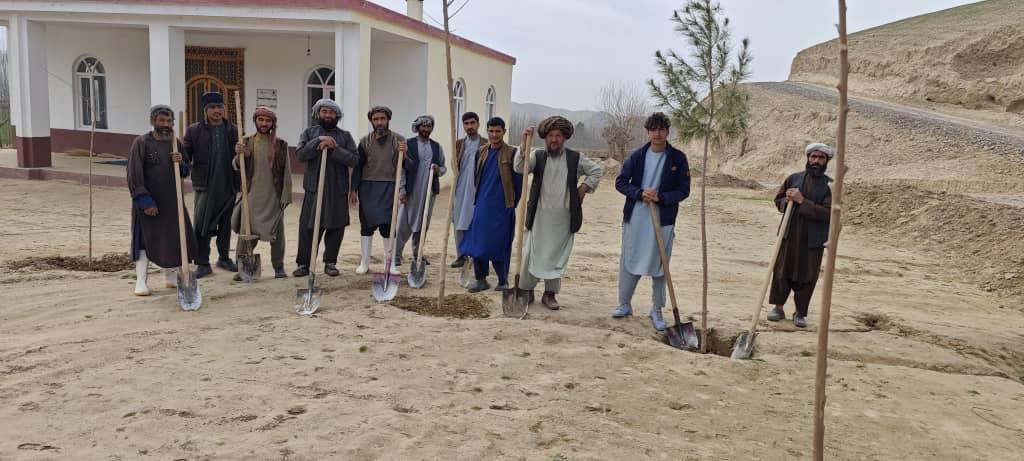
The successful experience of the CBDRM Committee in Qaisar – Chelgazi District demonstrates that when communities are trained, united, and involved in decision-making, they can protect their lives and property even under the most difficult circumstances and build a better future for their society. This achievement is a clear example of the lasting impact of the ADA 2 Project in improving livelihoods and reducing disaster risks in Qaisar - Chilgazi district of Faryab Province.