
From Firewood to Clean Energy: How One Family is Turning Livestock Waste into Opportunity

In many parts of the world, preparing a simple meal still comes at a high cost.
For nearly 2.1 billion people, cooking depends on firewood and charcoal—fuels that quietly drive deforestation, contribute to climate change, and consume hours of labour each week, according to the Food and Agriculture Organization. At the same time, the International Energy Agency estimates that one in three people lack access to clean cooking solutions, leaving millions of families with limited and unsustainable choices.
In rural Cambodia, these global challenges are part of everyday life.
In Sralao Toung village, tucked away in Tbaeng Meanchey district of Preah Vihear province, Champar, 38, used to spend hours each month collecting firewood. For her family of five, cooking was not just a daily routine—it was physically demanding and dependent on uncertain fuel supplies, on top of her farming responsibilities.
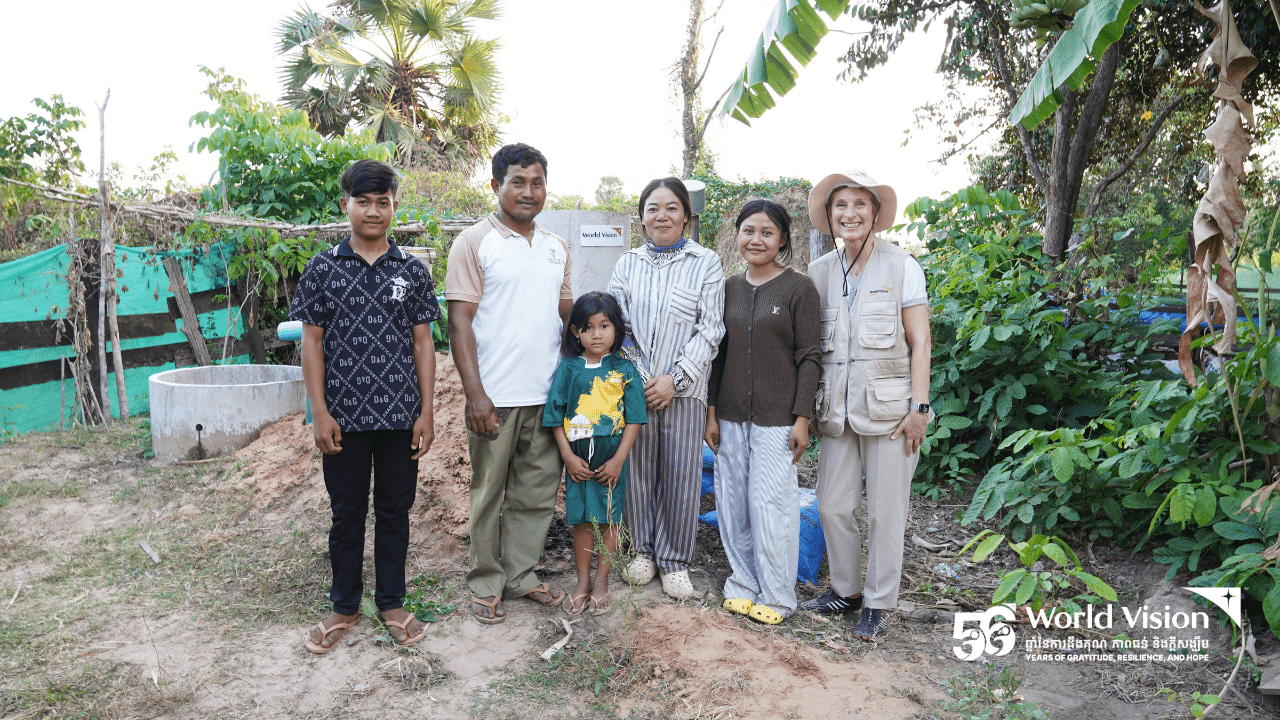
When Yirn Champar first heard about biodigesters through World Vision’s Household Biodigesters project, hereafter locally called as “Re-building Regreening Villages ” project, she was unsure.
“I didn’t know anything about biodigesters,” she recalled. “At first, I hesitated to join.”
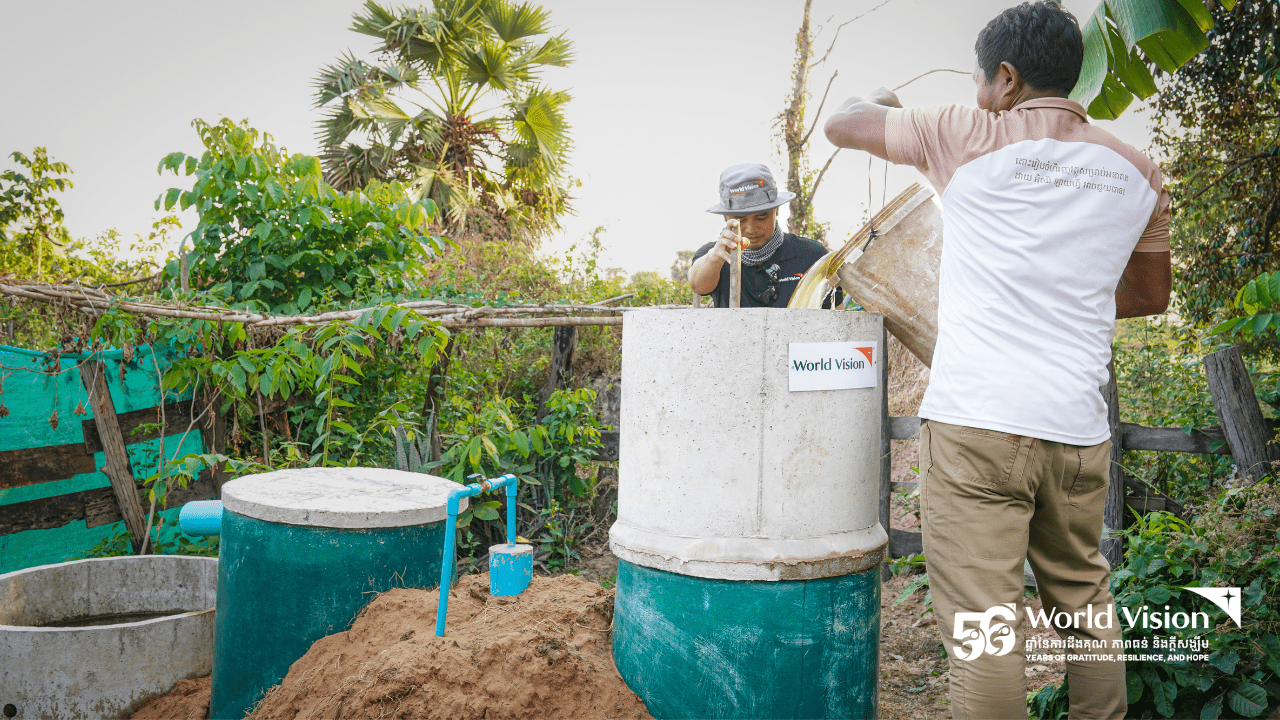
The idea—turning cow manure into gas for cooking—felt unfamiliar. But through repeated visits, patient explanations, and trust built with World Vision staff, her perspective gradually changed.
Eventually, she made a decision that would reshape her family’s daily life.
In July 2025, a biodigester was installed at her houseyard. Working quietly in the background, the system converts livestock waste into biogas, producing enough clean fuel for three to four hours of cooking each day. What was once discarded has become a reliable and sustainable source of energy.
The benefits extended beyond cooking. With training on system operation and maintenance, as well as support in financial literacy and home gardening, the family began to see new possibilities. Vegetable seeds planted in the backyard of her home have grown into fresh, green produce, providing food for the family and an additional source of income through sales.
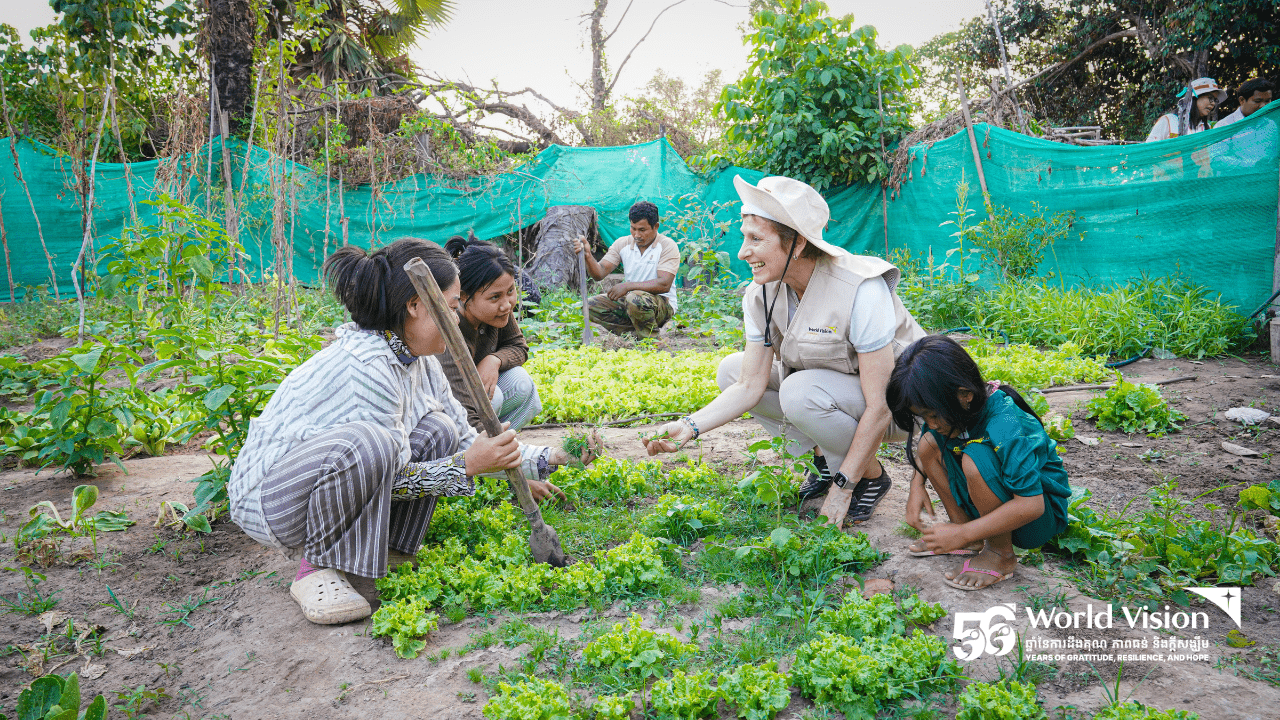
For the first time, their garden was thriving. Six months later, the results are clear—not only in what has improved, but in what has been reduced.
Firewood use has dropped by 60 percent, easing pressure on nearby forests and reducing the family’s environmental impact. The long walks to collect wood have decreased, saving around five hours each month—time that can now be spent on farming, caring for children, or resting.
Financially, the change is meaningful. By reducing reliance on firewood and gas purchases, the family now saves approximately US$10 each month—a modest but important amount that helps them better manage daily expenses and prepare for emergencies.
Standing beside her kitchen, Champar reflects on the transformation: "I am extremely pleased with the biodigester,” she said with a smile. “Cooking is now much easier and more efficient. I no longer need to collect firewood, and I also benefit from the organic fertilizer it produces for growing vegetables in my backyard.”
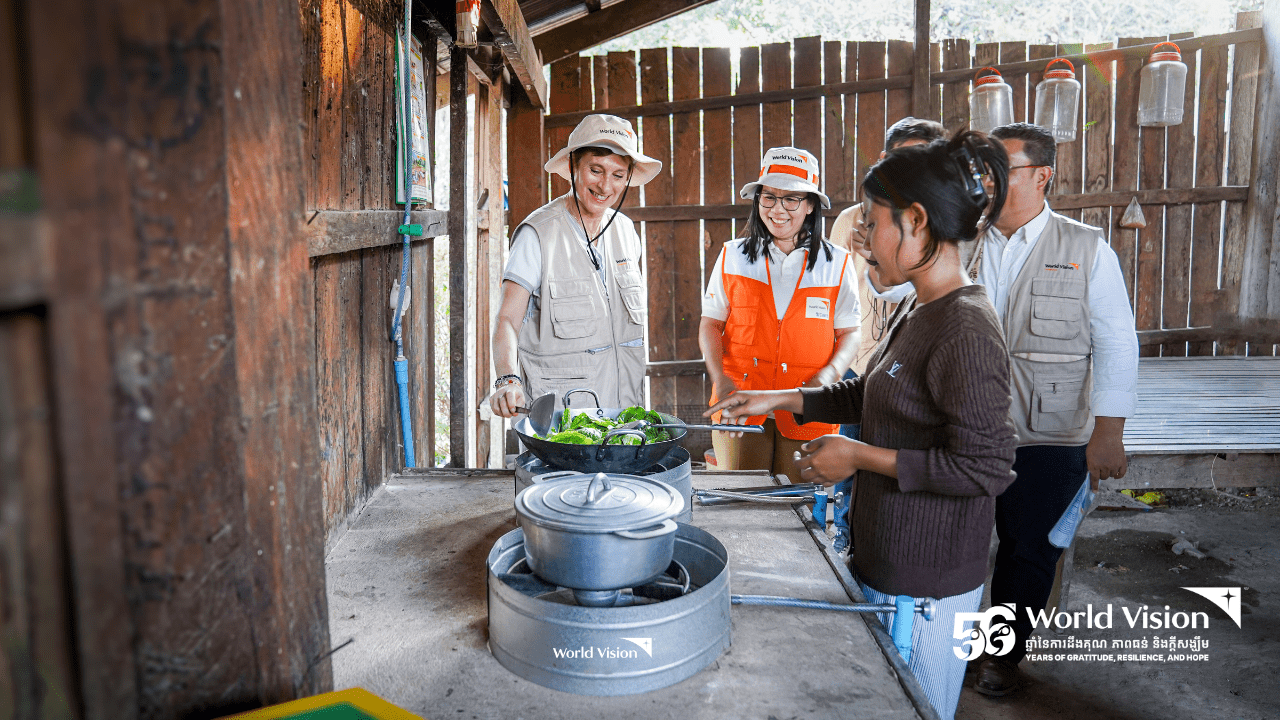
What makes this story powerful is not only the technology, but what it represents.
Through the project is supporting 200 low-income families[Impact of 1,010 people (515 women), including 433 children and 28 people living with disability] like Champar’s to turn everyday challenges into opportunities—transforming waste into energy, reducing pressure on forests, and restoring time to those who need it most across Preah Vihear, Kampong Chhnang, and Banteay Meanchey provinces.
These small, household-level changes are contributing to something much larger: a future where clean energy is accessible, livelihoods are strengthened, and communities are more resilient to the impacts of climate change.
Champar’s story is one of many. Thousands of rural households across Cambodia still rely on firewood, facing the same cycle of time poverty, environmental degradation, and limited opportunity.
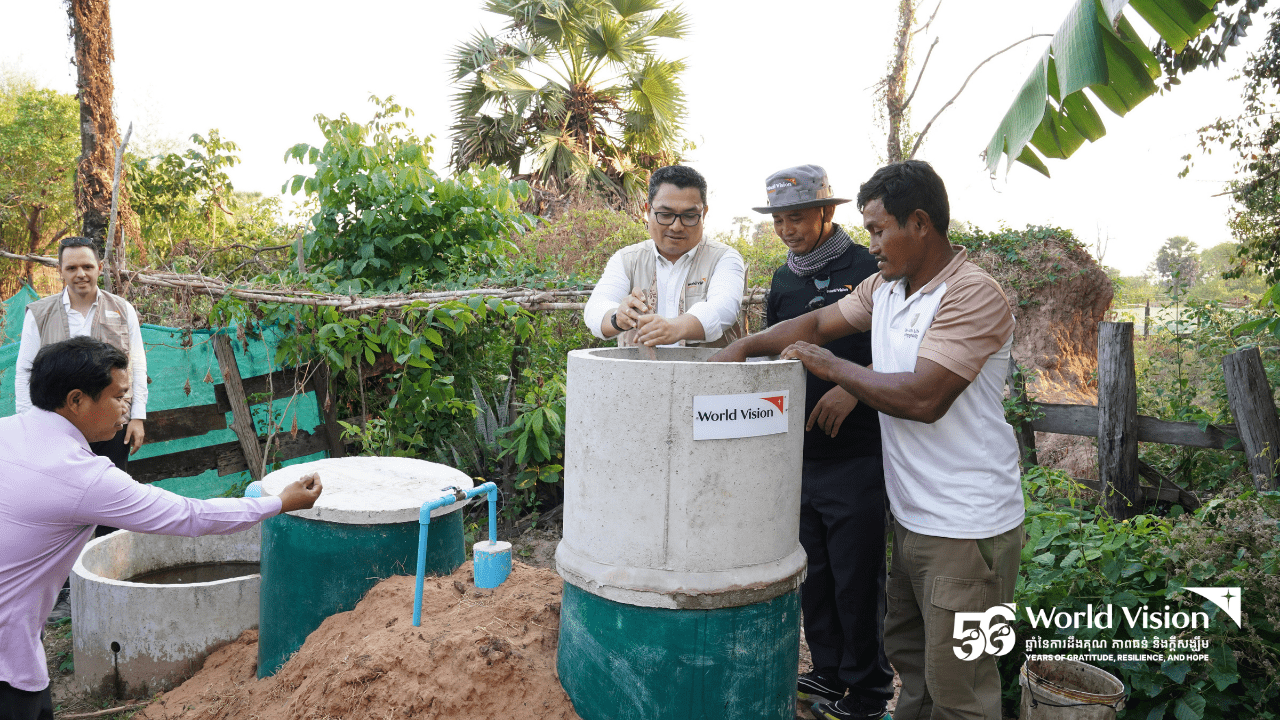
By supporting initiatives like the “Re-building Regreening Villages” project, partners and donors can:
- Expand access to clean and renewable energy for vulnerable communities
- Reduce deforestation and greenhouse gas emissions
- Empower families—especially women—with time, income, and resilience
- Strengthen sustainable livelihoods through integrated approaches
With increased investment, more families can turn waste into opportunity—just as Champar’s has.
Photo credit: Vanndeth Um