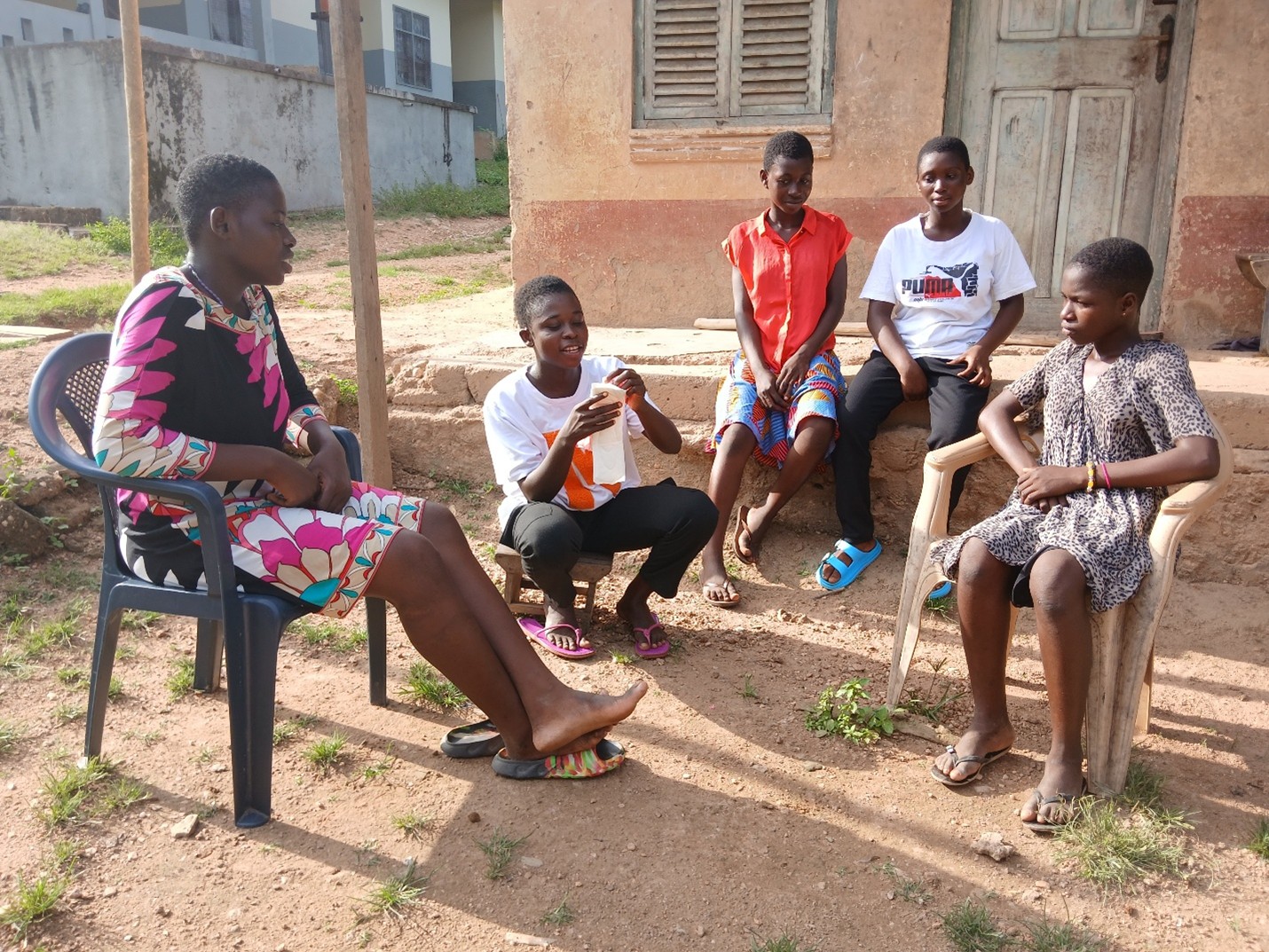
Ending Period Poverty: How Pad Banks Empower Kadjebi Girls

By, Petrina Dery (HEAL Officer, Kadjebi AP)
In the Kadjebi district, many adolescent girls face period poverty due to inadequate access to sanitary pads caused by low family income. In some communities, this lack of access previously exposed girls to risky coping mechanisms, including dependence on boys for financial support, sometimes leading to teenage pregnancies.
To address this challenge, the Kadjebi Area Programme of World Vision Ghana introduced the Community Pad Bank initiative to ensure vulnerable girls can manage their menstruation with dignity, confidence, and safety. The Community Pad Bank forms part of a broader effort to promote hygiene, protect adolescent girls, and address gender-related vulnerabilities.
By ensuring consistent and dignified access to menstrual products, the initiative helps reduce these risks. Integrated into the Adolescent Corner programme at the health facility, it ensures that adolescent girls receive a reliable monthly supply of sanitary pads, complemented by practical menstrual hygiene management (MHM) education. This meets immediate needs while equipping girls with the knowledge to understand their bodies and care for their health.
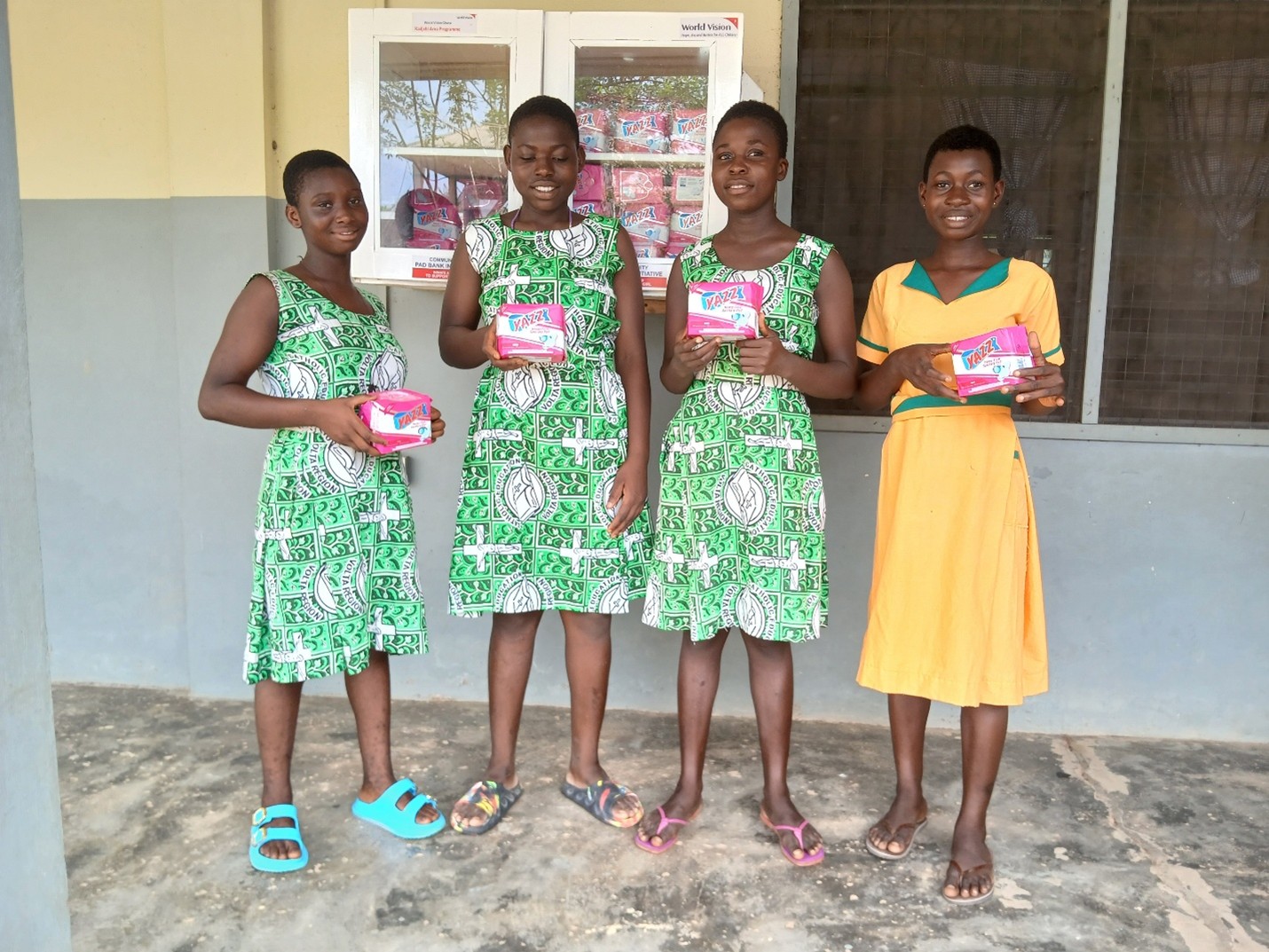
One such beneficiary is Oforiwa, a 16-year-old from Ahamansu community. She lives with her mother and three siblings, all of whom are in school. Her mother, a peasant farmer, grows maize, cassava, plantain, and banana to support the family. Despite her hard work, the family’s limited income made it difficult to consistently afford sanitary pads.
Before the introduction of the Community Pad Bank, managing menstruation was a source of anxiety for many girls in the area, including Oforiwa. “We often relied on old pieces of cloth, which were, uncomfortable, unreliable, and sometimes stained our school uniforms during lessons, which was embarrassing and made us fearful whenever our period approached. These experiences affected my confidence and participation in school activities,” Oforiwa recounted.
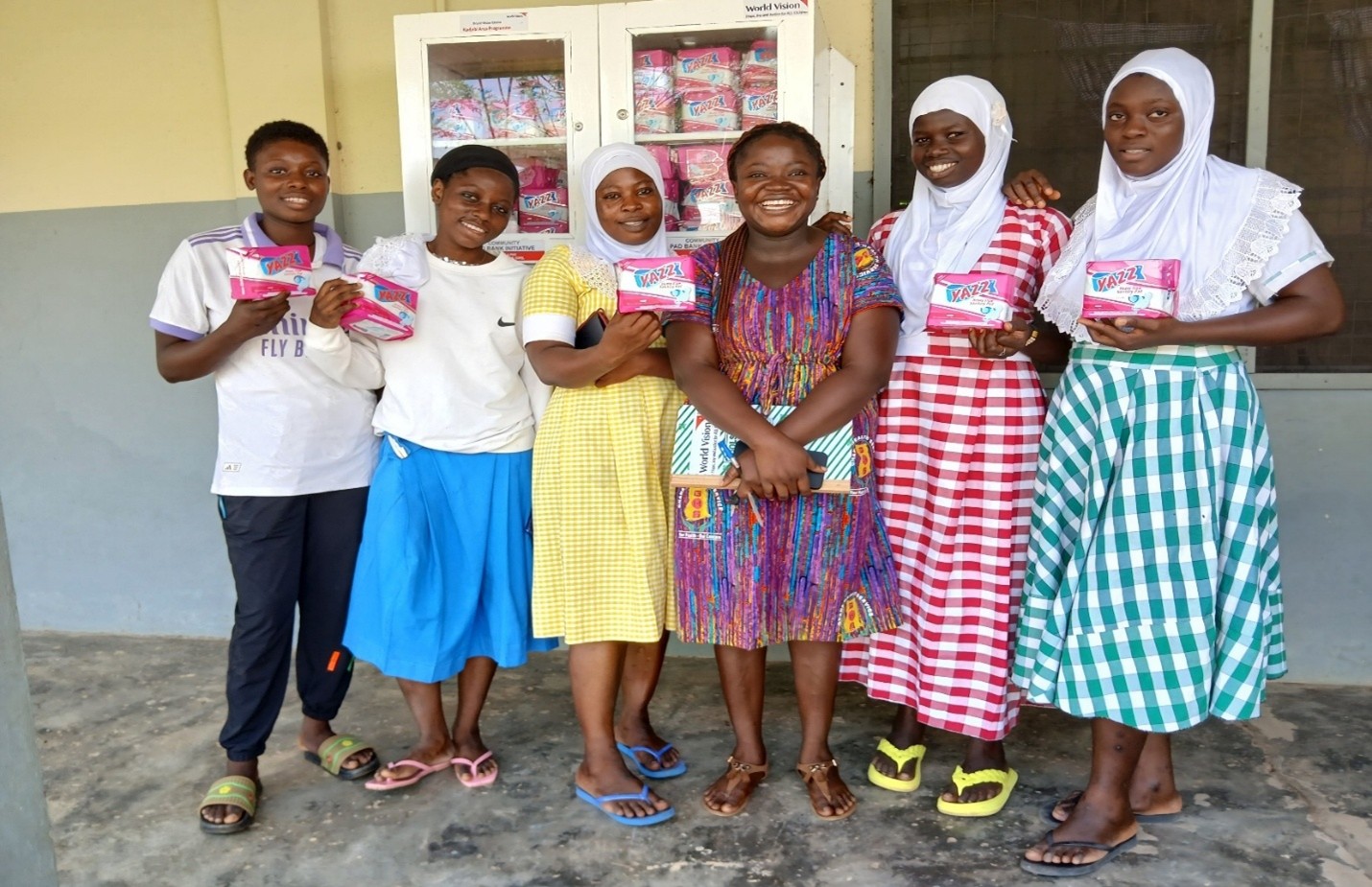
Today, Oforiwa no longer worries about how to manage her menstruation. She accesses sanitary pads in a safe and dignified manner and feels prepared and confident during her period. The support has also eased the financial burden on her family, allowing her mother to redirect scarce resources to other household needs. Beyond meeting her own needs, Oforiwa has become a source of positive influence. Equipped with new knowledge, she now shares information on menstrual hygiene with her siblings, friends, and classmates, helping to break the silence and stigma around menstruation. “I am happier, more confident, and better able to focus on my education,” Oforiwa said.
Currently, 64 adolescent girls, including three with disabilities, are benefiting from the Pad Bank initiative, which is being stocked by community members and stakeholders. By combining material support with education and community engagement, the Community Pad Bank is restoring dignity, building confidence, and opening pathways to brighter futures for vulnerable girls like Oforiwa in Kadjebi.