World Vision Ghana Share Findings of the Ghana Water Quality Study to Stakeholders

By, Vivian Adu, Communications Officer
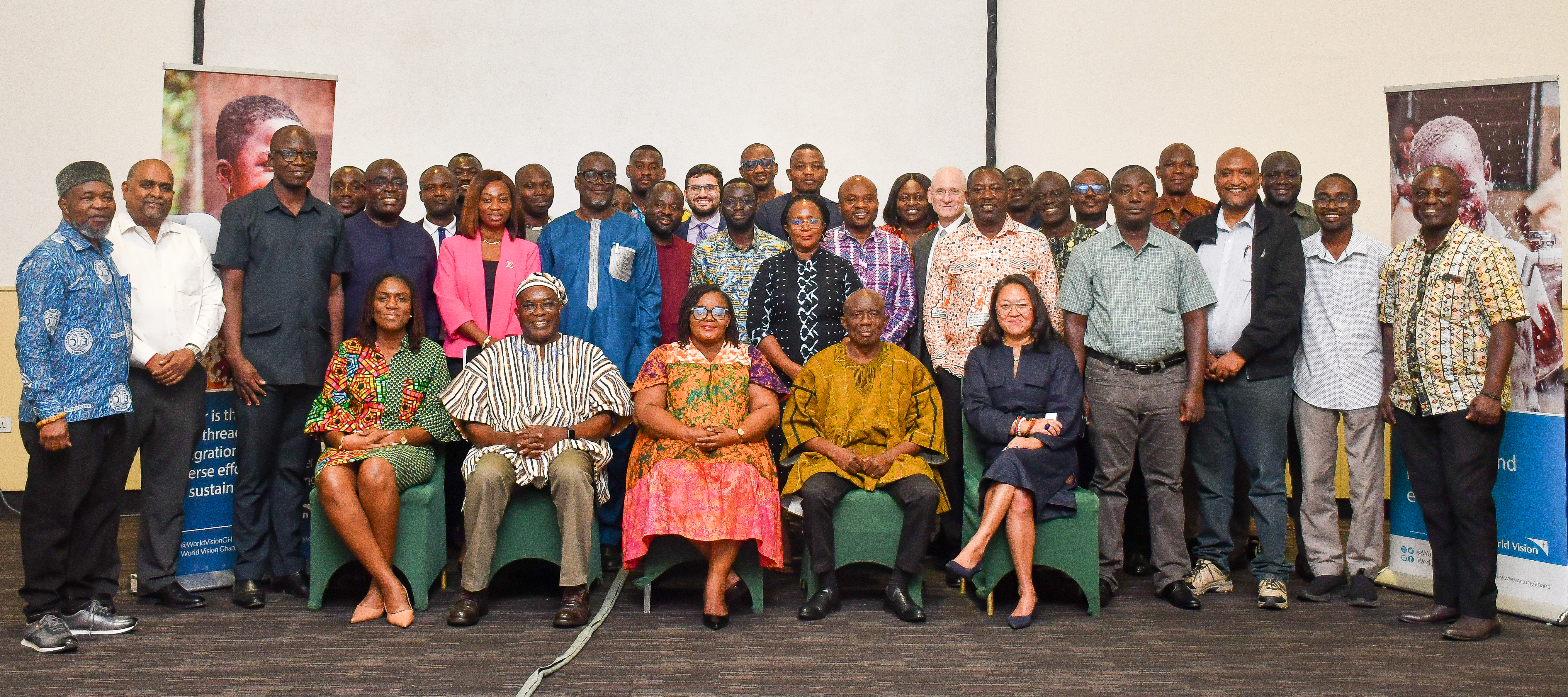
World Vision Ghana has shared the findings of the Ghana Water Quality Study (GWQS) under the GI‑WASH programme in a final stakeholder meeting held on 20 February 2026 at the Alisa Hotel in Accra.
The study was a collaborative effort between the World Vision Partnership comprising World Vision US, World Vision Ghana and the World Vision Global Center and the Water Institute of the University of North Carolina (UNC‑WI).
Over a three‑year period, the research team undertook extensive fieldwork across ten districts in six regions of Ghana to investigate the presence of lead (Pb) in drinking water systems.
The study was prompted by earlier interventions, an evaluation that raised concerns that certain water system components were leaching lead into water, and subsequent supply chain reforms introduced to ensure that only lead‑free parts were used in constructing new systems.
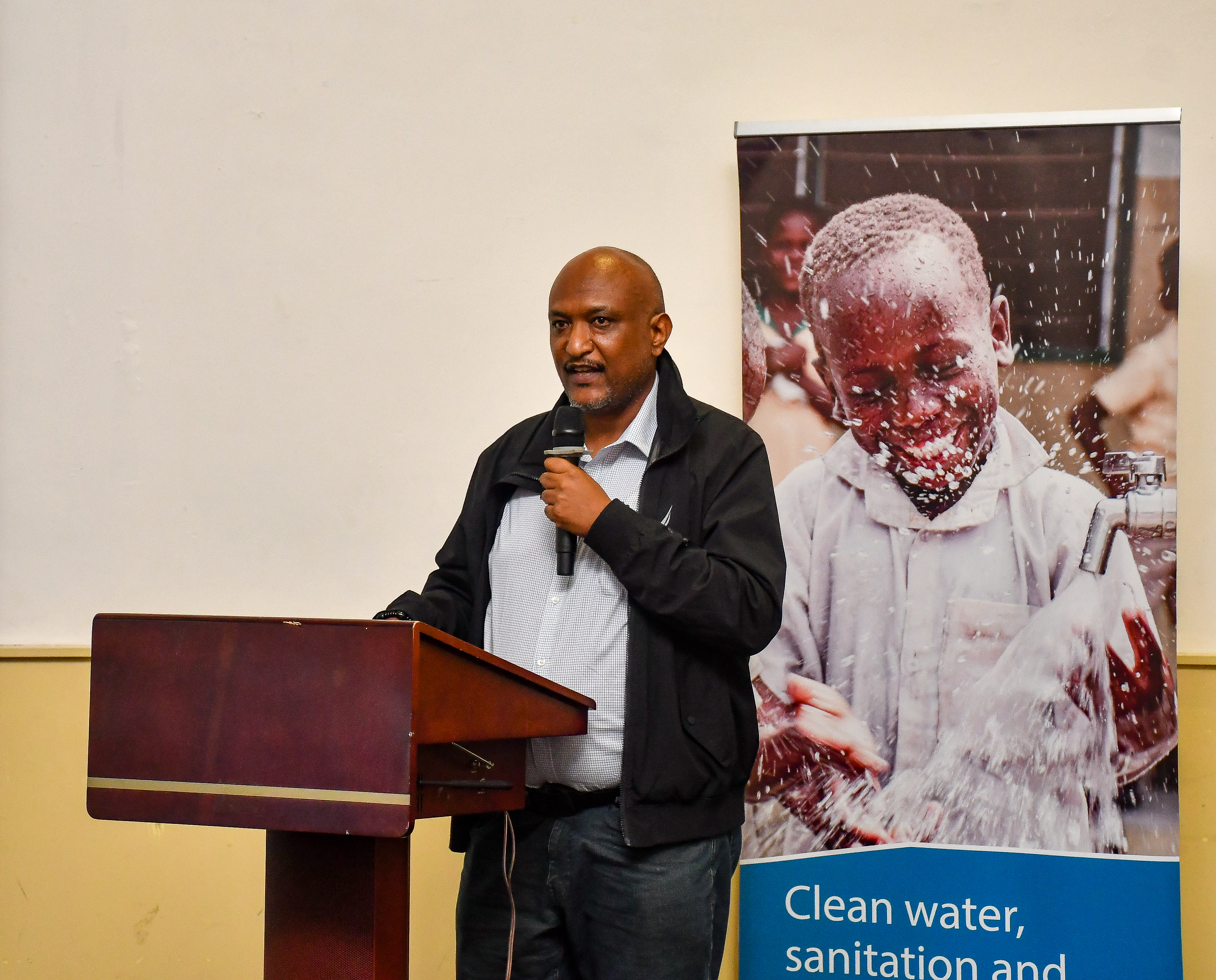
Presenting the final results to representatives from the Ministry of Works, Housing and Water Resources (MWHWR), Ghana Water Limited, the Community Water and Sanitation Agency (CWSA), Ghana Standards Authority (GSA), Water Research Institute (WRI), academia, the Association of Ghana Industries (AGI), and independent WASH professionals, the research team shared evidence confirming the impact of material choices on water safety.
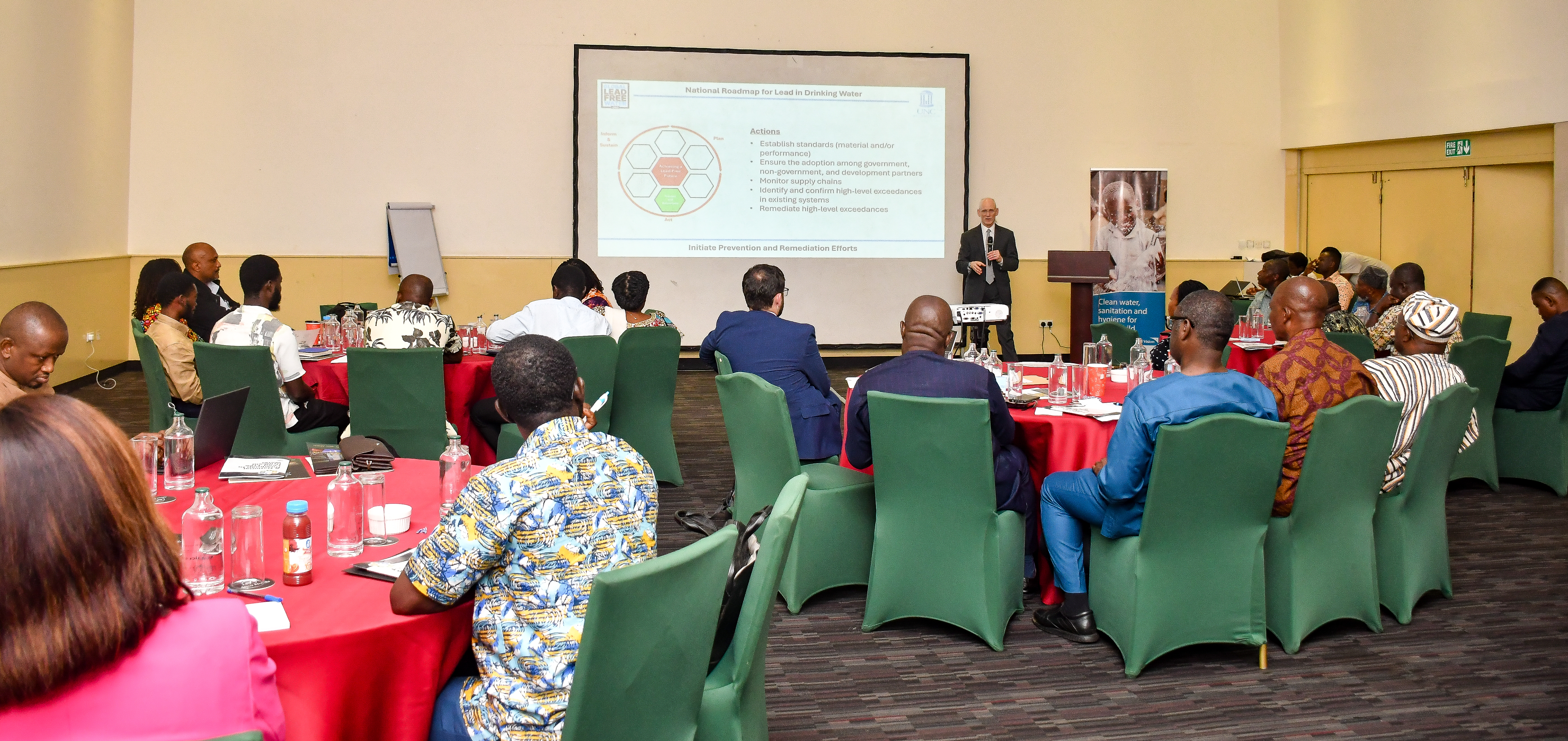
According to the findings, water systems constructed exclusively with lead‑free components were significantly less likely to dispense water with lead concentrations exceeding both the Ghana Standard and the World Health Organization’s guideline values.
Lead, identified by the WHO as a dangerous neurotoxin with no safe level of consumption, poses severe risks to human health, particularly for children.
Participants at the meeting expressed appreciation to World Vision and the UNC Water Institute for their leadership in conducting the study. They also reaffirmed their commitment to supporting the next steps, including integrating lead testing into routine water quality monitoring, advocating for stronger policies to eliminate substandard materials, replacing outdated pipelines, and pursuing further research.

The conclusion of the Ghana Water Quality Study marks an important milestone in the national effort to protect communities from Lead contamination and ensure access to safe, reliable drinking water.