
World Vision Ghana Trains over 270 Health Workers to Strengthen Community-Based Surveillance and Care for Neglected Tropical Diseases

By Vivian Adu, Communications Officer
World Vision Ghana, in partnership with the Ministry of Health and Ghana Health Service National Neglected Tropical Diseases Programme (NTDP) and key partners, has trained more than 270 Community Health Officers (CHOs), supervisors and district stakeholders to improve the detection, referral and management of Neglected Tropical Diseases (NTDs), strengthening community-based healthcare and access to services for vulnerable populations.
The intervention seeks to improve the effective integration of NTD services into Free Primary Health Care E- tracker to enhancing disease surveillance, referral pathways, National Health Insurance Scheme (NHIS) enrolment for vulnerable and indigent patients, and data quality management through targeted capacity building and supportive supervision.
The training forms part of the Sustaining Gains in Elimination of NTDs in Ghana Project, which is being implemented by World Vision Ghana with funding support from World Vision US in collaboration with the Ministry of Health and the Ghana Health Service NTD Programme under the Public Health Division. The project aims to safeguard Ghana's achievements in NTD elimination while strengthening systems that support long-term sustainability, universal health coverage and integrated primary healthcare service. (IHVR)
Speaking during the opening of the training, Awurabena Quayeba Dadzie, Health and Nutrition Technical Specialist at World Vision Ghana, underscored the importance of embedding NTD surveillance into routine primary health care services and the free primary health care to ensure that vulnerable populations are not left behind.
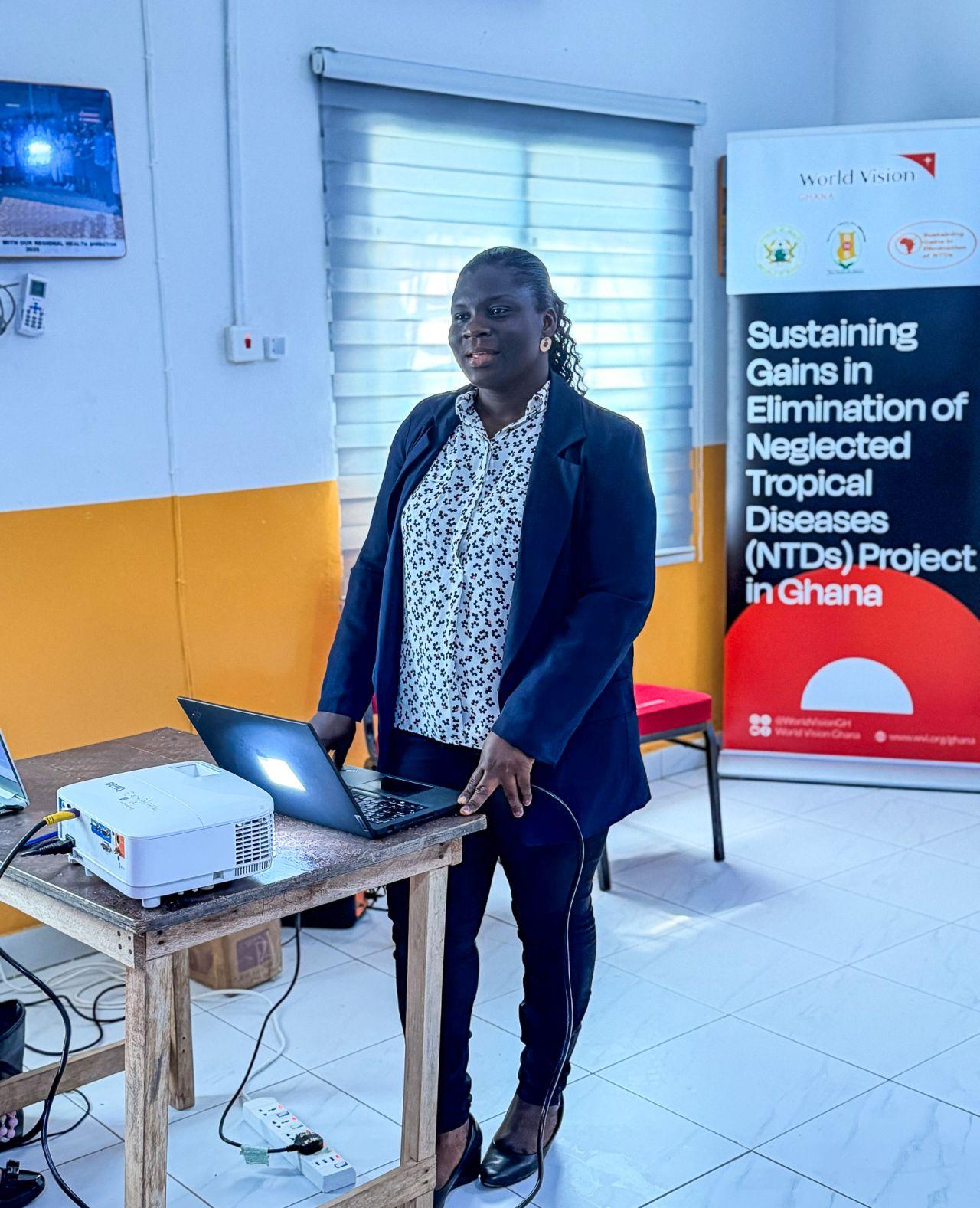
She noted that the IHVR and E-Tracker tools will equip CHOs to identify suspected NTD cases during household visits, strengthen documentation processes, facilitate timely referrals and follow-up, and establish linkages for affected individuals to essential social protection and healthcare services, including NHIS support.
"This is about more than recording numbers; it is about finding people who might otherwise remain invisible to the health system," she said, emphasizing the need for early identification and care for persons living with conditions such as lymphoedema, hydrocele and leprosy.
She also stressed that effective surveillance and referral systems are essential to preventing disability, reducing stigma, and improving health outcomes for vulnerable households.
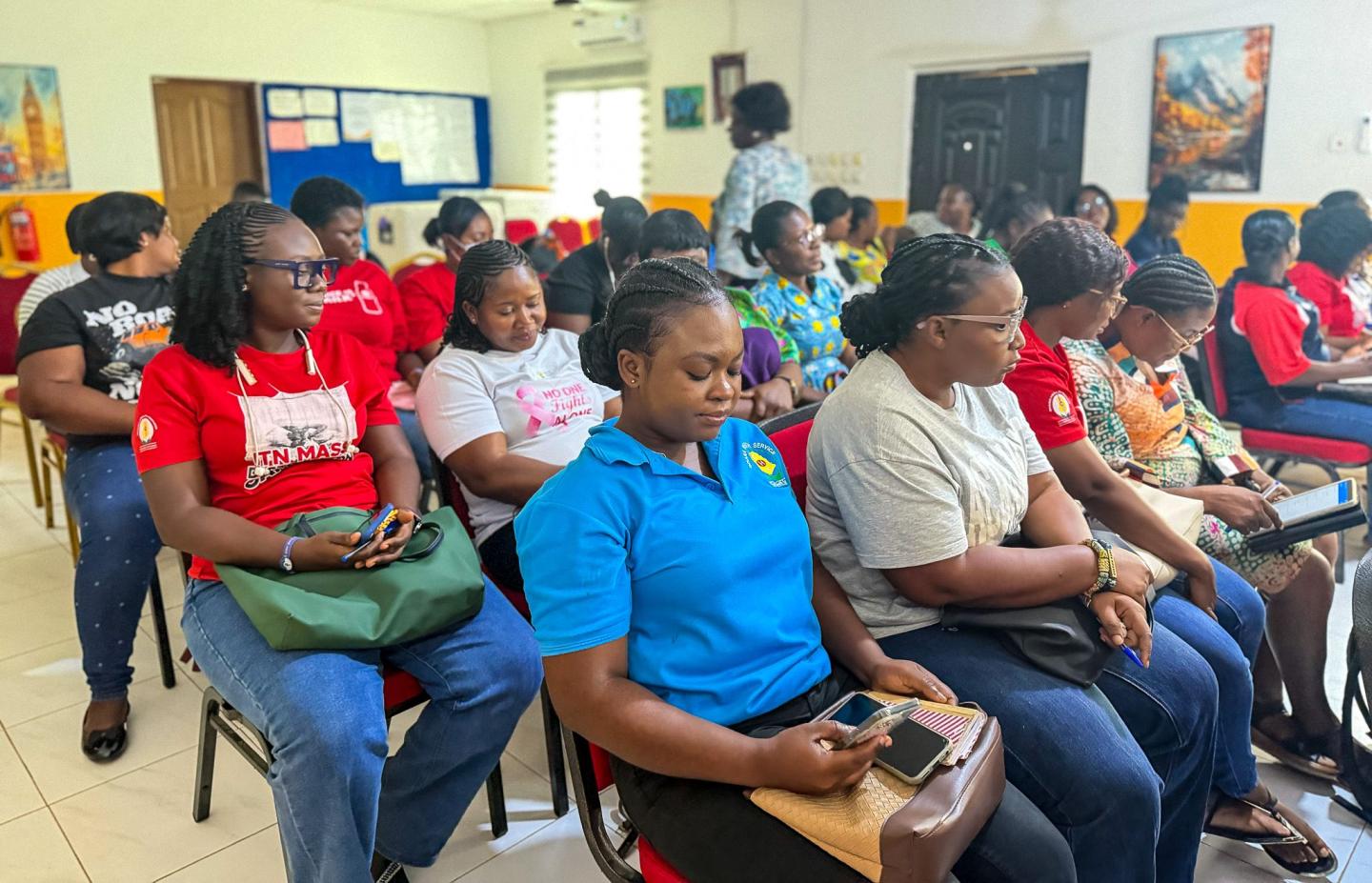
Awurabena highlighted Ghana's significant achievements in the fight against NTDs, including the certification of Guinea Worm eradication in 2015, the elimination of trachoma as a public health problem in 2018 and the elimination of Human African Trypanosomiasis as a public health problem in 2023. However, she cautioned that millions of people remain at risk of other endemic NTDs, making sustained surveillance and community engagement critical to preserving the country's hard-won gains.
She further explained that NTDs are closely linked to poverty and disproportionately affect people in remote and underserved communities. According to her, disability, stigma and the cost of treatment often trap affected families in cycles of poverty, making integrated approaches that combine prevention, early detection, referral and social protection vital to improving community wellbeing.
The intervention will be rolled out through a phased implementation approach, accompanied by mentorship, advocacy engagement, supportive supervision, and data quality improvement activities. World Vision Ghana reaffirmed its commitment to working closely with government institutions and partners to strengthen district health systems and promote sustainable NTD elimination efforts.
She called on participants to apply the knowledge gained during the training by ensuring accurate case identification and documentation, timely referrals and follow-up, and promoting inclusion while challenging stigma within communities. "Success will be measured not by how many people we train, but by what happens after we leave this room," she stated.
The initiative is being led by the Ghana Health Service Public Health Division NTD Programme and the Intra-Country Coordinating Committee (ICCC), with technical and financial support from World Vision Ghana.
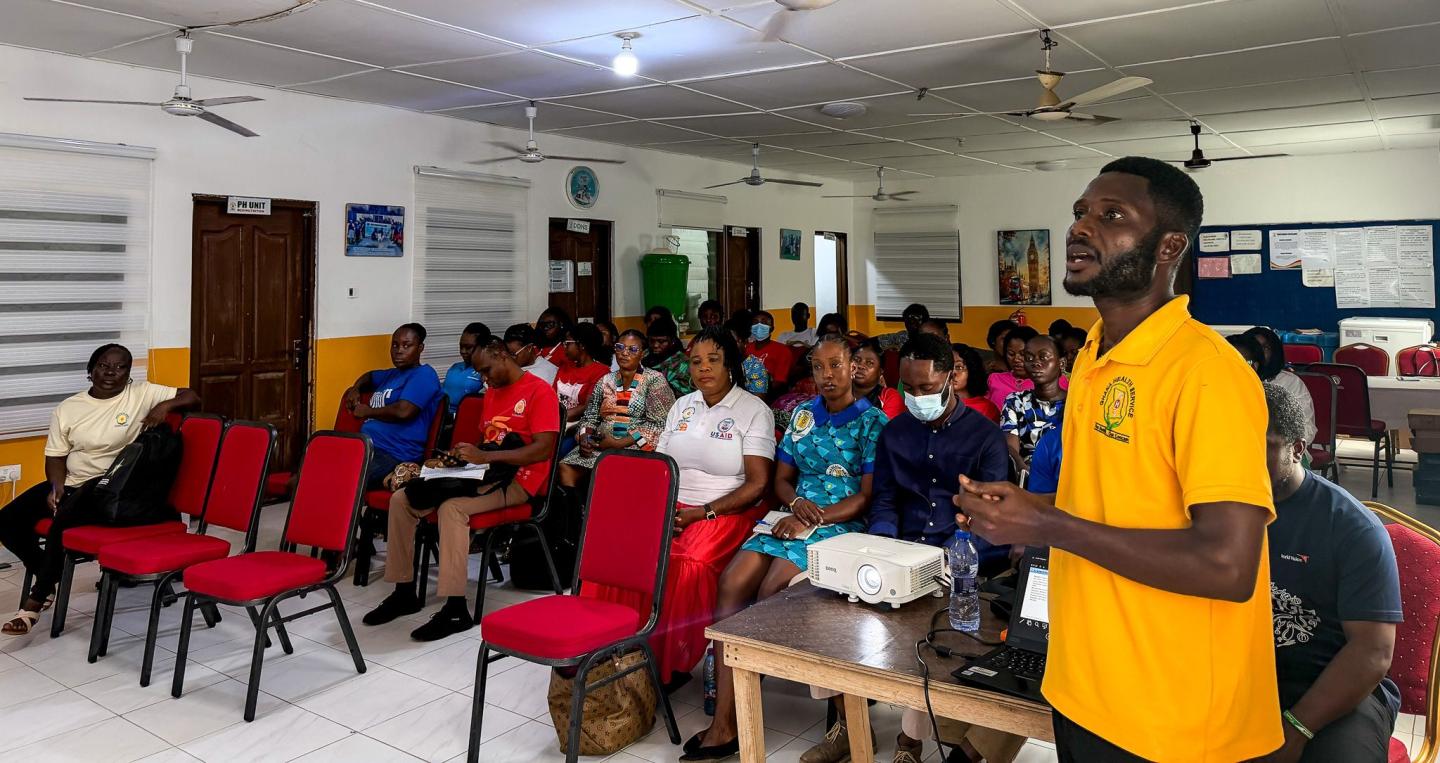
By strengthening community-based surveillance and integrating NTD services into routine primary healthcare delivery, stakeholders aim to improve access to care, enhance data-driven decision-making and accelerate progress toward a Ghana free from the burden of neglected tropical diseases.