
World Vision Ghana’s Innovative Water Management Model Gains Global Recognition

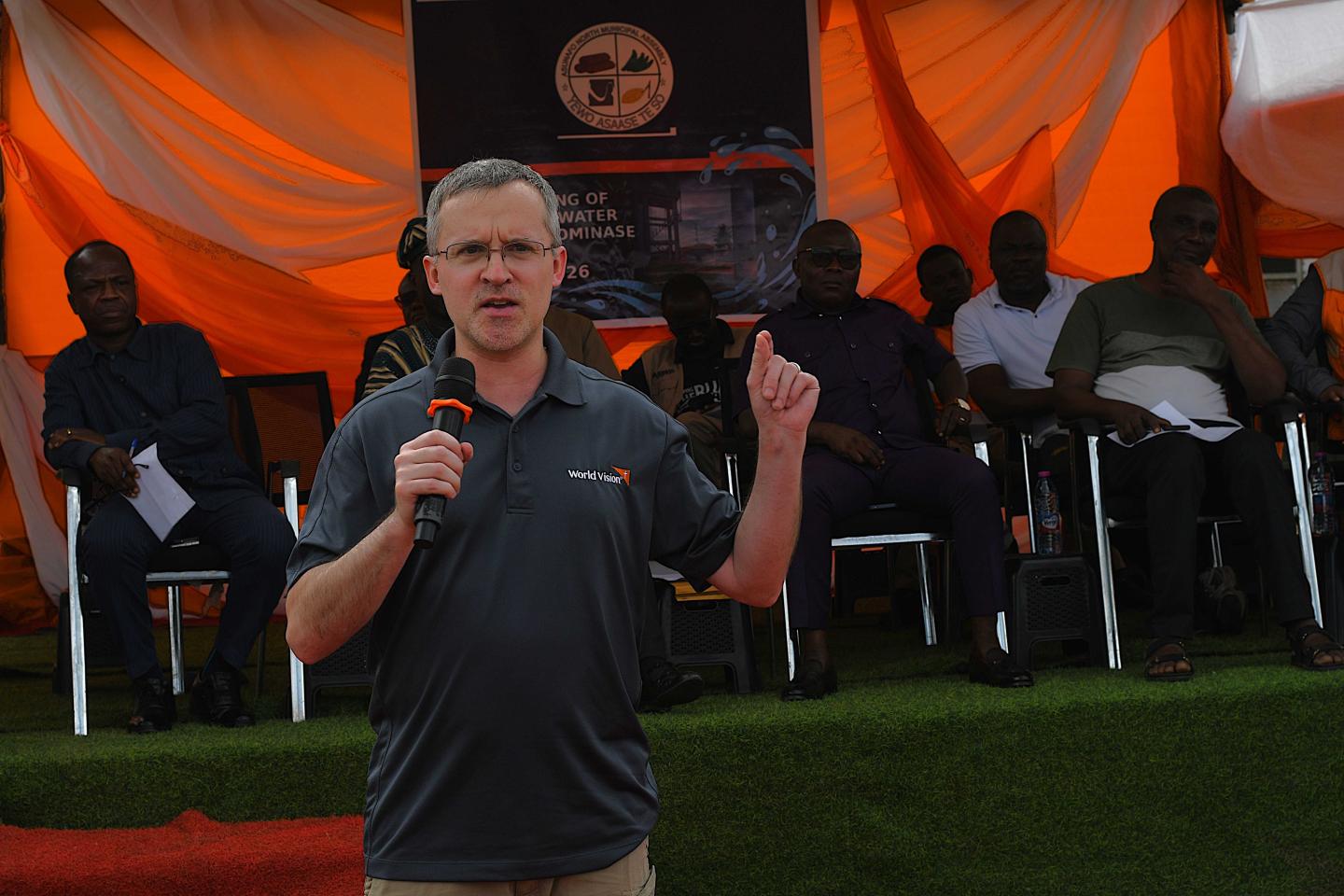
Allen Hollenbach, WASH technical director at World Vision US, announced this during a high-level meeting with partners on the Ahafo Region’s Integrated WASH Project. He commended World Vision Ghana and its partners for taking bold, innovative steps to ensure access to safe water and the sustainability of small water systems. “This is a commendable initiative, and World Vision US plans to replicate Ghana’s success story internationally and across the World Vision partnership,” he said.
From Local Burden to Global Model
For decades, rural communities in Ghana bore the heavy responsibility of maintaining broken water points—often leaving families without safe water for months. The new model changes that narrative entirely.
Through this initiative, communities in Asunafo North and Asutifi North have transitioned from traditional, community‑owned water points to professionally managed, utility‑based service delivery models. This shift represents a profound reimagining of rural water governance.
Key Innovations Driving Change
Water Sustainability Fund – easing the financial burden on households and enabling families to connect safe water directly to their homes.
Professionalisation of Water Systems – Transferring maintenance responsibilities from communities to independent, trained management entities.
Water System Insurance – ensuring that the cost of repairs or system replacement is borne by insurance providers, not vulnerable communities.
Transforming Lives and Livelihoods
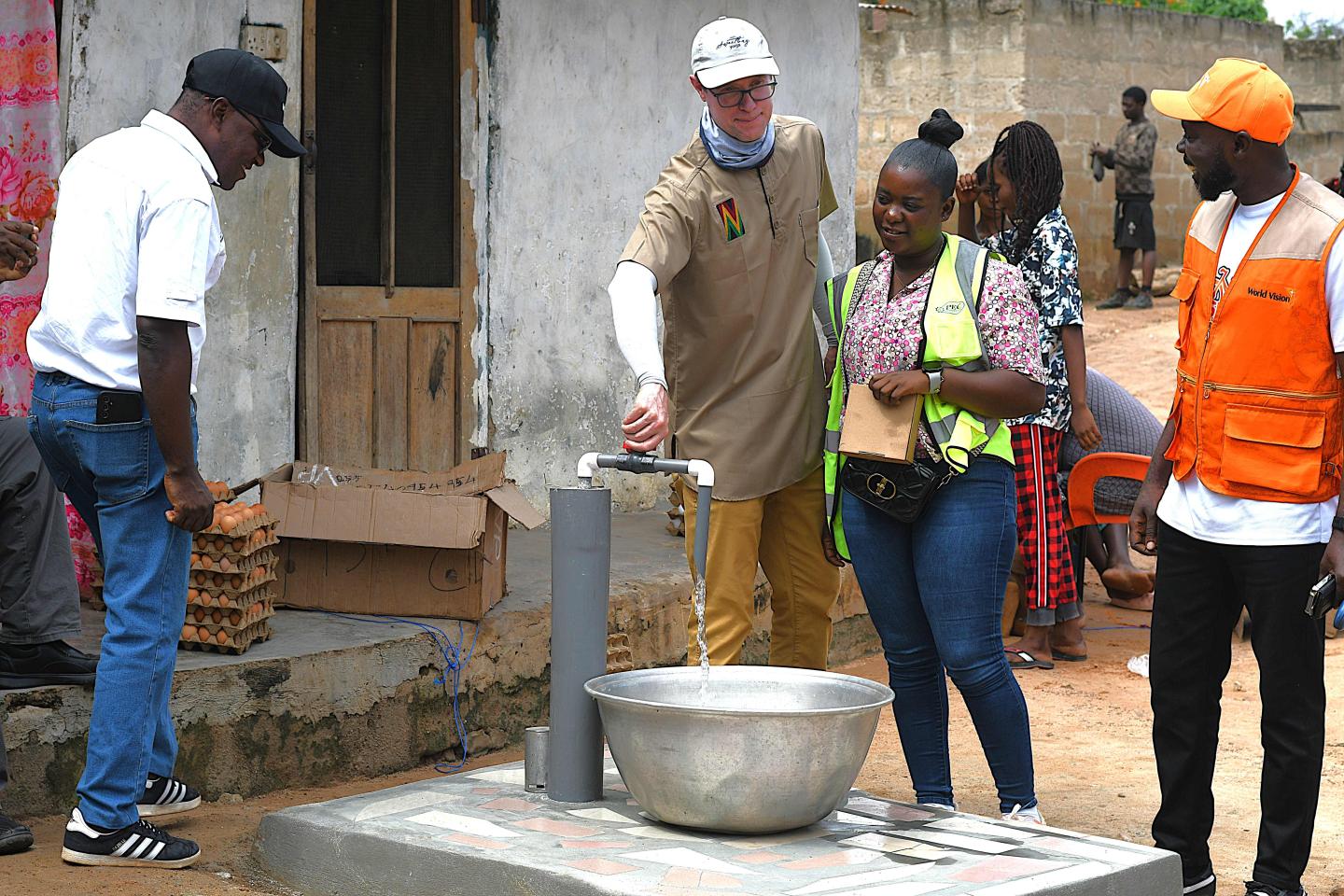
“For the first time, I can turn on a tap in my own home. Women and children, who are responsible for fetching water for household use, no longer walk miles to collect water, which is often unsafe. It feels like freedom.” — Francisca Tiwaah, Gambia No. 1 community
In Gambia No. 1 community in the Asutifi North District, the ripple effects of professionalised water systems are visible everywhere. In Francisca Tiwaah’s household, this has brought economic transformation and freedom for women and children.
“My mother now trades in eggs. When she wakes up, she focuses on her business because she no longer thinks about trekking to streams or queuing at the few boreholes for water. When she needs it, she just turns on the tap and the water flows,” Francisca explained.
For women in her household, the shift has been life‑changing. Freed from the daily burden of fetching water, they have turned their focus to income‑generating activities. The result is not only improved household income but also enhanced livelihoods, with women investing time and energy into small businesses that strengthen family resilience, while children devote their time to academic activities and socialisation.
“When the pump broke in the past, we waited weeks. Now, repairs are immediate. We feel respected and cared for. Thanks to World Vision Ghana.” — Nana Opoku Agyemeng, chief of the Dominase community, speaking at the commissioning of the Dominase water system.
This story illustrates the broader truth: safe water is more than a service—it is a catalyst for opportunity, dignity, and empowerment.
Scaling Innovation Across Borders
Local leaders describe the initiative as “innovation with love”—a system that delivers not just water but also dignity, freedom, and hope for every child.
With strong collaboration between government, civil society, and private sector partners, Ghana’s model is now poised to transform water governance worldwide. The initiative demonstrates how shared responsibility, innovation, and compassion can deliver systemic change—ensuring that safe water is recognised not as a luxury but as a fundamental human right.
“This project is more than water. It is dignity. It tells us our lives matter.” — Community Leader, Kenyasi No. 3.
The Ahafo Region Integrated WASH Project is supported by the Conrad N. Hilton Foundation as part of its broader commitment to expanding sustainable access to safe water in underserved communities.