
From Near Abandonment to Becoming a Model of Academic Success: The Journey of Awaliwal Primary School.

From near abandonment to becoming a model of academic success, the story of Awaliwal Primary School in Soroti District is one of resilience, revival, and an unyielding commitment to education.
Nestled in the quiet countryside of Gweri County, the school was founded in 1954 with a simple but powerful mission: to open doors of opportunity for rural children. For decades, it was the pride of the community until the storms of insecurity began to batter it.
By the early 1960s, violent Karamojong cattle raids drove families from their homes. Classrooms emptied, and learning stopped. The situation worsened in the 1980s and 90s, with repeated waves of insecurity forcing the school to shut its doors.
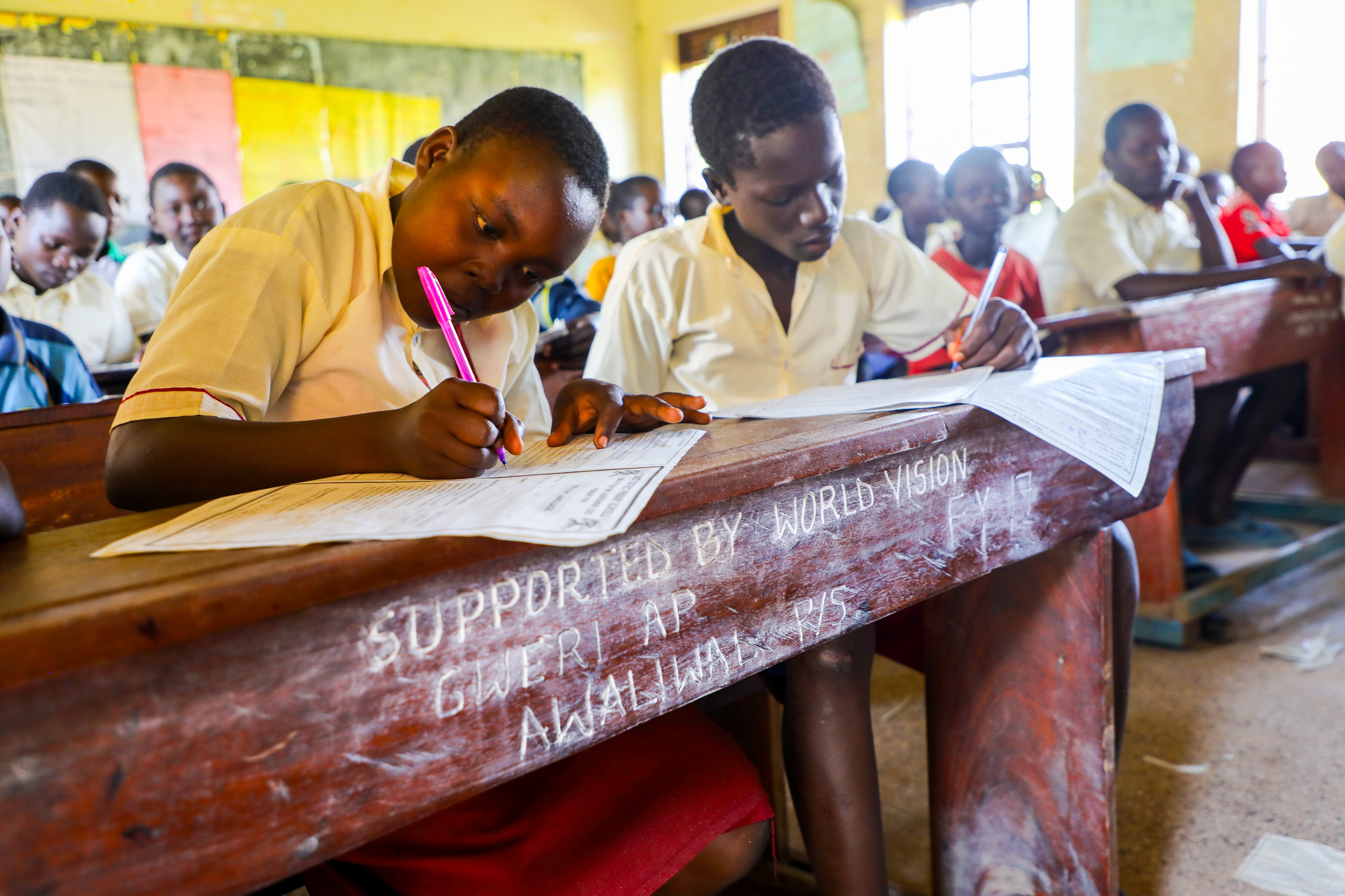
“Insecurity threatened the lives of children who once walked freely to school, forcing us to close temporarily,” recalls Michael Okello, Chairperson of the Parents–Teachers Association.
Just when peace seemed within reach, the Lord’s Resistance Army (LRA) insurgency reached Teso in 2003, bringing yet another wave of displacement. The school’s very survival hung by a thread.
By 2008, peace returned, but the damage was deep. Livelihoods were lost, children had fallen years behind in their education, and the community’s hope was fragile.
Then World Vision stepped in. Through its Gweri Area Development Programme, the organisation supported recovery in education, livelihoods, water and sanitation, and psychosocial healing. For Awaliwal, the game-changer was the construction of a fully equipped classroom block.
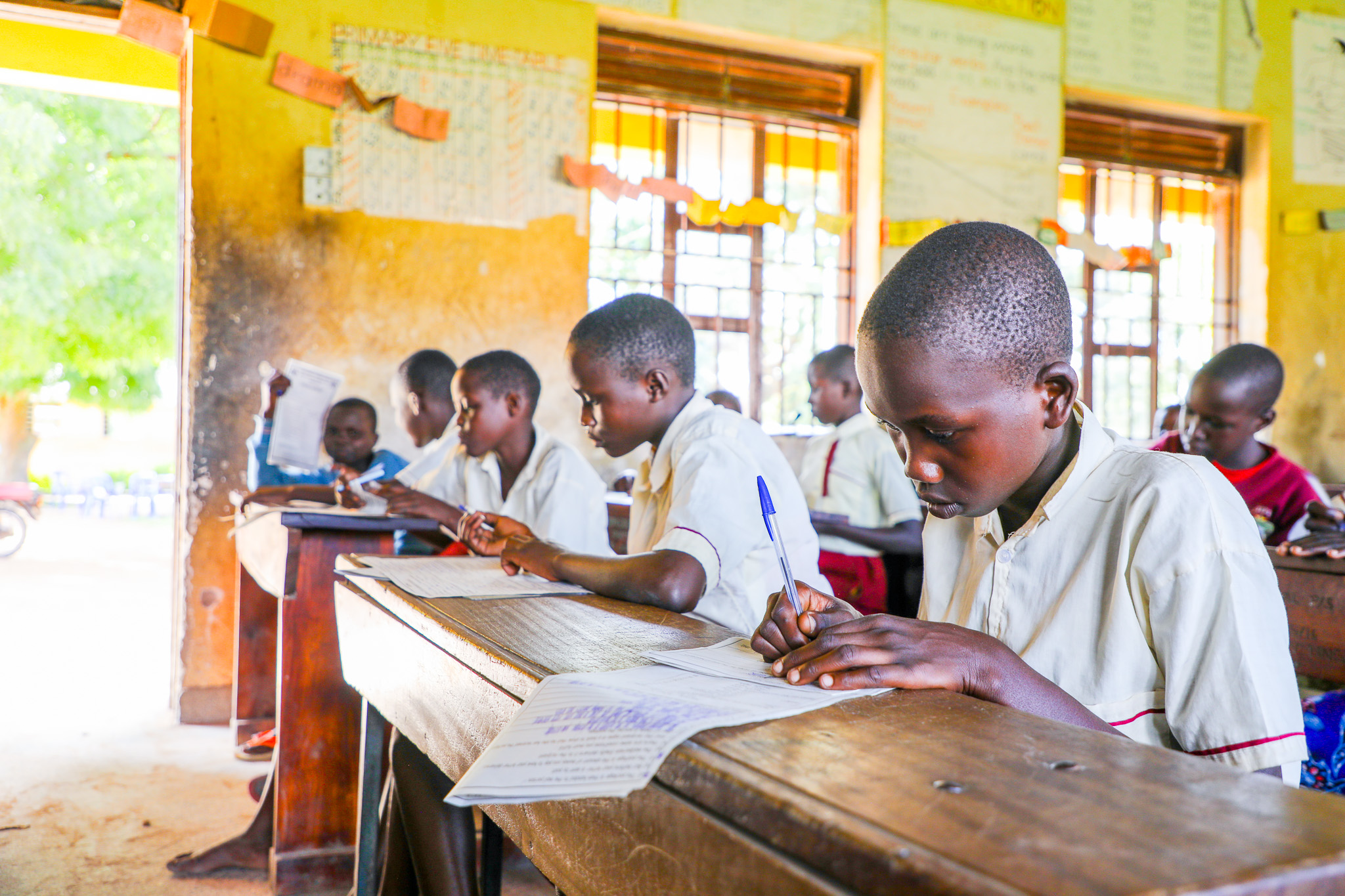
“Children who had been displaced and disengaged began returning to school,” says Michael. “That new building reignited our community’s love for learning.”
The results were nothing short of transformative. In the very first year after the new block was completed, Awaliwal registered its first-ever first-grade performance, emerging the best in the district.
“That year changed everything,” says the deputy head teacher. “Teachers were inspired to stay, and children came to school with renewed excitement.”
World Vision’s support went beyond academics. They provided musical instruments for the school’s music, dance, and drama team, boosting creativity and pride among learners. Teachers received training in child-friendly methods and how to make engaging learning materials from locally available resources.
As the school flourished, parents took ownership of its future. In a remarkable show of unity, they contributed funds to build a girls’ dormitory. This was more than just a building. It was a declaration that the community could sustain progress even after World Vision’s exit.
For Rachael, an 18-year-old Primary Seven pupil, the dormitory has been life-changing.
“Now I stay at the school and study every day in a supportive environment. Without disruptions, our minds focus only on learning. I want to be a policewoman to serve my country.”
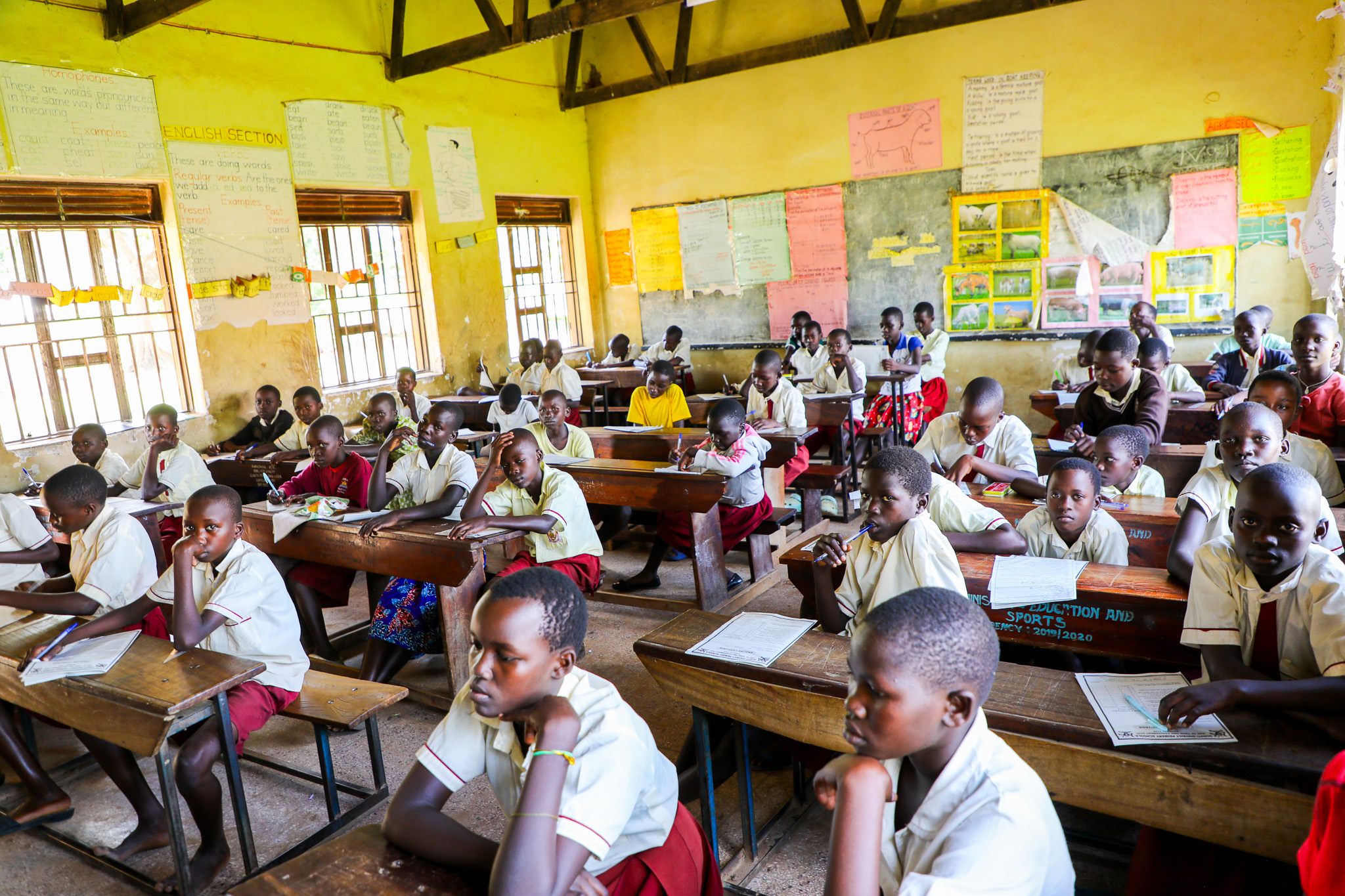
From a place silenced by war to a symbol of academic achievement, Awaliwal Primary School’s transformation proves that when a community unites around education and partners with organizations that believe in their potential, even the most broken dreams can be restored.
Today, the sound of children laughing and learning echoes through Gweri once again. And for Awaliwal, the best chapters are still being written.
Story By: Derrick Kyatuka, Communications Manager and Mungu Jakisa Brian, Communications Officer