
Print-rich Classrooms Transform Learning at Gweri Primary School.

In a sunlit Primary Two classroom at Gweri Primary School, Soroti district, the walls speak. They speak through charts of wild animals, alphabets, numbers, body parts, and neatly drawn household items, each illustration a silent teacher, each word an invitation to learn.
Eight- and nine-year-old pupils sit attentively at their wooden desks; eyes fixed on their teacher. Even when she steps out, the learning does not stop; the colorful displays draw curious glances, prompting questions, sparking memories.
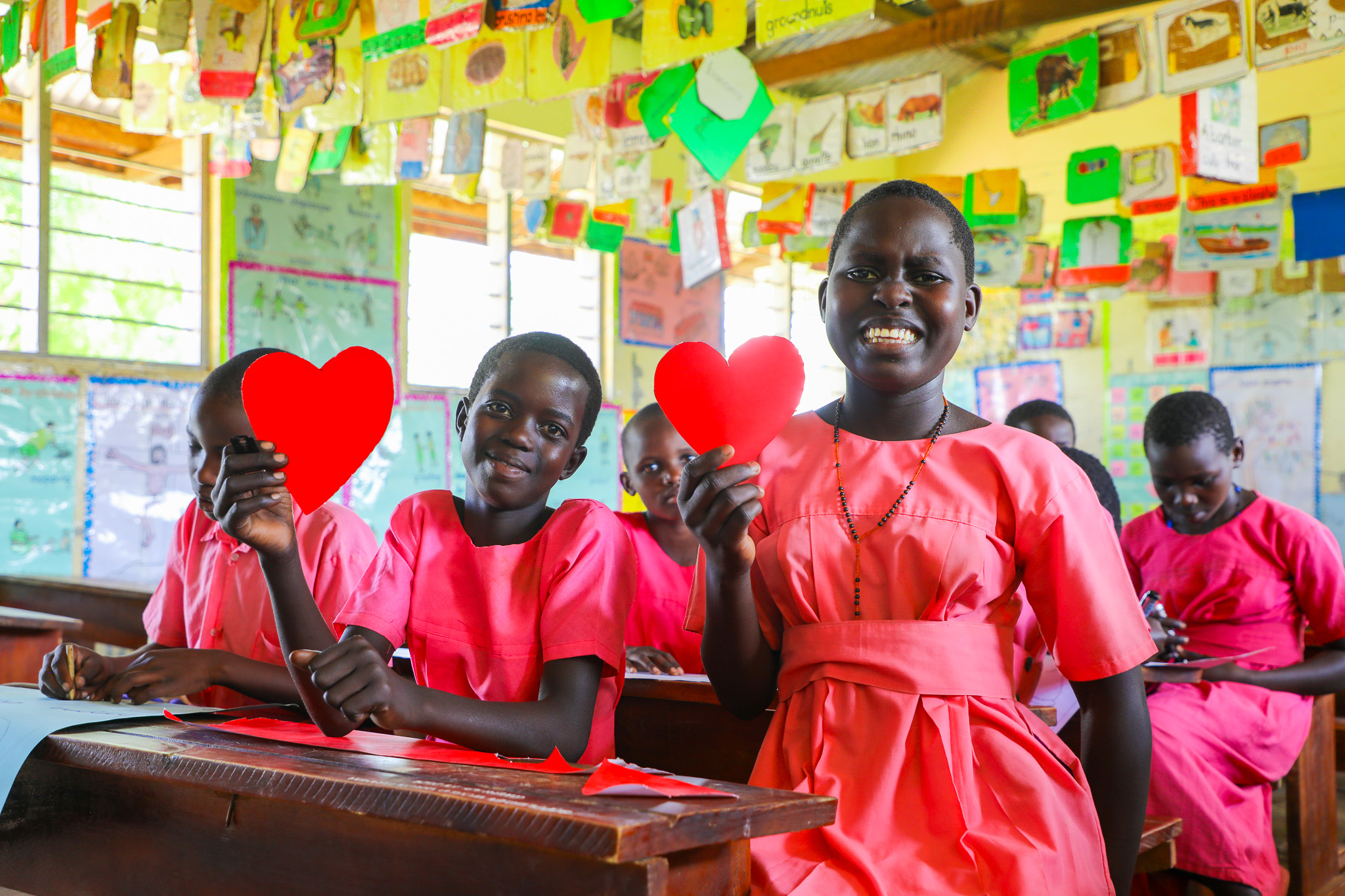
“The words, pictures, and letters help us to read and write,” says Selina, 9, her smile as bright as the classroom she learns in. “It is beautiful and keeps us interested in what the teacher teaches us.”
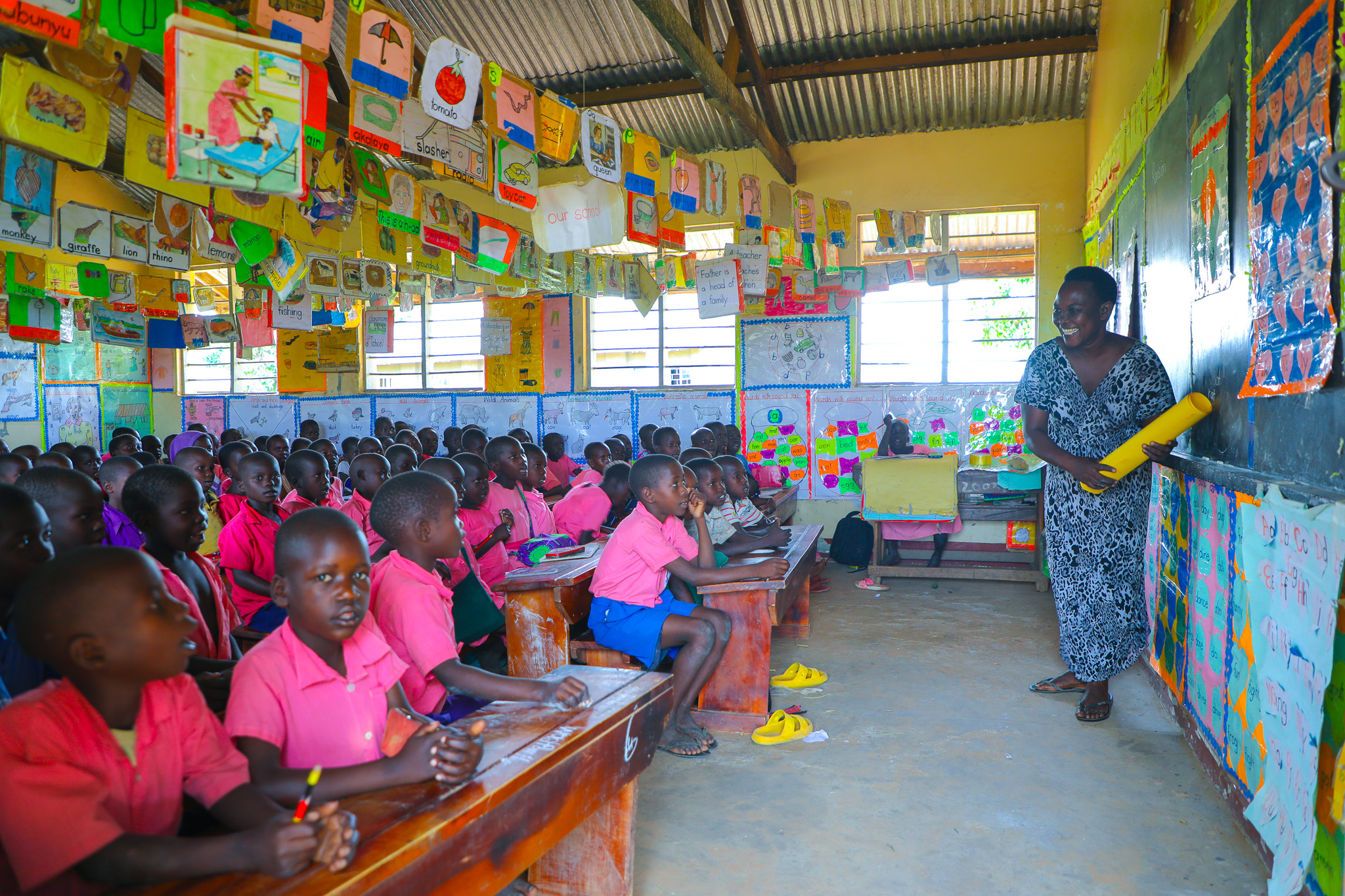
But this was not always the case. Just a few years ago, the same classroom was bare, the atmosphere dull. Pupils stared out the windows, their minds wandering. School felt distant, even irrelevant.
“Children’s concentration levels were so low,” recalls Angella Patricia Isina, a Primary Two teacher. “Many were not interested in school at all. A few who came preferred playing.”
That changed when World Vision introduced its Unlock Literacy model to Gweri Primary School, targeting teachers in lower primary classes. In 2021, teachers received training on creative ways to make learning visible and engaging, including how to set up print-rich classrooms.
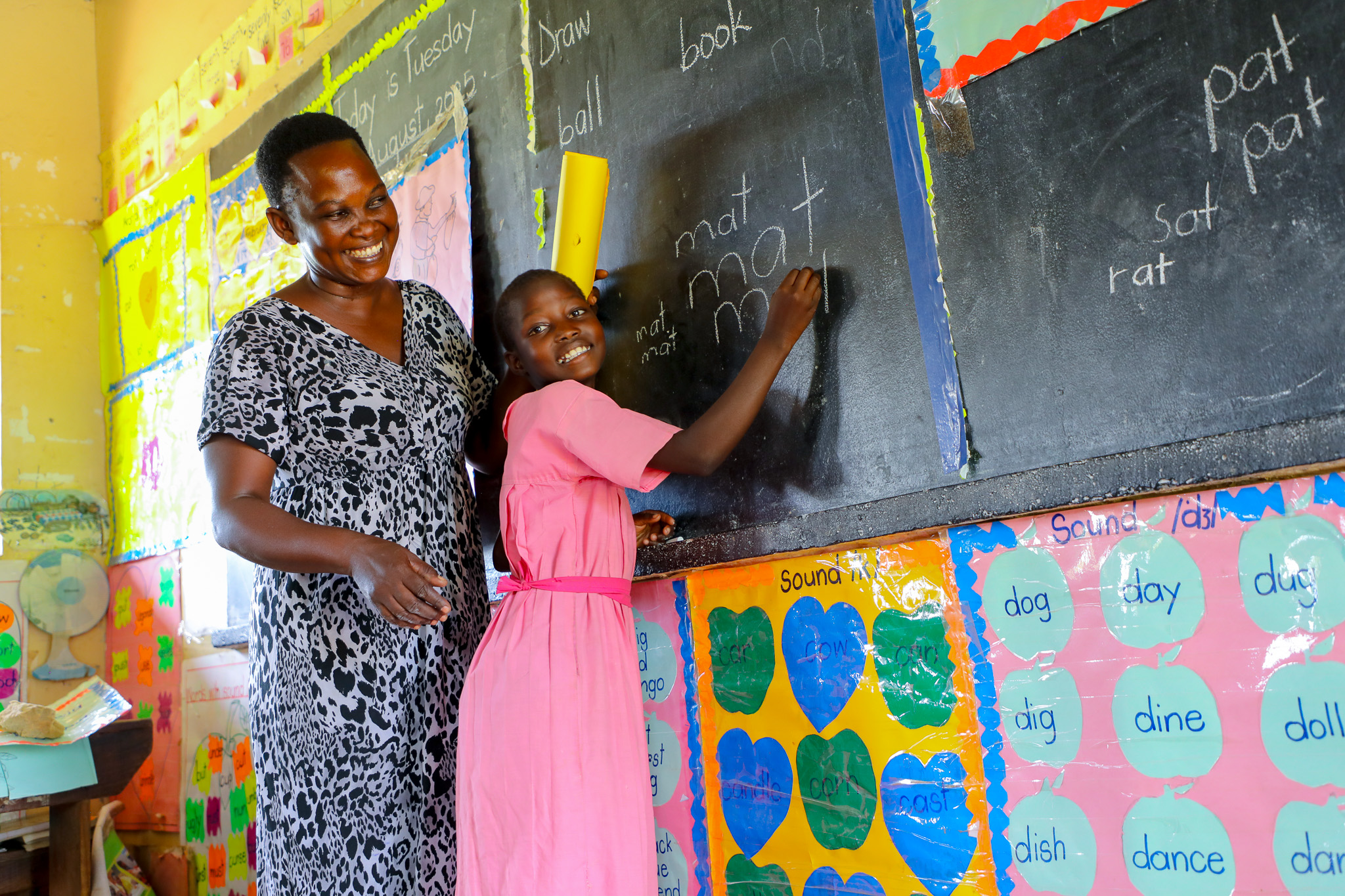
“The training was a turning point,” Angella says. “We learned to display lesson plans and learning materials in ways that made children eager to touch, read, and explore. Their excitement was instant.”
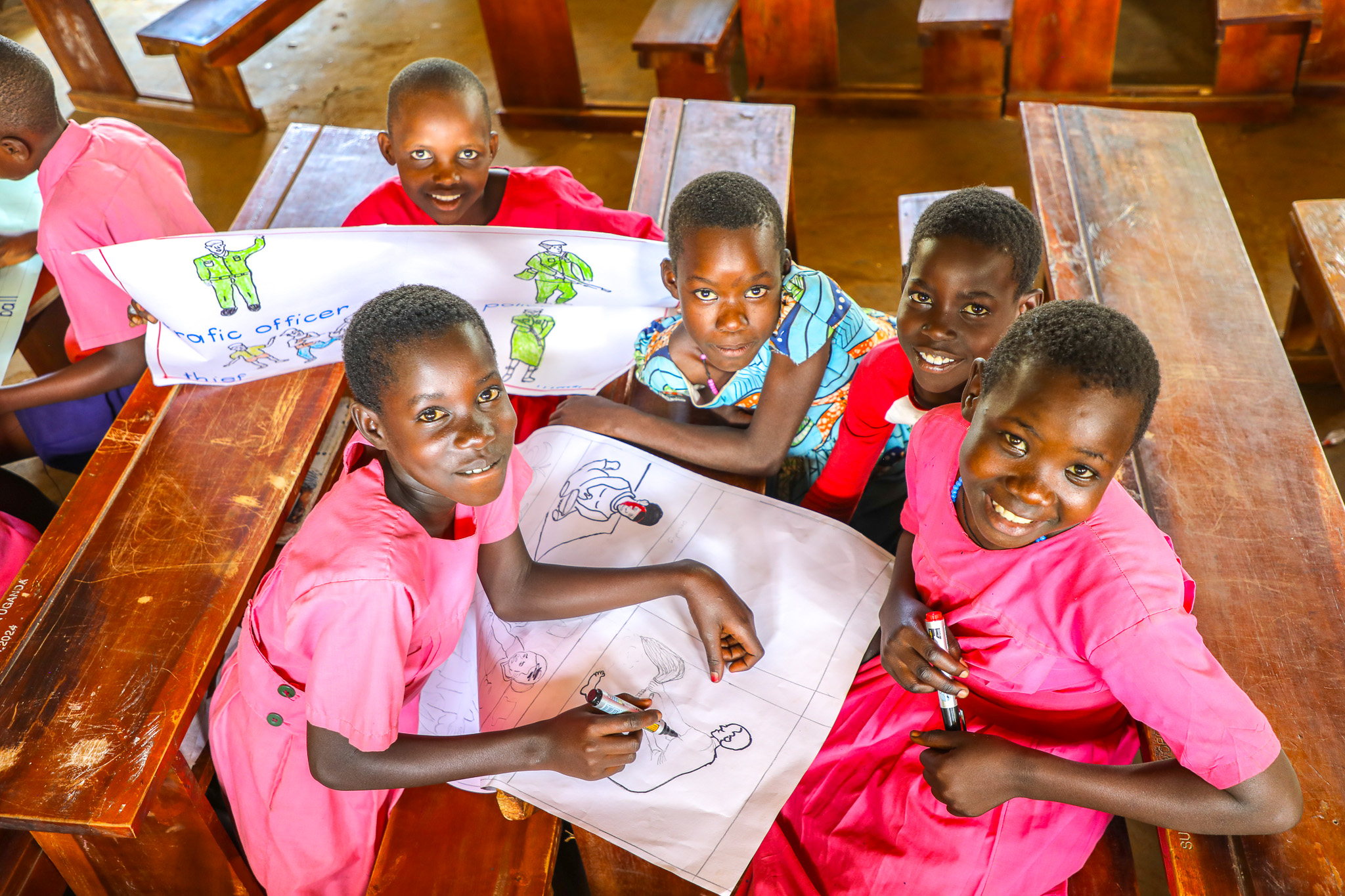
Fifty-seven teachers from 16 schools benefited from the training. They, in turn, trained their colleagues. Today, every lower primary classroom in Gweri is print-rich, filled with teaching aids created with local materials.
Some pupils have even joined in. Jonan, 13, a Primary Seven pupil, helps teachers make the materials. “I draw sketch pictures, color, and cut out shapes that support learning,” he says proudly. “It has helped me discover my talent in fine art.”
The results have been remarkable. Pupil interest in school has soared, enrolment has grown, and more children are completing their studies.
Learning Beyond the Classroom
World Vision has also extended the concept to the community. Fourteen community literacy centres, equipped with textbooks and metallic “book banks” for safekeeping, have been set up.
Managed entirely by local residents, they provide a space for children to read and learn during weekends and holidays.
“These centres are run by the community, for the community,” explains Julius Olobo, World Vision’s Project Officer for Education. “We believe they will sustain children’s interest in education even after the Area Programme ends.”
For pupils like Selina, the transformation is already clear. “I like coming to school,” she says. “Even if the teacher is not here, the walls teach me something new every day.”
Story by; Derrick Kyatuka, Communications Manager, and Mungu Jakisa Brian, Communications Officer.