
A Clinic Born from Suffering, but the Work Is Not Done

For years, families in Chapemba lived with a quiet fear. If sickness struck at night, help was 17 kilometres away. That distance costs lives.
Headman Biton Simbeye remembers it well. "People used to suffer in this community," he says. "They walked so many kilometres to reach a clinic. Some lost their lives. Others gave birth along the road."
The pain was real and close. A mother in labour, collapsing halfway to help. A sick child arriving too late to be saved. "It was painful for my people," Simbeye says, "and we could not take any more."
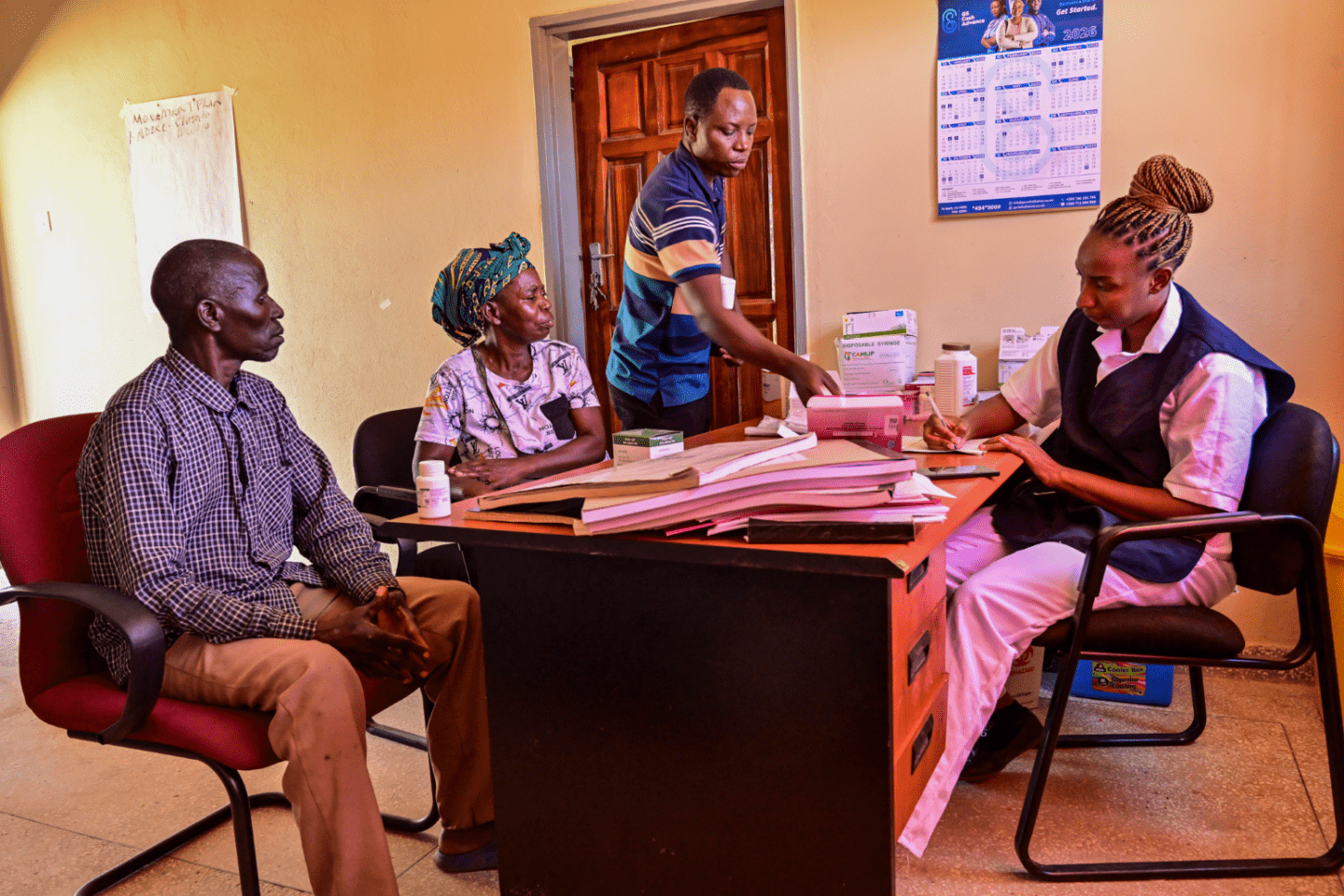
Chapemba's story is part of a bigger one. Across Zambia, 135 mothers die for every 100,000 babies born. In 2022 alone, more than 800 mothers and 7,700 babies lost their lives. The country has fewer than one doctor and fewer than one nurse for every 10,000 people. These numbers explain why clinics like Chapemba's matter so much, and why the gap is still so wide. In December 2025, the government took a step forward, signing a National Health Compact with the World Bank to recruit 74,000 health workers and expand primary care over five years. It is a promise that help is coming. Chapemba shows what that help can look like when it arrives.
Today, the Chapemba Rural Health Centre stands where suffering once stood, built through World Vision and the kindness of supporters, and now running with the Zambian government. There is clean water. There is equipment. There is, finally, a place to go.
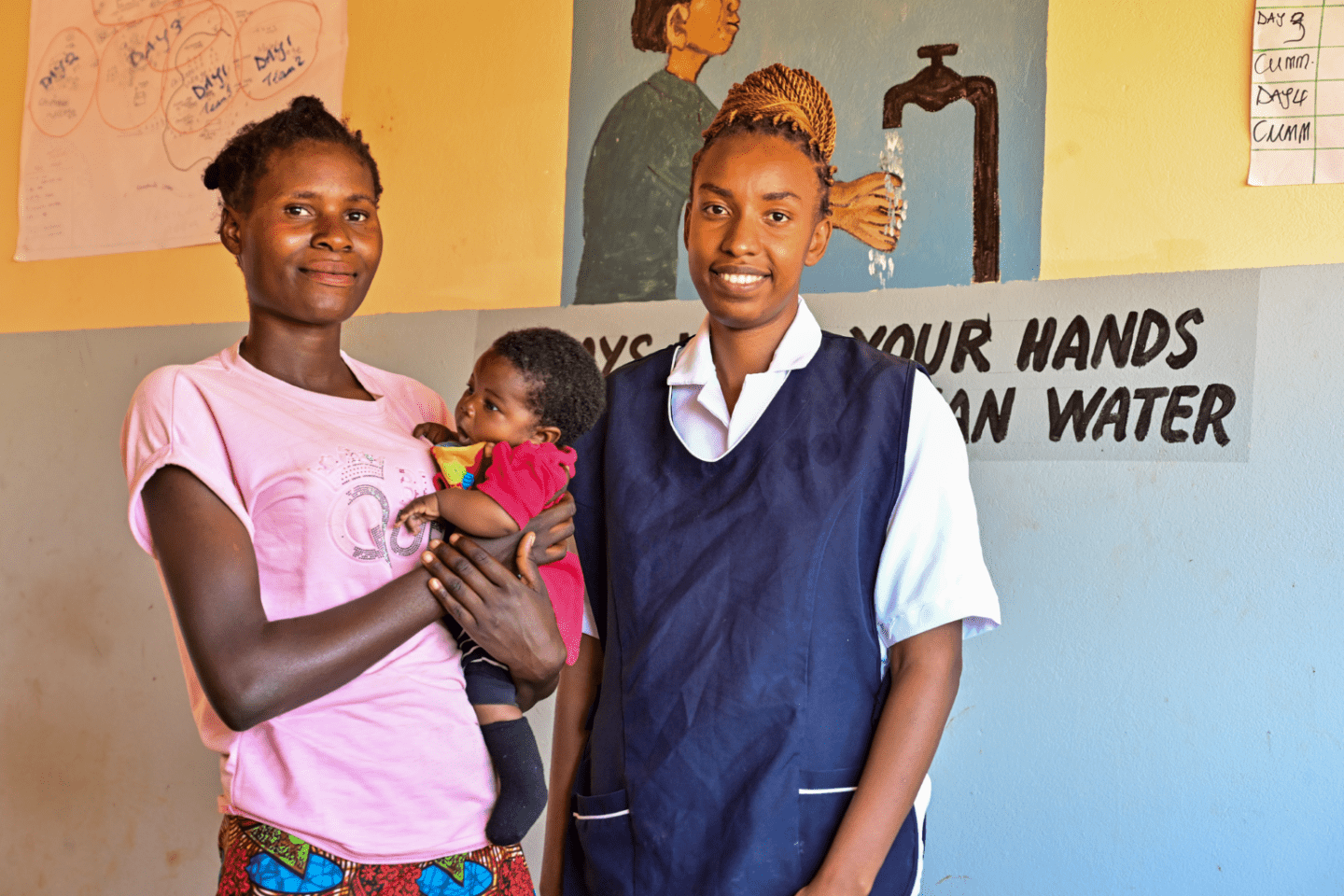
Mary Nakamba had her baby there. "We used to suffer walking long distances," she says, smiling. "Now we are close to the facility."
Nurse In Charge Diana Mubanga has seen both sides of this story. The clinic now serves 3,500 people, but only three staff carry that weight: a midwife, a health assistant, and a nurse. "We are too few," she says simply. They even share one small flat between them, which makes it hard to bring in more help.
There is no maternity annex yet. Mothers come to give birth, but the space to care for them properly is not there.
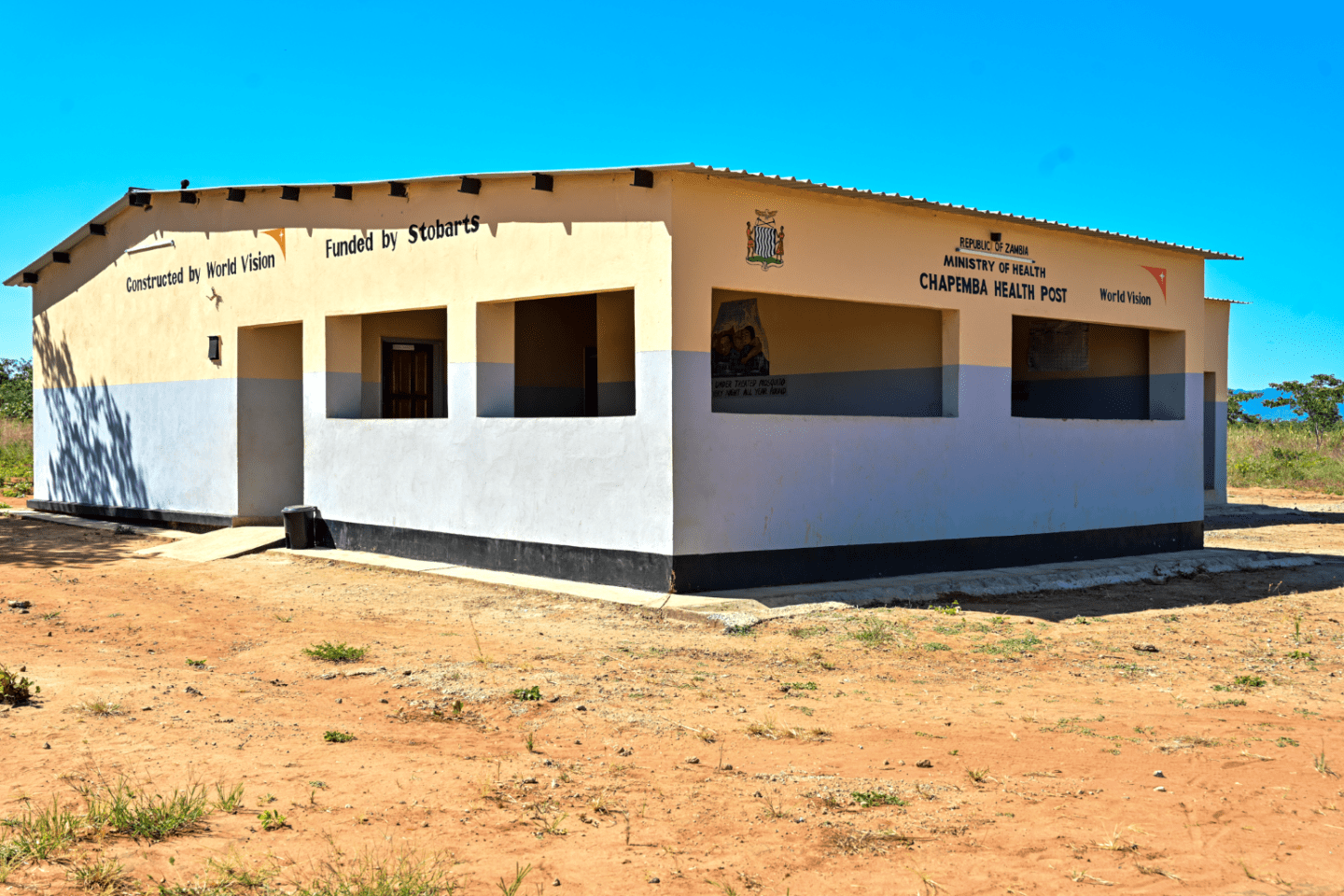
"This is a beautiful facility," Mubanga says. "I wish every clinic in Zambia looked like this one." She is right to wish it. Clean water and good buildings should not be rare gifts. They should be normal.
Chapemba no longer walks 17 kilometres in fear. But the community is still waiting for more hands to care for them, more beds to rest in, and a proper space where every mother can bring a new life into the world safely.
The work is not finished. But hope already lives here.